WhatsApp us








 Best Sellers
 Bucket List Adventures
 Short Trips
 Training Weekends
 Epic Peaks
 Remote Adventures
 Hardcore Challenges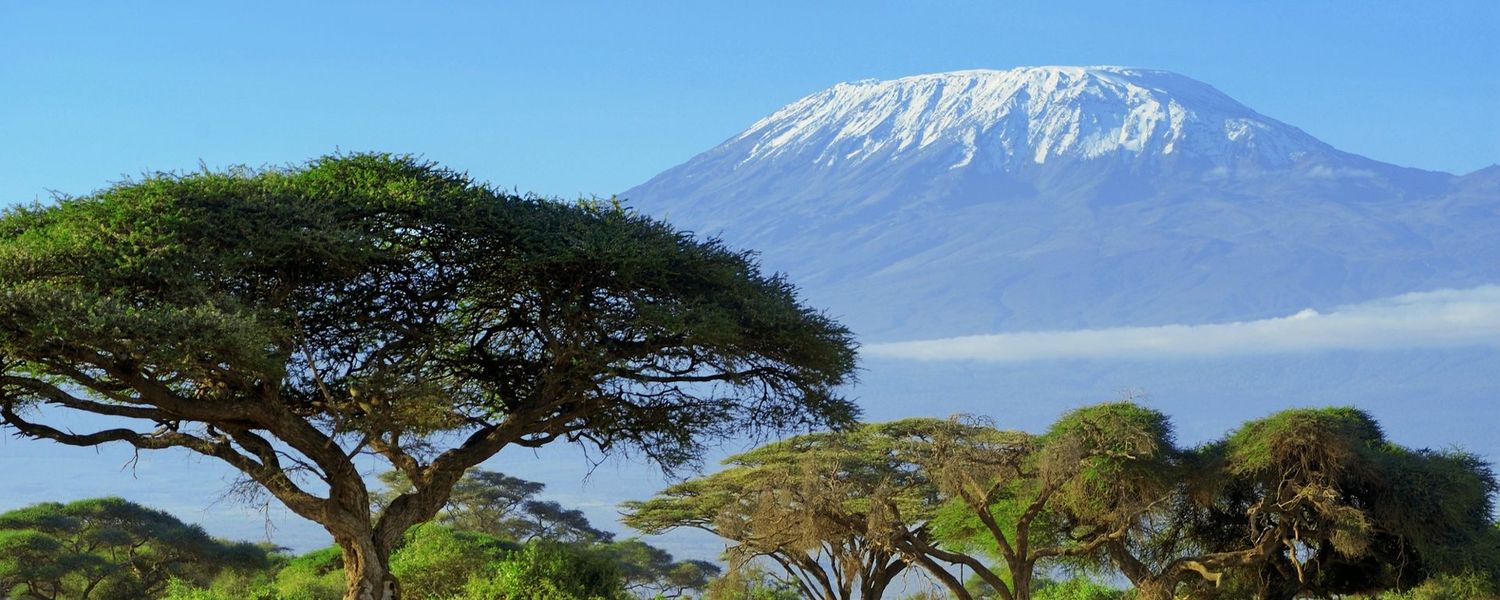
- Details
- Category: Knowledge Centre
Kilimanjaro Training Guide: How to Prepare for Your Trek to the Roof of Africa
Thinking about tackling Kilimanjaro? That is fantastic, and some say making the decision to go is the hardest part of the journey!
Summiting Kilimanjaro and standing proudly at 5,895 metres, is an unforgettable experience. However, like any serious trek, it requires preparation. While the climb is achievable for most people with a reasonable level of fitness, proper training will make the experience safer, more enjoyable, and increase your chances of reaching the summit.
Three Key Tips for Effective Kilimanjaro Training
Do not leave training until the last minute. Your body needs time to adapt. Early preparation helps prevent injuries and allows you to build endurance and strength gradually.
2. Fuel Your BodyEat well during training. A balanced diet with plenty of protein, complex carbohydrates, and healthy fats gives your body the energy it needs. As your training intensity increases, proper nutrition becomes even more important.
3. Rest and RecoverIn the final week or two before the trek, ease off the intensity. Allow your body to recover so you begin your Kilimanjaro adventure feeling fresh and strong. Light walks are fine, but do not overdo it.
Preparing Your Body for Kilimanjaro
Climbing Kilimanjaro does not require technical mountaineering skills, but do not be fooled. This is a demanding trek. You will be on your feet for around eight consecutive days, walking long distances at high altitude and sometimes in challenging weather.
The key to success is preparation. With the right mindset and a solid training plan, you will not only improve your chances of reaching the summit, but you will also make the journey far more enjoyable.
Train the Way You Will Trek
One of the best ways to prepare for Kilimanjaro is to simulate the physical conditions of the mountain. While gym work is useful, nothing beats getting outside and walking. Hillwalking, especially with some weight in your backpack, is the most effective training you can do.
Start training at least eight weeks before your trek, if not earlier. Aim to include hikes with ascents and descents, gradually increasing your distance and elevation. Build up to eight to ten-hour walks in a day. If you can manage consecutive hiking days, even better, as this will help condition your body for the day-after-day effort required on Kilimanjaro.
Do not forget to train in the same boots you will wear on the mountain. Getting used to your footwear reduces the risk of blisters and ensures comfort throughout your trek.
Create a Personal Training Plan
If you are new to trekking or fitness, do not worry. It is all about consistency. Start with local walks and build up gradually. If you are already an experienced walker, you can challenge yourself further by adding a loaded backpack or increasing elevation gain.
Mental strength is equally important. The altitude and physical demands can test even seasoned trekkers. Expect moments when things feel tough, but remember that staying positive and mentally resilient is key. Your guides will be there every step of the way to support and motivate you.
I have always believed that knowledge dispels fear. Learning as much as possible about altitude, the mountain, and what to expect helps prepare your mind for the challenge ahead. A good friend of mine, who stood alongside me at the summit of Kilimanjaro, shared valuable insights into how he had to dig deep and stay strong, both physically and mentally, to reach his goal. It is all about quietening that pesky inner voice of doubt...Take It Slow on the Mountain
On Kilimanjaro, slow and steady wins the race. Your guides will often remind you to go "pole pole", which means "slowly slowly" in Swahili, and this is absolutely the right approach. Going too fast increases the risk of altitude sickness.
It is not a race. Take your time, enjoy the landscape, and let your body acclimatise. Hydration is essential too. Aim to drink four to five litres of water per day. A good rule of thumb is to drink one litre before you start hiking, three litres during the day, and another litre in the evening.
Respect the Challenge
Kilimanjaro is a non-technical trek, but it remains a major challenge. It involves sustained effort at altitude, and weather conditions can vary from scorching heat to freezing cold.
At EverTrek, we build acclimatisation days into our itineraries wherever possible and carefully manage the pace and support throughout your journey. We are here to help you prepare, offering personalised training advice, gear checklists, and route insights.
How Fit Should You Be to Climb Kilimanjaro?
If you do not have access to hills, aim for three to five gym sessions a week, focusing on cardio, leg strength, and endurance. The EverTrek Yetis are always here to help so don't hesitate to reach out to us and check out our helpful blog all about fitness.
Let’s Get You Summit-Ready!
Climbing Kilimanjaro is a life-changing experience. With the right training, preparation, and mindset, you will give yourself the very best chance of reaching the summit and enjoying every step along the way.
Remember to start early, train consistently, listen to your body, and stay positive. Above all, respect the mountain and embrace the challenge!
We are here to help you every step of the way, from training advice to gear recommendations and personalised support.Ready to start your Kilimanjaro journey?
Get in touch with us today to chat about your trek, ask any questions, or book your adventure. We would love to help you stand on the Roof of Africa!
We hope you have found this Kilimanjaro training guide helpful. If you have any questions or would like to chat more about getting ready, please feel free to call or email us. We are always happy to help.
We will see you on the Roof of Africa!

Previous Articles
- How much does the Everest Base Camp trek cost?
- How to Train for the Everest Base Camp Trek
- How high is Everest Base Camp?
- How much spending money do you need for the Everest Base Camp trek
- What's the accommodation like on an Everest Base Camp trek
- Are showers available on the Everest Base Camp trek?