WhatsApp us



 Best Sellers
 Bucket List Adventures
 Short Trips
 Training Weekends
 Epic Peaks
 Remote Adventures
 Hardcore Challenges


Machu Picchu via the Inca Trail - The Way of the Incas

Download the full Trip Guide

Download the full Trip Guide
What’s Included?
Meals
All meals on trek + breakfasts. Welcome & Day 2 dinners inc. Drinks extra; other meals pay-as-you-go.
Accommodation
Hotels in Towns with Tents on Trek
Private Camps & Toilets
Exclusive toilets for EverTrekkers ensure high hygiene standards
Guides, Porters & Permits
Expert (English speaking) local guides & legendary porter team - the best in the Andes.
In-Country Transfers
Airport welcome & hotel transfers, then back to the airport at the end.
What's included?
-
All Food and Accommodation on the trek
-
Airport Pick-up and Drop-off service in a private vehicle
-
4 nights in Cusco - shared hotel rooms as standard across all trips
-
Hiking Permits & Entrance Permits to Machu Picchu
-
All meals on the trek including hot drinks
-
Qualified guides & mountain crew - best in the business
-
Visit to the remote Huchuy Qosqo in the Cordillera Urubamba.
-
Expedition train tickets from Aguas Calientes to Ollantaytambo
-
Bus tickets from Aguas Calientes to Machu Picchu
-
All accommodation whilst on the trek in tents
-
Boiled water on the mountain
-
Full-Day Sacred Valley tour in private services with entrance fees and lunch
-
EverTrek Trip Planner App
-
Exclusive equipment discounts from Ellis Brigham, Osprey, The Altitude Center and loads more
-
EverTrek pre-trip support
What's not included?
-
International flights to Cusco, Peru
-
Peru Visa
-
Meals at the hotel except for breakfast and other mentioned meals
-
Personal expenses including mineral water, and alcoholic drinks and beverages
-
Tips for guides & porters - 10% of trip cost
-
Your altitude travel insurance
-
Single rooming, a single supplement can be paid for in advance of your trip if requested
-
Any other extended trips or additional accommodation
-
Gear for your climb, some equipment is available for rent at the hotel.
Why choose us for this adventure?
We've done the research so you don't have to.
We've compared every major provider side by side - what's included, what's not, and the value you actually get.




 All meals on trek + breakfasts. Welcome & Day 2 dinners inc. Drinks extra; other meals pay-as-you-go.
 Boiled water on trek (refill bottles) + hot drinks at meals & wake-up
Hotels in Towns with Tents on Trek
Included - exclusive toilets for EverTrekkers ensure high hygiene standards
Boiled water on trek (refill bottles) + hot drinks at meals & wake-up
Hotels in Towns with Tents on Trek
Included - exclusive toilets for EverTrekkers ensure high hygiene standards
 Not included - choose your best flights; we’ll align timings & include your transfers
Private Arrival & Departure Transfers included & arranged for you
Trip Planner App: Kit Lists, Training Plans, Itinerary, POIs, Useful Docs & Countdown
Gear Discounts + Free Altitude Centre Consult & Personalised Plan
ABTOT
Exclusive to EverTrek
Not included - choose your best flights; we’ll align timings & include your transfers
Private Arrival & Departure Transfers included & arranged for you
Trip Planner App: Kit Lists, Training Plans, Itinerary, POIs, Useful Docs & Countdown
Gear Discounts + Free Altitude Centre Consult & Personalised Plan
ABTOT
Exclusive to EverTrek
 Partially included/specified
Not included
Partially included/specified
Not included


The EverTrek Difference
We go the extra mile – before you even hit the trail!
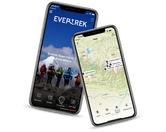

Trek Planning Tools
Get access to our mobile app with maps & countdown.
PLUS Get a FREE training plan from The Altitude Centre
Book now and you can get a FREE consultation & training plan from The Altitude Centre!
Download the full Trip Guide
Find out all of the awesome details about the trip and download the full guide and walkthrough right here.
Download the full Trip Guide
Find out all of the awesome details about the trip and download the full guide and walkthrough right here.

Sustainable Tourism
Because we only use local guiding teams it ensures your trip directly benefits the local mountain communities.
Trip Highlights
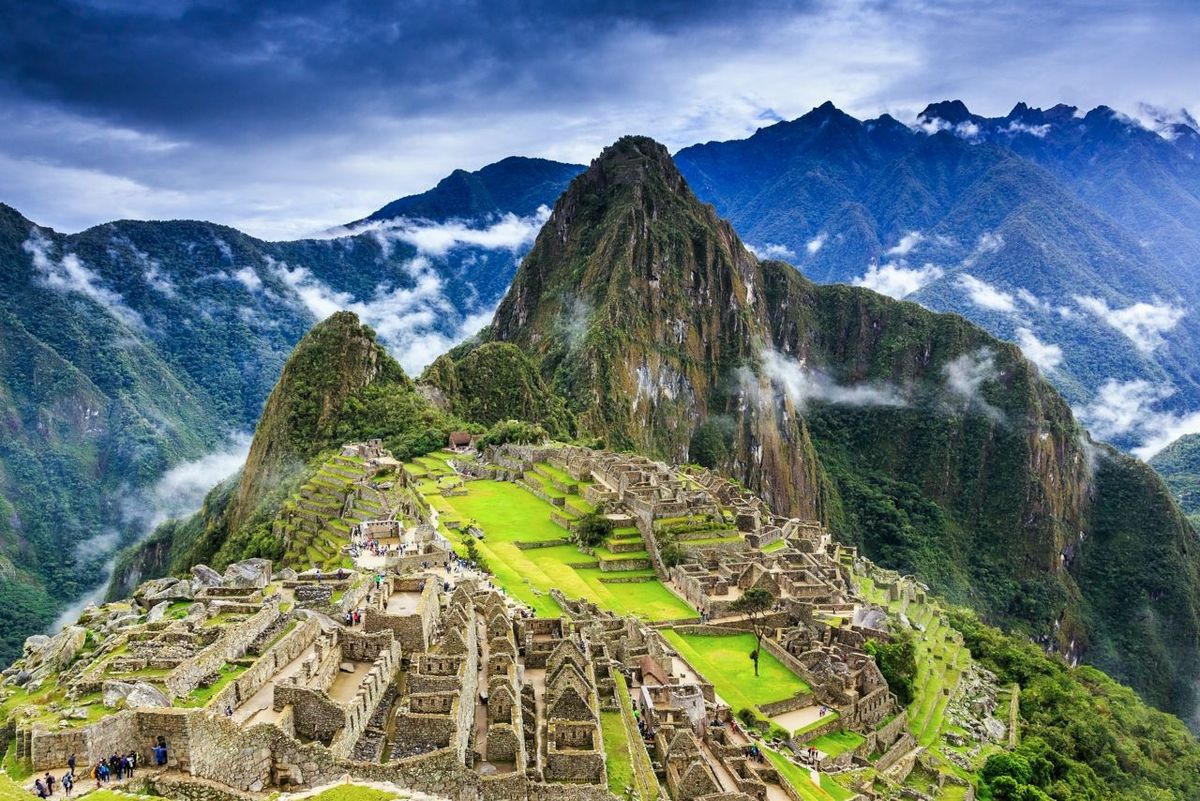
Bucket List Adventure - Experience one of the most iconic and sought-after treks in the world, leading to the UNESCO World Heritage Site.
Follow the legendary Inca Trail, the only route that lets you trek directly into the ancient citadel of Machu Picchu.
Walk in the footsteps of the Inca civilization, through cloud forests, high mountain passes, and hidden ruins, revealing the secrets of the Inca Empire.
Discover rarely-seen Inca ruins along the trail, only accessible to those who hike this historic route.
Take on the challenge of Dead Woman’s Pass (4,215m), the highest point of the trek, with breathtaking Andean views.
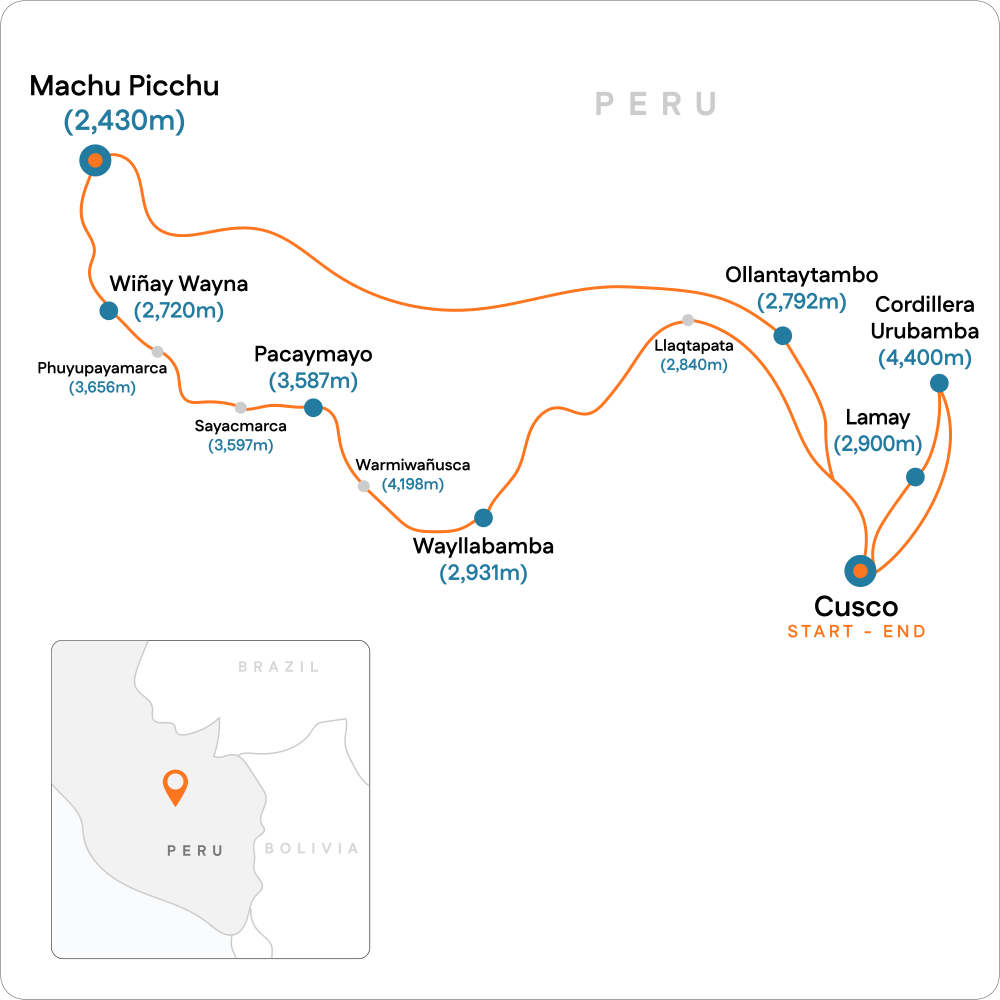
9-Day Machu Picchu via the Inca Trail - The Way of the Incas Itinerary
Welcome to Peru - Let the adventure begin!
Upon arrival at Cusco airport, one of our friendly team members will be there to transfer you to your hotel. Here, you'll meet your fellow adventurers throughout the day, all just as excited to hit the trails as you are!
Depending on your flight time, today is a great opportunity to start exploring this vibrant city. Take a stroll through San Pedro Market, where local life buzzes with colour, activity, and photo-worthy moments. Or head to San Blas, Cusco’s historic and artistic district, with its steep cobbled streets, whitewashed colonial houses, and walls of ancient Incan stone. You can visit the iconic 12-Angled Stone, Plaza de Armas, and the revered Qorikancha (Temple of the Sun) - once the most important temple in the Incan Empire.
There’s plenty to discover at your own pace, but don’t worry if time is tight; tomorrow’s guided city tour will ensure you don’t miss the highlights!
This evening, you’ll meet your guide and group for a welcome briefing and dinner - a great chance to get to know each other and run through the exciting days ahead.
Then, kick back and relax - you’re in Cusco now, and the adventure is just getting started.
Accommodation: Hotel in Cusco (Tikka Wasi or similar)
Time to Discover magical Cusco!
Today you’ll dive into the rich history of this enchanting city, shaped by both Incan roots and colonial influence. Your half-day tour begins in Cusco’s main square, once known as Huacaypata (Warriors’ Square) during Incan times.
As your guide brings the past to life, you’ll take in the impressive Cusco Cathedral, built between 1560 and 1664 using striking red granite stones taken from the ancient Inca Fortress of Sacsayhuamán. It’s the perfect introduction to the city’s fascinating blend of cultures and stories.
The Cusco Cathedral is undoubtedly one of the city’s most awe-inspiring landmarks, not just for its striking façade, but for the treasures it holds inside. It houses one of the most important collections of colonial-era gold and silver artwork, offering a glimpse into the city's opulent past.
From there, you’ll head to the Koricancha - once the most revered temple in the Inca Empire, now partially overlaid by the Convent of Santo Domingo. This sacred site was once covered in gold to honour the Sun God, and its ancient stones still reflect the glory of the Inca Empire. As you stroll through the historic streets it truly feels like stepping back in time.
After soaking up the energy of Cusco, it’s time to explore the incredible Incan ruins just beyond the city.
You’ll visit the mighty Sacsayhuaman Fortress, famous for its colossal stone walls. These “Living Stones” were crafted so precisely, without any mortar, that not even a sheet of paper can slide between them. It’s one of the great mysteries of the Incan world.
You will also explore the reddish ruins of Puca Pucara, the ceremonial site of Qenko, and Tambomachay, also known as the Inca baths.
This is your chance to dive deeper into the rich culture and history of the Incas while exploring the true heart of Cusco. Trust us - you’ll be buzzing with stories by the end of the day, and you’ll need to tear yourself away from chatting just to make it to bed!
Today’s a real highlight as we kick off our first trek of the adventure, straight into the Andes to explore the hidden gem of Huchuy Qosqo, meaning “Little Cusco” in the Quechua language.
We'll trek from 3,750m up to 4,400m, before heading back down to Cusco in the evening. This route follows the trusted “hike high, sleep low” acclimatisation strategy we use at EverTrek, it’s a game-changer for helping your body adjust to altitude.
This breathtaking trek is only accessible on foot and takes you through a remote corner of the Sacred Valley, surrounded by jaw-dropping views of the snow-capped Cordillera Urubamba mountains. You’ll hike for 6–7 hours, crossing mountain passes, shimmering lakes, quiet local villages, and open plains. All far off the beaten path.
Once we reach the highest point at 4,400m, the descent is absolutely epic. You’ll follow a restored section of ancient Inca trail through a dramatic canyon, crossing streams via rustic bridges before arriving at a rarely visited Incan site tucked into the hillside.
We’ll take a breather under the shade of Queñua trees (Andean oak), grab some lunch, then continue down a zigzagging path for about 2 more hours to Lamay (2,900m), where our ride back to Cusco awaits.
All in all this is an unforgettable day in the Andes and the perfect way to acclimatise for the journey ahead!
Accommodation: Hotel in Cusco (Tikka Wasi or similar)
The Adventure Begins!
We’ll rise early and set off with breakfast on the move, heading out on a breathtaking drive through the Sacred Valley of the Incas. As we cross the bridge and step onto the trail, the real journey begins. Welcome to the legendary Inca Trail!
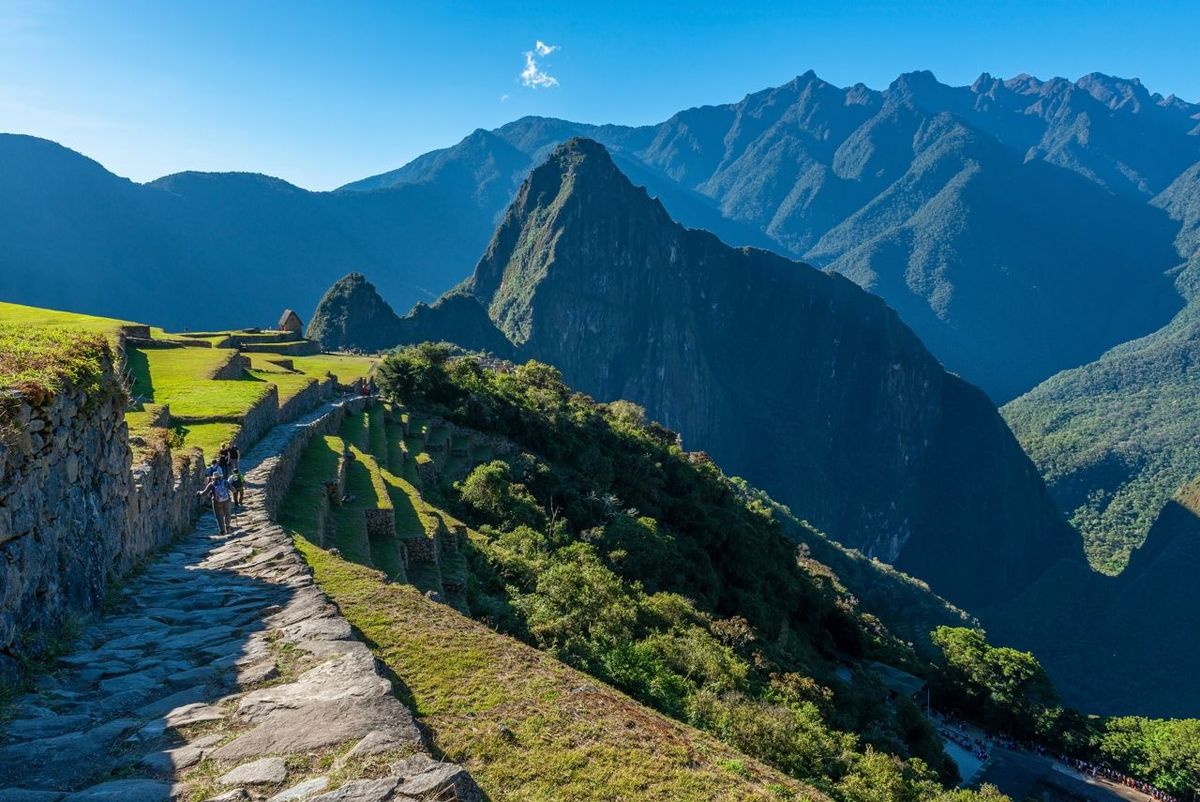
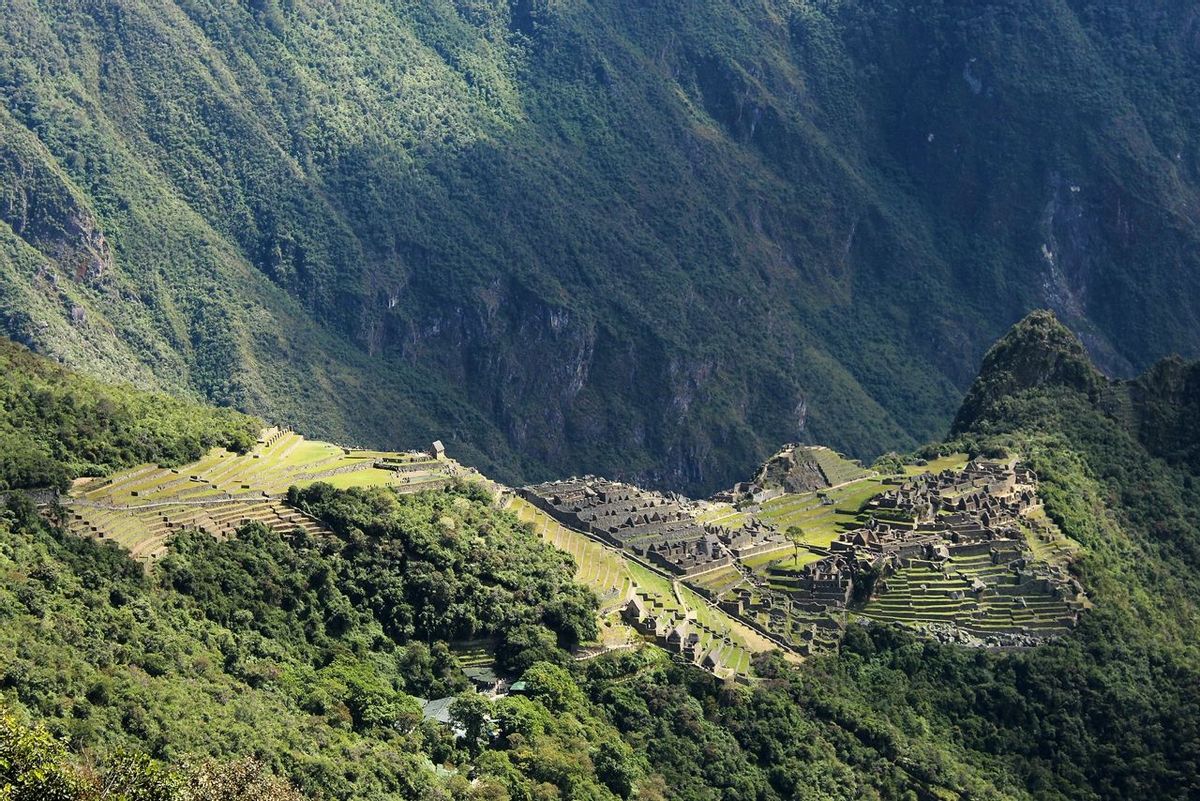
Today’s trek follows the winding path along the Urubamba River, passing ancient Incan terraces carved into the landscape, with dramatic mountain peaks towering above. The pace is steady as we ascend, eventually reaching our first highlight: the stunning archaeological site of Llaqtapata.
We'll pause here to take in the views and delve into the fascinating history of this ancient settlement, once a key stop for Inca travellers.
From there, we continue onward to Wayllabamba, the final inhabited village along the trail and our first overnight campsite, a peaceful spot to rest up for the adventure ahead.
Ascent: 275 m / Highest altitude: 2931 m / Distance: 11 Km / Activity duration: 6 hrs
Accommodation: Tent
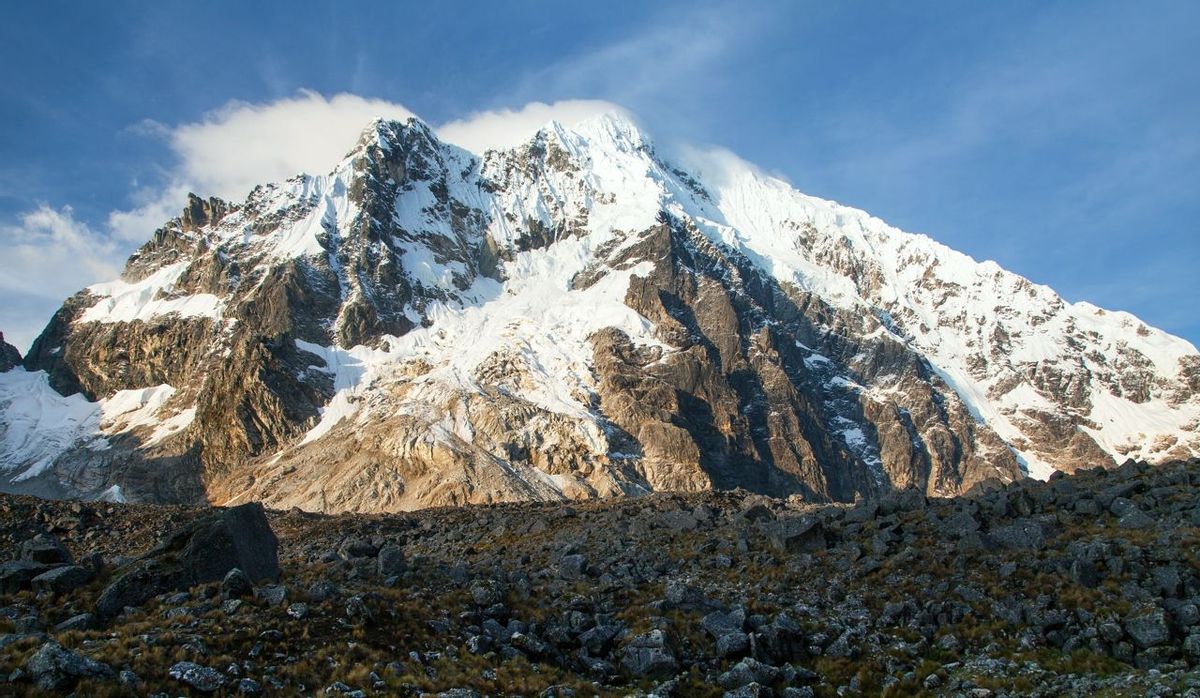
We start early as we climb the steep section and path to Warmiwañusca (aka Dead Woman's Pass 4215m)
We’ll set off bright and early today to tackle one of the most challenging and rewarding sections of the Inca Trail: the climb to Warmiwañusca, famously known as Dead Woman’s Pass.
This is the highest point on the trek, sitting at 4125m. The ascent takes us along a steep and open trail with dramatic mountain cliffs rising around us. The ancient Inca stone steps carved into the mountainside are both impressive and humbling.
Reaching the summit is a real achievement, and once you’re standing on the pass, you'll be rewarded with jaw-dropping panoramic views across the snow-dusted peaks of the Huayanay Range. It’s a moment you won’t forget.
From here, we descend into the Pacaymayo Valley, where our camp awaits. We plan to arrive by early afternoon, giving you plenty of time to relax, soak in the scenery, and recharge for another epic day on the trail tomorrow.
Ascent: 1263 m / Descent: 607 m / Highest altitude: 4194 m / Distance: 10 Km / Activity duration: 7 hrs
Accommodation: Tent
Inca Ruins, Cloud Forest & Epic Passes
Another early start today as we continue deeper into the Andes, climbing a steep stone stairway toward our first stop: the Inca ruins of Runkuracay. Soon after, we reach the Runkuracay Pass (3,954 m), where sweeping views unfold over rugged mountains and deep valleys. This is a perfect spot to pause, breathe it all in, and snap a few unforgettable shots.
From here, the trail descends to the striking ruins of Sayacmarca or the "Inaccessible Town" (3,597 m), dramatically perched on a rocky promontory. With its maze-like layout of terraces, ceremonial plazas, and irrigation channels, it's a fascinating glimpse into Inca ingenuity.
As we continue, the path begins to feel even more magical. You'll follow ancient granite paving stones through lush forest and high-altitude ridgelines; the craftsmanship and setting of this stone highway are truly awe-inspiring.
Next, we reach our third and final pass of the day, Phuyupatamarca (3,656 m), which translates to "Town in the Clouds". You’ll understand the name as mists curl over the ridges and the sky feels just an arm’s reach away.
From here, it’s a scenic descent down a final Inca staircase to our camp for the night: Wiñay Wayna (2,720 m), meaning “Forever Young”. This is one of the most beautiful and expansive sites along the trail, perfect for a peaceful wander before dinner and an early night.
Tomorrow, we reach Machu Picchu, so rest up!
Ascent to Runkuracay pass: 367 m / Descent to Sayacmarca: 357 m / Ascent to Phuyupayamarca: 59 m / Descent to Wiñay Wayna: 975 m / Highest altitude: 3,954 m / Distance: 11,1 Km / Activity duration: 8 hrs
Accommodation: Tent
Sunrise at the Sun Gate & Exploring Machu Picchu!
Today’s the big one and it starts early. We’ll be up by 3:30am, grabbing a quick bite before beginning our 2–3 hour trek to Intipunku, the iconic Sun Gate.
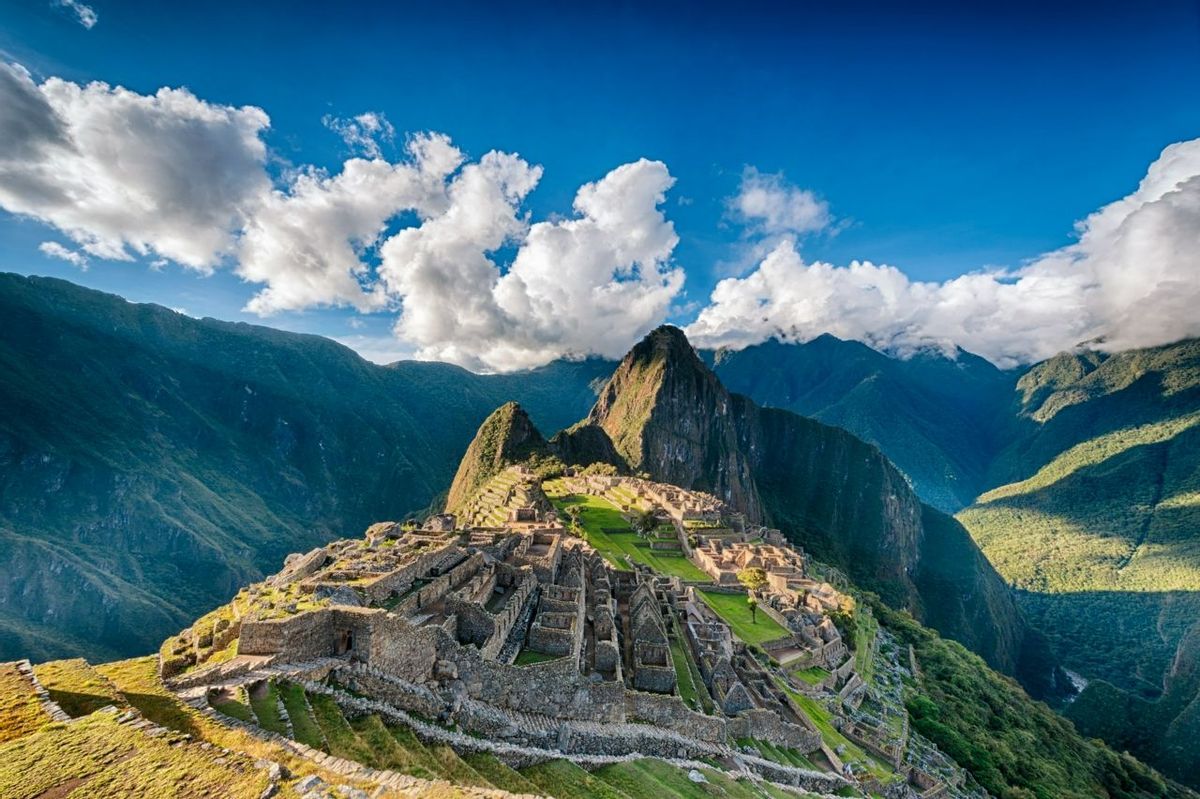
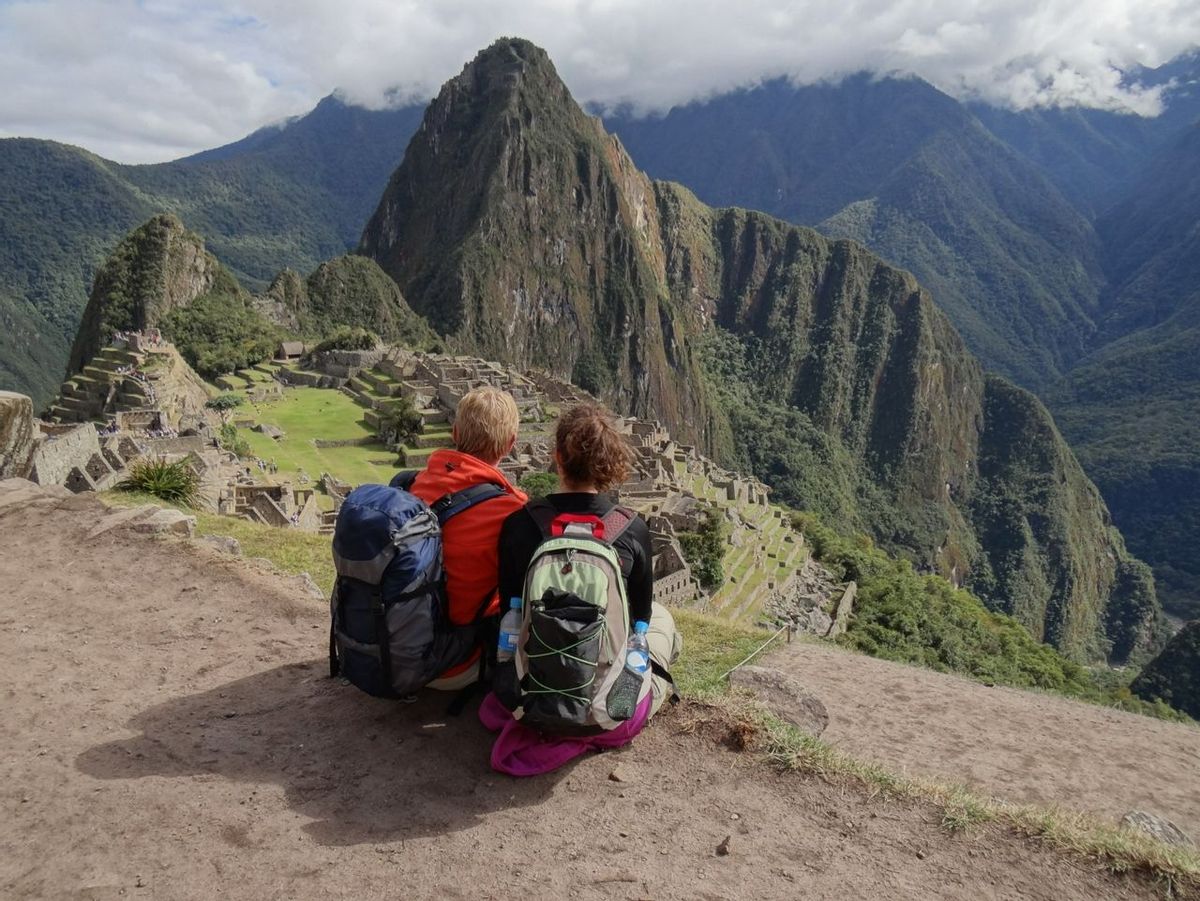
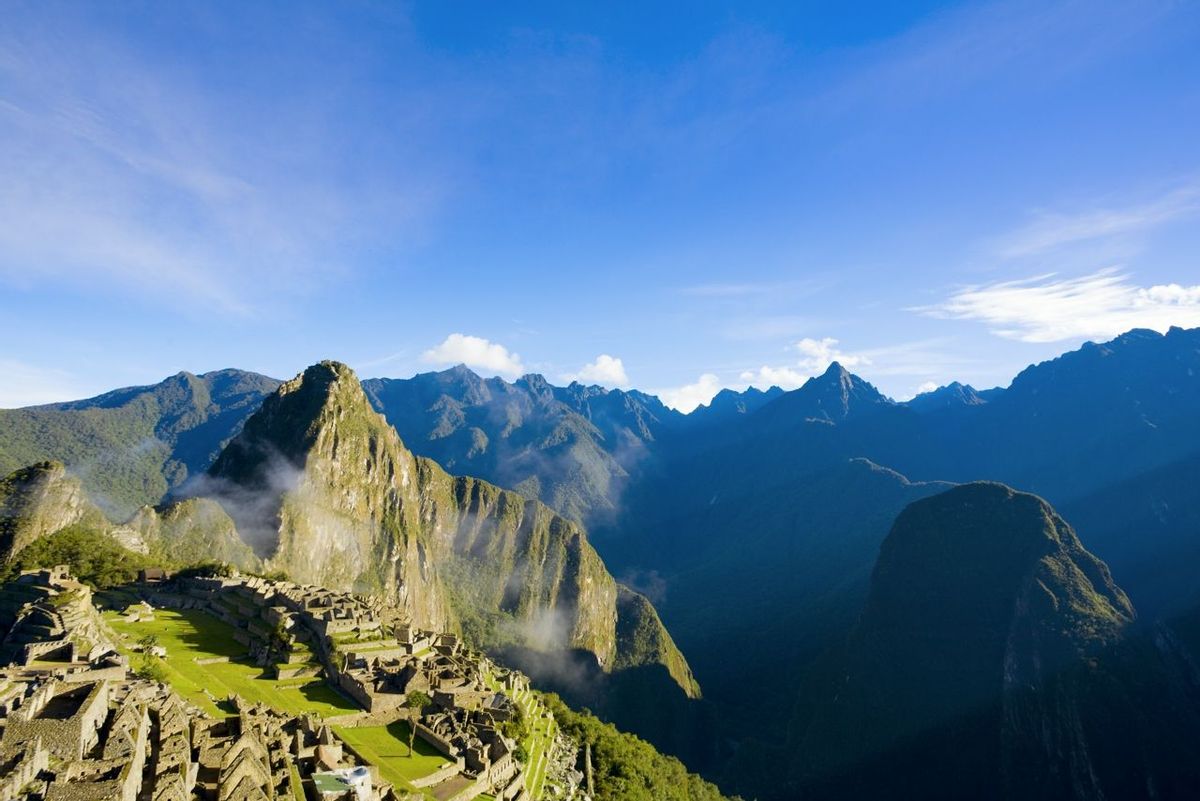
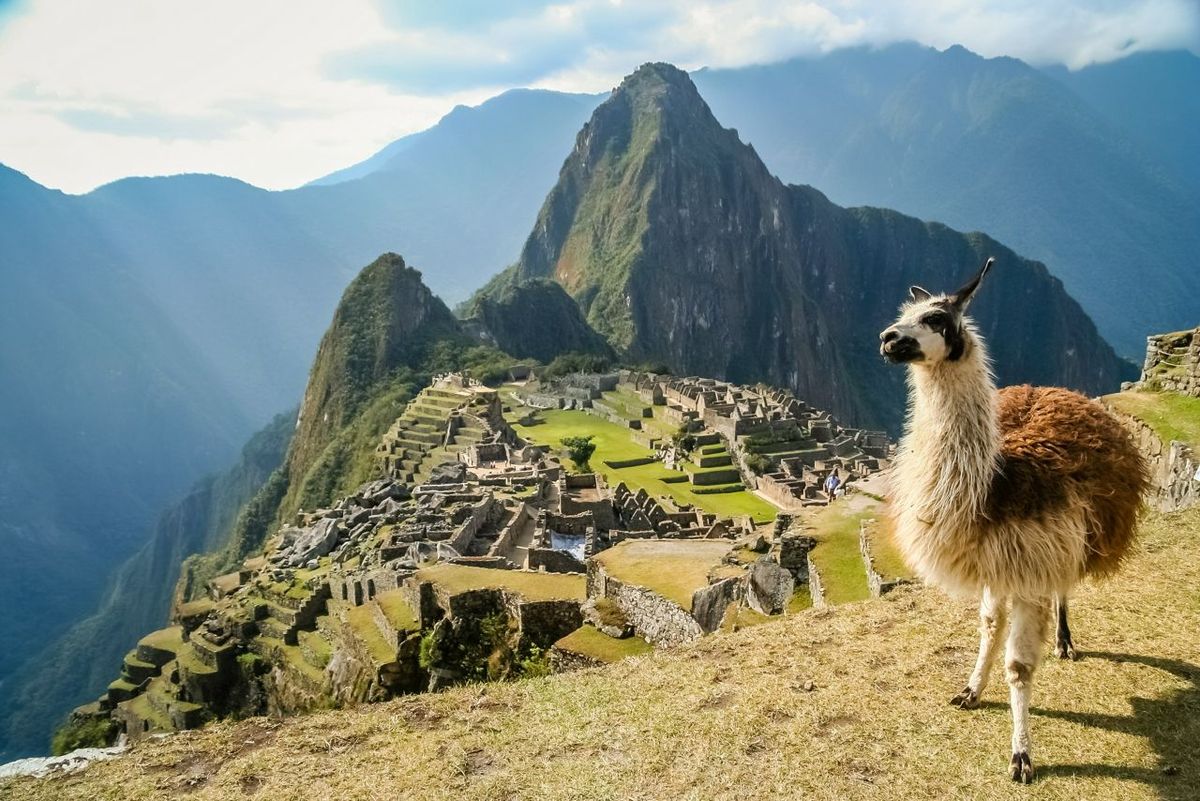
Reaching this spot at sunrise is a moment you'll never forget. This is the classic view you’ve seen in photos, Machu Picchu revealed in all its glory below, bathed in the golden morning light. It’s a truly awe-inspiring way to arrive.
After soaking in the views, we’ll descend into the citadel itself and spend a couple of hours wandering through its ancient walls, courtyards, and temples. Walking in the footsteps of the Inca, it’s hard not to wonder how such a magnificent city was built high in the mountains with no modern tools. It’s a surreal and unforgettable experience.
Following our guided tour, we’ll take a bus down to Aguas Calientes and then hop on a scenic train ride back to Ollantaytambo, where a comfortable hotel stay awaits. What a day. Machu Picchu: check. But don’t be surprised if this place lingers in your thoughts long after - it leaves a mark that only a few places can.
Ascent: 29 m / Descent: 290 m / Highest altitude: 2710 m / Distance: 5 Km / Activity duration: 3 h
Train Ride - 1 1/2 Hours Aguas Calientes to Ollantaytambo.
Accommodation: Hotel in Ollantaytambo
After a hearty breakfast, your guide will meet you at your hotel in Ollantaytambo to begin the day’s adventure in the Sacred Valley.
You’ll explore the impressive Ollantaytambo Ruins, a fantastic place to hike and immerse yourself in Inca history while discovering unique souvenirs along the way.
Next, you'll visit the vibrant Pisac Andean market, where you’ll gain a deeper understanding of local culture and traditions. Enjoy the colourful traditional clothing worn by villagers from the surrounding areas, making this market a lively and authentic experience that draws visitors from far and wide.
In the evening, you’ll return to Cusco for your overnight stay.
Accommodation: Hotel in Cusco (Tikka Wasi or similar)
The adventure is over but the memories will last a lifetime. On this day, we will transfer you back to Cusco airport for your homeward journey.
Want to extend your adventure?
Once your trek is finished, why not add on our 2 day Rainbow Mountain Extension?
Want to read more about this incredible extension? View the full itinerary here!
Or if you’re looking for something more relaxing, try the serene and awe-inspiring Lake Titicaca extension.
Want to read more about this incredible extension? View the full itinerary here!
Departure Dates & Prices
Saturday 07th November 2026 –
Sunday 15th November 2026
$2,850pp
 Available
Saturday 03rd April 2027 –
Sunday 11th April 2027
$2,950pp
OR $917 / 3 months
Available
Saturday 17th April 2027 –
Sunday 25th April 2027
$2,950pp
OR $917 / 3 months
Available
Saturday 15th May 2027 –
Sunday 23rd May 2027
$2,950pp
OR $688 / 4 months
Available
Saturday 22nd May 2027 –
Sunday 30th May 2027
$2,950pp
OR $688 / 4 months
Available
Saturday 12th June 2027 –
Sunday 20th June 2027
$2,950pp
OR $550 / 5 months
Available
Saturday 26th June 2027 –
Sunday 04th July 2027
$2,950pp
OR $550 / 5 months
Available
Saturday 10th July 2027 –
Sunday 18th July 2027
$2,950pp
OR $459 / 6 months
Available
Saturday 24th July 2027 –
Sunday 01st August 2027
$2,950pp
OR $459 / 6 months
Available
Saturday 14th August 2027 –
Sunday 22nd August 2027
$2,950pp
OR $393 / 7 months
Available
Saturday 28th August 2027 –
Sunday 05th September 2027
$2,950pp
OR $393 / 7 months
Available
Saturday 11th September 2027 –
Sunday 19th September 2027
$2,950pp
OR $344 / 8 months
Available
Saturday 18th September 2027 –
Sunday 26th September 2027
$2,950pp
OR $344 / 8 months
Available
Saturday 02nd October 2027 –
Sunday 10th October 2027
$2,950pp
OR $306 / 9 months
Available
Saturday 16th October 2027 –
Sunday 24th October 2027
$2,950pp
OR $306 / 9 months
Available
Saturday 06th November 2027 –
Sunday 14th November 2027
$2,950pp
OR $275 / 10 months
Available
Saturday 15th April 2028 –
Sunday 23rd April 2028
$3,100pp
OR $194 / 15 months
Available
Saturday 13th May 2028 –
Sunday 21st May 2028
$3,100pp
OR $182 / 16 months
Available
Saturday 27th May 2028 –
Sunday 04th June 2028
$3,100pp
OR $182 / 16 months
Available
Saturday 03rd June 2028 –
Sunday 11th June 2028
$3,100pp
OR $171 / 17 months
Available
Saturday 17th June 2028 –
Sunday 25th June 2028
$3,100pp
OR $171 / 17 months
Available
Saturday 08th July 2028 –
Sunday 16th July 2028
$3,100pp
OR $162 / 18 months
Available
Saturday 22nd July 2028 –
Sunday 30th July 2028
$3,100pp
OR $162 / 18 months
Available
Saturday 12th August 2028 –
Sunday 20th August 2028
$3,100pp
OR $162 / 18 months
Available
Saturday 26th August 2028 –
Sunday 03rd September 2028
$3,100pp
OR $162 / 18 months
Available
Saturday 09th September 2028 –
Sunday 17th September 2028
$3,100pp
OR $162 / 18 months
Available
Saturday 23rd September 2028 –
Sunday 01st October 2028
$3,100pp
OR $162 / 18 months
Available
Saturday 07th October 2028 –
Sunday 15th October 2028
$3,100pp
OR $162 / 18 months
Available
Saturday 21st October 2028 –
Sunday 29th October 2028
$3,100pp
OR $162 / 18 months
Available
Saturday 04th November 2028 –
Sunday 12th November 2028
$3,100pp
OR $162 / 18 months
Available


Can't see your preferred date?
Simply click the button below and we will see what we can do.
Enquire nowFood & Accommodation on Your Inca Trail Hike
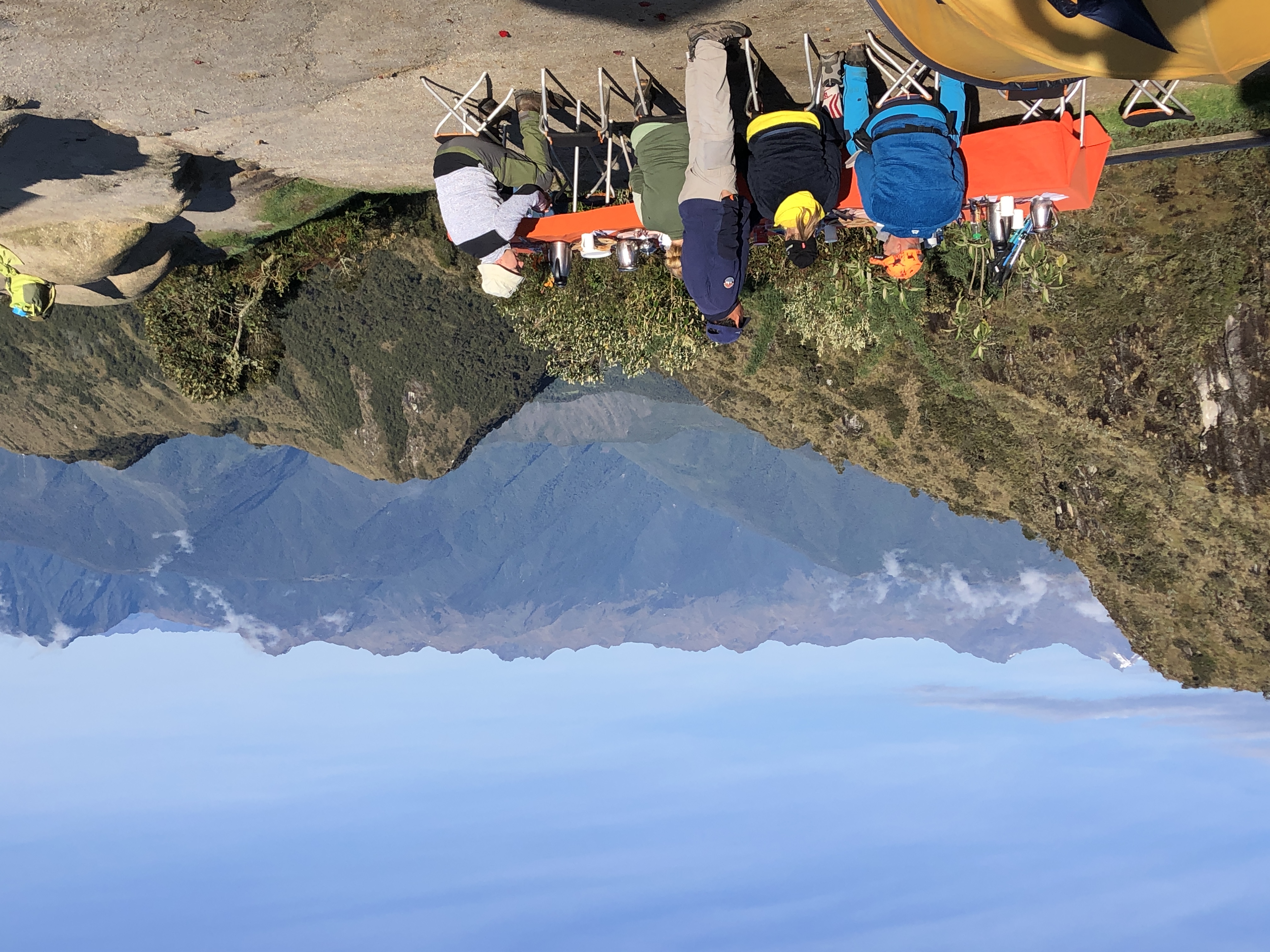
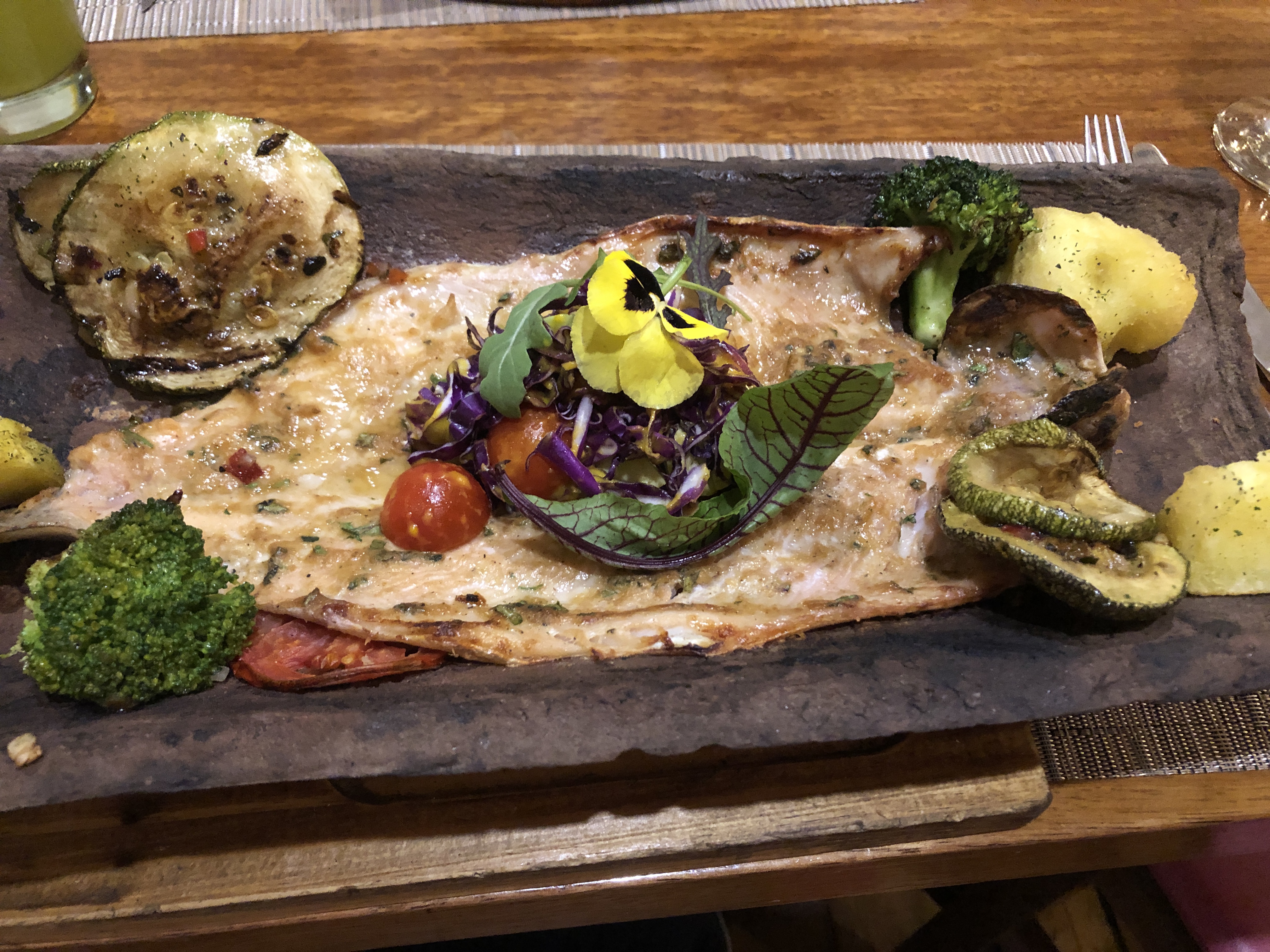
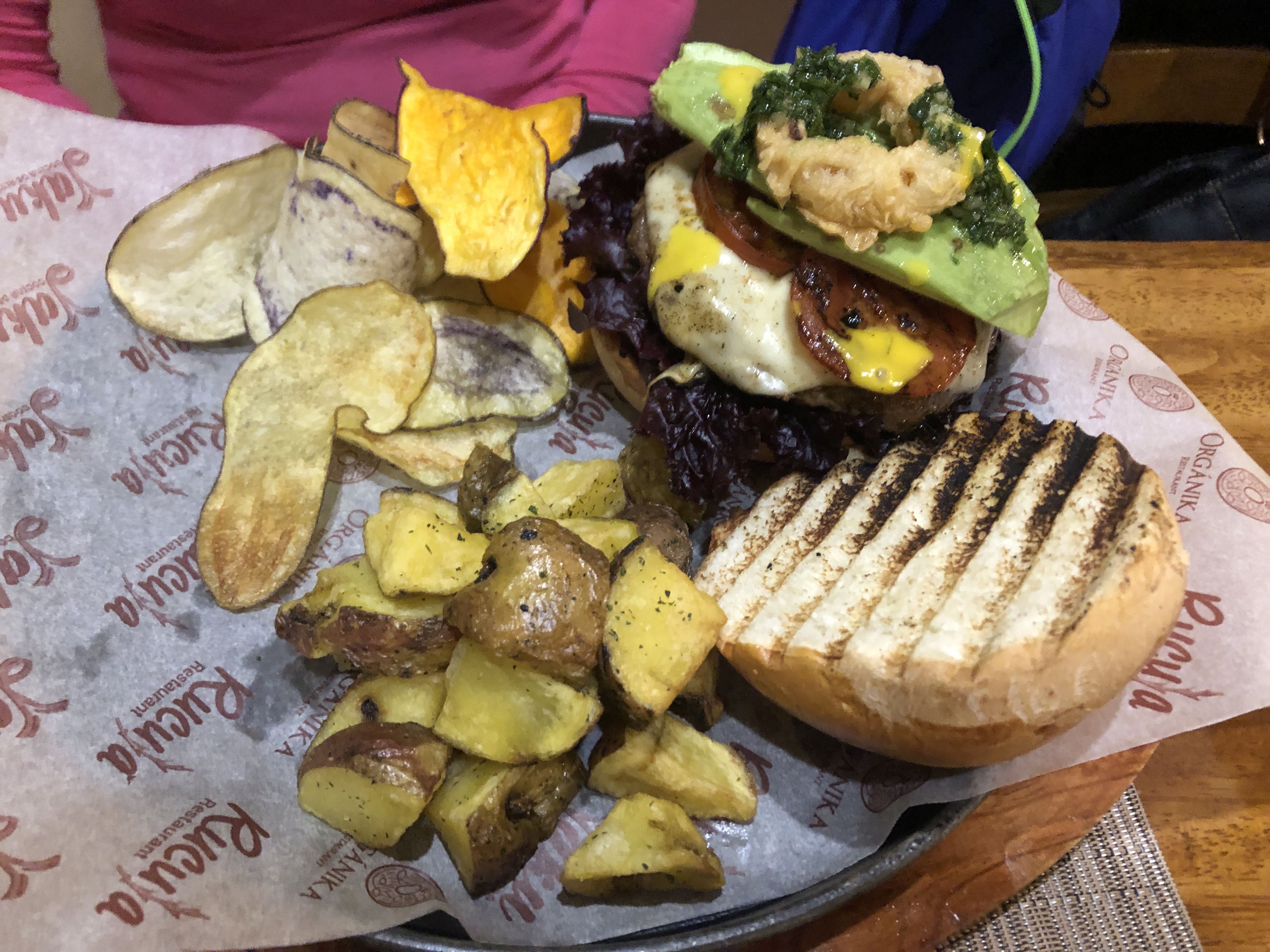
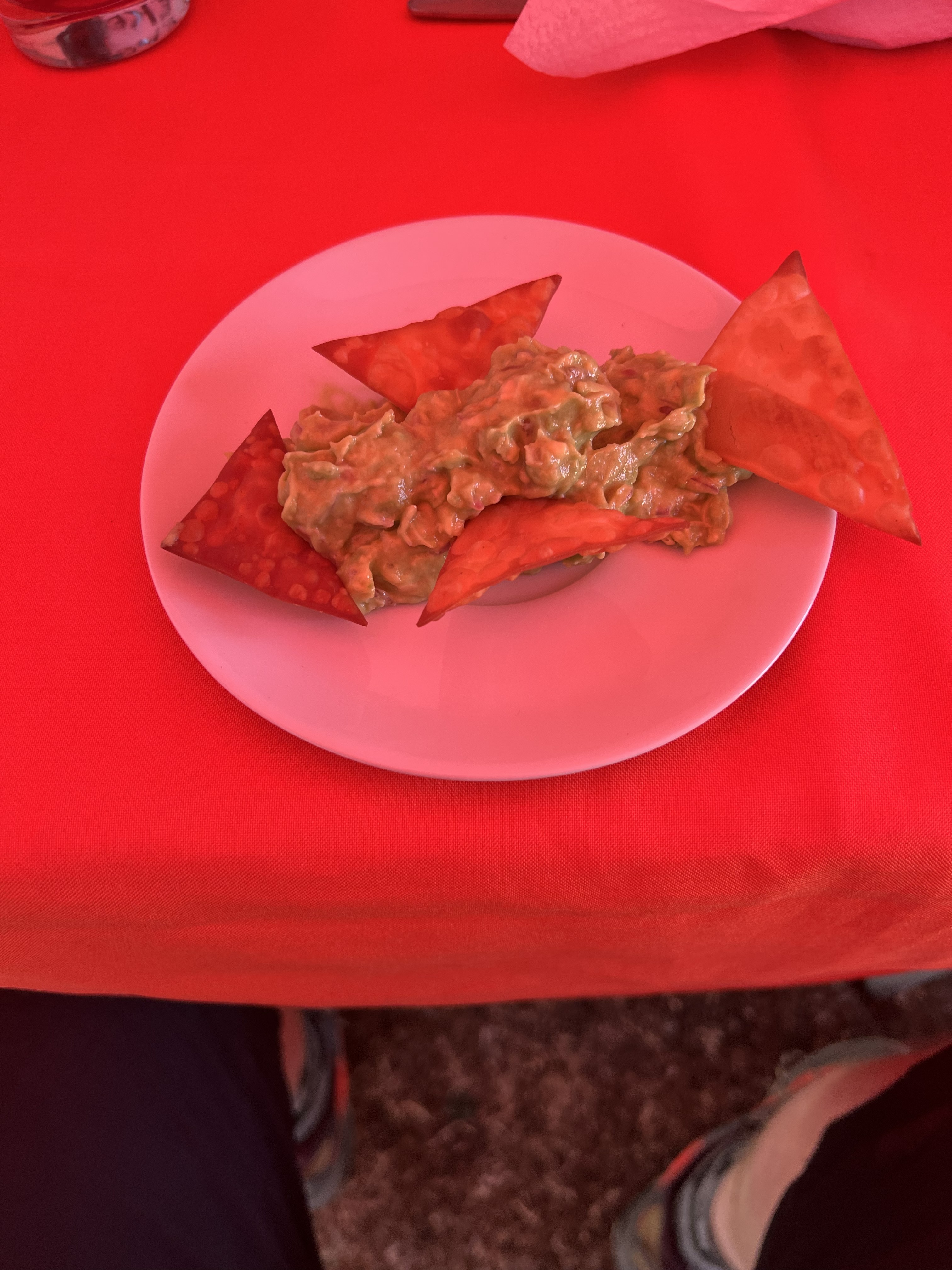
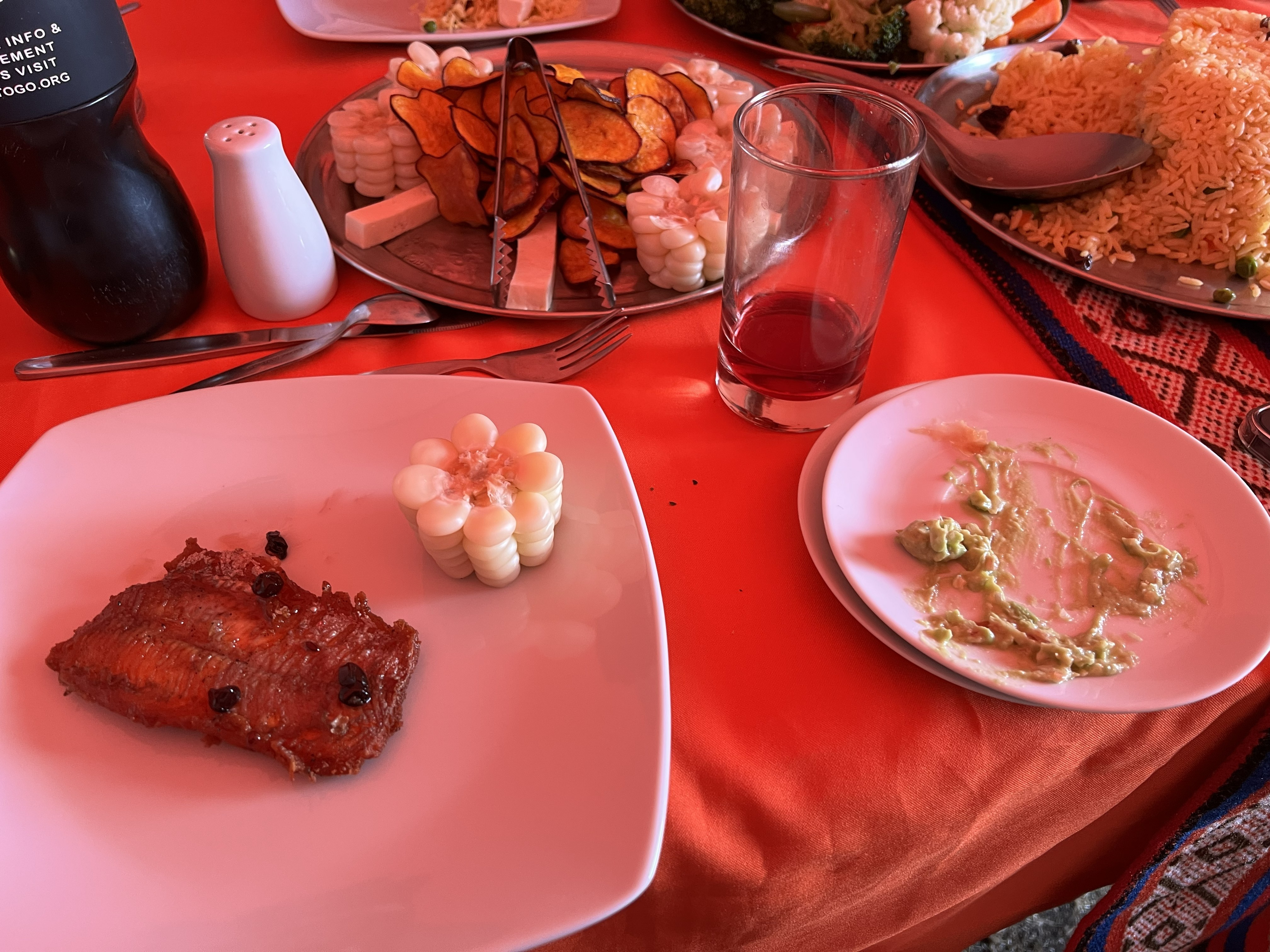
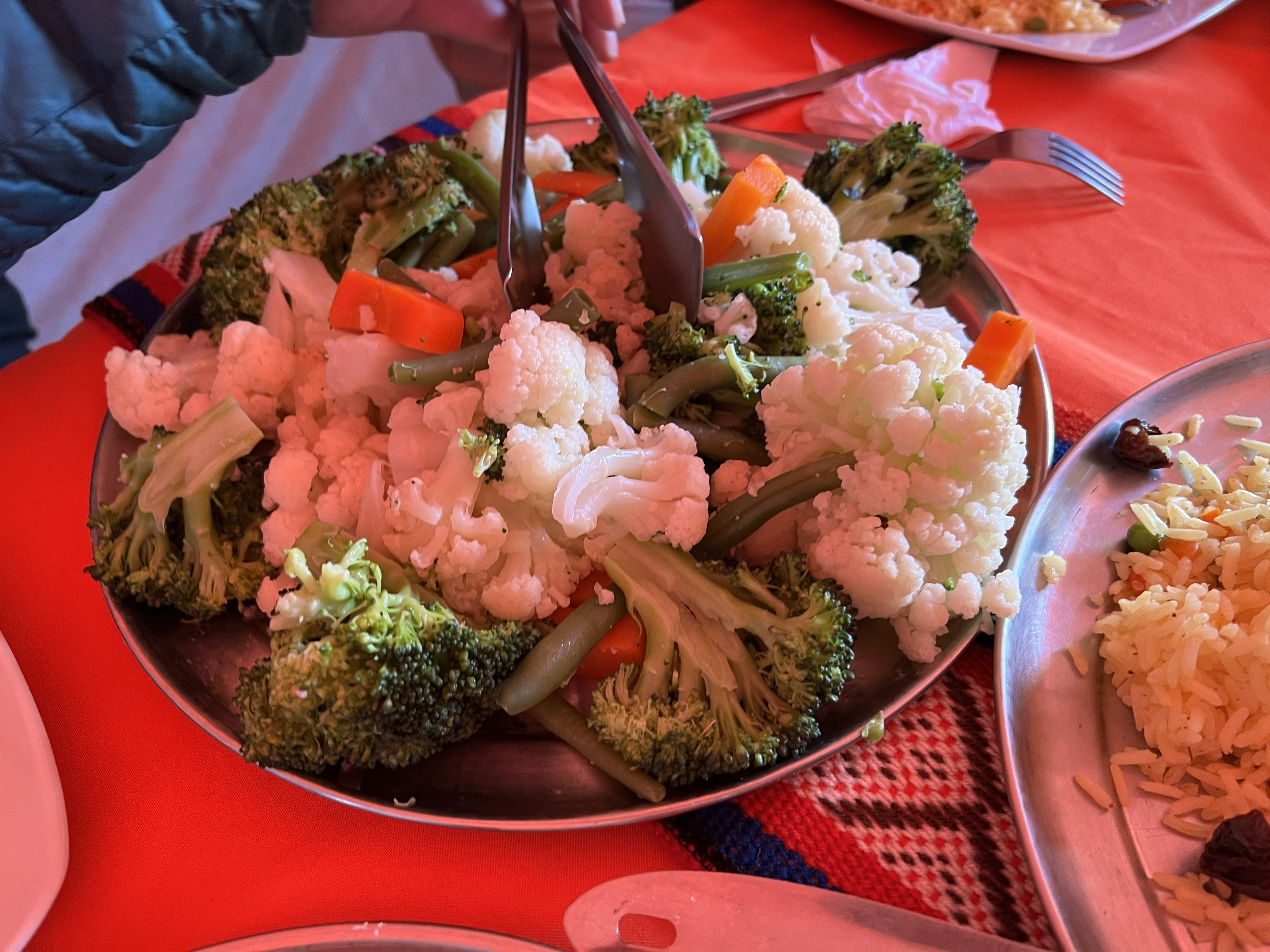
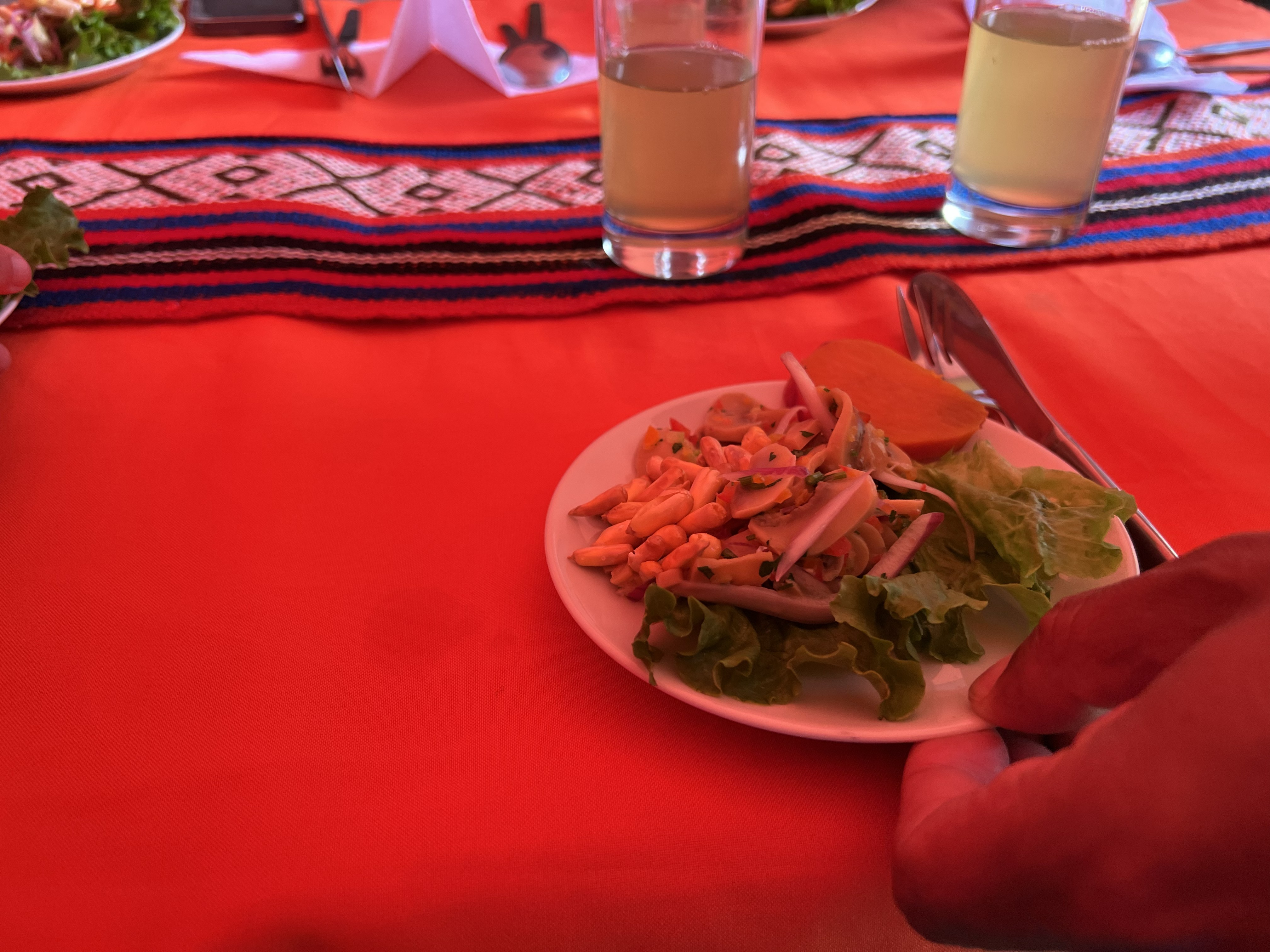
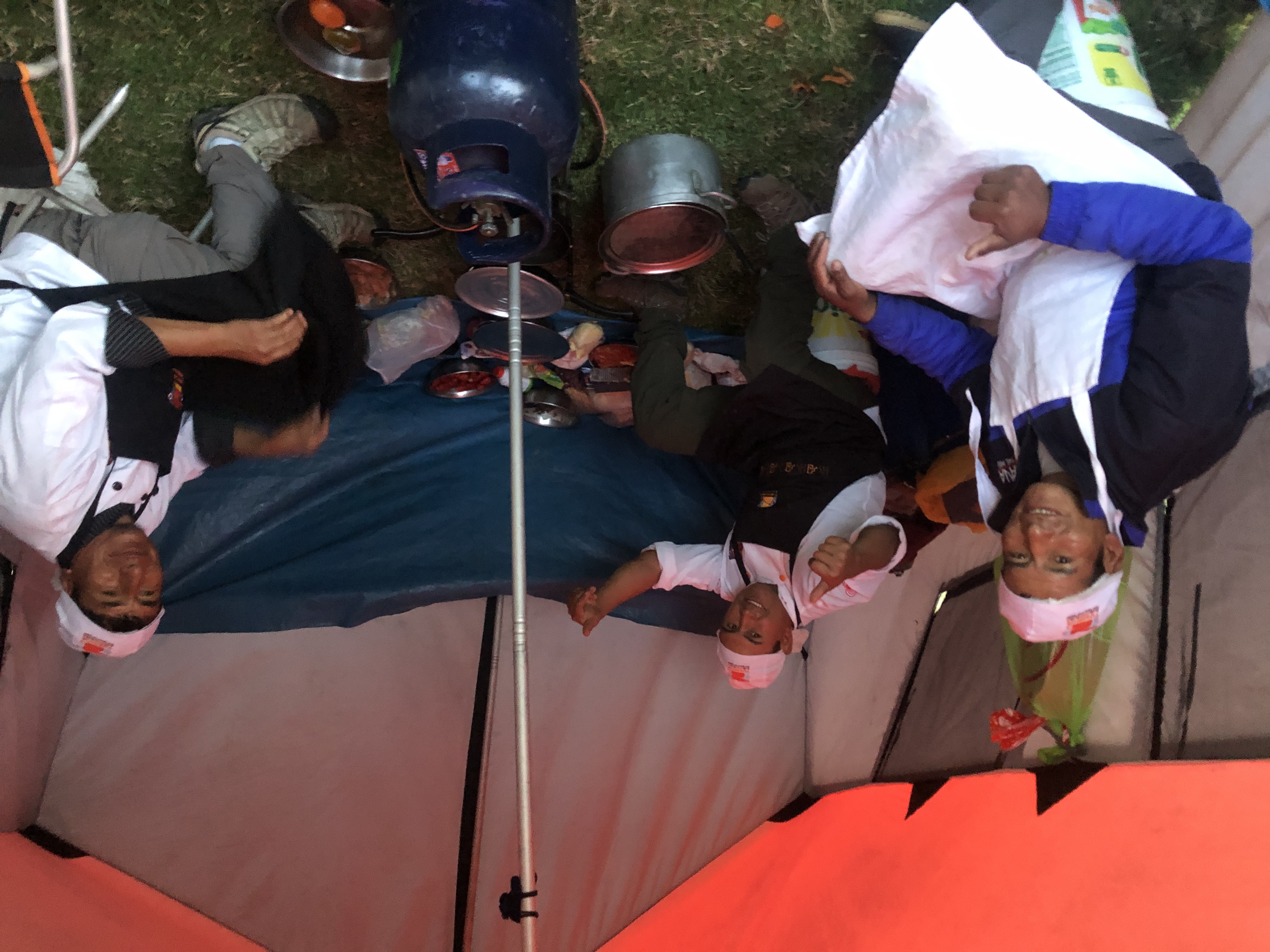
The food on this trek surprises a lot of people - in a good way. You’ll be eating fresh, locally sourced meals cooked by our dedicated camp chefs, and the variety they manage to produce at altitude is genuinely impressive, giving you a full flavour of the wonderful cuisine of Peru.
Accommodation on your Inca Trail trek is a mixture of hotels and tents, ensuring that you are well rested for each day's trekking through the incredible landscape of the Andes Mountains, on your way to one of the New Seven Wonders of the World.
Your Accommodation Overview
- Twin-share rooms/tents
- 3* hotel before & after
- 3 meals daily on trek
- Boiled drinking water provided on trek
Accommodation on your Inca Trail Trek
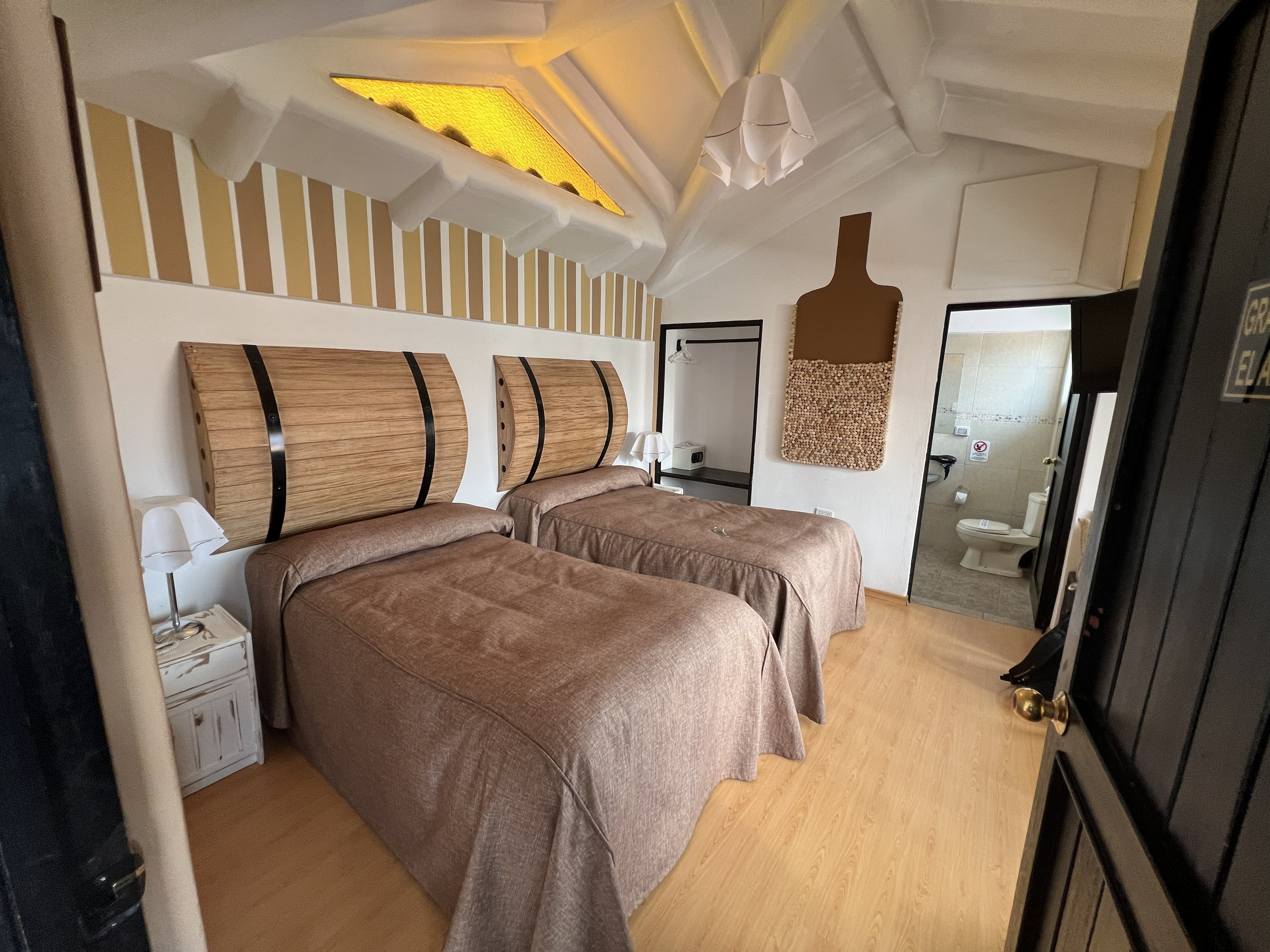
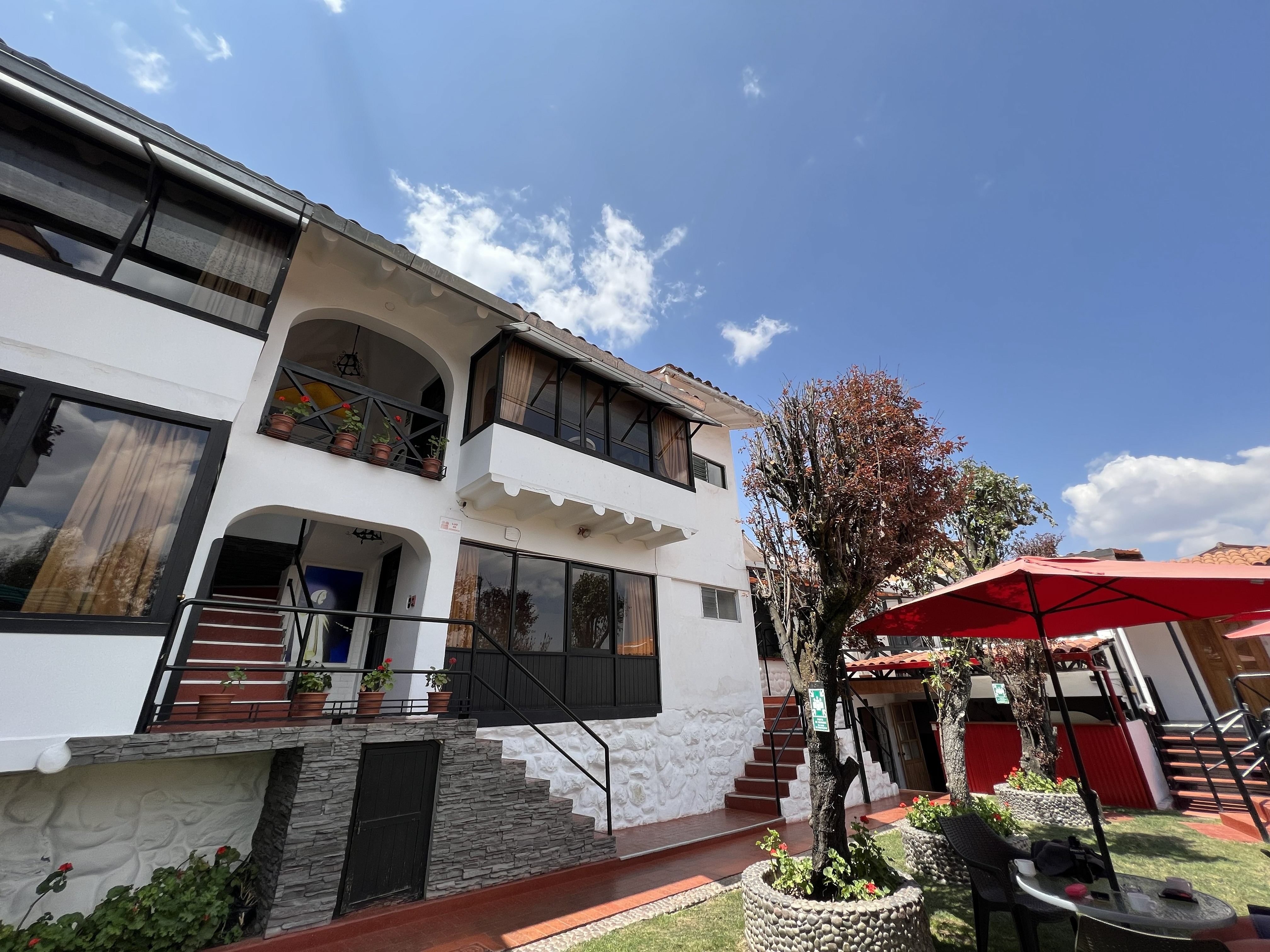
Before and after the trek you'll stay in 3* hotels in Cusco and Ollantaytambo, selected for their location, comfort and amenities. Once out on the trail itself, you'll be resting your head in expedition style tents and campsites along the route.
| Nights | Location | Type | Room Type |
|---|---|---|---|
| 1-3 | Cusco | Hotel | Twin-share, En-Suite |
| 4-6 | Inca Trail | Camping | Twin-share tents |
| 7 | Ollantaytambo | Hotel | Twin-share, En-Suite |
| 8 | Cusco | Hotel | Twin-share, En-Suite |
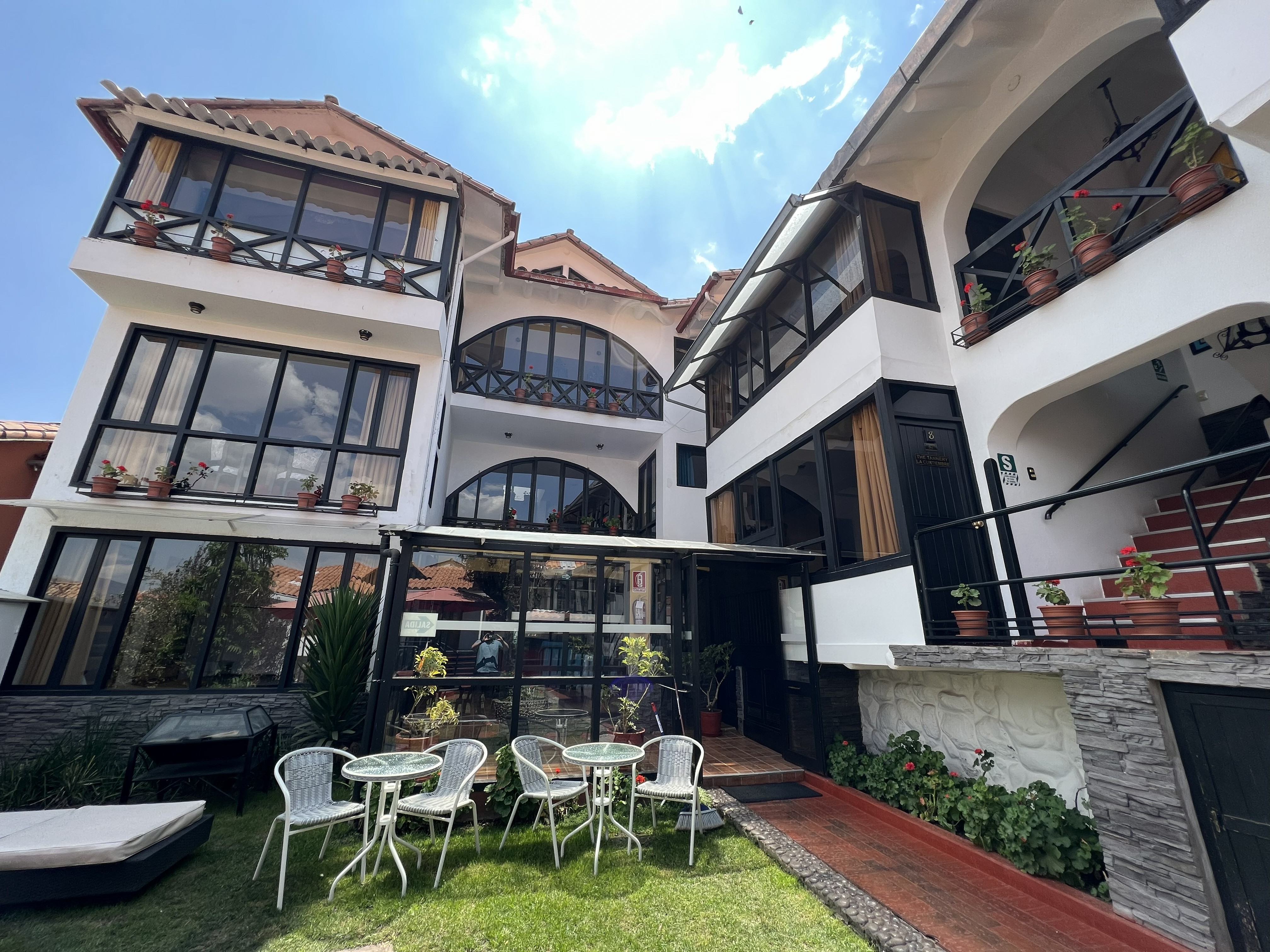
Depending on the size of your group and hotel availability, you will be staying in a hotel in the centre of Cusco. Usually, the hotel is the Tika Wasi Casa Boutique, Hotel Inkarri or the Hotel Nodo.
All of the hotels selected will give you the comfort you need, both before and after your trek. Before your trek, you'll be able to explore Cusco and the surrounding areas, allowing you to acclimatise. After the trek, you'll have all of the comforts you need and it provides a great base if you're planning to add on one of our excursions.
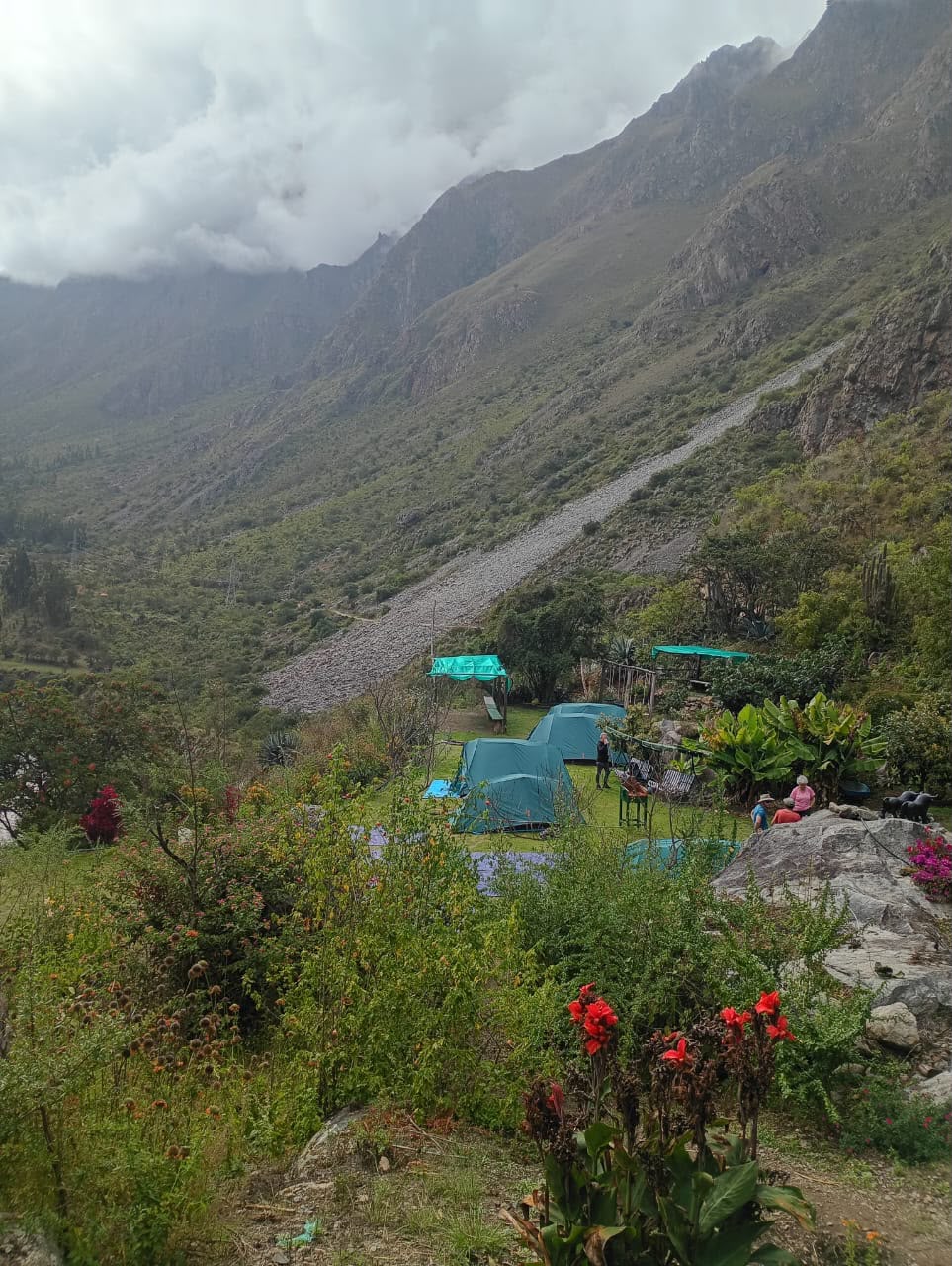
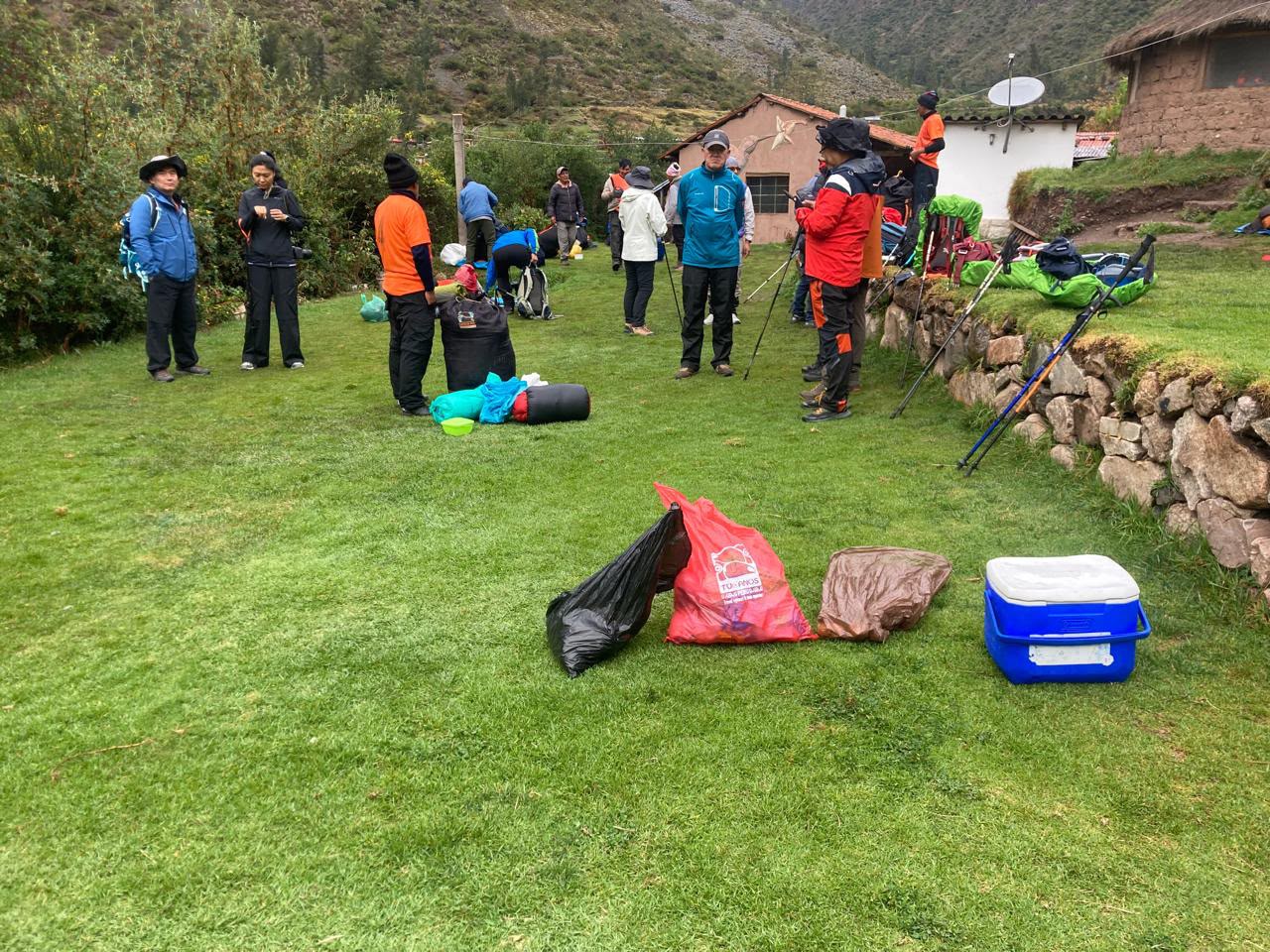
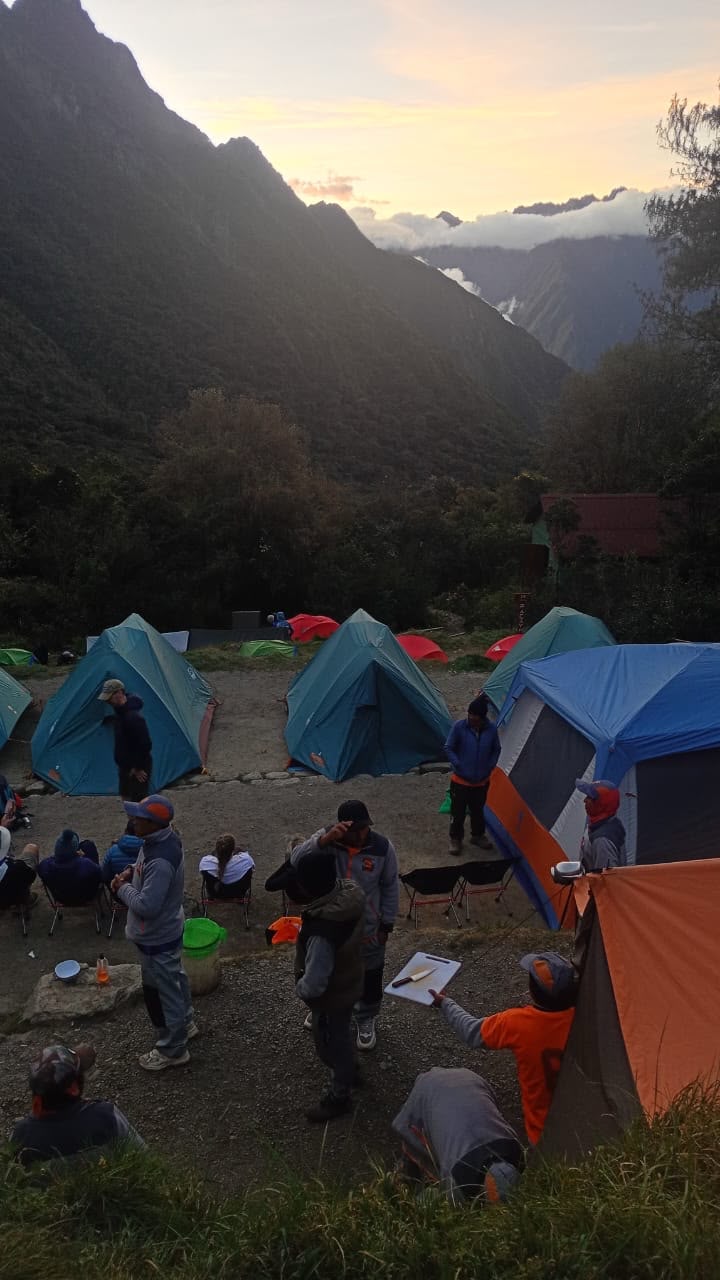
Staying in campsites along the world-famous Inca Trail, our tents are twin-share with comfortable sleeping mats provided free of charge, allowing you to get a good night's rest under the stars, deep in the heart of the Andes. The campsites are basic but part of the adventure of the Inca Trail. Campsites are chosen for their views and location to keep you close to the trail while still feeling immersed in the wild surroundings.
An ancient Incan archaeological village, in the heart of the Sacred Valley, our hotel for the night is perfect for exploring the area and the colourful markets for picking up souvenirs for friends and family back at home. We usually use Tunupa Lodge Hotel.
Camping out on the Inca Trail without lots of home comforts will be something most trekkers aren't used to, but it certainly adds to the experience!
A good quality sleeping bag (these can be rented from our team in Peru), earplugs, inflatable camping pillow and a power bank can make your stay more comfortable.
Embrassing the simplicity of the accommodation is part of the charm of trekking in such a remote and stunning region.
Food on Your Inca Trail Hike
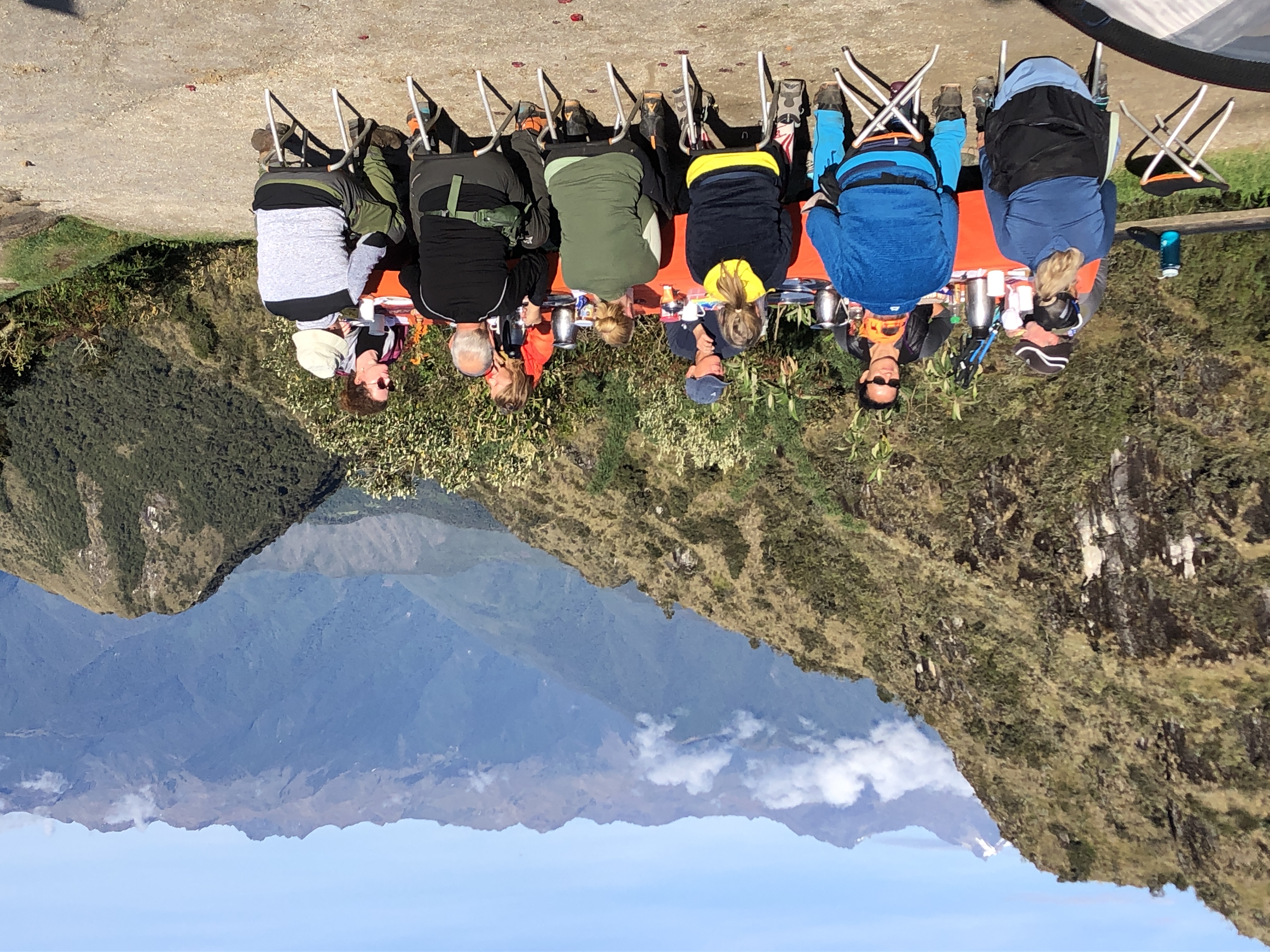
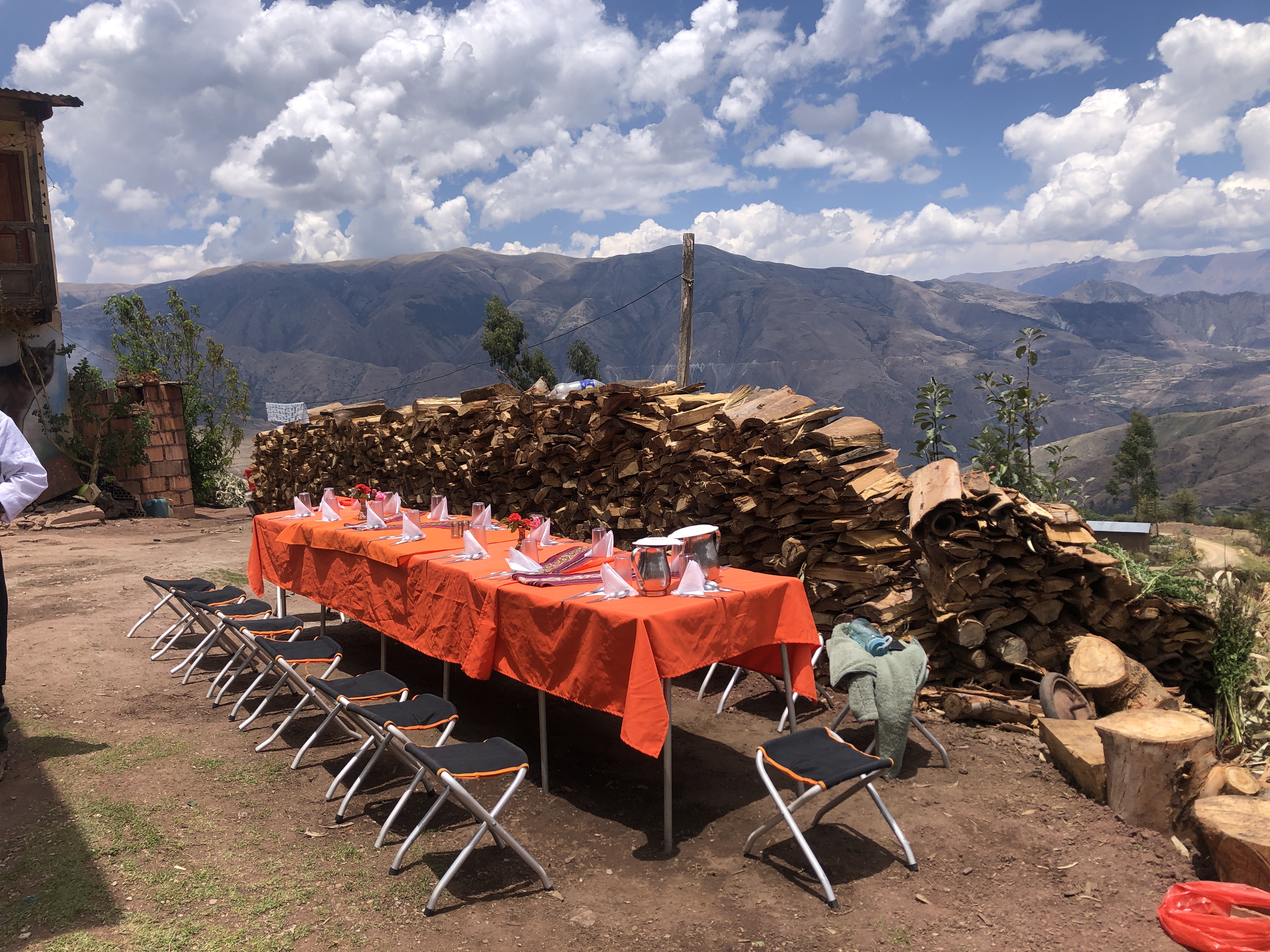
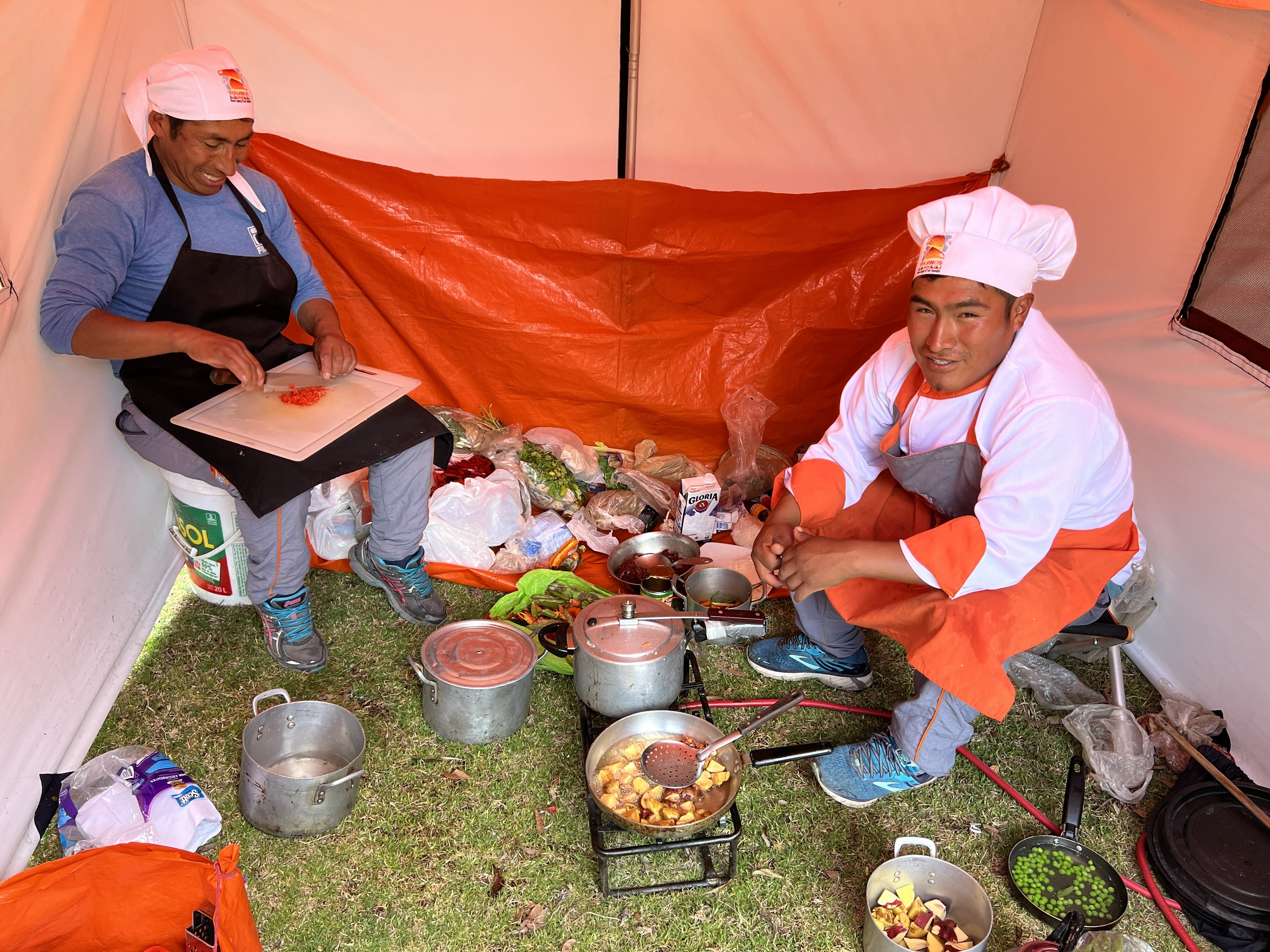
Throughout the trip, meals are freshly prepared to keep your energy high and spirits even higher. While in Cusco and Ollantaytambo, you’ll enjoy breakfasts and evening meals at the hotel or in local restaurants where you can sample some fantastic Peruvian cuisine. Once you’re on the Inca Trail, you’ll be looked after by our experienced cooks who serve up hearty breakfasts, nutritious packed lunches, and three-course dinners each evening at the campsites. Meals are designed to give you the right balance of carbohydrates, proteins, and fats to fuel your trekking days, with plenty of options for vegetarians and special dietary requirements where needed.
| Days | Breakfast | Lunch | Dinner |
|---|---|---|---|
| 1: Cusco (Arrival Day) | |||
| 2: Cusco | |||
| 3: Cusco | |||
| 4-7: Inca Trail Route | |||
| 8: Ollantaytambo/Cusco | |||
| 9: Cusco (Departure Day) |
You can expect foods such as:
- Porridge
- Pancakes
- Scrambled eggs
- Bread
- Jam and fruits.
Plus, there will be hot drinks to get you going for the day.
Lunches can include:
- Rice or quinoa
- Stews with lentils or chicken
- Salads and vegetables
- Fresh fruit for dessert.
You'll be well fed after your day of trekking and enjoy the local cuisine in a stunning setting.
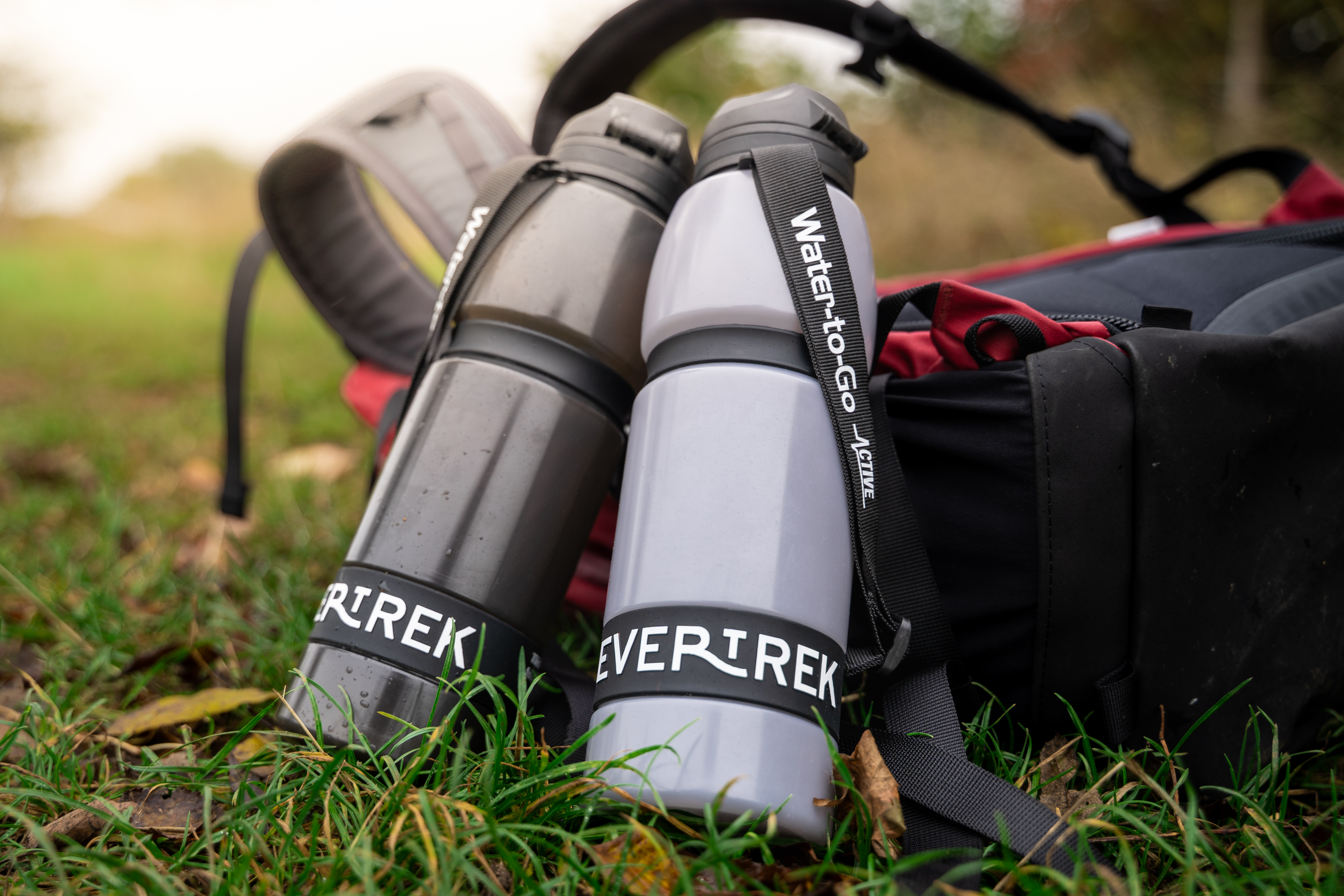
Our team will collect water from streams along the way. This will then be filtered or treated (usually boiled) to ensure it is safe to drink. We’ll provide you with plenty of safe, filtered/treated water daily, so you don't need to worry about buying water, which will add weight to your pack.
You’ll need a refillable water bottle or hydration bladder to make staying hydrated easy during the trekking days. Many of our EverTrekkers find that a combination of both a water bottle and a hydration bladder works well for the Inca Trail. We recommend you test out what works best for you during your training treks so that you know what to expect on the trails.

Difficulty:
Moderate
How challenging is the trek?
The Inca Trail is legendary and not just for where it leads. Over four days, this trail takes you across high mountain passes, through cloud forests and ancient ruins, before finally arriving at Machu Picchu via the Sun Gate.
Now, while it's not the highest trek out there (the max altitude is 4,215m at Dead Woman’s Pass), don’t underestimate it. The Inca Trail is physically demanding thanks to the endless stone steps, big elevation changes, and consecutive days of hiking. It’s a different kind of challenge compared to high-altitude Himalayan treks - more intense leg work, but less time at extreme altitude.
It’s 100% achievable for most fit and prepared trekkers - but it’s not a casual stroll to the ruins.
PLUS Get a FREE training plan from The Altitude Centre
Book now and you can get a FREE consultation & training plan from The Altitude Centre!
Pre-Trek Fitness Prep
To get ready for the Inca Trail, you should be able to:
- Hike for 5 to 7 hours a day with a 6 to 8kg daypack
- Climb 1,000m of elevation gain, including steep and uneven stone steps
- Handle multi-day hikes with consistent pace and no full rest days
- Build up leg strength, cardio endurance, and ideally do some stair training
If you haven’t trekked at altitude before, this is a great place to start, just make sure you do the training. It’s not Everest, but it’s no picnic either.
What to expect on the trek
Altitude Challenges
The highest point is Dead Woman’s Pass at 4,215m, which you'll reach on Day 2 the toughest day by far. While this isn’t high compared to Himalayan peaks, it’s still enough to feel the effects of thinner air: shortness of breath, fatigue, and a slower pace.
The good news? You don’t stay that high for long, and the rest of the trek gradually descends toward Machu Picchu.
Duration
The classic trek takes 4 days, with a 5th day for your visit to Machu Picchu. Most trekking days involve 5 to 7 hours of walking, with one much longer day depending on your route and camp locations.
Permits are limited and fixed to specific campsites, so the pace is usually steady but consistent.
Terrain
The trail is famously paved with original Inca stonework and that means lots and lots of steps. Expect:
- Stone staircases up and down, sometimes very steep and uneven
- Narrow mountain trails with big views and occasional drops
- No technical sections, just a tough, sustained leg workout
Walking poles and good trekking boots are highly recommended, your knees will thank you on the descents.
Weather
Days can be sunny and warm at lower altitudes, but mornings and nights get cold, especially around the higher camps. Rain is still possible, especially at either end of the season.
Summit day at Machu Picchu often starts in the pre-dawn hours, so you’ll need warm layers and a headtorch to begin with, shedding layers as the sun comes up.
The Inca Trail to Machu Picchu is the perfect blend of physical challenge, history, and scenery. It’s not the most extreme trek in terms of altitude, but the combination of steep climbs, high passes, and ancient stone paths makes it a rewarding effort, especially when you arrive at the Sun Gate with Machu Picchu laid out in front of you.
If you’re after a bucket-list adventure with cultural depth and a sense of journey - this is it.
Essential Kit
Explore our essential kit picks so you're comfortable, safe, and ready for every step. Download the full checklist to nail your packing.
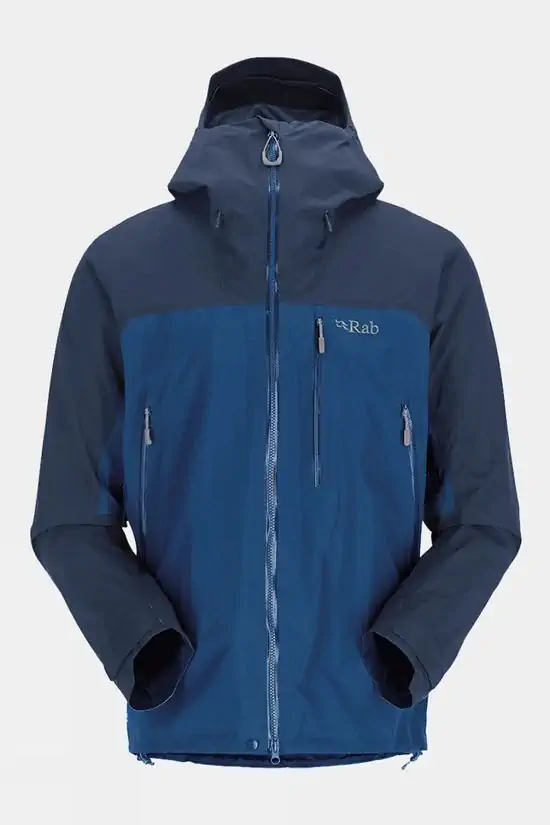
Waterproof jacket
A versatile gore-tex or similar material jacket is ideal for year round walking, hiking and trekking in the roughest weather. Jackets like the Latok Mountain GORE-TEX® Pro Jacket offer great weather protection and breathability when you need it.


Insulated jacket
A down or synthetic insulated jacket is a must for sub-zero conditions. Jackets like the Montane Anti-Freeze XT Down Hoodie use water-resistant down for an excellent warmth-to-weight ratio, with features like high collars and storm flaps to trap heat.

Sleeping bag
A warm and reliable down-filled sleeping bag is essential for multi-day trekking or backpacking adventures. The Rab Ascent 700 is a great example, made with recycled materials and designed for both regular camping and mountain use.

Base layer top
A warm and breathable long-sleeve base layer, combining materials like Merino wool and synthetic fibres, helps regulate body temperature in various outdoor conditions. The Helly Hansen Lifa Merino Midweight is one such example.

Trekking shorts
Lightweight and durable walking shorts are ideal for fast-paced mountain hikes. Shorts like Montane's Tenacity Lite use stretch fabrics to offer protection from wind and abrasion.
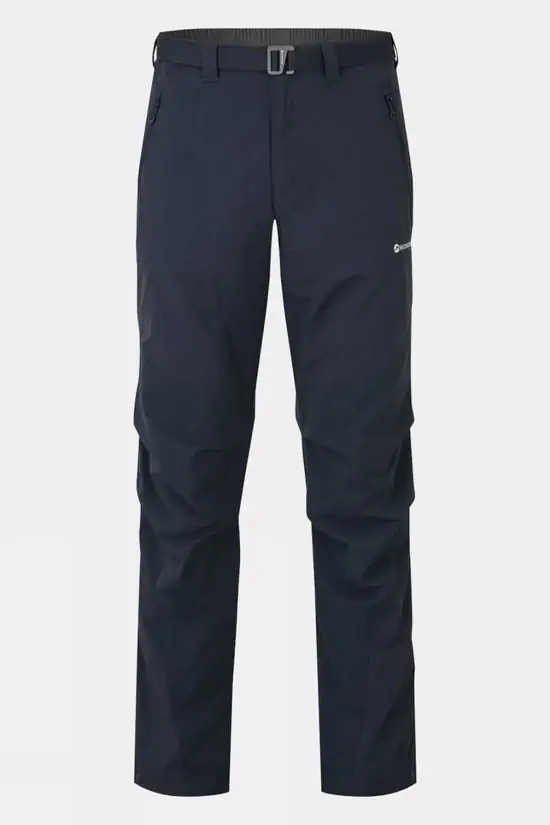
Trekking trousers
Tough, lightweight and versatile trousers are perfect for a range of outdoor activities. The Montane Terra Pants continue to be a go-to choice for everything from trekking to scrambling.

Trekking poles
Lightweight yet sturdy walking poles help with balance and reduce strain on steep or uneven terrain. The Leki Khumbu Lite poles are a popular option for hill walking and mountain hiking.

Mountain sunglasses
Protective and high-performance sunglasses are important for alpine environments. Sunglasses like the Julbo Shield Reactiv combine style with serious high-mountain protection.

Leggings
Lightweight leggings with moisture-wicking fabrics are ideal for active use. The North Face Flex High Rise Leggings offer comfort and sweat management during exercise.

Technical T-shirt
A moisture-wicking technical tee is essential for active days in the hills. The Rab Force T-Shirt is a reliable choice for mountain walkers and runners alike.
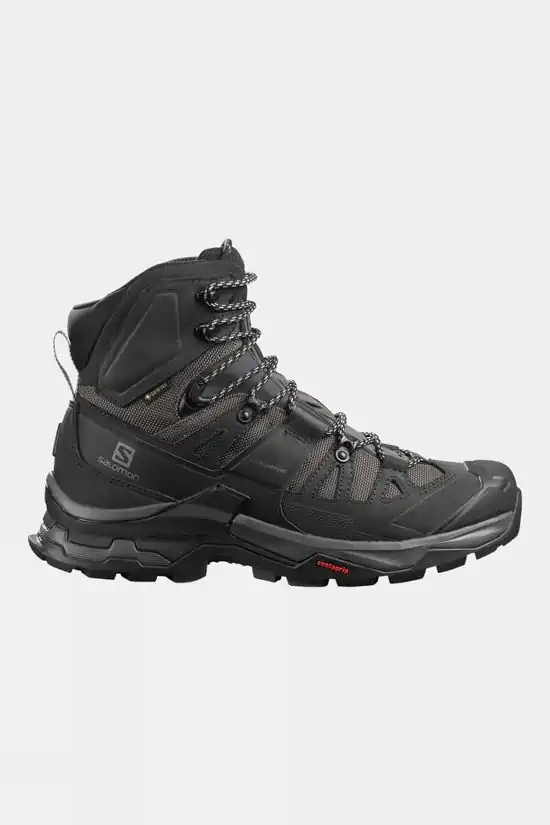
Hiking boots
Supportive and grippy walking boots are key for long hikes and rugged trails. The Salomon Quest 4 GTX boots are built for demanding conditions and multi-day use.

Hiking socks
A good pair of merino-blend walking socks helps keep feet warm and comfortable on long walks. The Bridgedale Merino Hiker socks are a dependable option for various terrains.
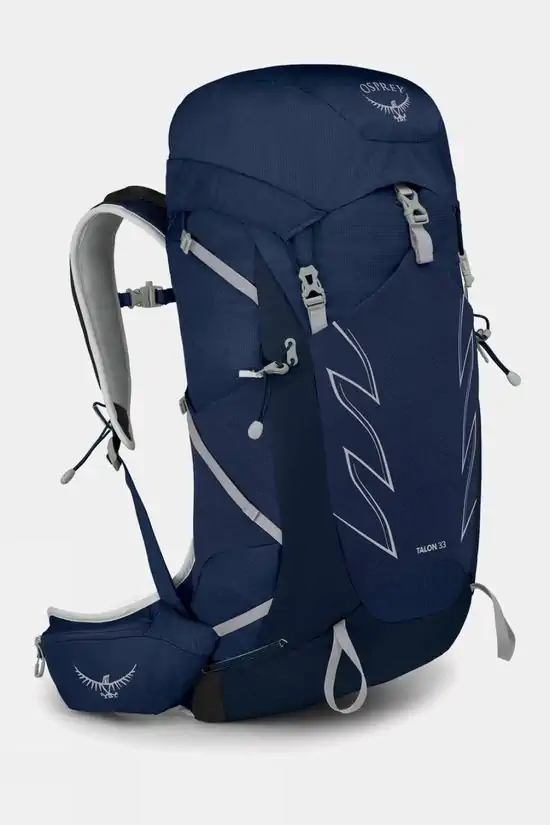
Daypack
A 30-35L daypack is a great size for longer hikes or overnight trips. Packs like the Osprey Talon 33 balance load well and offer good back ventilation.

Fleece mid layer
A soft, insulating fleece is great for layering on cooler days. The North Face Cornice II is a sustainable option made from recycled materials.

Warm beanie
A warm and comfortable beanie is ideal for cold weather walks or everyday use. The Mountain Equipment Humbolt Beanie fits the bill.

Hydration reservoir
A 2-3L hydration bladder helps you stay hydrated on the move. The Osprey Hydraulics 3L Reservoir is stable, easy to use, and reliable.

Water bottle
A durable, wide-mouth bottle is handy for refilling on the go. Nalgene's Sustain 1L Water Bottle is a classic, perfect for day hikes or longer trips.

Waterproof gloves
Warm, waterproof gloves are essential for wet and cold mountain days. Gloves like the Montane Respond Dry Line offer protection and dexterity in tough conditions.

Headtorch
A compact and bright headtorch is important for early starts or late finishes. The Petzl Tikka 350L is simple to use and effective for low-light navigation.

Sleeping mat
A lightweight and compact sleeping mat adds essential insulation and comfort for overnight stays outdoors. Mats like the Therm-a-Rest NeoAir XLite NXT offer excellent warmth-to-weight performance, making them a solid choice for backpacking and wild camping.

Portable power bank
A high-capacity power bank is a great way to keep your devices charged on multi-day trips or when you're off the grid. Options like the Anker PowerCore 20000mAh offer multiple charges for phones and other electronics, making them ideal for camping, backpacking, or travel.
Explore our essential kit picks so you're comfortable, safe, and ready for every step. Download the full checklist to nail your packing.
Trip Extensions
Enhance your adventure with our range of trip extensions.
Rainbow Mountain Trip Extension
Rainbow Mountain stands as an incredible natural marvel soaring to a staggering 5200 meters. For us at EverTrek HQ, it’s like a playground for Yetis, offering an ideal blend of high altitude, vibrant landscapes, and thrilling adventures!
Experience Rainbow Mountain
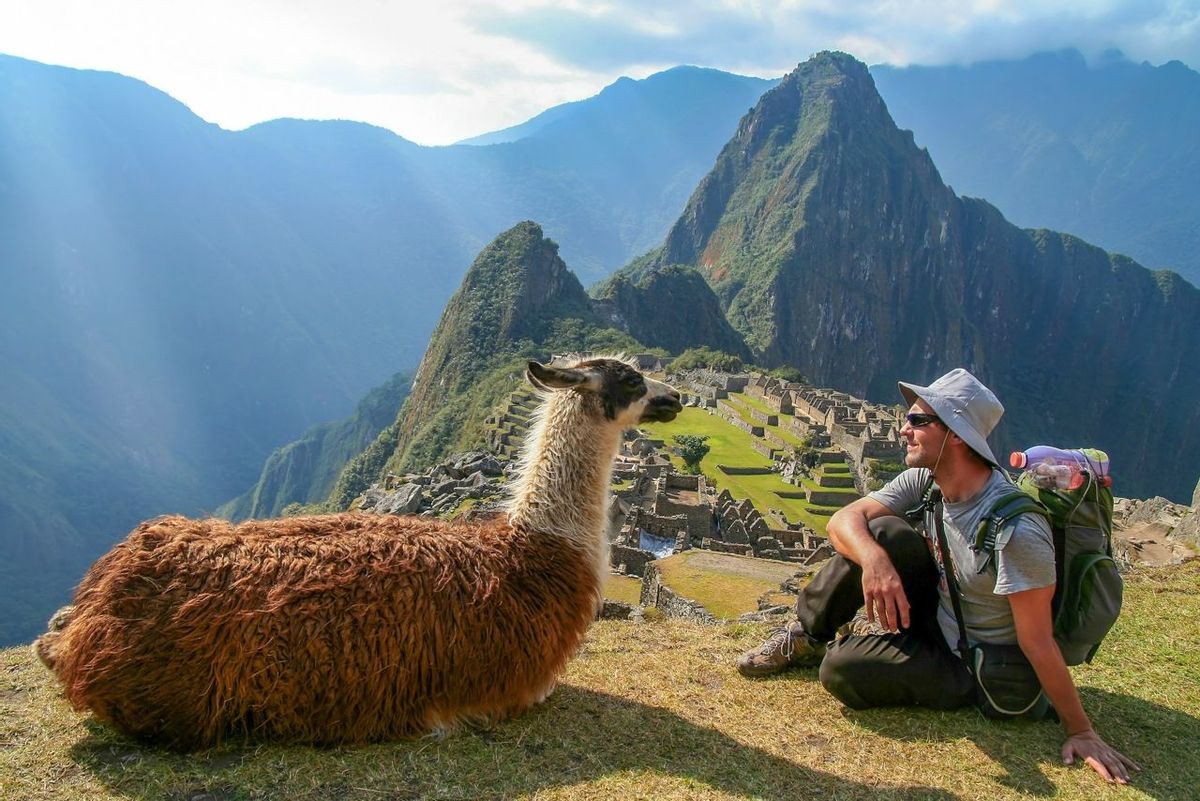
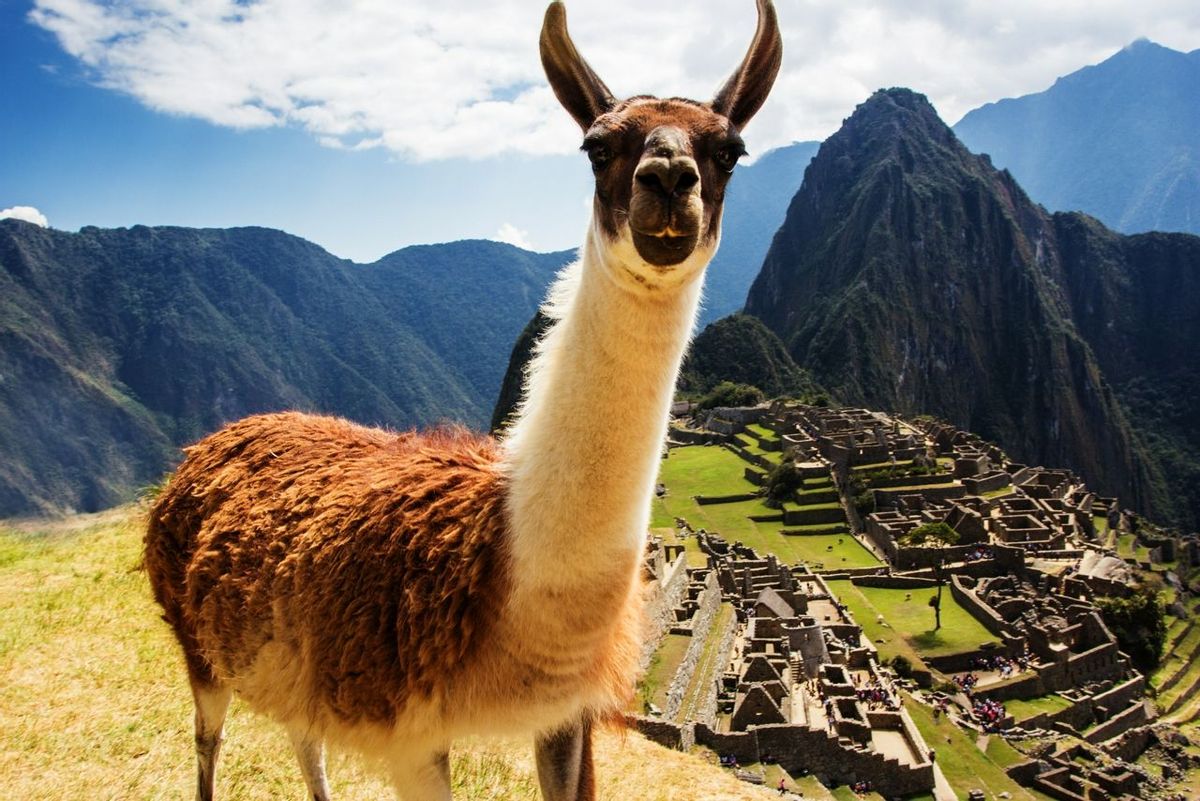
The scenery in this entire region is truly something extraordinary. It’s not just Rainbow Mountain itself that’s spectacular; the surrounding landscapes are equally breathtaking. With sweeping views of the Andes and glaciers cascading down colossal mountain valleys, the panorama is simply awe-inspiring. Along the way, keep your eyes peeled for classic Peruvian wildlife like llamas and alpacas, all eager to strike a pose for that perfect tongues-out selfie.
Thinking this add-on might just be your next big Peruvian upgrade? We hope so!
Select your extension at checkout, or if you’ve already booked your trip just give us a call at 02920 003216, and we’ll take care of the rest.
Lake Titicaca Trip Extension
Embark on an unforgettable journey and delve deeper into the mesmerizing beauty of Peru by extending your adventure to the serene and awe-inspiring Lake Titicaca. As the largest lake in South America and the highest navigable lake in the world, Lake Titicaca sits at an altitude of 3,812m and offers an experience like no other. Marvel at the crystal-clear waters and immerse yourself in the captivating cultural heritage of the Uros people, who reside on the famous floating islands made entirely from reeds harvested from the lake.
The Wonders of Lake Titicaca
This incredible add-on is the perfect way to unwind and relax after your Machu Picchu trek. Discover a different side of the Andes as you journey to Lake Titicaca, where you’ll witness stunning landscapes and enjoy a more leisurely pace of travel. Explore the fascinating Uros floating islands and interact with the welcoming locals, gaining insight into their unique way of life.
So why not enhance your adventure and embark on this enriching extension to Lake Titicaca? You’ll come away with unforgettable memories and a newfound appreciation for the natural beauty and cultural richness of this incredible country.
Thinking this add-on might just be your next big Peruvian upgrade? We hope so!
Select your extension at checkout, or if you’ve already booked your trip just give us a call at 02920 003216, and we’ll take care of the rest.
FAQs
The Machu Picchu via Inca Trail Trek with EverTrek costs between £2,150 and £2,250, depending on your chosen departure year. This includes a 10-day itinerary (with 5 days trekking on the Inca Trail), accommodation before and after the trek, all camping equipment, permits (including your Inca Trail permit and Machu Picchu entry), meals while trekking, a guided tour of Machu Picchu, and full support from our experienced local guides and crew. International flights to Cusco, travel insurance, tips, and some meals in Cusco are not included.
EverTrek uses the world-famous Classic Inca Trail Route to reach Machu Picchu. The Inca Trail is Peru’s most iconic trek, taking you along ancient stone paths through cloud forests, alpine passes, and past stunning Incan ruins before reaching Machu Picchu through the famous Sun Gate (Inti Punku). Due to the limited permits, it’s essential to book well in advance to secure your space.
This trek is classed as challenging. You’ll need a good level of fitness to hike 5–8 hours per day, sometimes at high altitudes up to around 4,215m at Dead Woman’s Pass. Prior trekking experience is helpful but not essential. Good stamina, strong legs, and a steady hiking pace will really help you enjoy the experience.
Training should focus on:
- Cardiovascular fitness (running, hiking, cycling, swimming)
- Leg and core strength (strength training, weighted hiking)
- Building endurance with long hikes carrying a pack
We recommend training 4–5 times a week for at least 2–3 months before the trek.
Joining one of our UK-based training weekends (such as in Snowdonia or the Brecon Beacons) is a great way to meet the EverTrek team and prepare both physically and mentally.
You won't need much during the trek itself, as all meals, camping equipment, permits, and guiding services are included. However, you may want to bring some cash for snacks, drinks in Cusco, souvenirs, or to tip the local team at the end of the trek.
While on the Inca Trail itself there are no proper showers, so we recommend bringing wet wipes, biodegradable soap, and a flannel to stay clean. While staying in Cusco before and after the trek, you will have access to hot showers and full hotel facilities. During the trek, warm water will be provided daily by the team so you can have a basic wash each morning.
The best trekking seasons are:
- April to October – The dry season, offering the most stable weather, clear skies, and great trekking conditions.
The Inca Trail is closed every year in February for maintenance, and we recommend avoiding the wettest months of November to March if possible.
Tipping is customary and greatly appreciated by the hardworking trekking crew. We recommend budgeting around 10% of your total trip cost. For a trip priced between £2,150 and £2,250, a tip of approximately £215–£225 is appropriate, to be shared fairly between your guides, cooks, and porters. Your lead guide will assist with arranging the group tipping at the end of the trek.
As you'll be trekking at altitudes up to 4,215m, managing altitude sickness is important. To minimise the risk:
- Follow the gradual ascent itinerary and allow time to acclimatise
- Drink 3–4 litres of water per day
- Avoid alcohol and smoking before and during the trek
- Be aware of early symptoms: headache, nausea, dizziness, loss of appetite
- Consider taking Diamox if recommended by your GP
- Always communicate openly with your guide if you feel unwell, early action is key
Yes, your main duffel bag must not exceed 6kg (this weight includes your sleeping bag). You will also carry your own daypack with daily essentials such as water, snacks, rain gear, and warm clothing layers. Any extra luggage can be securely stored at your hotel in Cusco while you are on the trek.