WhatsApp us








 Best Sellers
 Bucket List Adventures
 Short Trips
 Training Weekends
 Epic Peaks
 Remote Adventures
 Hardcore Challenges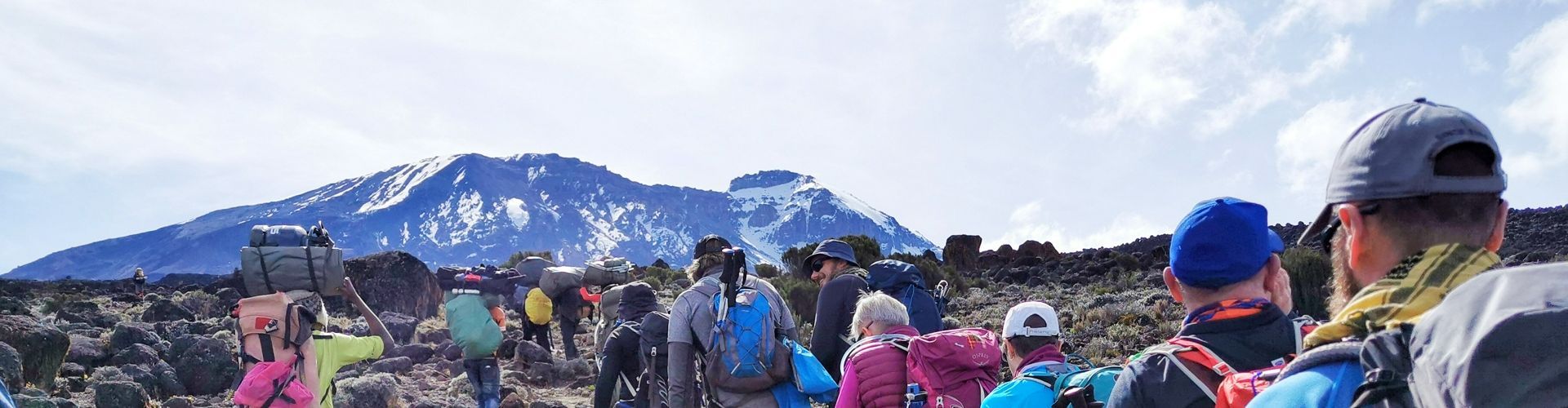
- Details
- Category: Knowledge Centre
How to Avoid Altitude Sickness on Kilimanjaro
Climbing on Mount Kilimanjaro is one of the world’s greatest adventures, and at 5,895 metres (19,341 feet), is one heck of a challenge. Over the years we’ve seen 1000’s of EverTrekkers battle against altitude sickness and seen what works and what doesn’t. Overcoming altitude sickness is a huge part of the experience and ultimately can be the difference between reaching the summit or not.
The good news? Plenty of it and there are several proven strategies to help prevent or reduce the effects of altitude sickness on Kilimanjaro and what we would recommend.
1. Take it Slow
One of the most important things you can do on Kilimanjaro is pace yourself. It's a slow process of going from 2500m to almost 6000m.
At one point, whilst on my summit push, my Garmin smartwatch thought I was standing still!
"Pole pole" (slowly slowly) is the phrase you’ll hear often from your mountain guides. The slower you ascend, the more time your body has to adapt to the thinning air and the lower oxygen levels.
Whilst it might feel strange to walk so slowly, especially on easier terrain, resist the urge to power ahead. Aim for a pace where you can have a conversation without gasping for breath. Trust your guides, they know the mountain and how to manage a steady, safe pace.
2. Stay Hydrated
Dehydration can make altitude sickness worse or even be the root cause, so staying well hydrated is essential. Aim to drink at least 4–5 litres of water per day while trekking. Your guides will remind you to drink regularly, even if you don’t feel thirsty.
A useful tip: bring small bottles of concentrated squash or hydration tablets to flavour your water. This can make drinking more enjoyable and help ensure you’re getting enough fluids throughout the day.
A lot of people struggle with drinking 3 liters or more of water per day, especially if this isn't something you do daily, but try and see this as part of the challenge. 9 times out of 10, people who suffer with altitude sickness is down to not being properly hydrated and the moment you stop hydrating is the moment you stop acclimatising.
Pro Tip - Taking regular water breaks and taking pictures, selfies (of course) means you're taking your time ( So you're smashing tip number 1). Slow your ascent, drink more often and you'll have an awesome time.
3. Look After Your Body
Your body is working hard at altitude, so it’s vital to treat it well. There's nothing quite like some self care:
- Avoid those beers on the way up. Although tempting, it dehydrates you and can worsen symptoms of altitude sickness. Save it for the celebration once you summit Kilimanjaro.
- Eat well. The meals on the mountain are designed to keep you fuelled and ready to go, but try to get five portions of fruit and veg a day if possible. (Pro tip - Bring some treats with you for that mid-trek pick-me-up)
- Boost your immune system. This goes with the above about eating well but also consider taking multivitamins before and during the trek.
- Watch what you eat. Whilst food safety on Kilimanjaro and in the camps is generally well managed, it's also not perfect, so always follow your guide's advice and eat freshly prepared meals.
- Consider aspirin. Some trekkers find that a low dose (as advised by a GP) can help reduce altitude-related symptoms by thinning the blood slightly. It's something alot of our team do but is also down to the individual.
I also cannot underestimate the importance of training before your trip. You don't have to be an athlete, but the fitter you are, the better chance you have of avoiding altitude sickness and maximising the enjoyment factor! Check out this article about training for climbing Kilimanjaro right HERE.
4. Diamox (Acetazolamide)
Diamox is a medication that can help reduce the symptoms of altitude sickness by aiding the body’s acclimatisation process. Some trekkers take it as a preventive measure; others only use it if they begin to struggle.
I opted to take Diamox during whilst climbing Kilimanjaro, even though I’d never needed it on my four previous Everest Base Camp treks. For me, it was an easy decision. I knew that reaching the summit safely and healthily is more important than my ego, and it assisted in my acclimatisation.
I also believe that on any mountain, taking unnecessary risks is foolish. Like my favourite mountaineering quote from Ed Viesturs says, "Getting to the top is optional, getting back down is mandatory."
It’s important to speak to a GP or travel health clinic (such as Nomad or Trailfinders) before using Diamox, as it may not be suitable for everyone.
Your Kilimanjaro guides may carry it, but it’s always best to arrive prepared. We've got a great article all about Diamox which you can check out right HERE
5. Manage Your Mindset
Worrying too much about altitude sickness can actually make the experience more stressful and negatively impact your trek. Instead, focus on the journey, stay positive, and follow the guidance of your team.
It’s perfectly normal to experience some minor symptoms, like a mild headache or breathlessness. What’s important is to communicate how you’re feeling with your guides. They are highly experienced, trained in high-altitude safety, and will be monitoring you throughout the trek.
I have always believed that knowledge dispels fear, so learning as much about altitude, the mountain, and what to expect helps get your mind ready for the challenge.
One of our Yetis and founder Andy who joined me on the summit of Kilimanjaro, shares some great insights into how he had to dig deep and stay strong in both body and mind to achieve his goals. Check out the article right HERE
Final Thoughts
Climbing Kilimanjaro is a truly life-changing experience, but being prepared for the effects of altitude is key to making it both safe and enjoyable.
By pacing yourself, staying hydrated, looking after your body, and keeping a positive mindset, you'll give yourself the best chance of reaching the summit and enjoying every step of the journey.
Remember – it’s not just about standing on the Roof of Africa, it’s about the incredible adventure getting there, so hopefully these tips can help make that summit a reality for you!
Ready to Take on Kilimanjaro?
If you’re planning your Kilimanjaro adventure and want some expert advice, trusted guides, and a team that puts your safety and experience first, we’re here to help.
Check out the Kilimanjaro Trip right here
Fancy chatting with one of our Adventure Experts? Just reach out the EverTrek Yeti team HERE
Let’s make your Kilimanjaro dream a reality!

Previous Articles
- How much does the Everest Base Camp trek cost?
- How to Train for the Everest Base Camp Trek
- How high is Everest Base Camp?
- How much spending money do you need for the Everest Base Camp trek
- What's the accommodation like on an Everest Base Camp trek
- Are showers available on the Everest Base Camp trek?