WhatsApp us



 Best Sellers
 Bucket List Adventures
 Short Trips
 Training Weekends
 Epic Peaks
 Remote Adventures
 Hardcore Challenges


Kilimanjaro The Long Way

Download the full Trip Guide

Download the full Trip Guide
What’s Included?
Meals
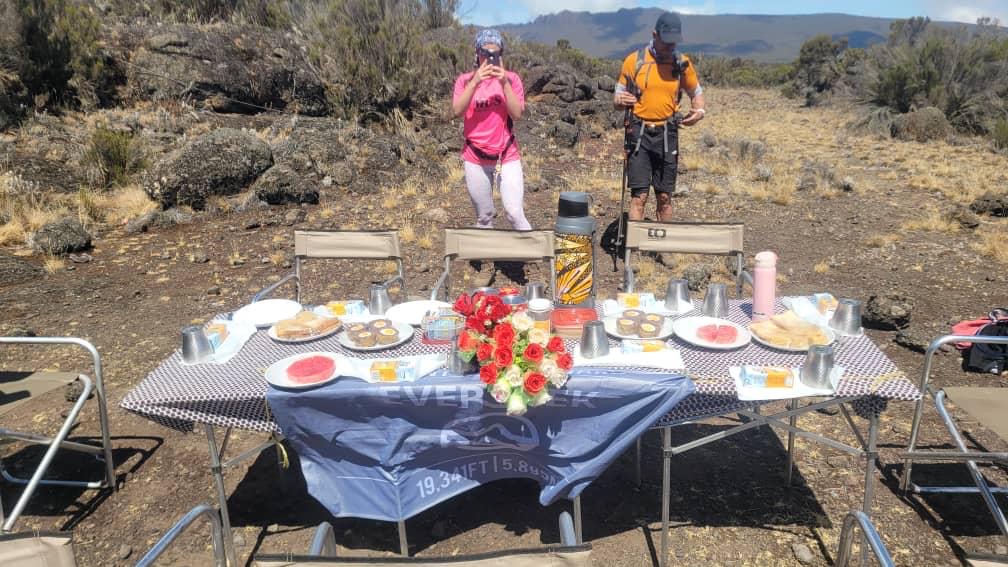
Top-rated mountain chefs. All mountain meals + Hotel Breakfasts, Welcome & Farewell Dinner.
Accommodation
Hotel in Moshi + expedition tents in private camps on the mountain
Private Camps & Toilets
Stay healthy and comfortable with EverTrek's private toilets, ensuring hygiene and environmental care.
Guides, Porters & Permits
Experienced award winning guides, porter support, and all permits & park fees sorted.
In-Country Transfers
Airport welcome & hotel transfers, then back to the airport at the end.
What's included?
-
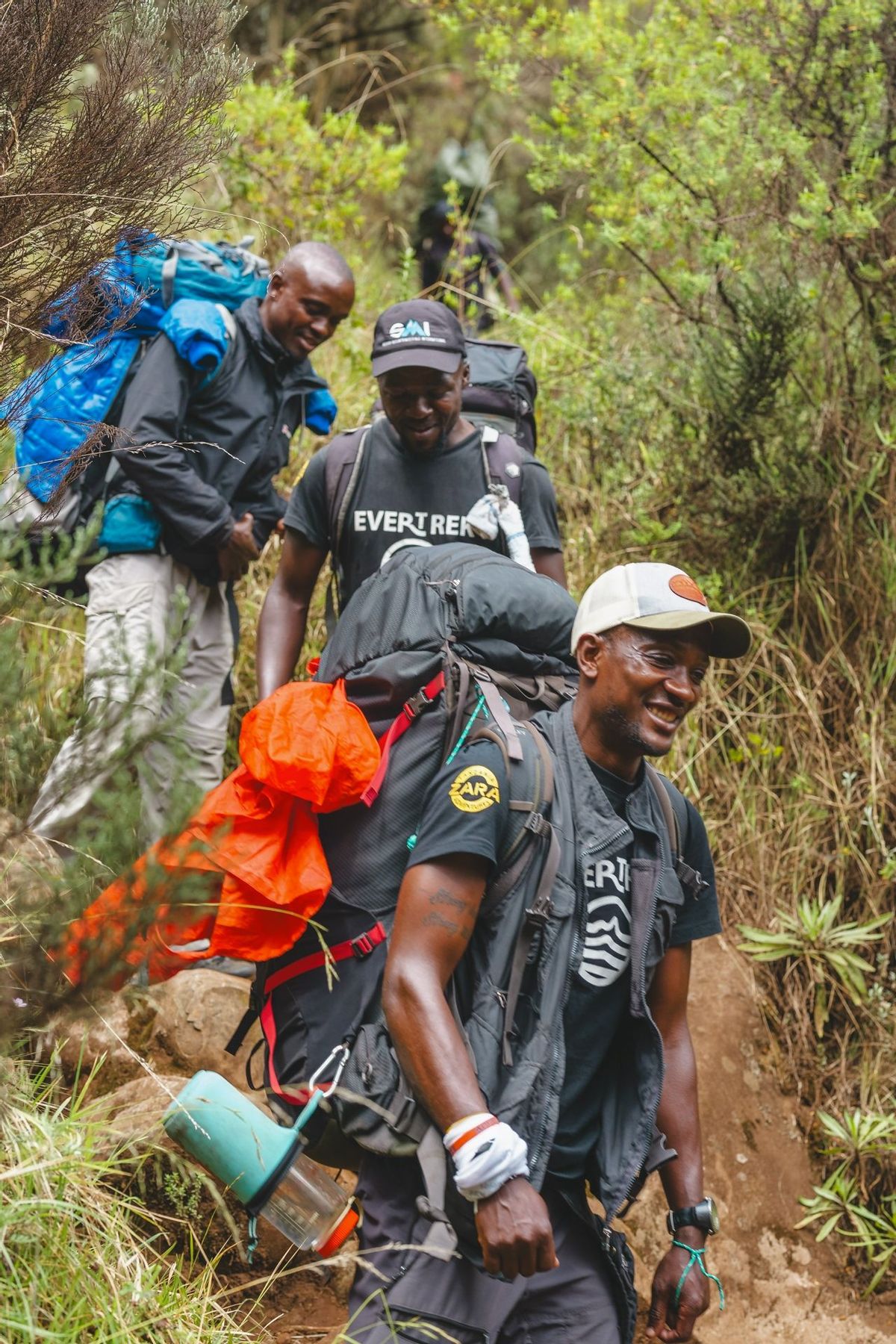
Highly experienced expert guides, chef and porters
-
All meals on the mountain (breakfast, lunch & dinner)
-
Private portable toilet for your group
-
Any necessary porter support on summit night
-
Safe drinking water on the mountain along with hot drinks for all meals
-
All permit and national park entrance fees
-
Three nights’ accommodation at the Springlands Hotel (Includes breakfast & arrival/departure meals)
Shared accommodation is standard across all trips: solo trekkers will share twin rooms with another same gendered trekker. -
Camping fees and tents
Shared accommodation is standard across all trips: solo trekkers will share two-person tents with another same gendered trekker. -
Tents, foam sleeping pads, cooking equipment, and eating utensils.
-
Rescue fees (required by the National Park)
-
Pulse oximeters (carried by your guide)
-
Guides, porters, cook, waiter salaries
-
Airport transfers (JRO - Kilimanjaro International Airports)
-
Guides, porters, waiter, cook accommodation and entry fees on the mountain
-
EverTrek Trip Planning Mobile App
-
Medal (post trip, you will be contacted after the season ends to arrange this by a Yeti)
-
Exclusive equipment discounts from Ellis Brigham, Osprey, The Altitude Center and heaps more
What's not included?
-
Visa fees & travel insurance.
-
International Flights to Tanzania.
-
Single room supplement at Springlands Hotel - this can be requested in advance for an additional cost.
-
Tips for Guides, Porters, Cook & Waiters - We recommend budgeting 10% of the trip cost
-
Meals and drinks not specified
-
Mountain equipment (eg sleeping bags, duffel bags, inflatable sleeping mats)
-
Personal trekking equipment, some equipment is available for rent at the hotel.
-
Items of personal nature (expenses)
-
Additional nights beyond the three hotel nights included
-
Trip Add extensions
Why choose us for this adventure?
We've done the research so you don't have to.
We've compared every major provider side by side - what's included, what's not, and the value you actually get.




 All mountain meals + Hotel Breakfasts, Welcome & Farewell Dinner. Top-rated mountain chefs
 Filtered/boiled water provided on trek - bring refillable bottles
Springlands Hotel (Moshi) + expedition tents in a private camp
Included - exclusive toilets for EverTrekkers ensure high hygiene standards
Filtered/boiled water provided on trek - bring refillable bottles
Springlands Hotel (Moshi) + expedition tents in a private camp
Included - exclusive toilets for EverTrekkers ensure high hygiene standards
 Not included - choose your best flights; we’ll align timings & include your transfers
Private Arrival & Departure Transfers included & arranged for you
Trip Planner App: Kit Lists, Training Plans, Itinerary, POIs, Useful Docs & Countdown
Medal & Certificate given to honour your incredible achievement
Gear Discounts + Free Altitude Centre Consult & Personalised Plan
ABTOT
Exclusive to EverTrek
Not included - choose your best flights; we’ll align timings & include your transfers
Private Arrival & Departure Transfers included & arranged for you
Trip Planner App: Kit Lists, Training Plans, Itinerary, POIs, Useful Docs & Countdown
Medal & Certificate given to honour your incredible achievement
Gear Discounts + Free Altitude Centre Consult & Personalised Plan
ABTOT
Exclusive to EverTrek
 Partially included/specified
Not included
Partially included/specified
Not included


The EverTrek Difference
We go the extra mile – before you even hit the trail!
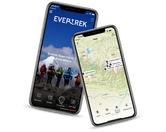
Trek Planning Tools
Get access to our mobile app with maps & countdown.

EverTrekker Medal
As a special thank you for completing your trek, a Yeti will arrange for you to receive an EverTrekker Medal. Perfect to show off to your friends!
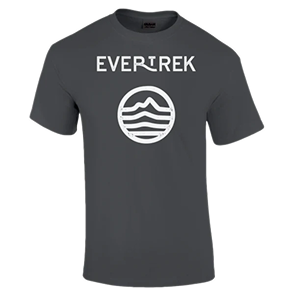
EverTrek T-Shirt
Once you arrive in Tanzania you'll receive an EverTrek T-shirt. You'll really look the part!
Download the full Trip Guide
Find out all of the awesome details about the trip and download the full guide and walkthrough right here.
Download the full Trip Guide
Find out all of the awesome details about the trip and download the full guide and walkthrough right here.

Sustainable Tourism
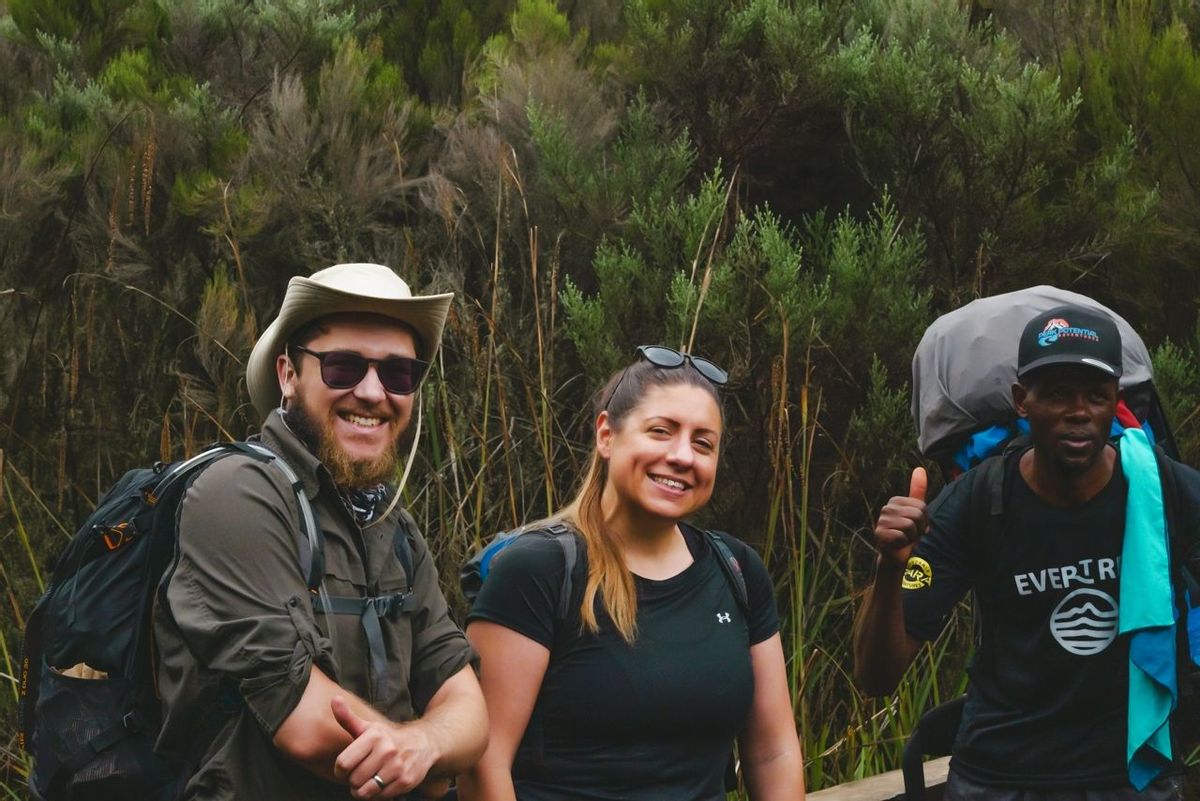
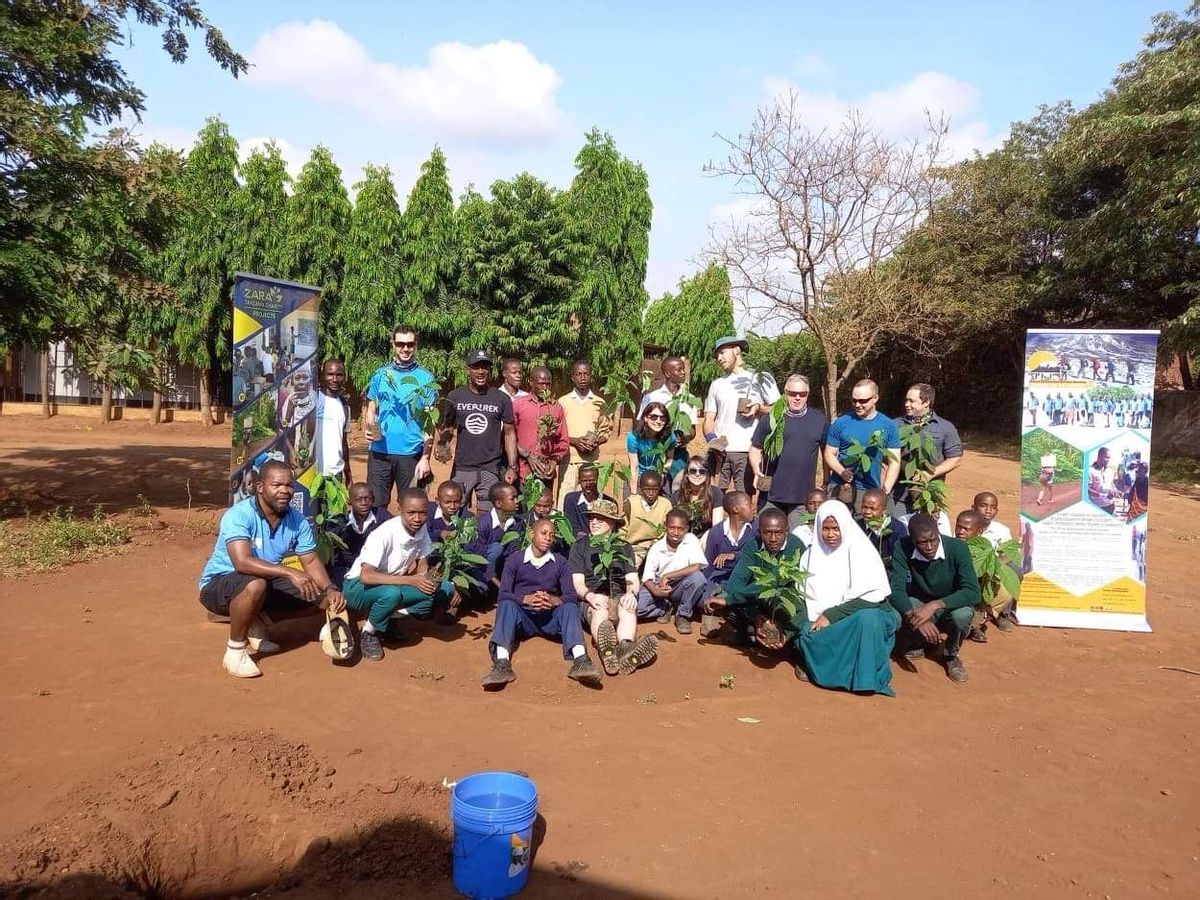
Because we only use local guiding teams it ensures your trip directly benefits the local mountain communities.
Trip Highlights
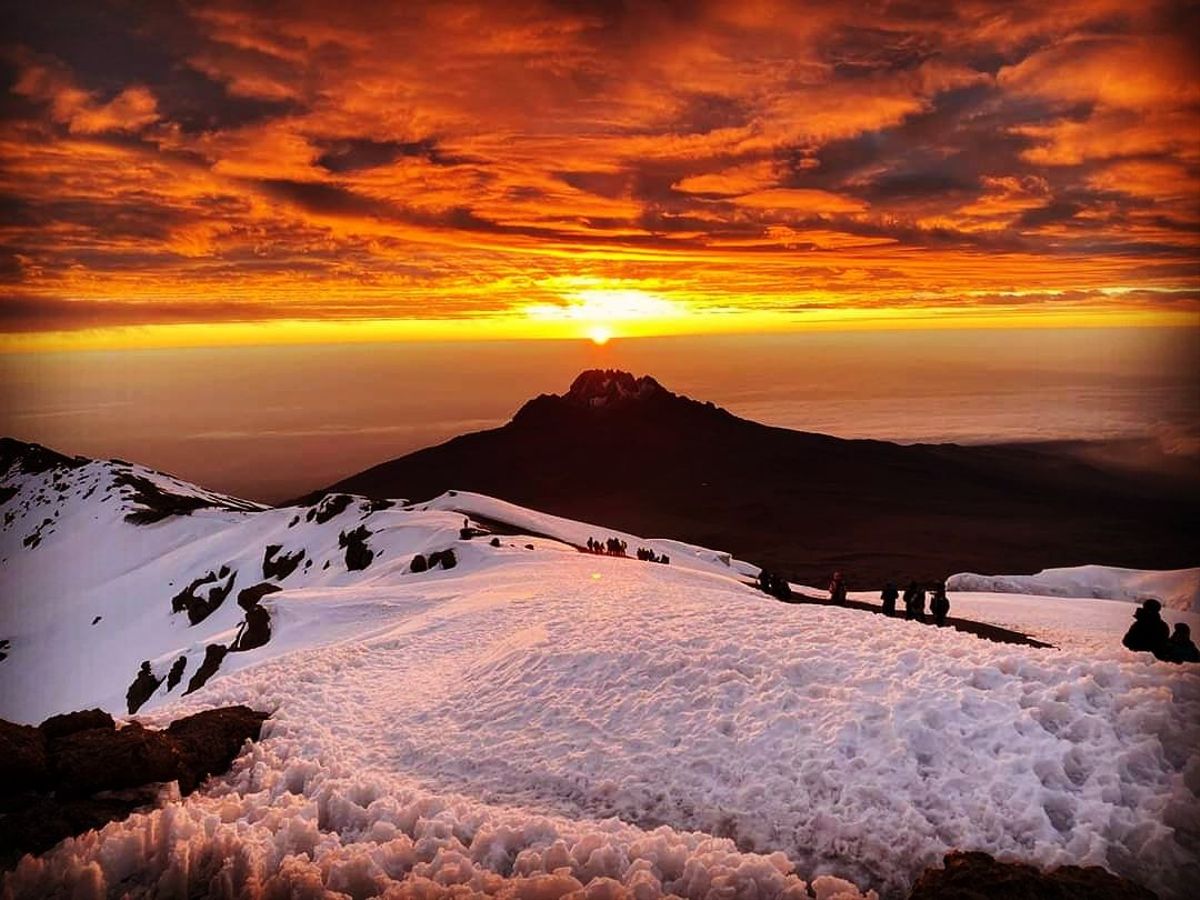
Ascend under starlight and summit at sunrise to conquer Uhuru Peak and stand on the roof of Africa.
Take the path less traveled via the Lemosho route, known for its stunning beauty, lower crowds, and excellent acclimatization.
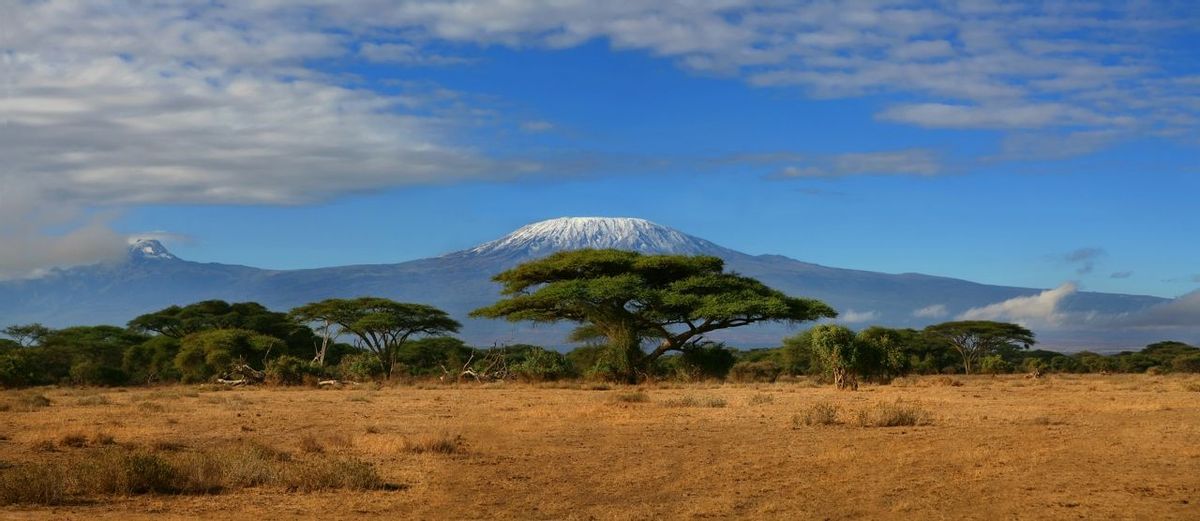
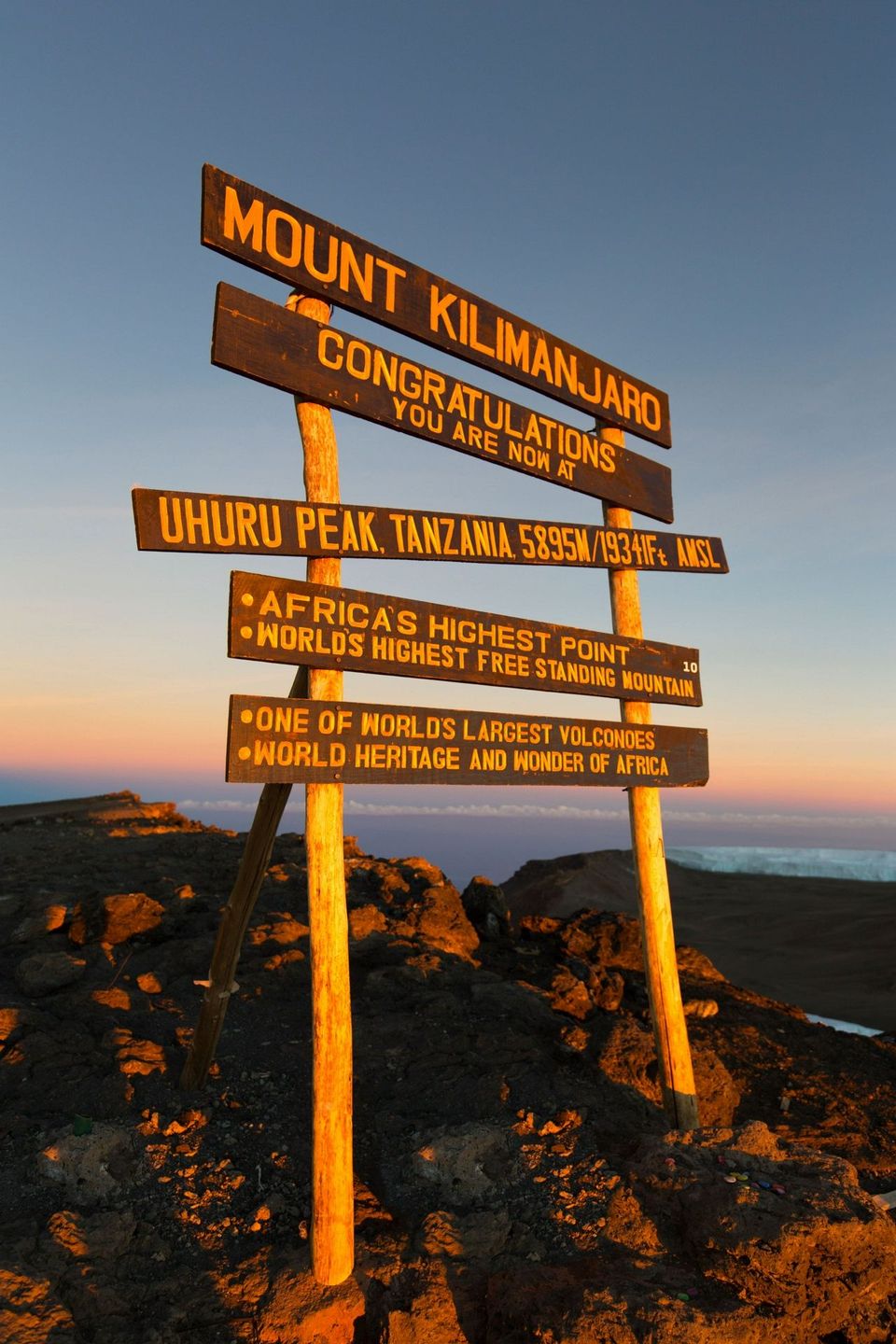
Trek through five distinct climatic zones, from lush rainforests to alpine deserts, before standing atop Africa’s highest peak at 5,895m
Immerse yourself in Tanzanian hospitality, enjoy hearty meals under African skies, and stay in cozy mountain camps with expert guides boasting a 95% summit success rate.
Push your limits on a high-altitude adventure, tackling Kilimanjaro’s gradual ascent for the ultimate sense of achievement.
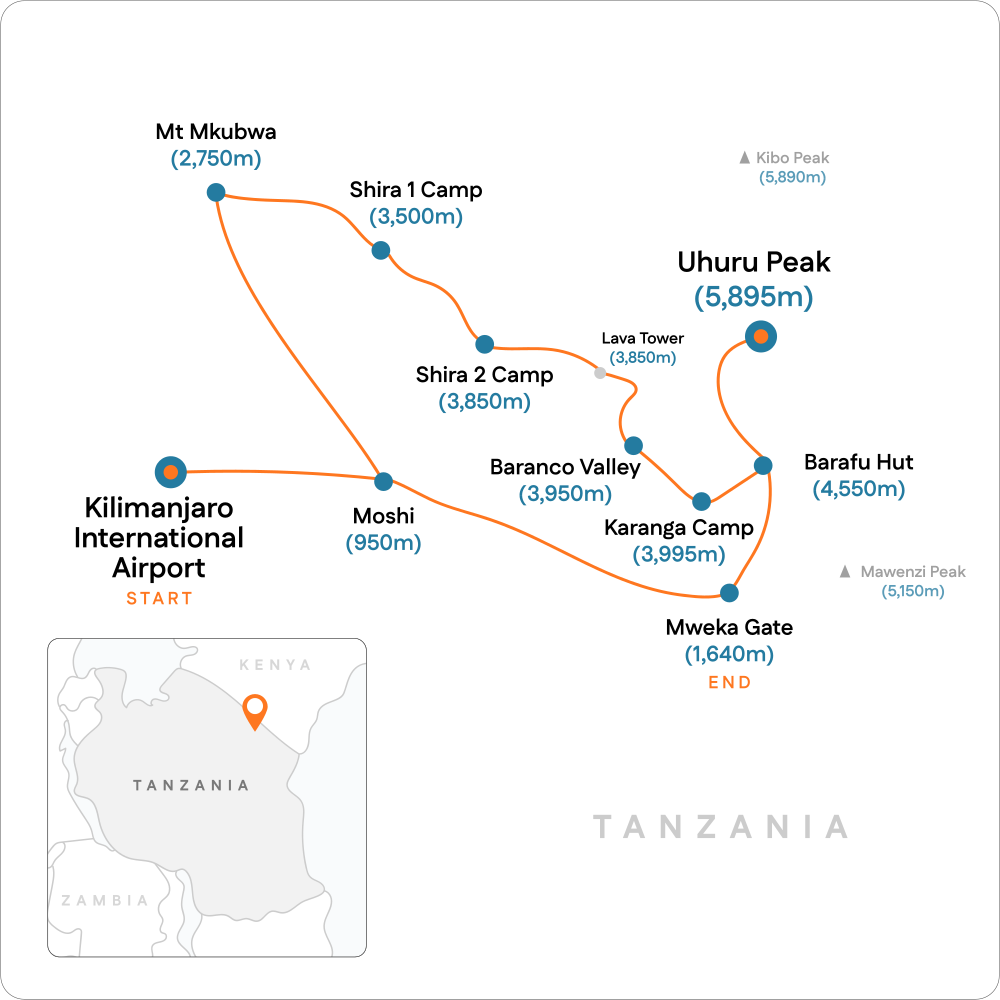
11-Day Kilimanjaro The Long Way Itinerary
Jambo! Welcome to Tanzania - your adventure begins now!
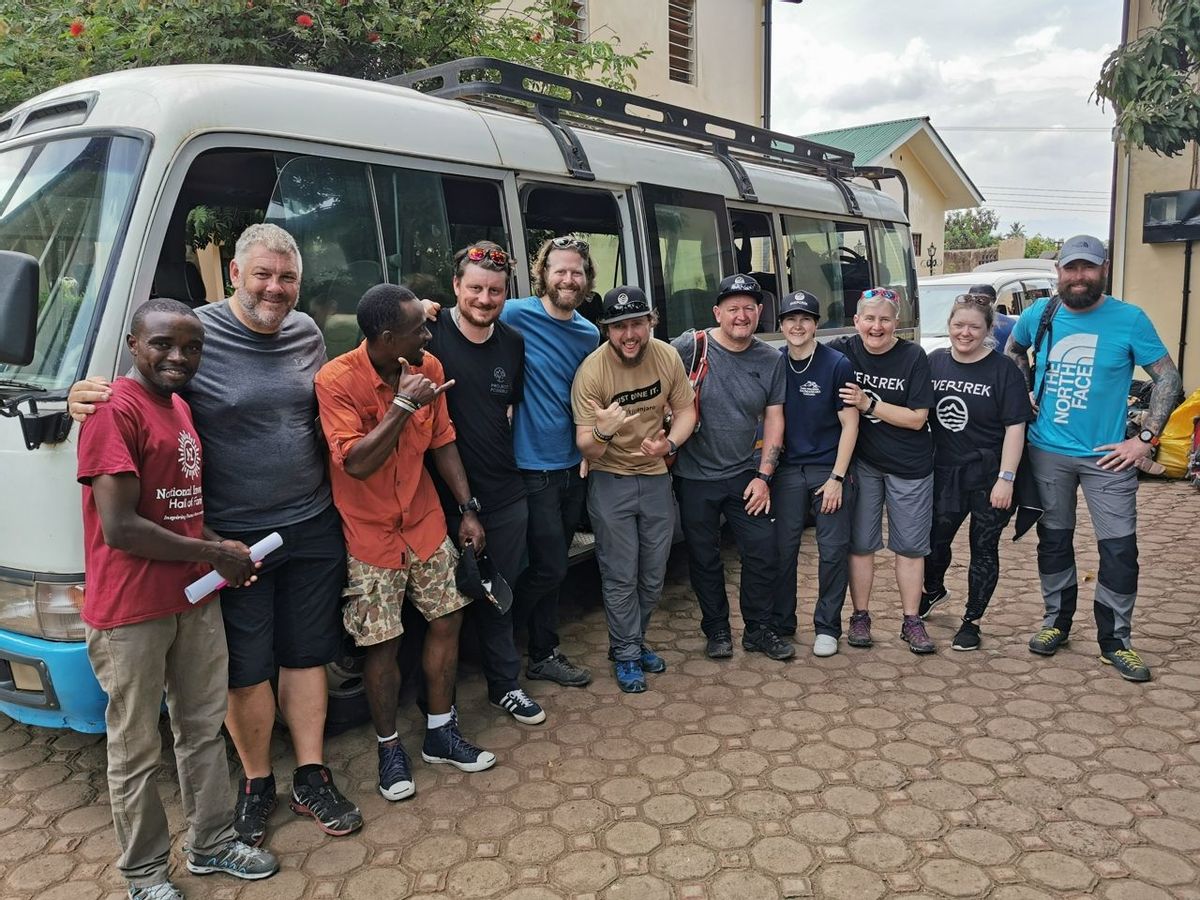
As soon as you land at Kilimanjaro International Airport, one of our friendly team members will be there to greet you with a warm smile and transfer you to your base for the next couple of days the vibrant Springlands Hotel.
After your journey, today is all about unwinding. Take a hot shower, stretch out, soak up the atmosphere, and start settling into the rhythm of Tanzanian life. This is your time to relax and recharge before the real adventure kicks off.
Because EverTrekkers usually arrive at different times, your full trek briefing will happen on Day 2. The hotel staff will let you know when and where to meet your expert guide, who’ll walk you through everything you need to know before you hit the trail.
Get ready, the mountains are calling!
Today is all about exploring the vibrant local area around Moshi, nestled at the foot of mighty Kilimanjaro.
You’ll stretch your legs and venture out past lush rice paddies and through shaded forest paths as you make your way towards the heart of Moshi town. Along the way, you’ll soak up the sights, sounds, and scents of everyday life in Tanzania. At the bustling markets, you’ll get a real taste of local culture, a perfect way to ease into the rhythm of the region.
If today falls on a weekday, there may also be an opportunity to visit one of the nearby schools, a chance to connect with the local community and see a different side of life here. Later in the day, you’ll have your all-important trek briefing and meet your mountain guide. This usually takes place at either 11am or 4pm, the exact time and location will have been confirmed with you on Day 1.
After your tour and briefing, the rest of the day is yours to relax and make final preparations. Gather your gear, check your kit, and soak in the excitement, tomorrow, the adventure truly begins!
After breakfast and a final briefing from your guide, it’s time to gear up and hit the road, your Kilimanjaro adventure officially begins!
We’ll leave our hotel in Moshi and drive to Londorossi Park Gate (2,250m), a scenic journey of around 1.5 hours. Here, the team will handle park registration and permits while you take in your first real glimpse of Kili. From Londorossi, we will head along a forest track to Lemosho Glades (2,000m), about 11km away.
‘It all starts here.’ This is where our trek truly begins.
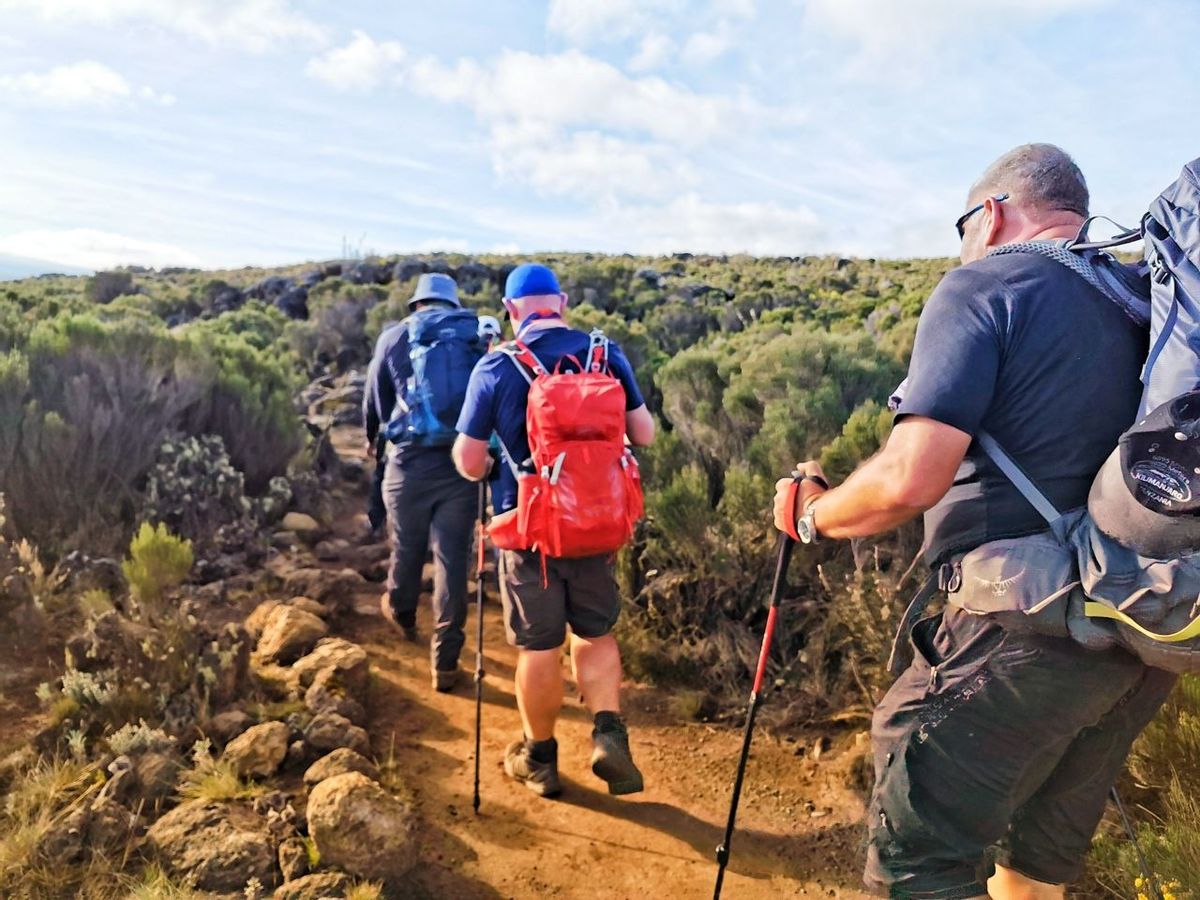
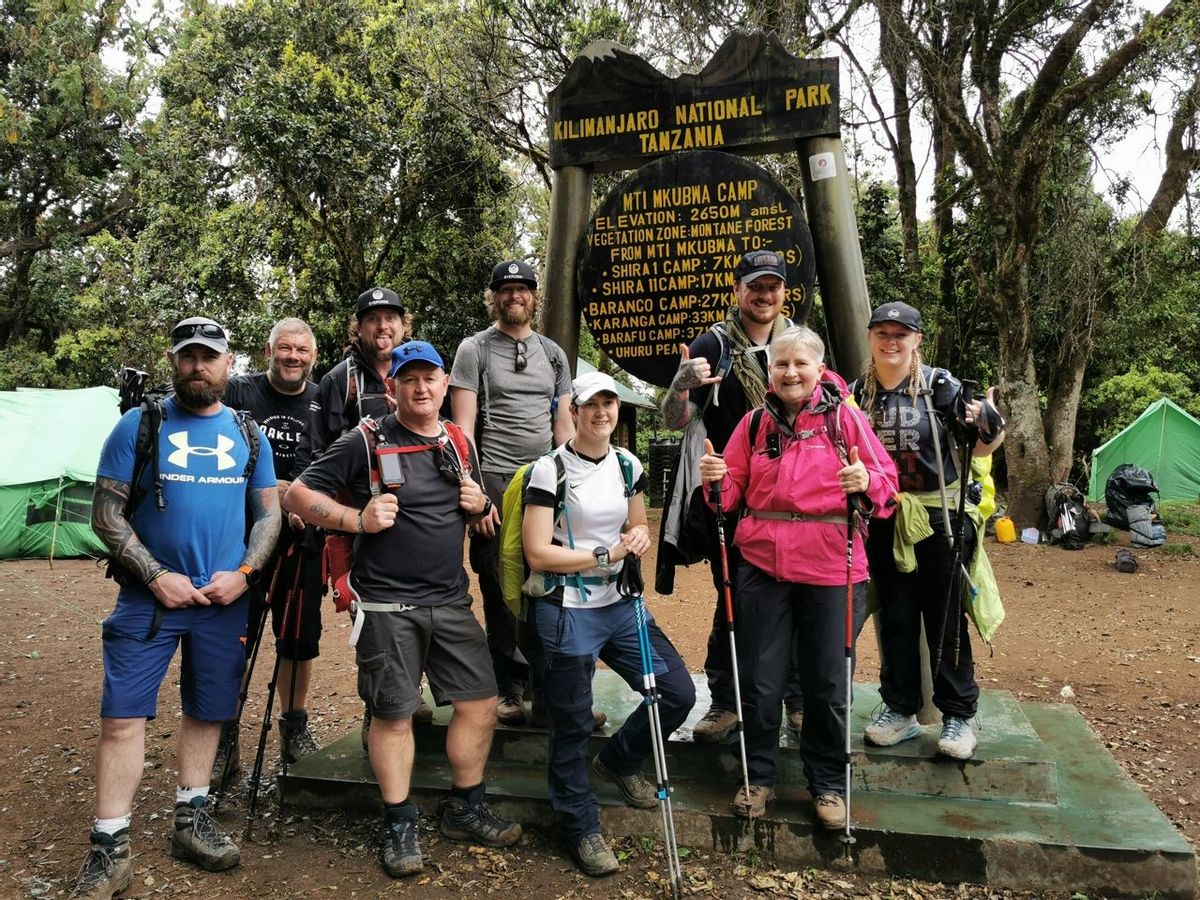
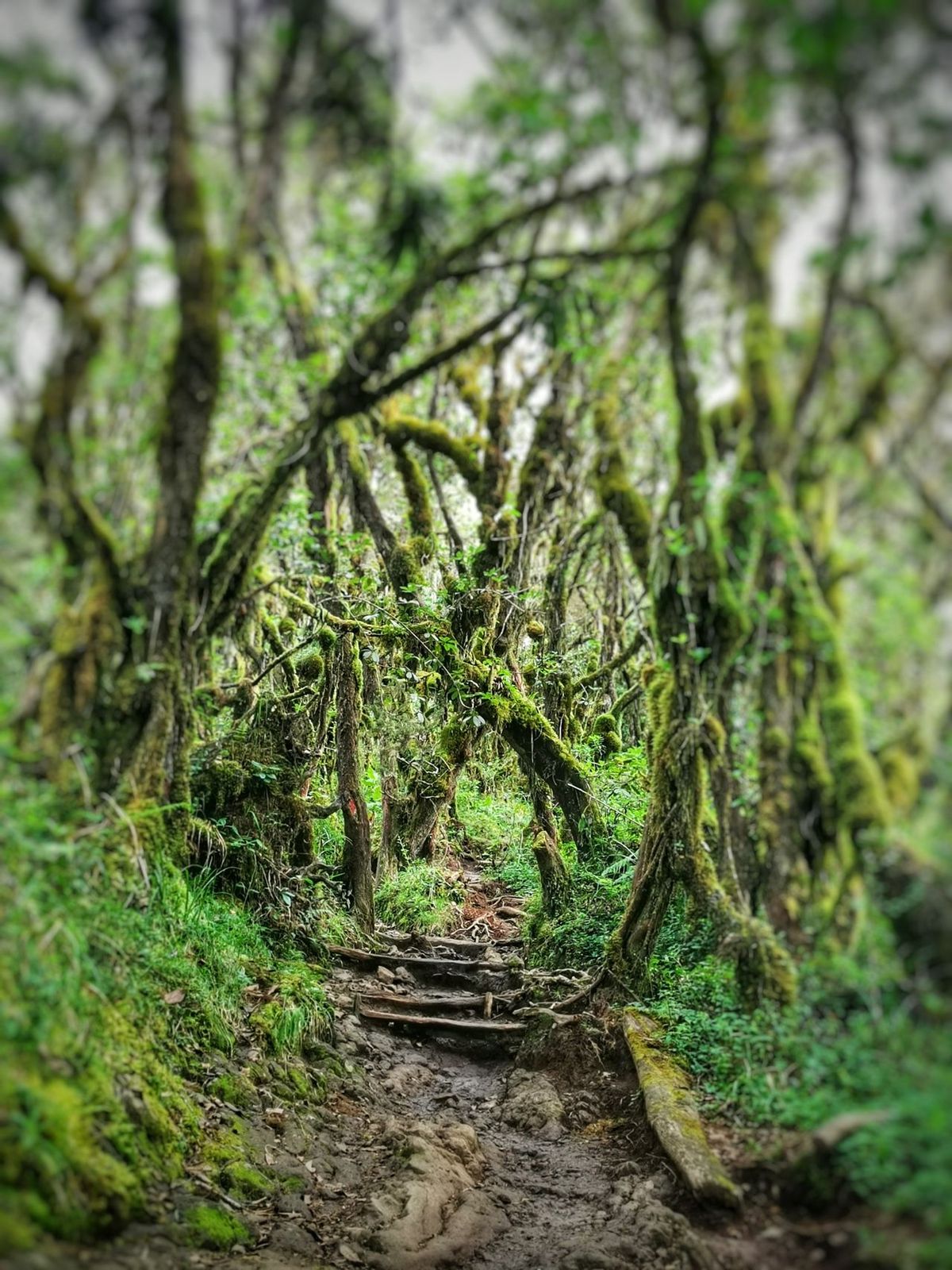
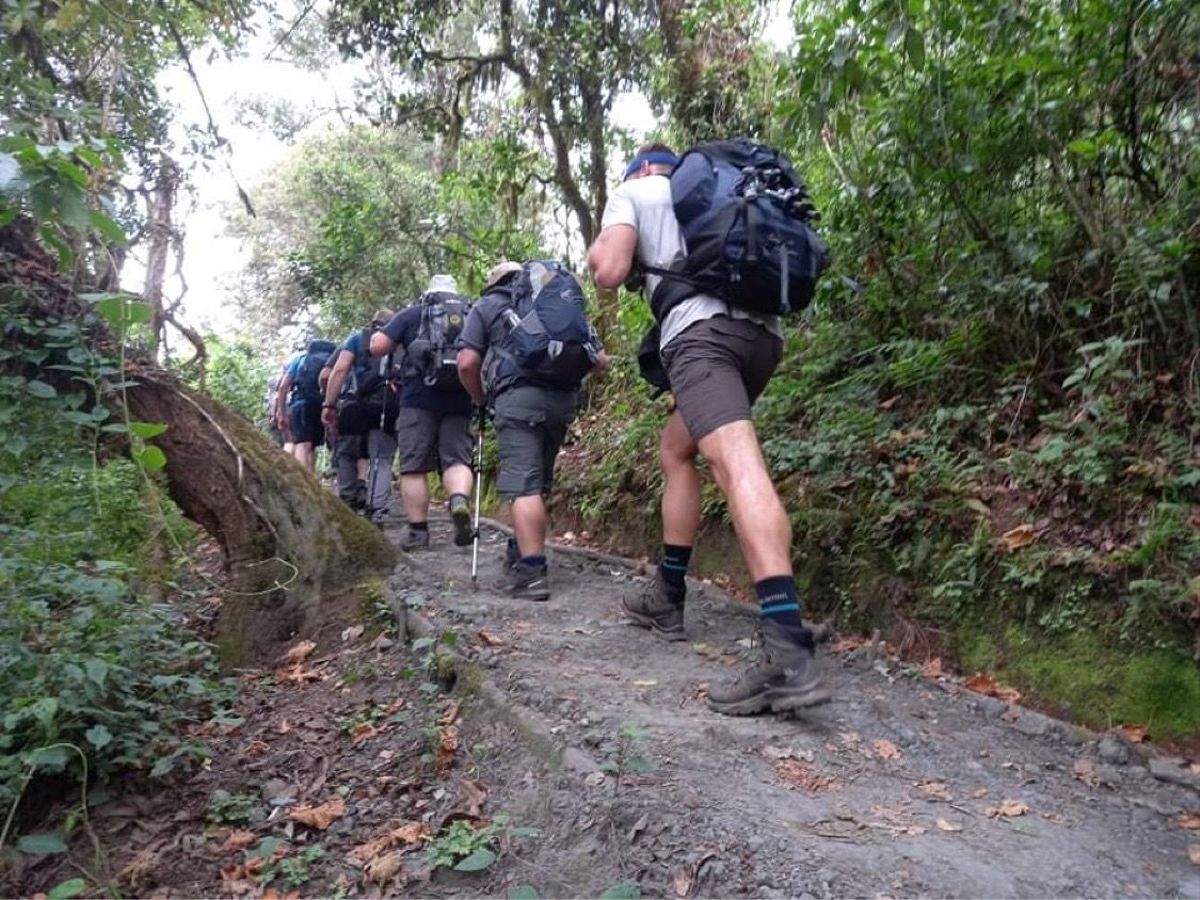
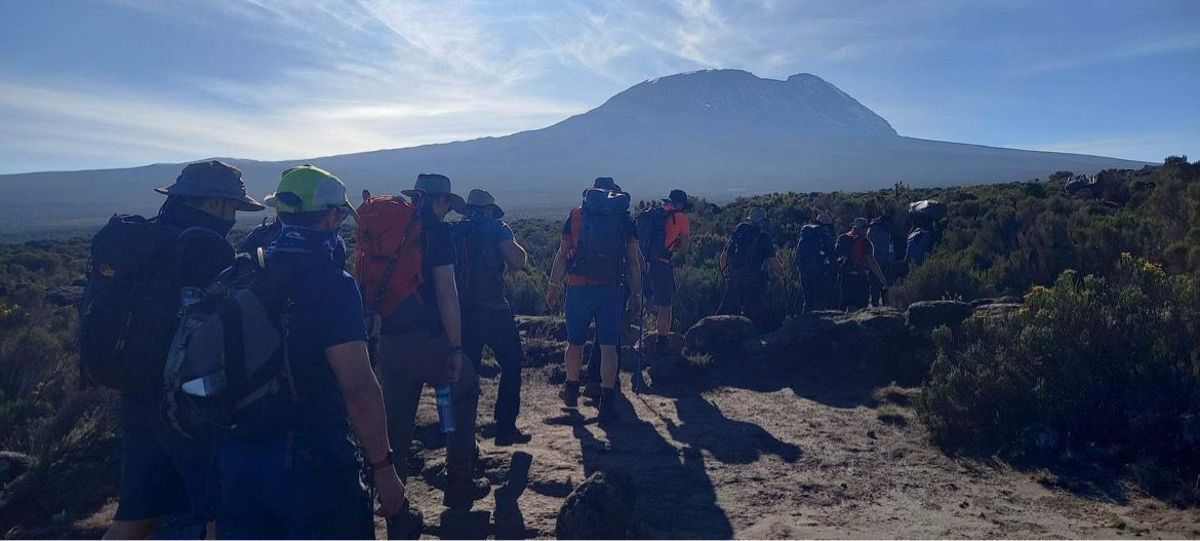
We will start trekking in shade of the rainforest and follow winding trails through lush, green canopy as we make our way to Mt Mkubwa Camp (Big Tree Camp) at 2,750m. This gentle introduction to the trail usually takes around 3 hours.
Tonight, we will camp at Big Tree Camp, your first night on the mountain. Get ready to fall asleep to the sounds of the forest and dreams of the summit ahead.
It all starts to feel real now as the trail begins to steepen and the landscape shifts dramatically.
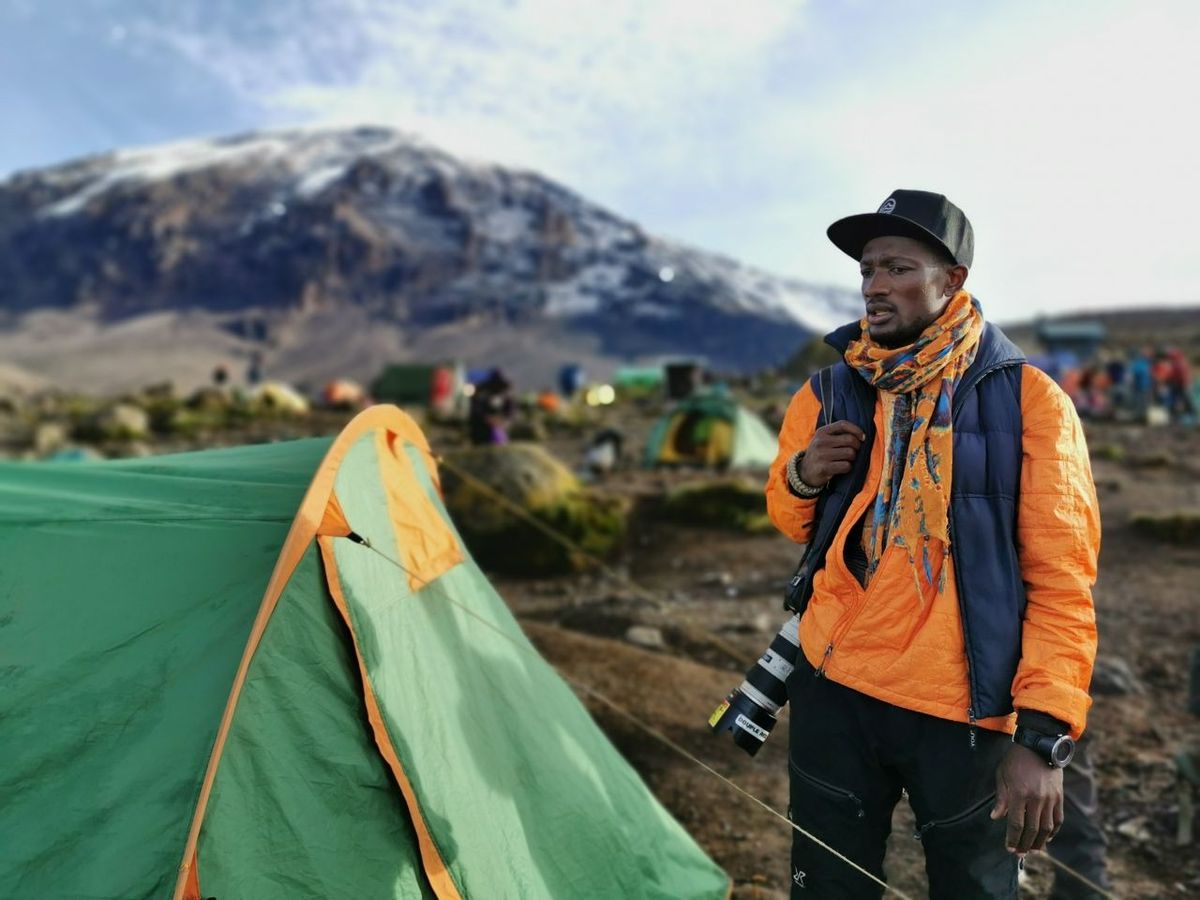
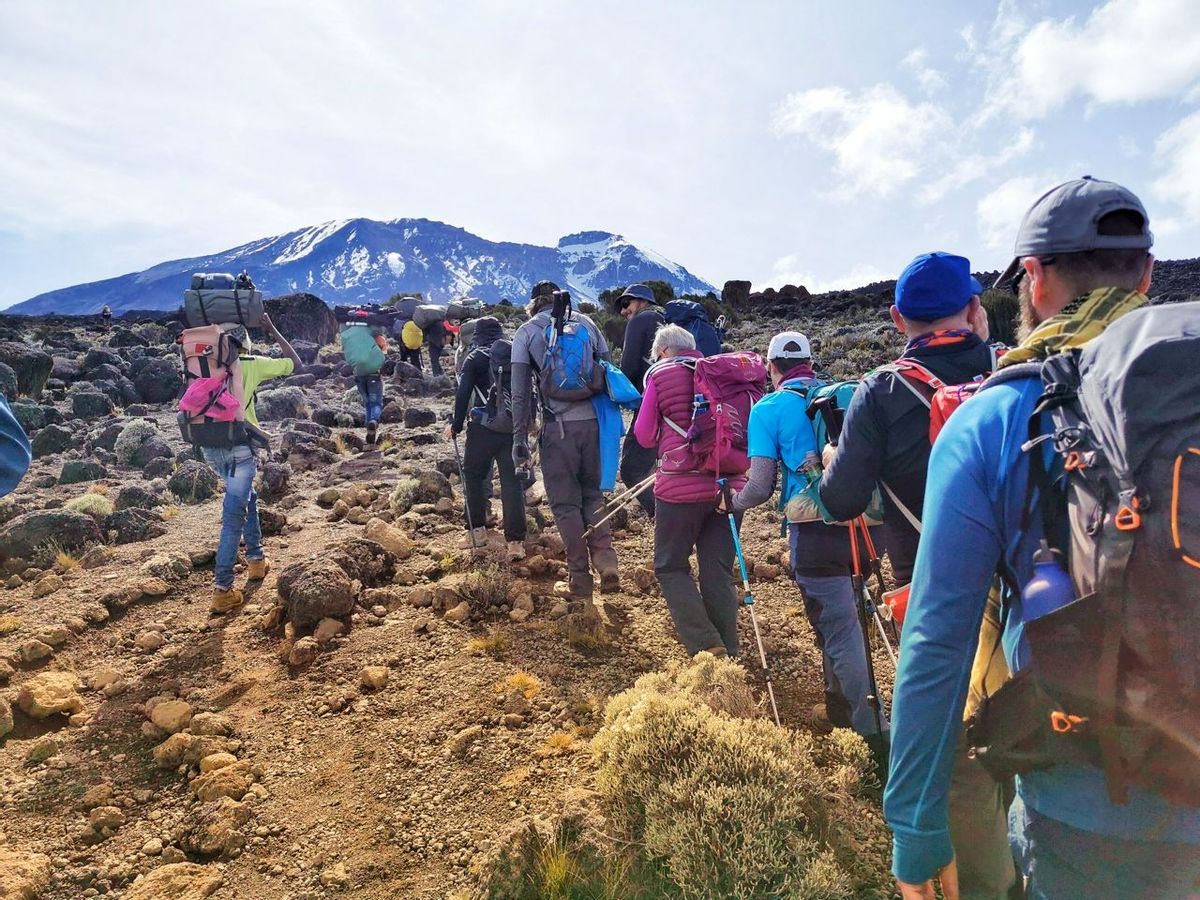
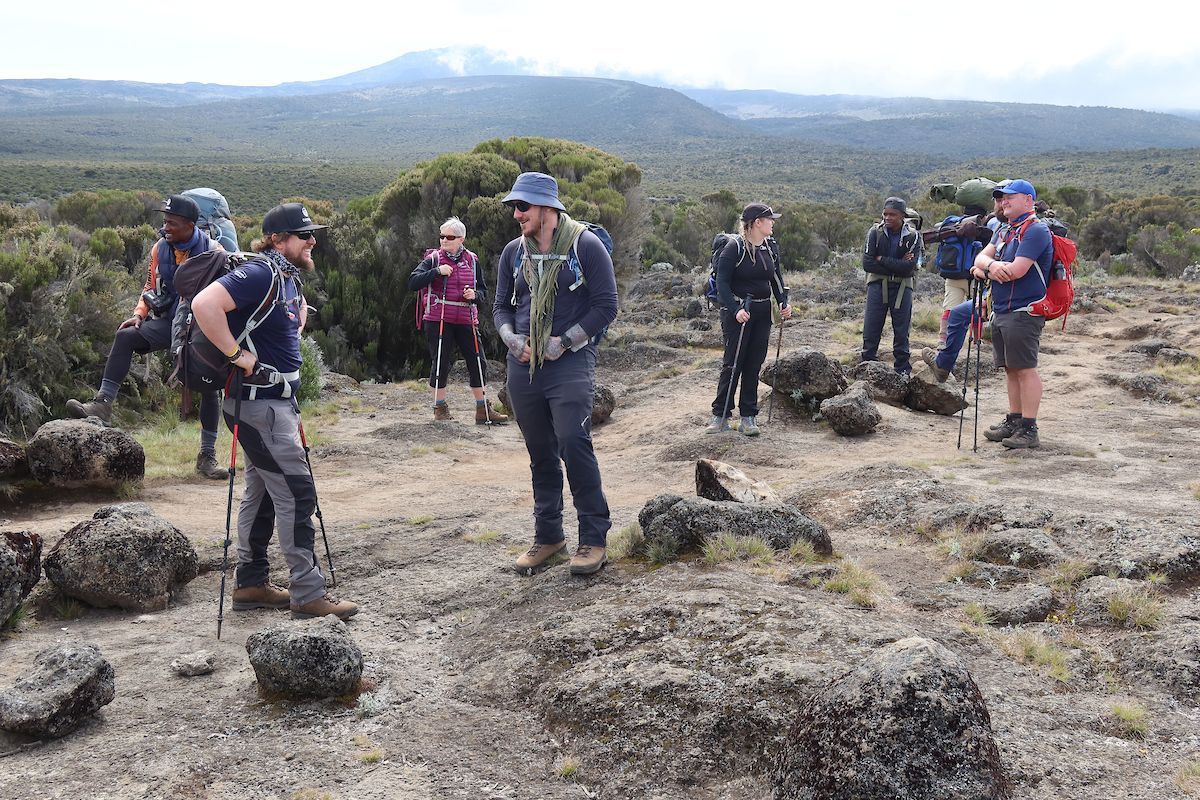
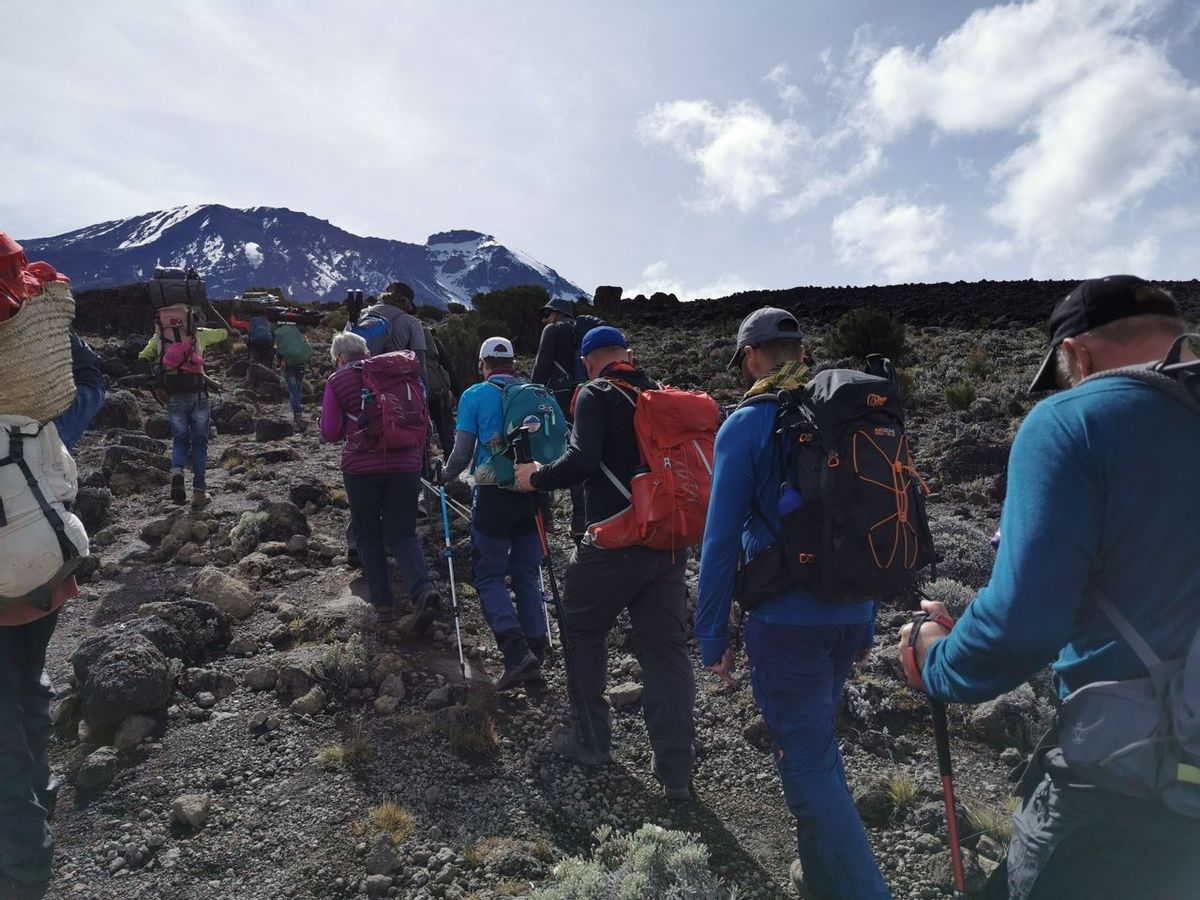
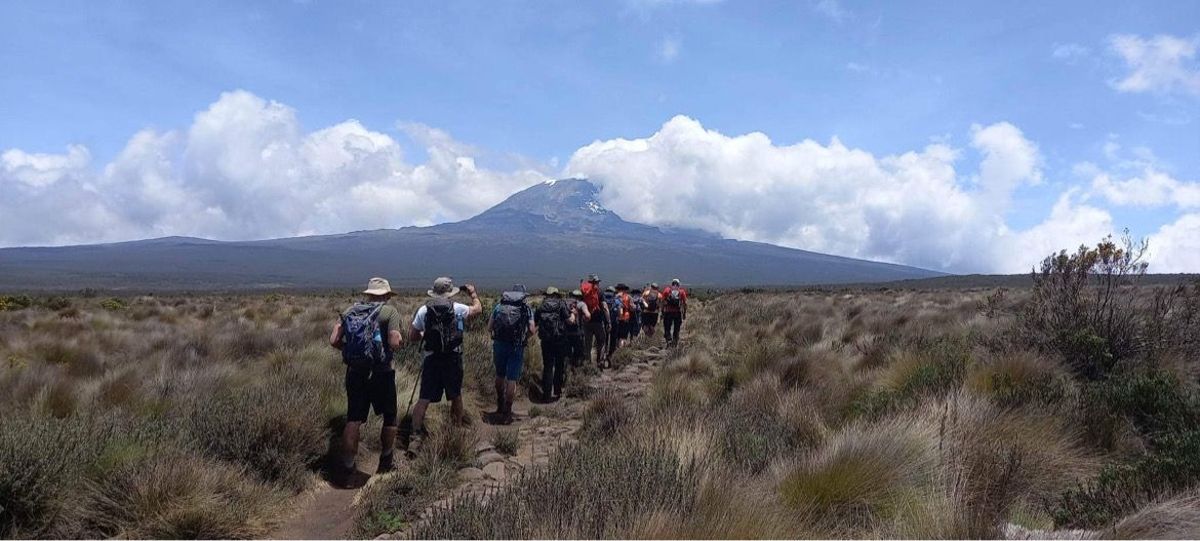
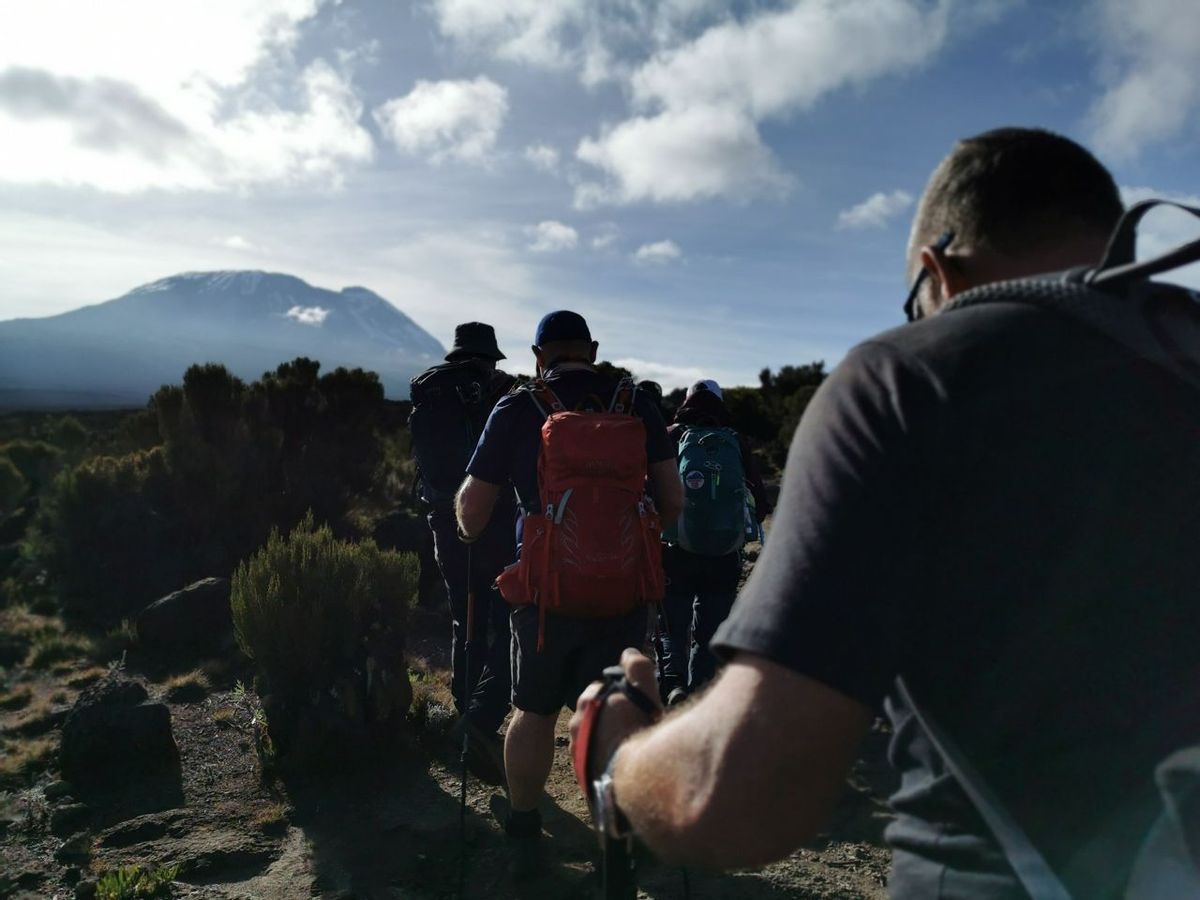
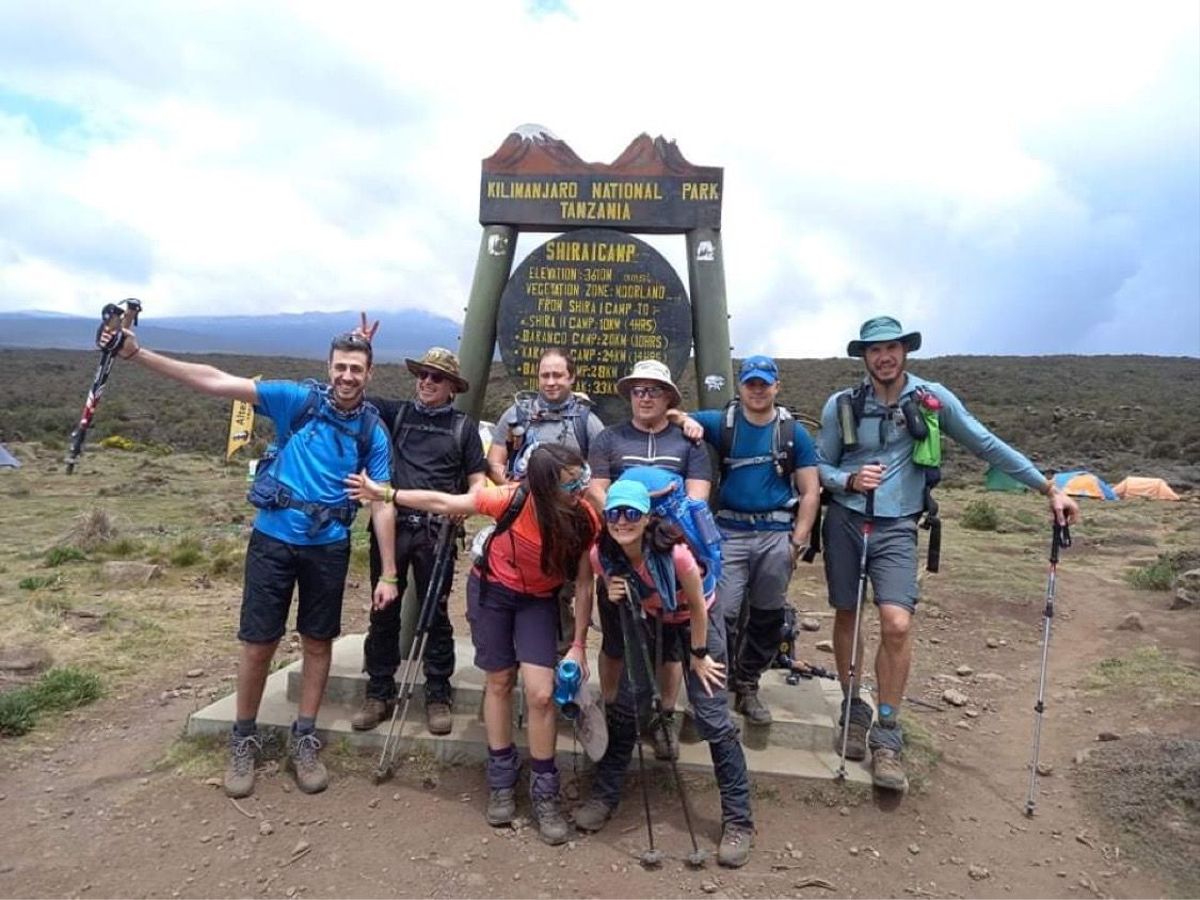
Today’s hike takes us steadily uphill as we leave the dense rainforest behind and ascend onto the Shira Plateau at around 3,600m. We enter the stunning giant heather moorland zone, a surreal landscape of twisted trees and open skies. Crossing the Shira Ridge, we’ll then descend gently to reach Shira 1 Camp at 3,500m, our home for the night.
Keep your eyes peeled along the way, this area is rich in wildlife, if you're lucky, you might catch a glimpse of the striking Augur Buzzard, soaring on the thermals.
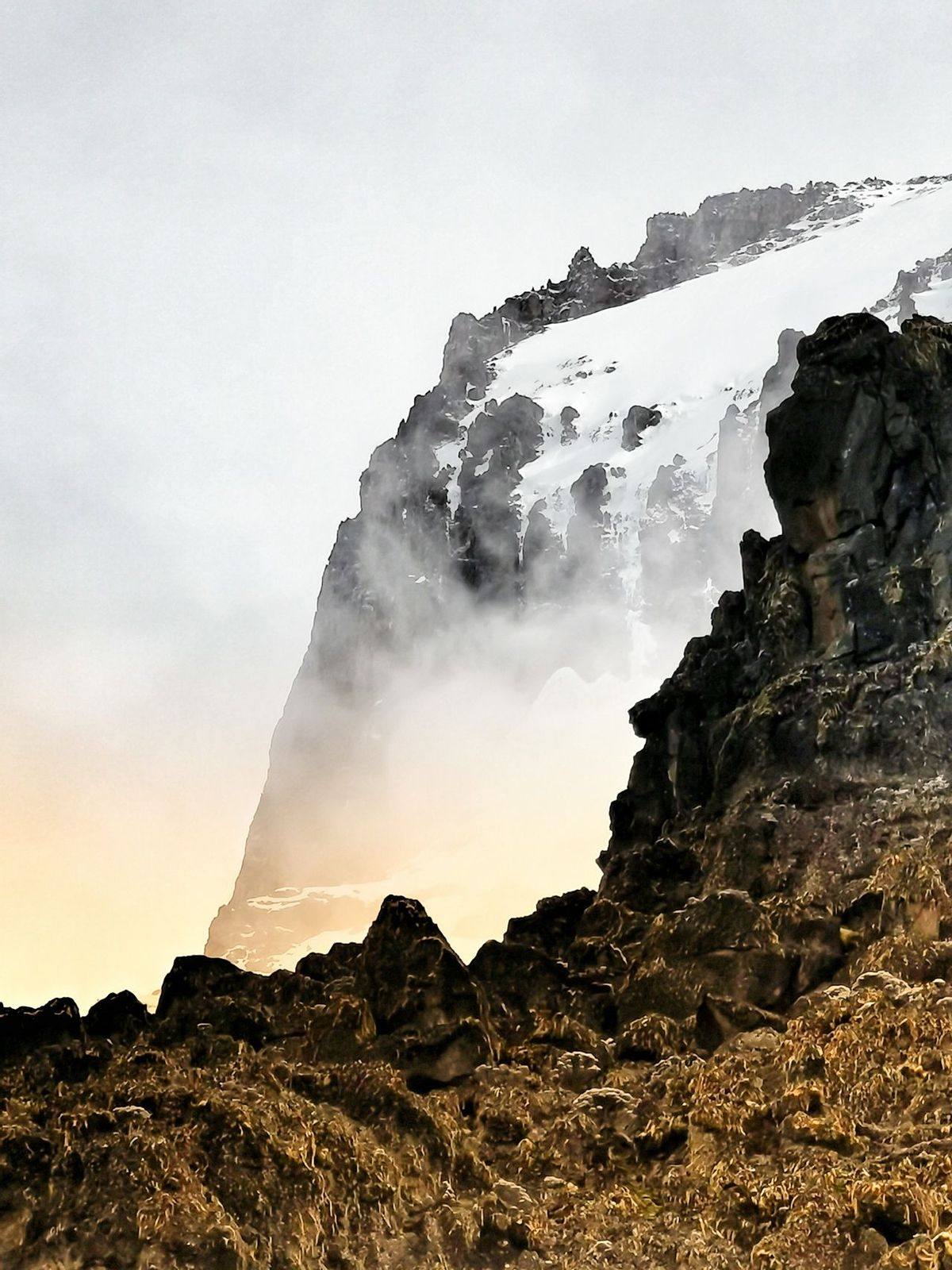
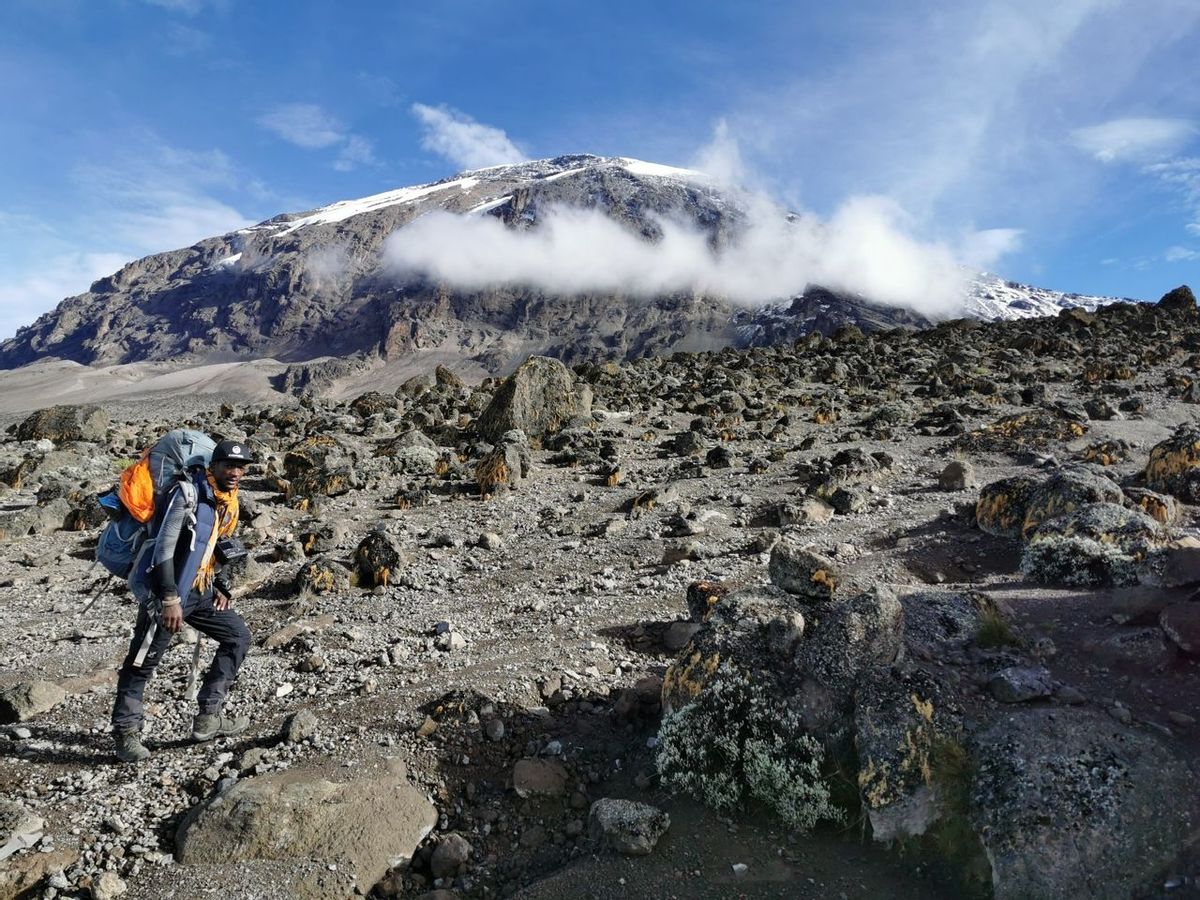
As we hike along the ridge, you'll begin to see the dramatic Western Breach wall of Kibo rising in the distance. When it’s capped with snow, it’s nothing short of breathtaking, a powerful reminder of the adventure still to come.
Today is all about taking it slow and letting our bodies acclimatise to the increasing altitude.
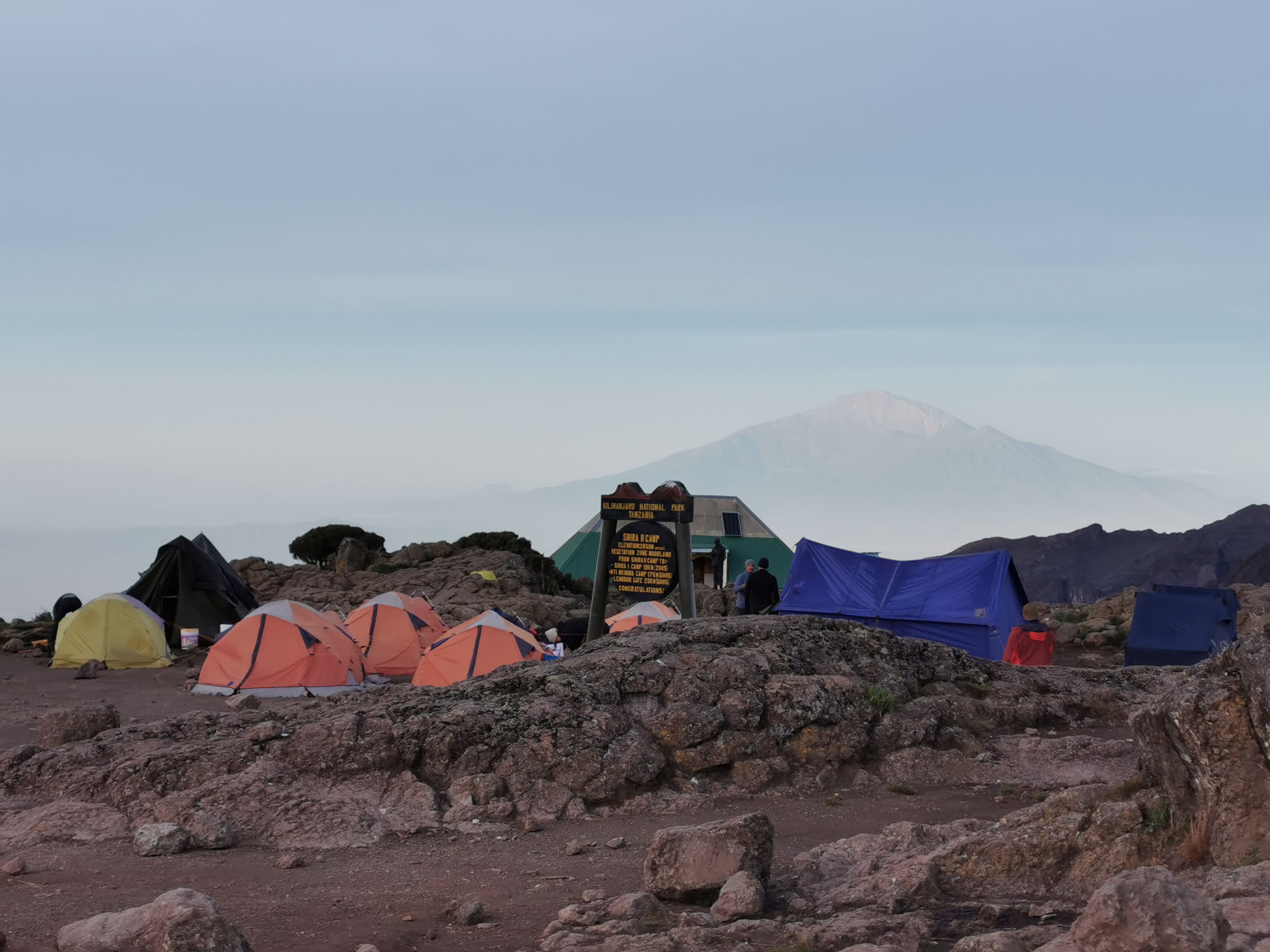
We’ll set off on a relaxed hike across the vast, open Shira Plateau, making our way to Shira 2 Camp at 3,850m. It’s a short trek, which gives us time to enjoy the incredible scenery and take in the fresh mountain air.
With the extra time in camp, we’ll explore the nearby Shira Caldera, the remnants of Kilimanjaro’s oldest volcano, which last erupted around 700,000 years ago. It’s a dramatic and ancient landscape that adds a whole new layer to the adventure.
If you’re feeling strong, we’ll take on the optional hike up to the summit of Shira Cathedral, gaining around 200m in elevation. It’s a great way to acclimatise the body the and the views from the top are well worth the effort.
Each step brings you closer to the roof of Africa!
Today, the landscape changes once again as we leave the moorlands behind and make our way into the alpine desert zone.
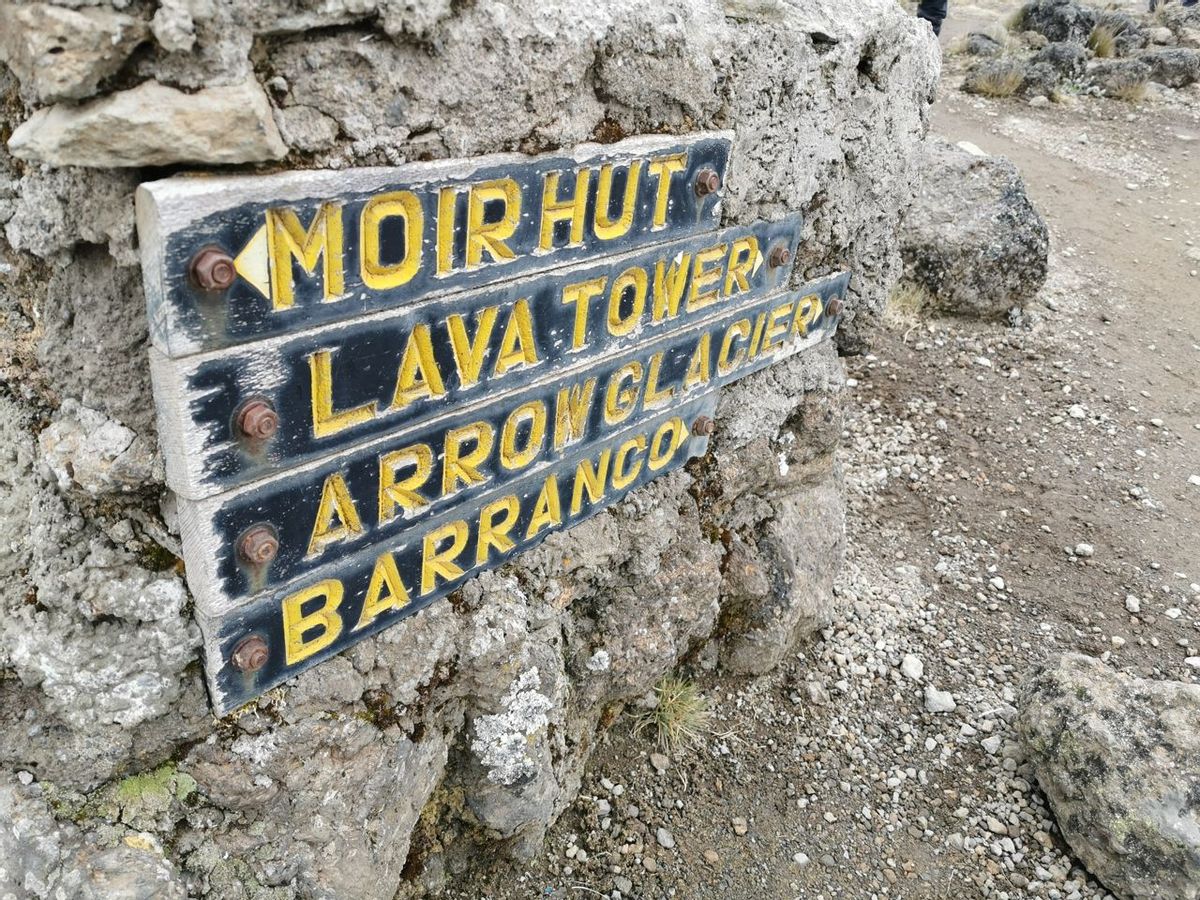
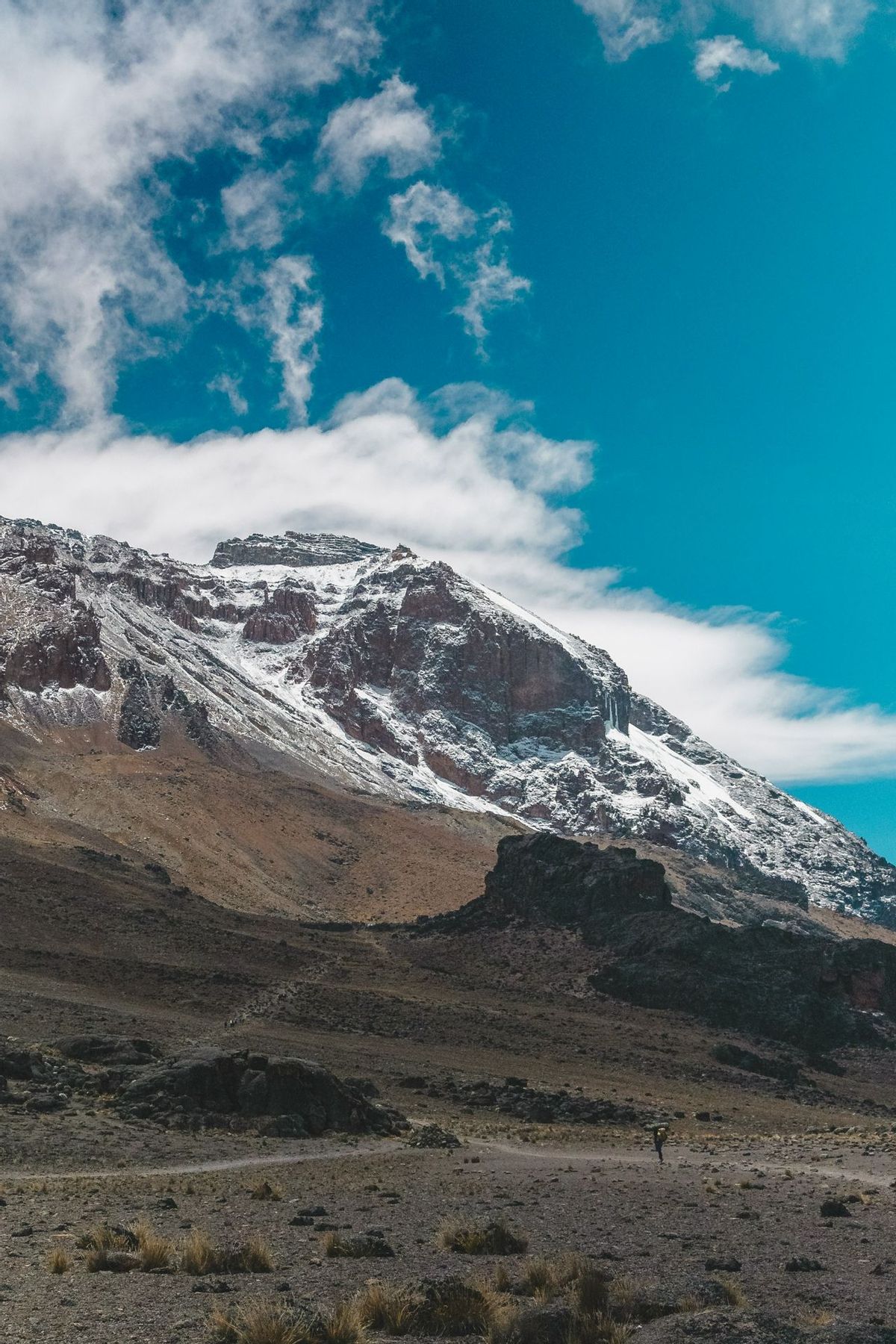
We’ll ascend a rocky trail that winds its way up towards the striking Lava Tower, an impressive volcanic formation that rises dramatically from the landscape at around 4,600m. This is one of the key acclimatisation points on the route, and while we won’t be camping at this height, the time spent here helps your body continue adjusting to the thinning air.
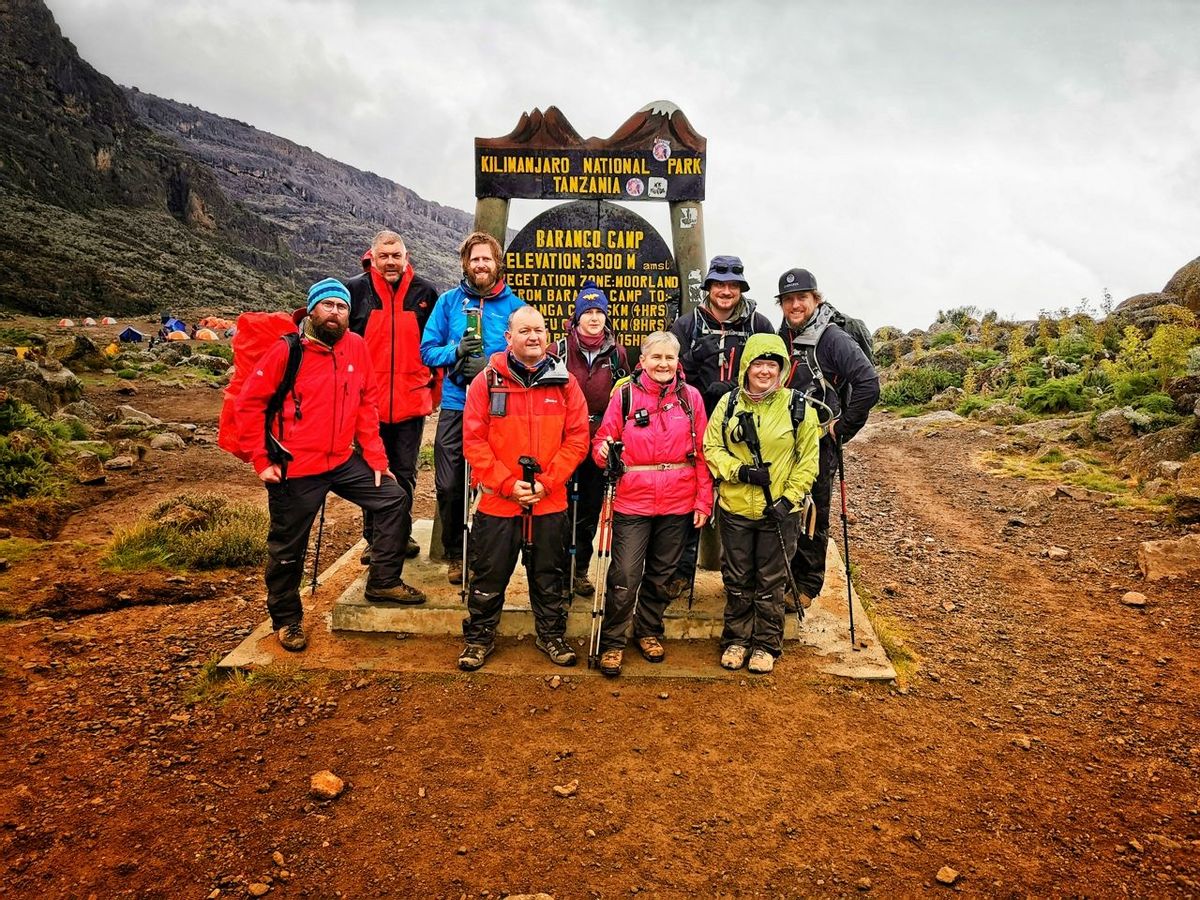
From the Lava Tower, we descend steadily into the beautiful Barranco Valley, surrounded by towering cliffs and bizarre, alien-looking giant groundsels.
We will take it slow and steady as we make our way to Barranco Camp at 3,950m, one of the most scenic campsites on the mountain.
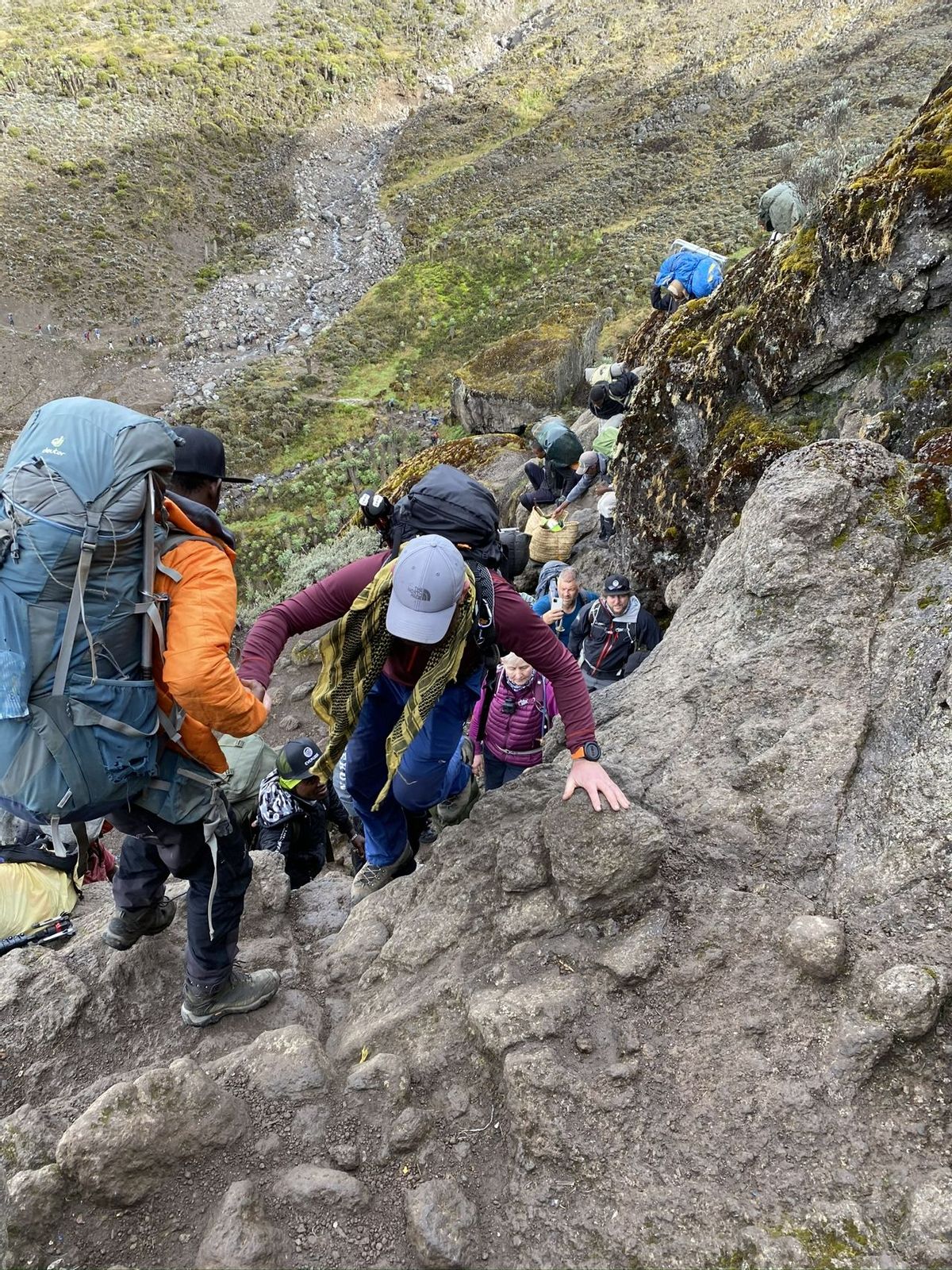
After breakfast, we set off to conquer one of the most iconic features of the mountain, the Barranco Wall.
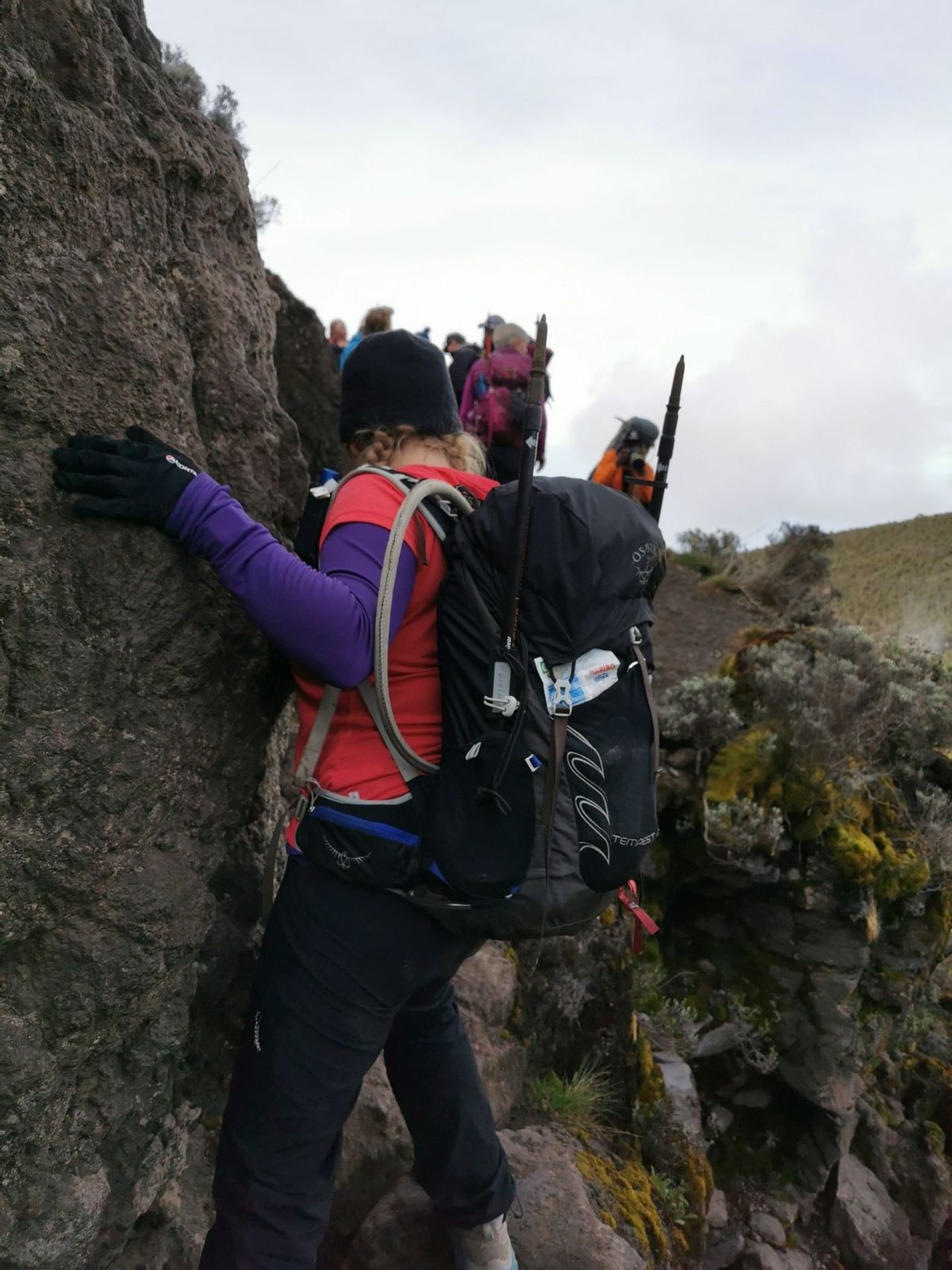
From Barranco Ridge, we begin our steady ascent up the imposing wall, a thrilling climb that offers spectacular views back across the valley. While it may look daunting from below, the climb is achievable with careful footing and a bit of determination, and it’s often a favourite part of the trek for many climbers.
Once we’ve reached the top, we continue along a gentler path towards the foot of the Heim Glacier, where the dramatic ice and rock landscape reminds us just how close we’re getting to the summit.
Today is a relatively short hiking day, giving you a free afternoon to rest, refuel, and take in the incredible scenery. Soak up the atmosphere, snap some photos, and let your body recover as we prepare for the challenges ahead.
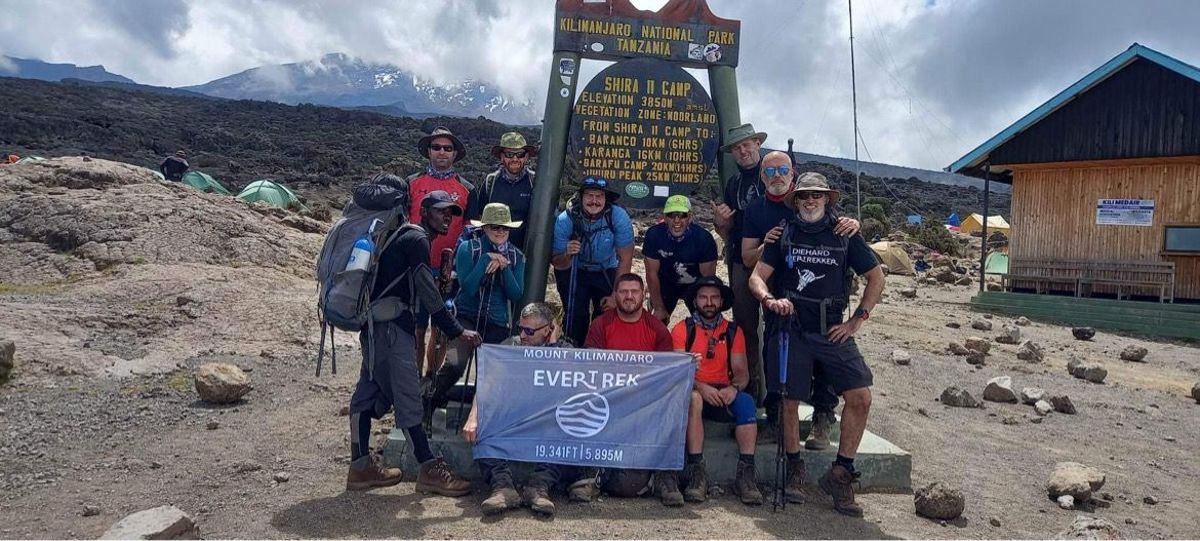
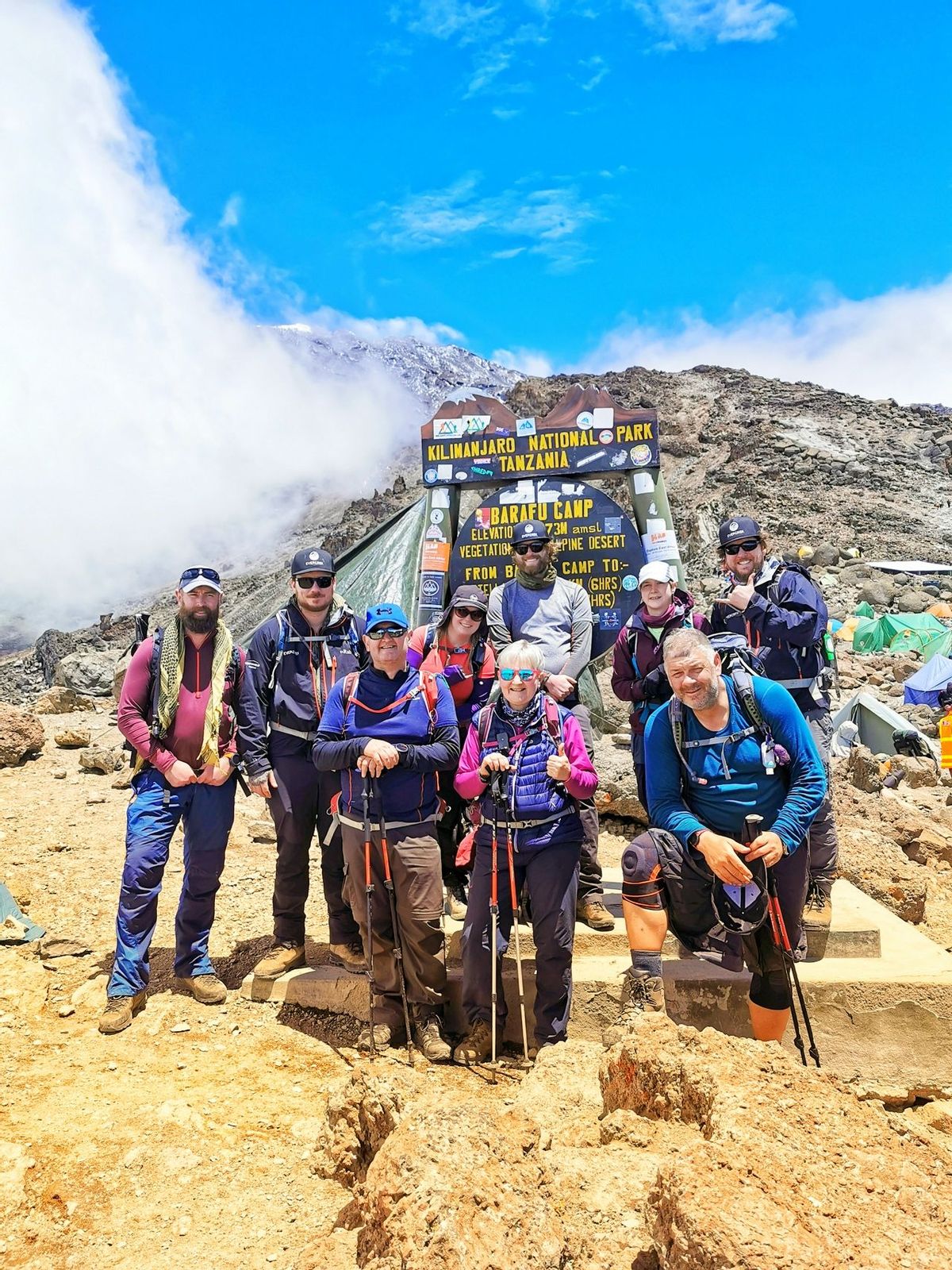
Today, we gain serious altitude as we make our way to Barafu Hut, perched at 4,550m.
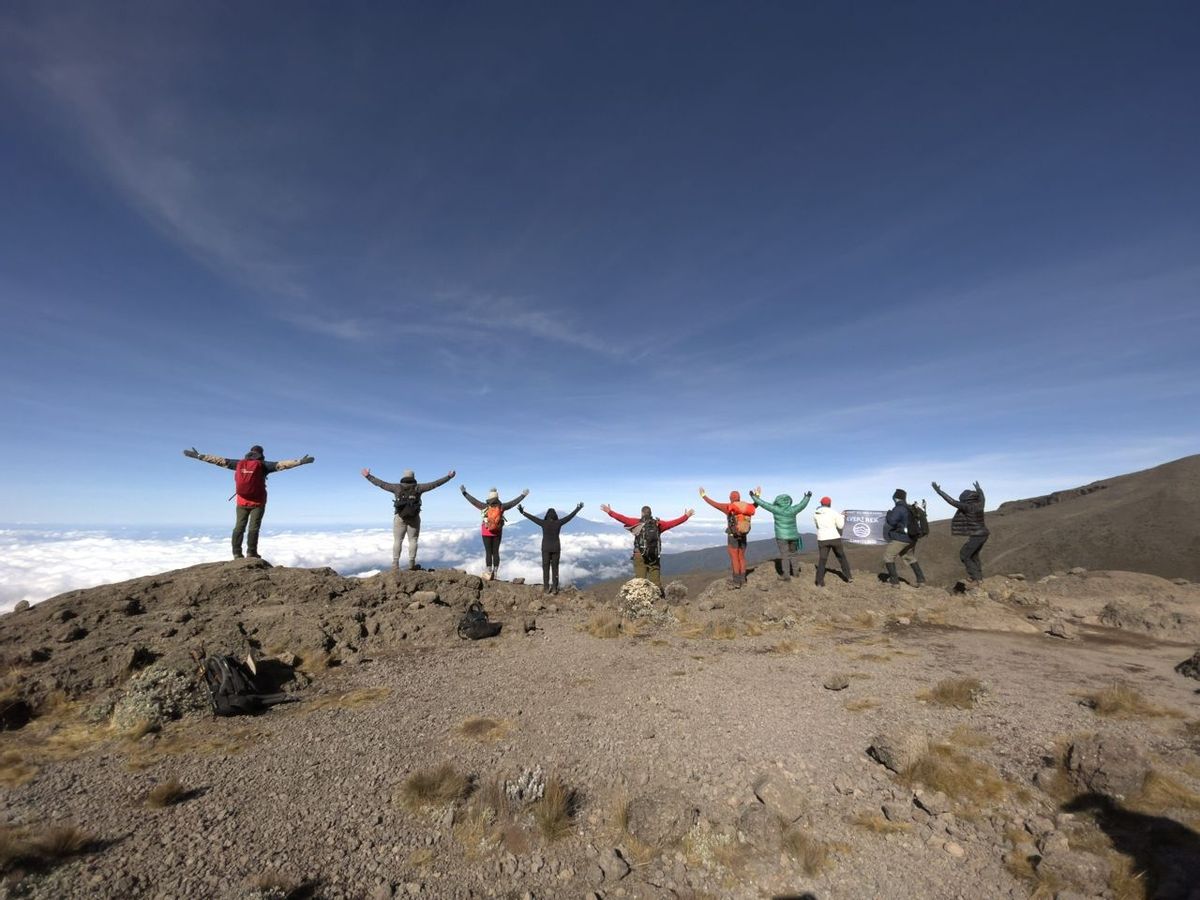
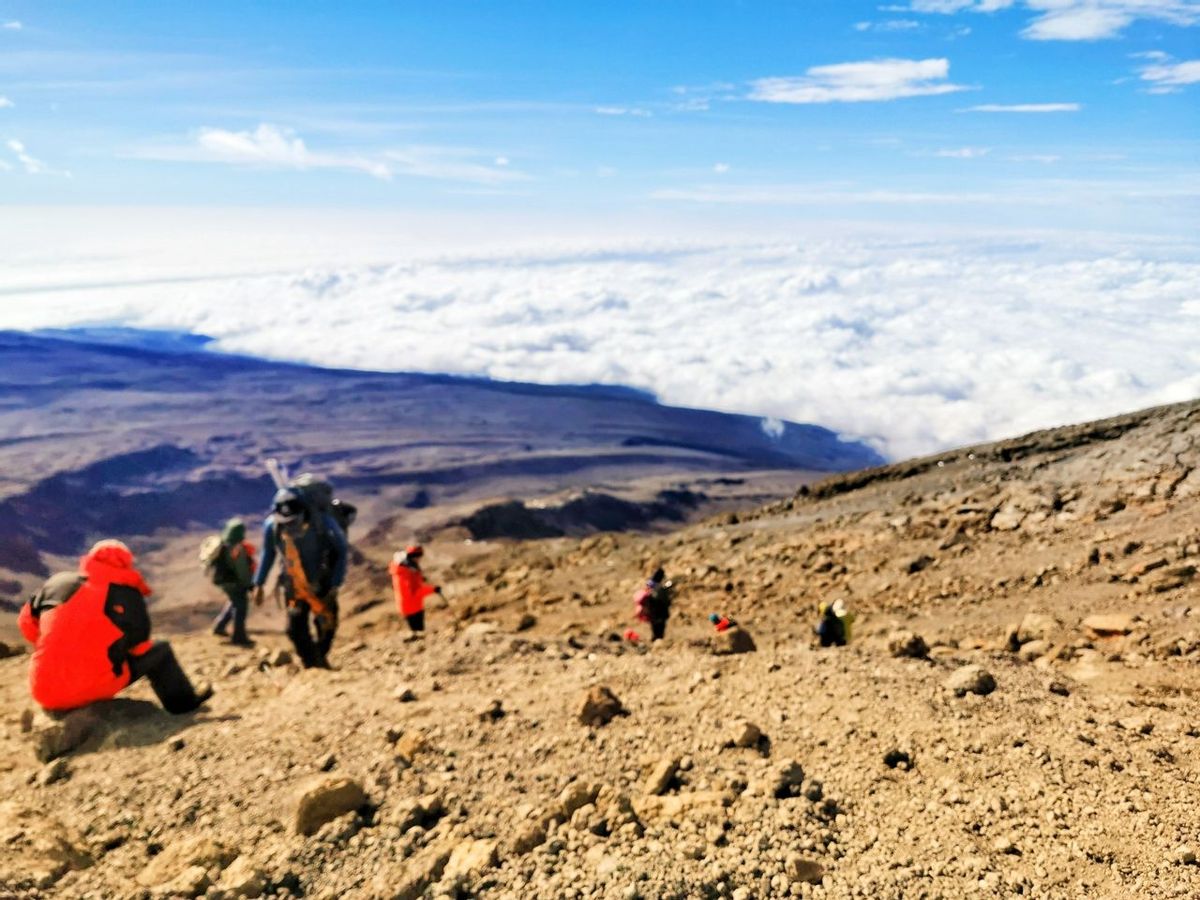
The landscape becomes stark and dramatic, a rugged, windswept volcanic wilderness that feels like another planet. As you hike higher, you’ll find yourself well above the cloud line, with breathtaking views stretching out beneath your feet.
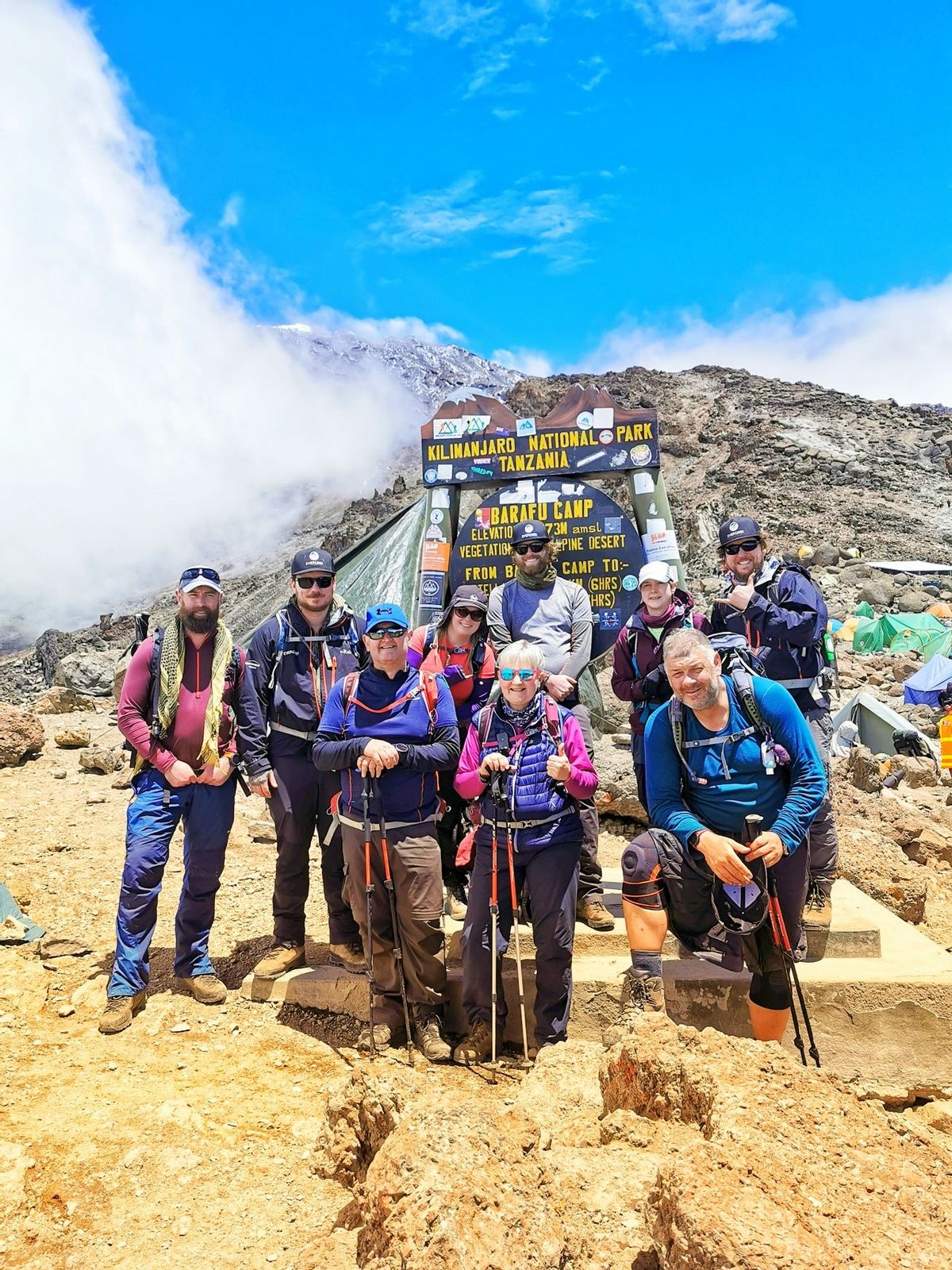
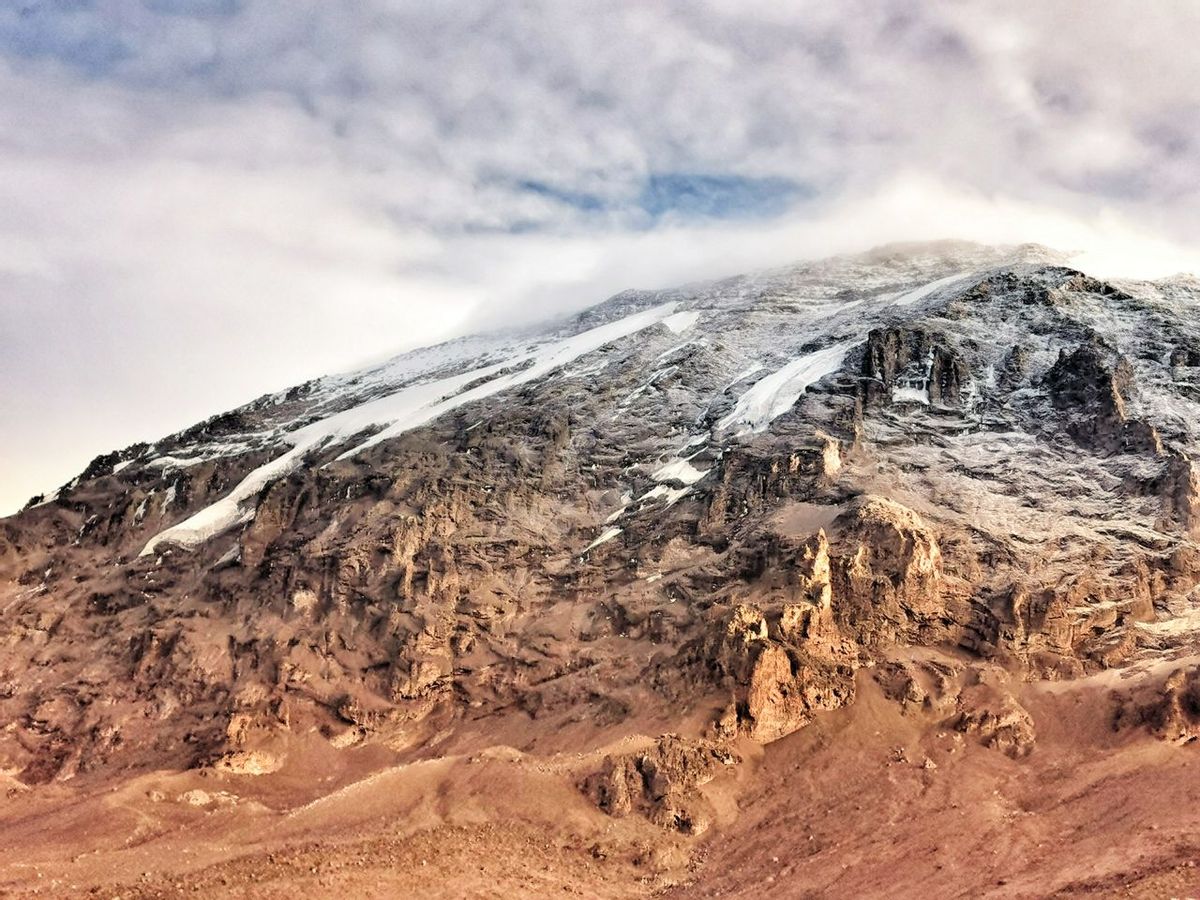
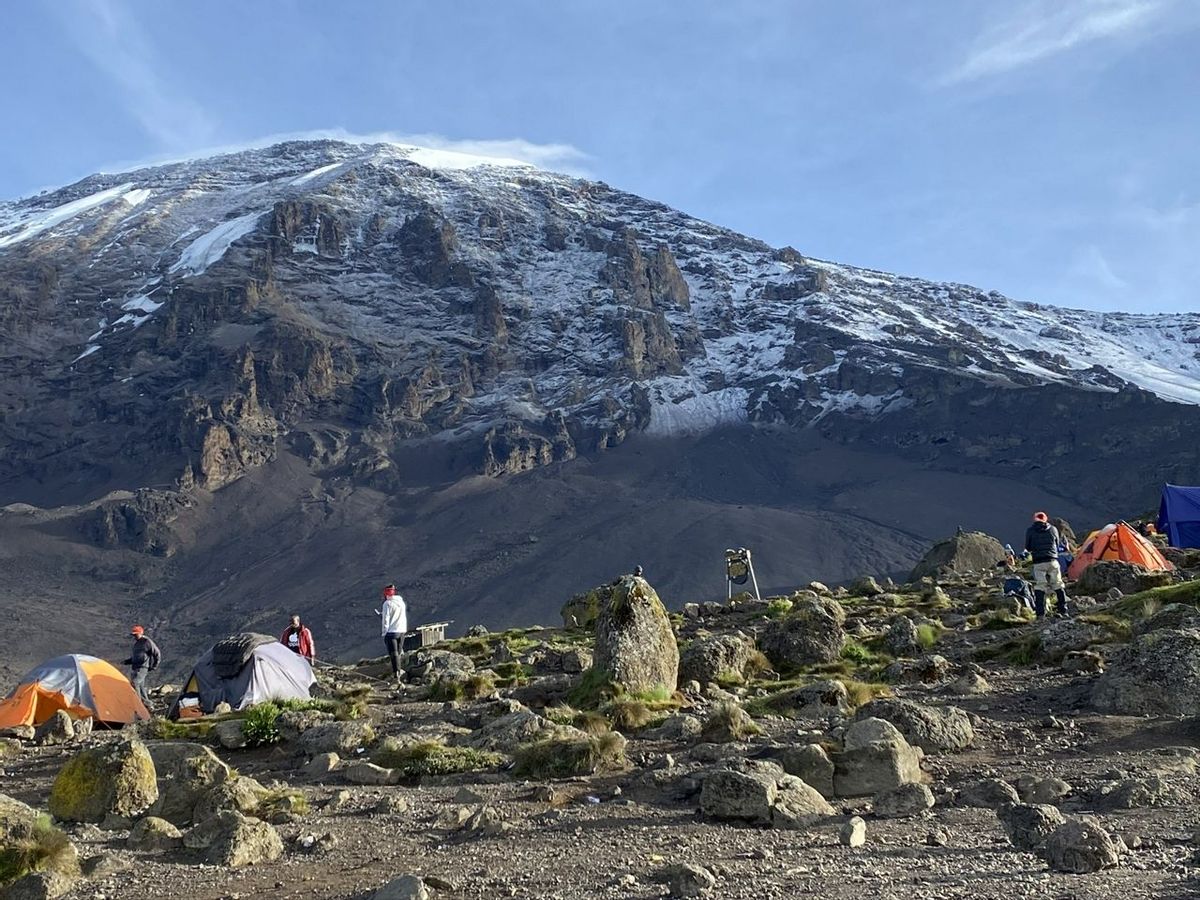
From this vantage point, the twin peaks of Mawenzi and Kibo come into full view, a powerful reminder of what lies ahead. Barafu Camp, which means "ice" in Swahili, will be our final base before the summit attempt. We’ll arrive in time to rest, eat, and make our final preparations. It’s an early night tonight as you’ll want all the energy you can muster for the push to the summit in just a few short hours.
You're so close now, the Roof of Africa is within reach!
This is it, summit day. Time to take on the highest mountain in Africa and one of the legendary Seven Summits!
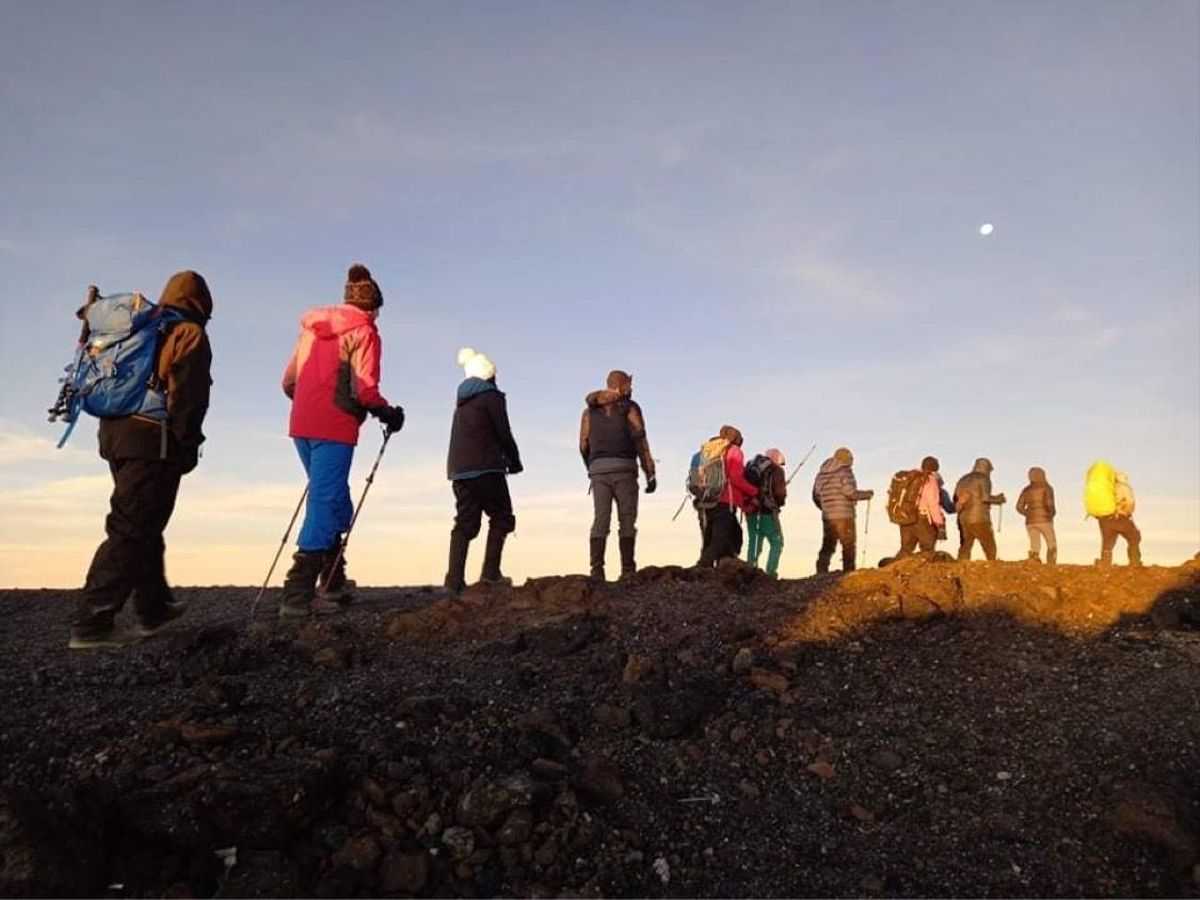
We’ll rise around midnight and fuel up with a light breakfast to prepare our bodies for the challenge ahead. Head torches on, layers zipped up, and then we begin the long, steady climb in the dark.
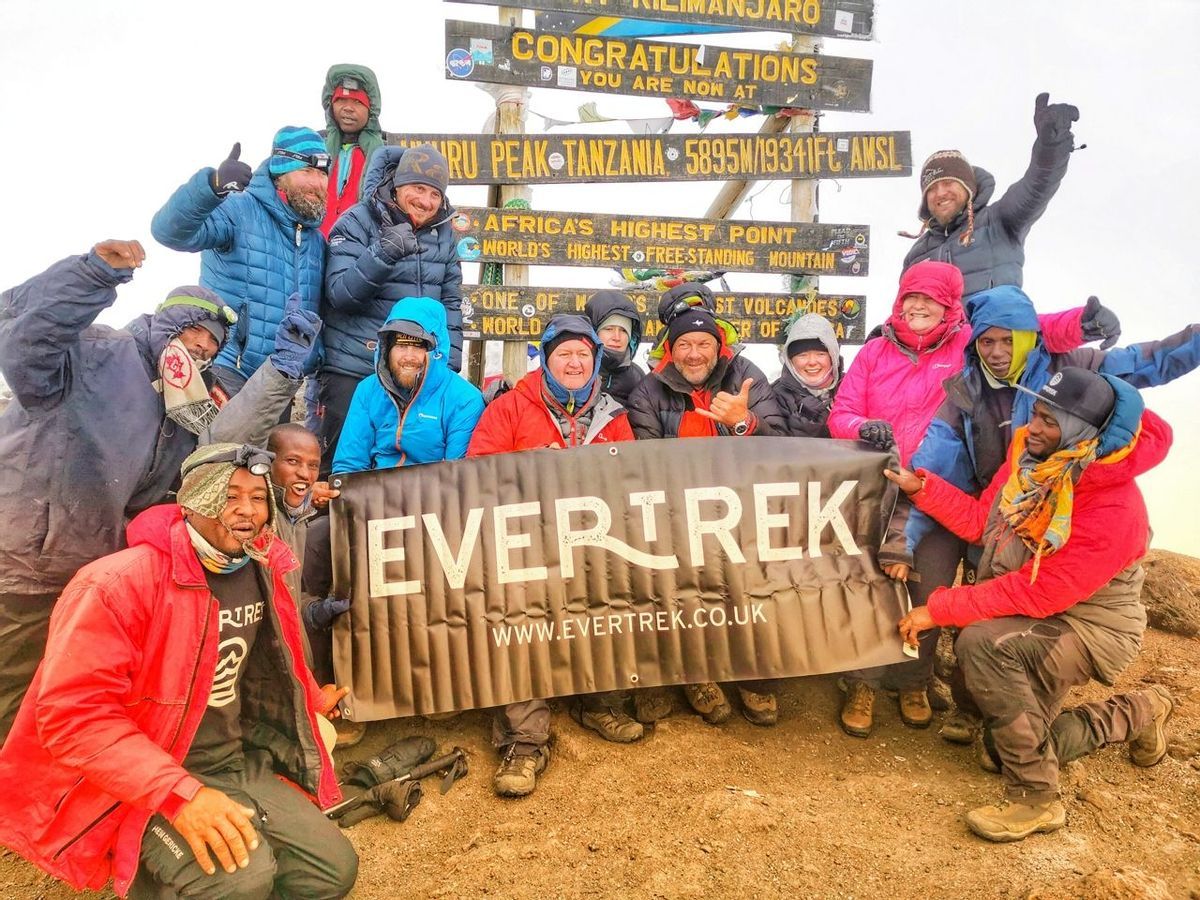
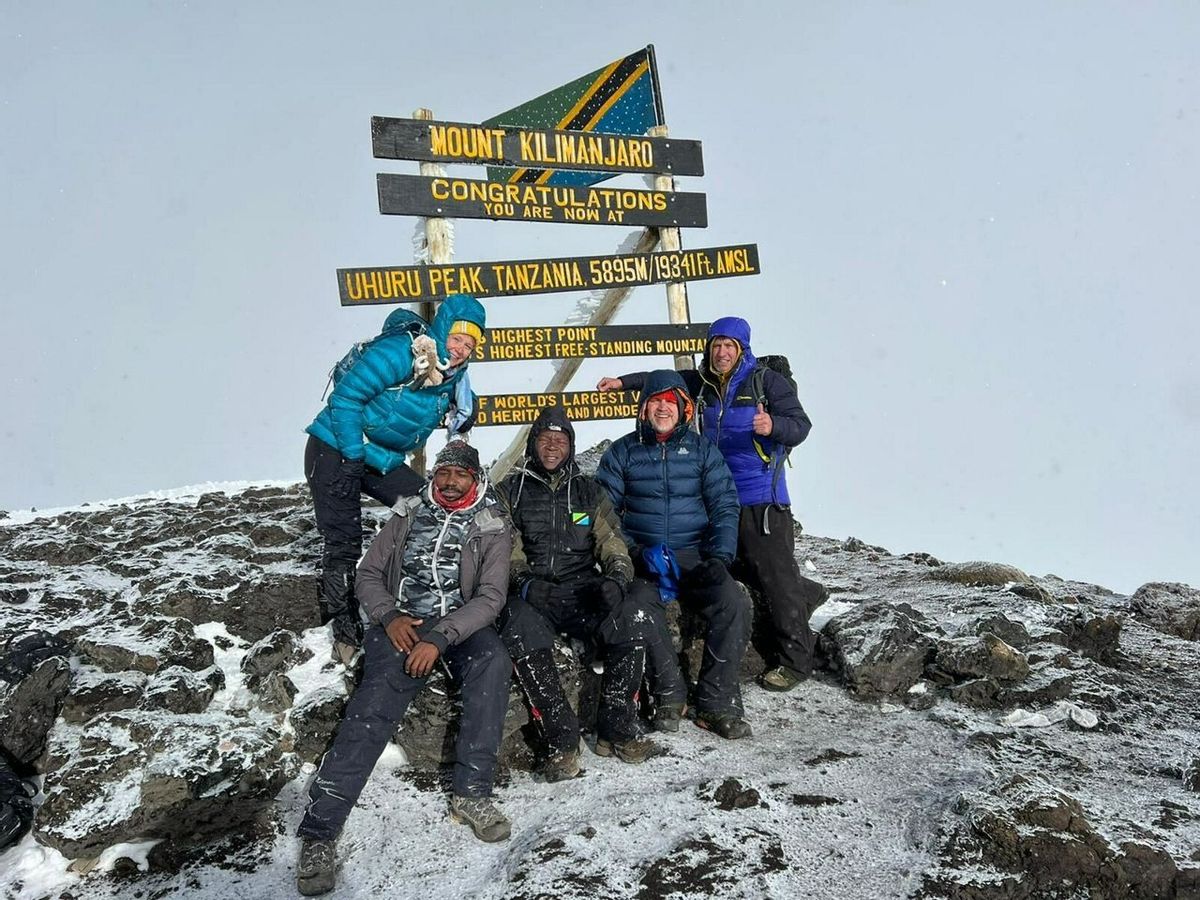
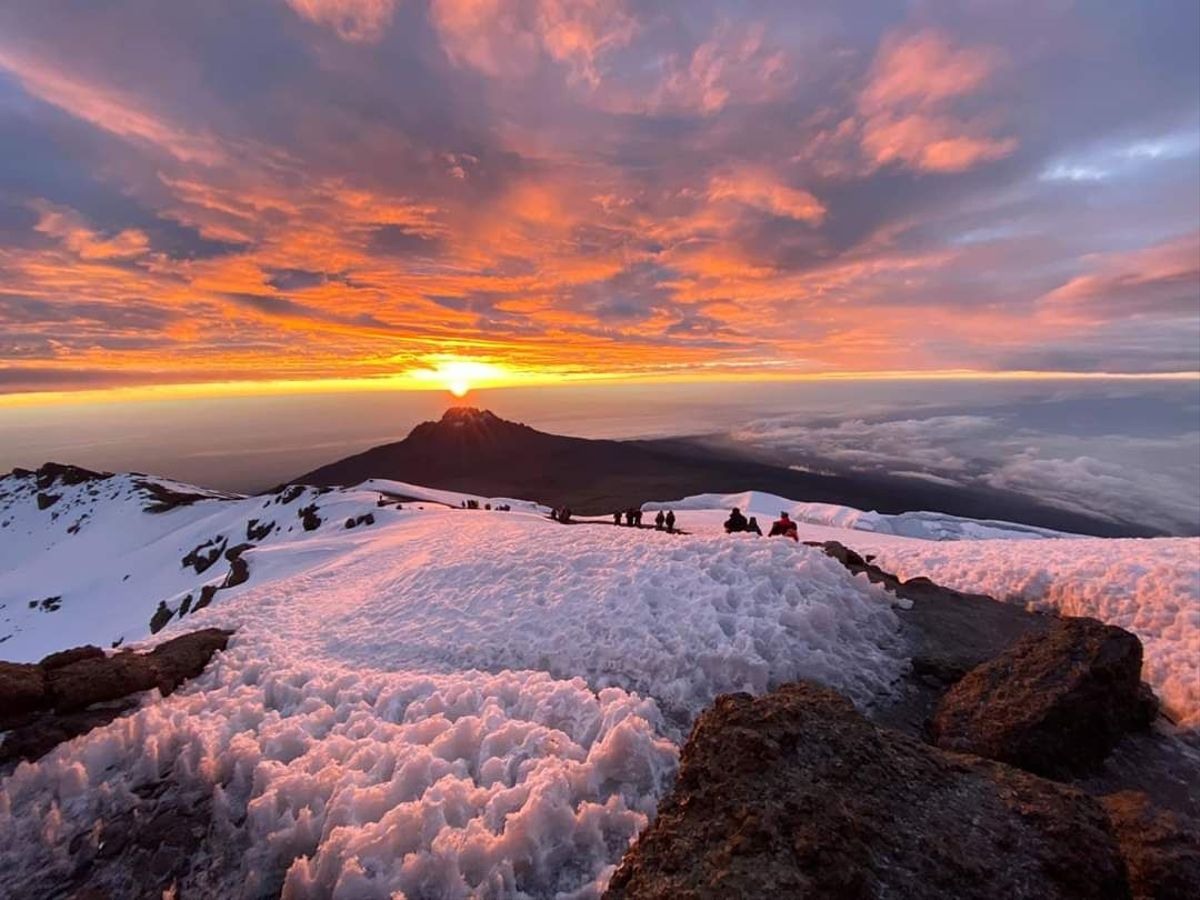
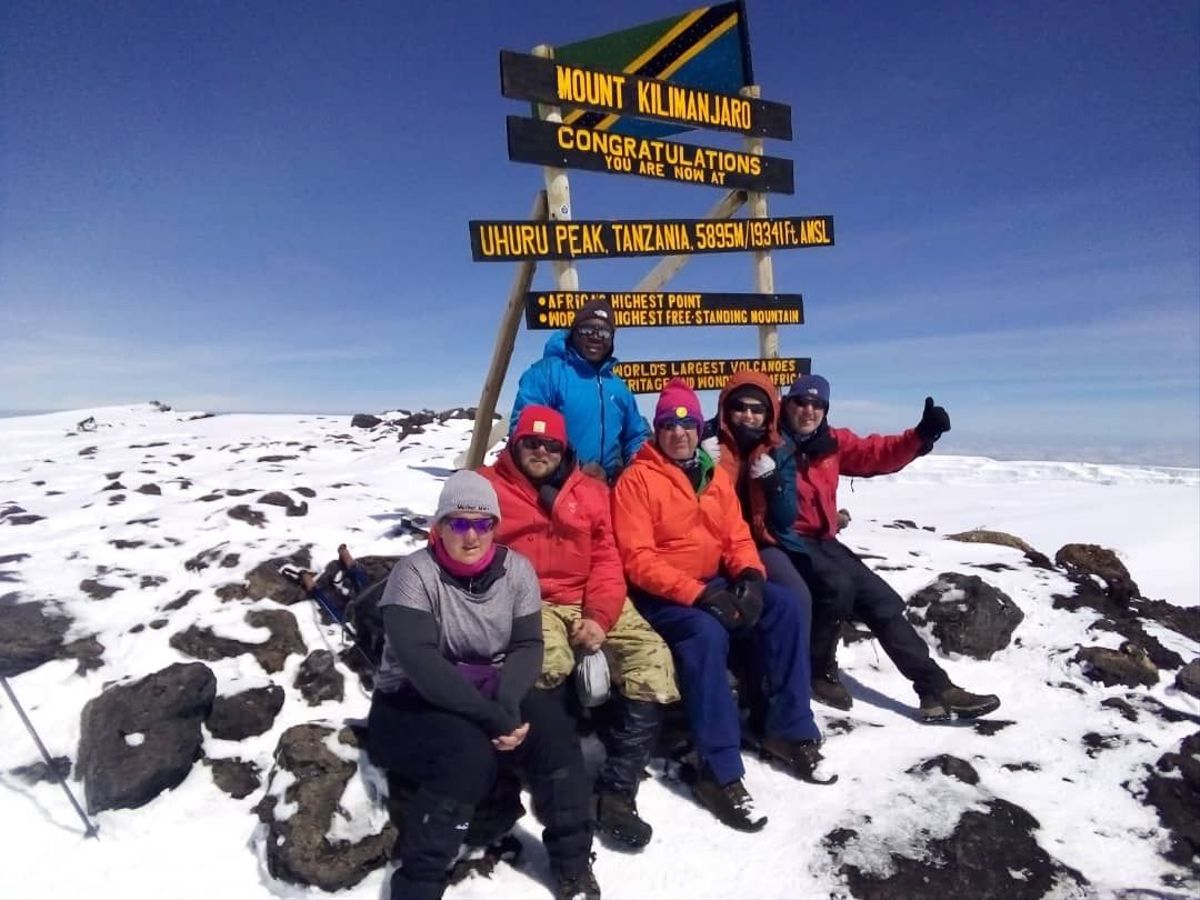
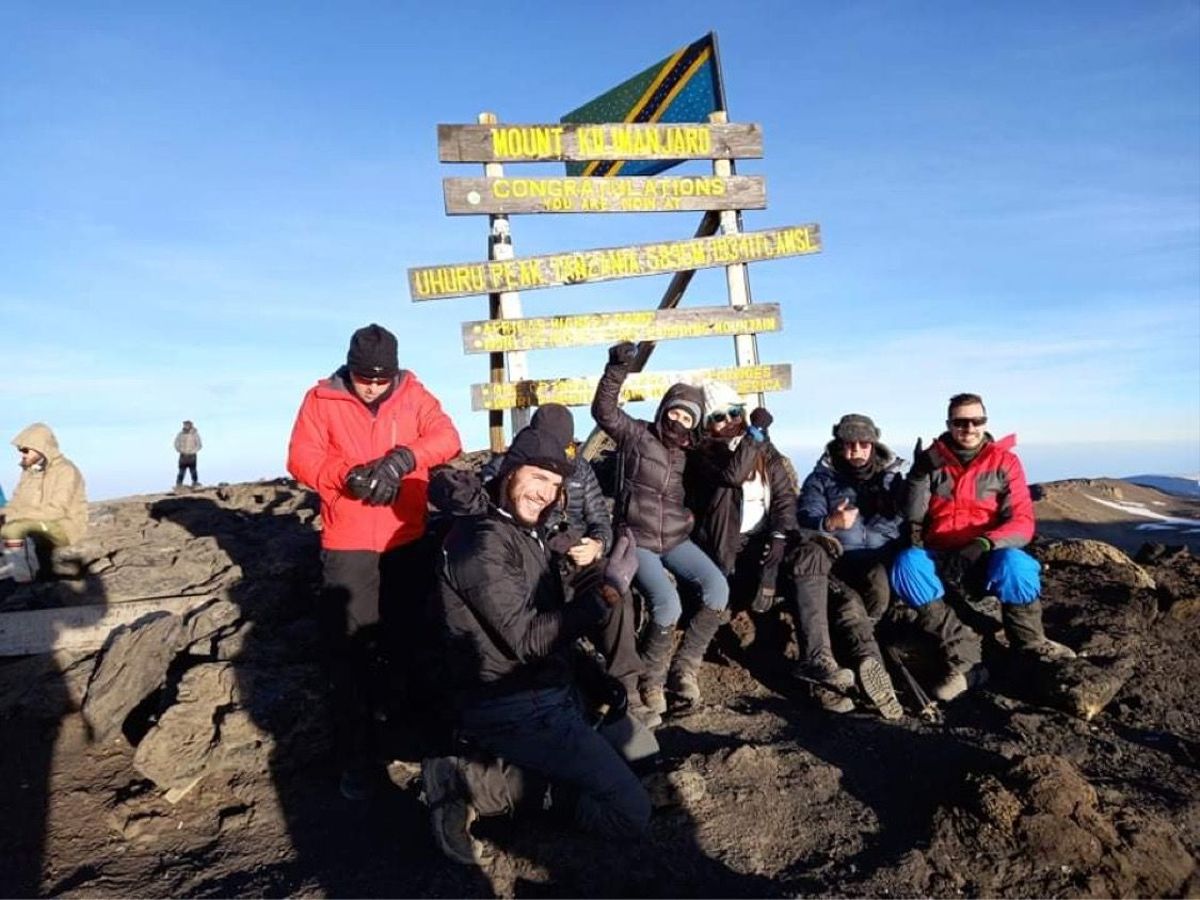
The incline becomes steep and demanding, but we’ll move slowly and deliberately, step by step, in the cold silence of the early hours. After several hours of determined trekking, we’ll reach Stella Point on the crater rim, just as the sun begins to rise. From Stella Point, it’s another couple of hours along the rim to the summit, Uhuru Peak at 5,895m, the highest point in Africa.
You’ve made it. YOU’VE DONE IT. Welcome to the Roof of Africa!
After taking in the incredible views, snapping your summit photos, and catching your breath, we begin the descent back to Barafu Hut for a well-earned meal and a bit of rest.
But the day’s not over yet, we’ll continue down to Mweka Camp, dropping to lower altitude where your body can start to recover. Dinner awaits, along with your final night sleeping on the mountain.
Your legs may be a little sore this morning, but the hardest part is behind you.
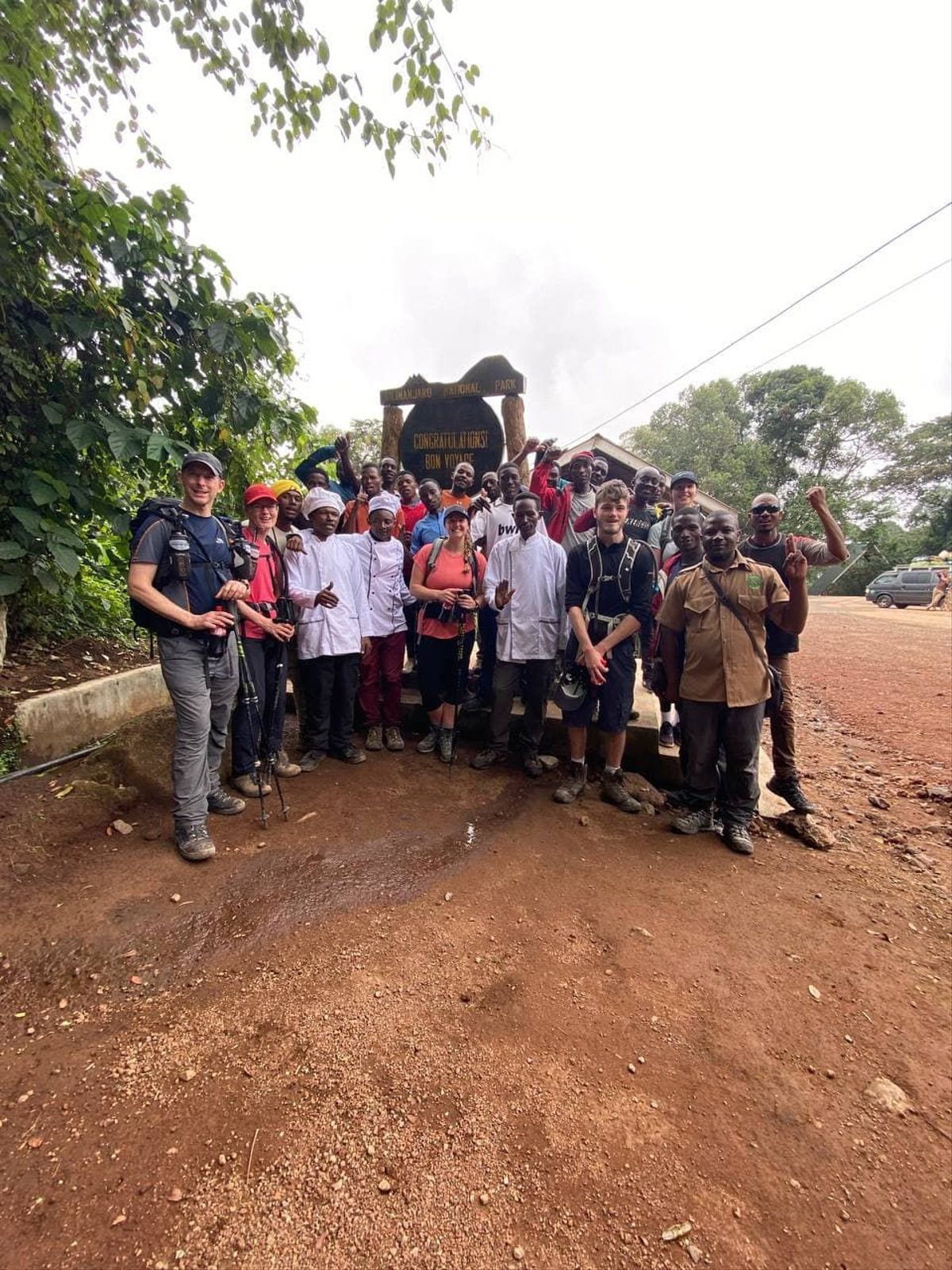
After breakfast, we begin our final descent through the lush rainforest, making our way down to Mweka Gate. Here, you’ll sign out of the national park and say a heartfelt goodbye to the mountain that’s challenged and inspired you over the past week.
From the gate, you’ll be transferred back to Springlands Hotel in Moshi, where a hot shower, clean clothes, and some well-earned rest await. Depending on your group’s descent time, and if you haven’t already had the chance, there may be an opportunity this afternoon to visit a local school and connect with the Moshi community.
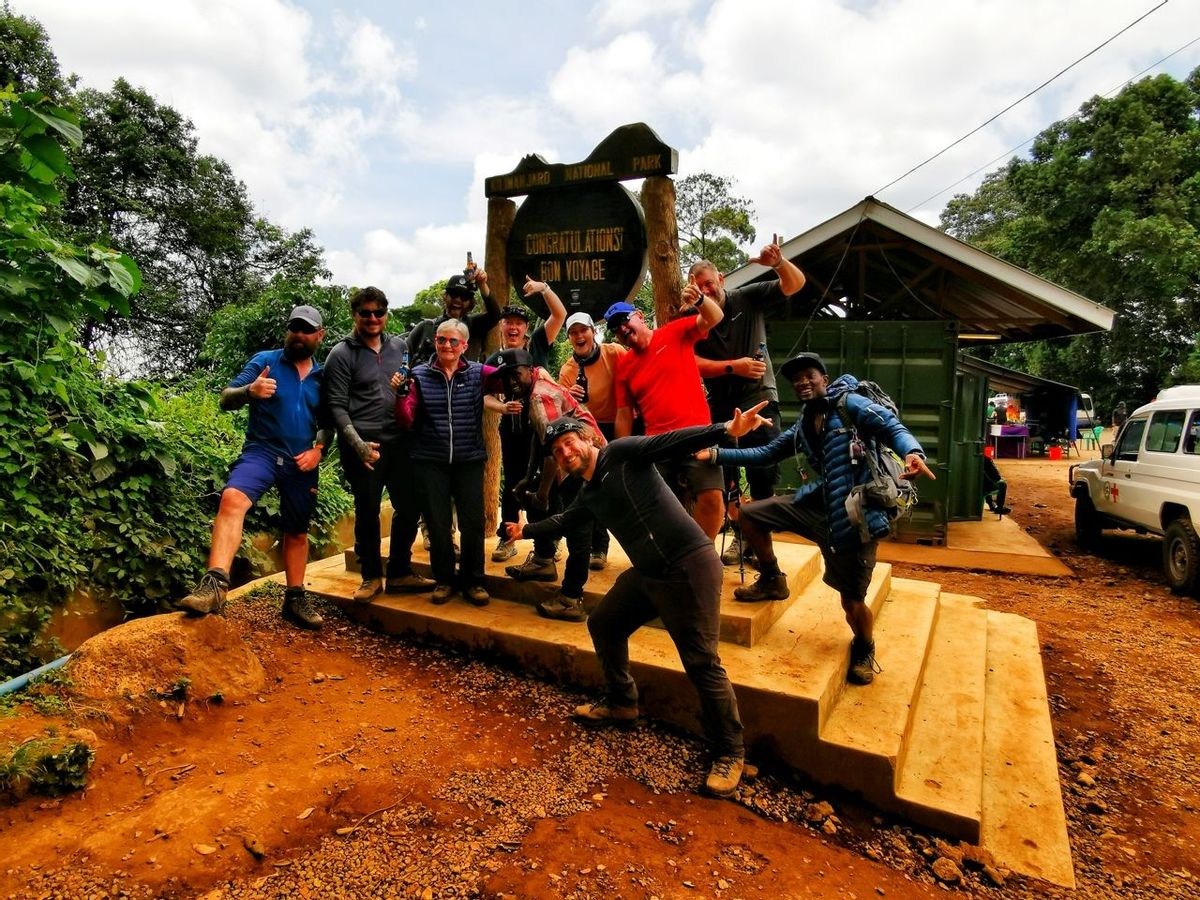
Then it’s time to kick back, celebrate your achievement, and toast your incredible journey, perhaps with a cold Kilimanjaro beer in hand. You’ve done something truly remarkable, and tonight is all about enjoying it with your fellow trekkers.
What an achievement, you conquered Kilimanjaro!
The adventure may be over, but the memories will last a lifetime.
After an unforgettable journey, one of our team will transfer you from Springlands Hotel back to Kilimanjaro International Airport in time for your onward flight.
As you say goodbye to Tanzania, take a moment to reflect on everything you've achieved, from rainforest trails to glacier views, and of course, standing on the summit of Africa’s highest mountain.
What a journey, and one you’ll never forget.
Why not add on an epic safari or a relaxing beach experience - check out our trip extensions tab!
Departure Dates & Prices
Sunday 24th January 2027 –
Wednesday 03rd February 2027
$4,200pp
 Available
Sunday 07th February 2027 –
Wednesday 17th February 2027
$4,200pp
Available
Sunday 14th February 2027 –
Wednesday 24th February 2027
$4,200pp
Available
Sunday 21st February 2027 –
Wednesday 03rd March 2027
$4,200pp
Available
Sunday 07th March 2027 –
Wednesday 17th March 2027
$4,200pp
OR $2,000 / 2 months
Available
Sunday 14th March 2027 –
Wednesday 24th March 2027
$4,200pp
OR $2,000 / 2 months
Available
Sunday 20th June 2027 –
Wednesday 30th June 2027
$4,200pp
OR $800 / 5 months
Available
Sunday 27th June 2027 –
Wednesday 07th July 2027
$4,200pp
OR $800 / 5 months
Available
Sunday 11th July 2027 –
Wednesday 21st July 2027
$4,200pp
OR $667 / 6 months
Available
Sunday 18th July 2027 –
Wednesday 28th July 2027
$4,200pp
OR $667 / 6 months
Available
Sunday 08th August 2027 –
Wednesday 18th August 2027
$4,200pp
OR $572 / 7 months
Available
Sunday 15th August 2027 –
Wednesday 25th August 2027
$4,200pp
OR $572 / 7 months
Available
Sunday 29th August 2027 –
Wednesday 08th September 2027
$4,200pp
OR $572 / 7 months
Available
Sunday 05th September 2027 –
Wednesday 15th September 2027
$4,200pp
OR $500 / 8 months
Available
Sunday 12th September 2027 –
Wednesday 22nd September 2027
$4,200pp
OR $500 / 8 months
Available
Sunday 19th September 2027 –
Wednesday 29th September 2027
$4,200pp
OR $500 / 8 months
Available
Sunday 26th September 2027 –
Wednesday 06th October 2027
$4,200pp
OR $500 / 8 months
Available
Sunday 10th October 2027 –
Wednesday 20th October 2027
$4,200pp
OR $445 / 9 months
Available
Sunday 24th October 2027 –
Wednesday 03rd November 2027
$4,200pp
OR $445 / 9 months
Available
Sunday 16th January 2028 –
Wednesday 26th January 2028
$4,350pp
OR $346 / 12 months
Available
Sunday 30th January 2028 –
Wednesday 09th February 2028
$4,350pp
OR $346 / 12 months
Available
Sunday 20th February 2028 –
Wednesday 01st March 2028
$4,350pp
OR $320 / 13 months
Available
Sunday 27th February 2028 –
Wednesday 08th March 2028
$4,350pp
OR $320 / 13 months
Available
Sunday 05th March 2028 –
Wednesday 15th March 2028
$4,350pp
OR $297 / 14 months
Available
Sunday 18th June 2028 –
Wednesday 28th June 2028
$4,350pp
OR $245 / 17 months
Available
Sunday 02nd July 2028 –
Wednesday 12th July 2028
$4,350pp
OR $231 / 18 months
Available
Sunday 16th July 2028 –
Wednesday 26th July 2028
$4,350pp
OR $231 / 18 months
Available
Sunday 30th July 2028 –
Wednesday 09th August 2028
$4,350pp
OR $231 / 18 months
Available
Sunday 13th August 2028 –
Wednesday 23rd August 2028
$4,350pp
OR $231 / 18 months
Available
Sunday 27th August 2028 –
Wednesday 06th September 2028
$4,350pp
OR $231 / 18 months
Available
Sunday 10th September 2028 –
Wednesday 20th September 2028
$4,350pp
OR $231 / 18 months
Available
Sunday 24th September 2028 –
Wednesday 04th October 2028
$4,350pp
OR $231 / 18 months
Available
Sunday 01st October 2028 –
Wednesday 11th October 2028
$4,350pp
OR $231 / 18 months
Available
Sunday 15th October 2028 –
Wednesday 25th October 2028
$4,350pp
OR $231 / 18 months
Available
Sunday 22nd October 2028 –
Wednesday 01st November 2028
$4,350pp
OR $231 / 18 months
Available


Can't see your preferred date?
Simply click the button below and we will see what we can do.
Enquire nowFood & Accommodation on Your Trek
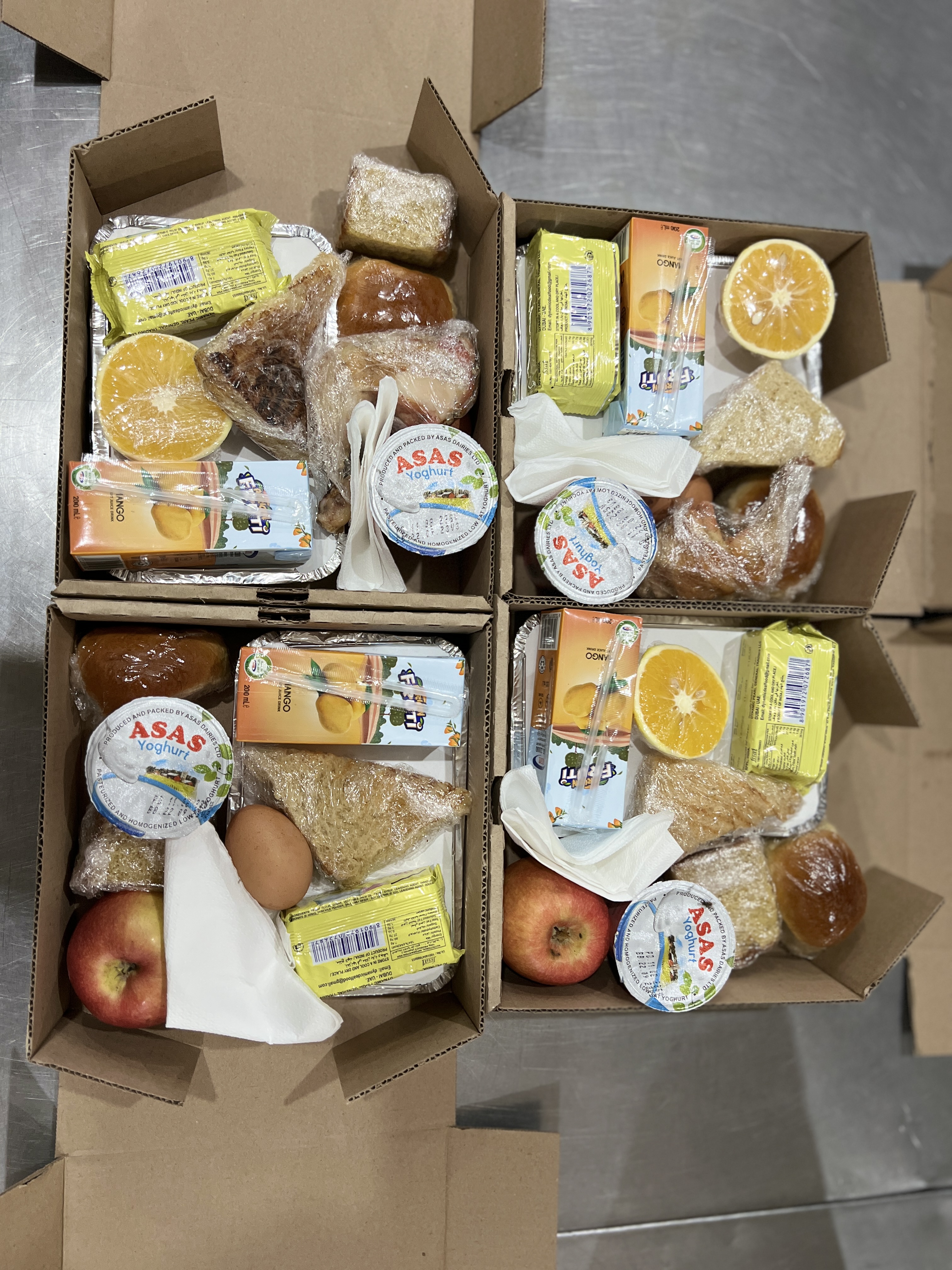
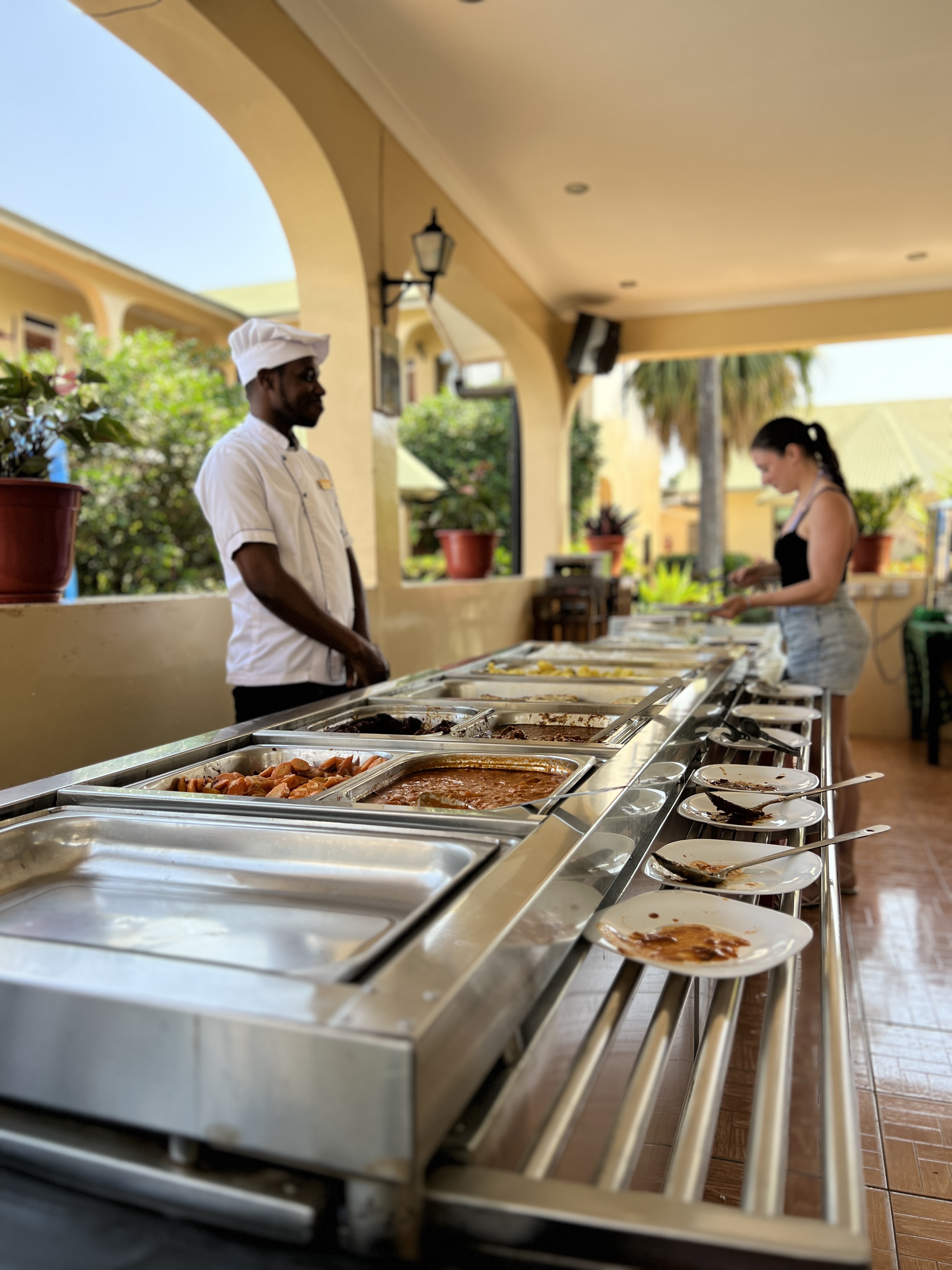
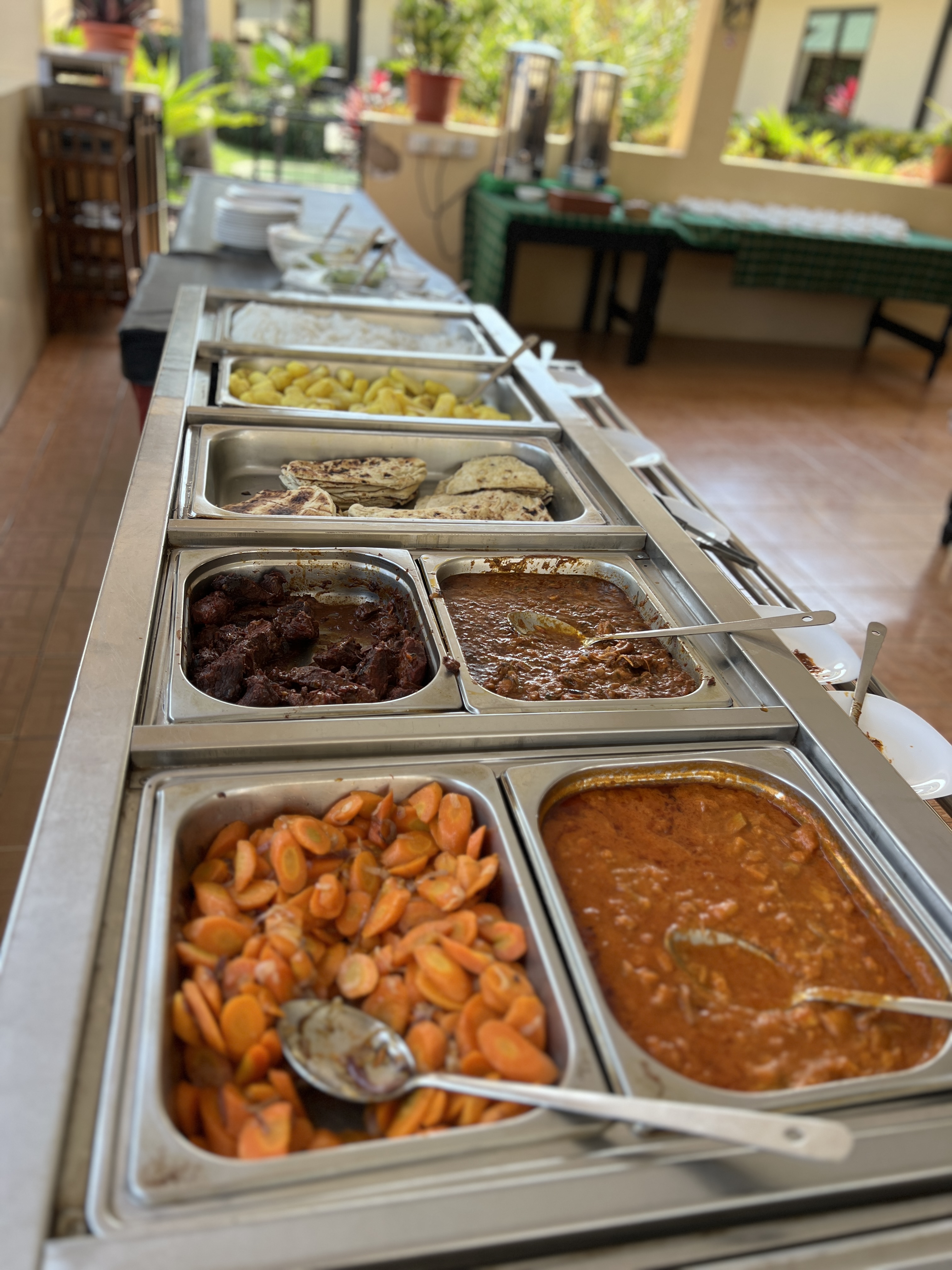
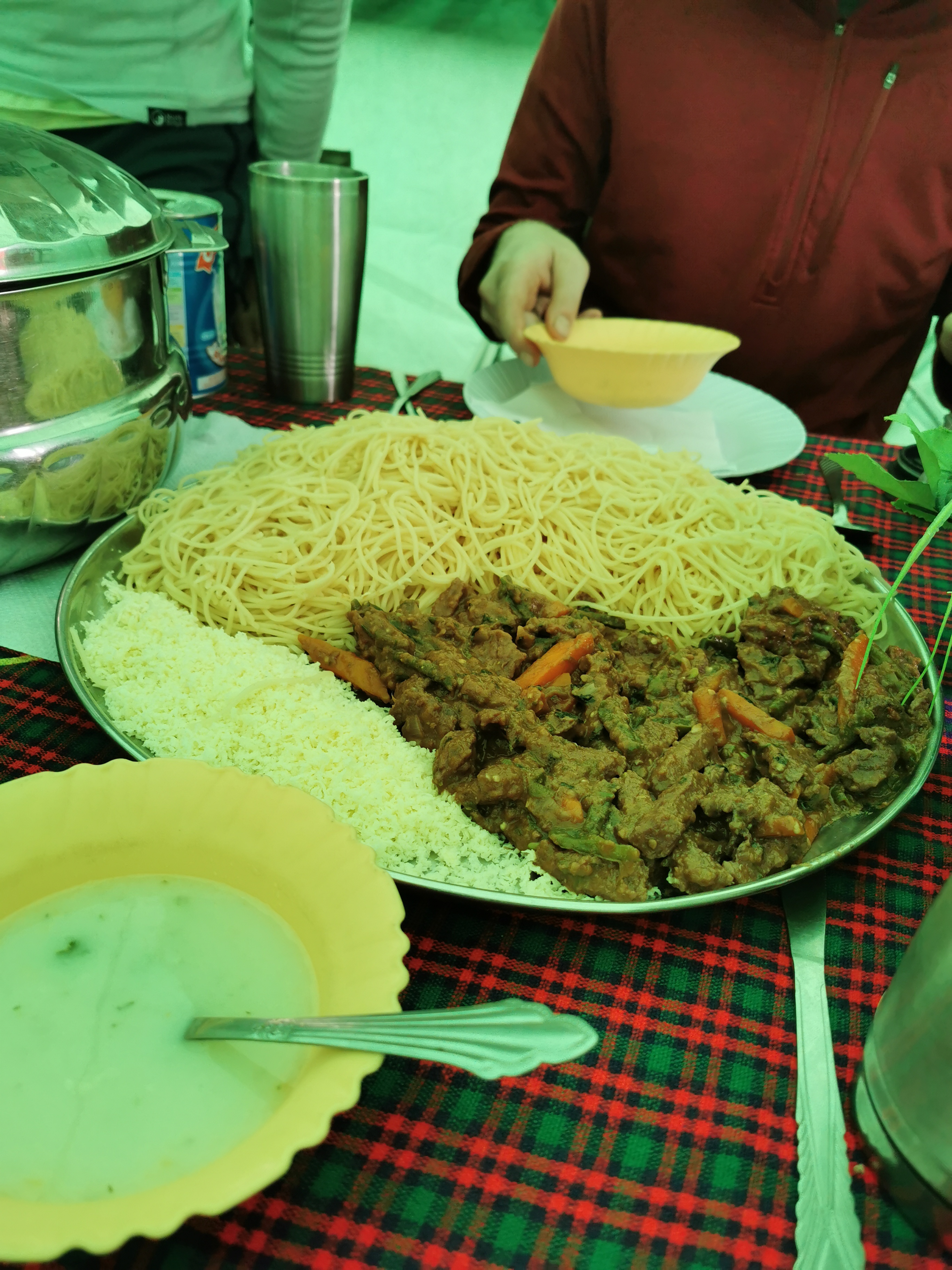
You will be amazed by the variety and quality of meals prepared fresh on the mountain by your dedicated trek chef team. Eating well is crucial to maintaining your strength at altitude, and the food is designed to be hearty, filling, and energy-boosting.
Where you rest your head and what you eat becomes an important part of your overall Kilimanjaro trek experience. Here’s everything you need to know about what to expect along the way as you explore the Lemosho Route and climb Mount Kilimanjaro.
Your Accommodation Overview
- 3* hotel before & after
- Twin-share rooms
- 3 meals daily on trek
- Boiled drinking water provided on trek
Accommodation on the EverTrek Mount Kilimanjaro Trek
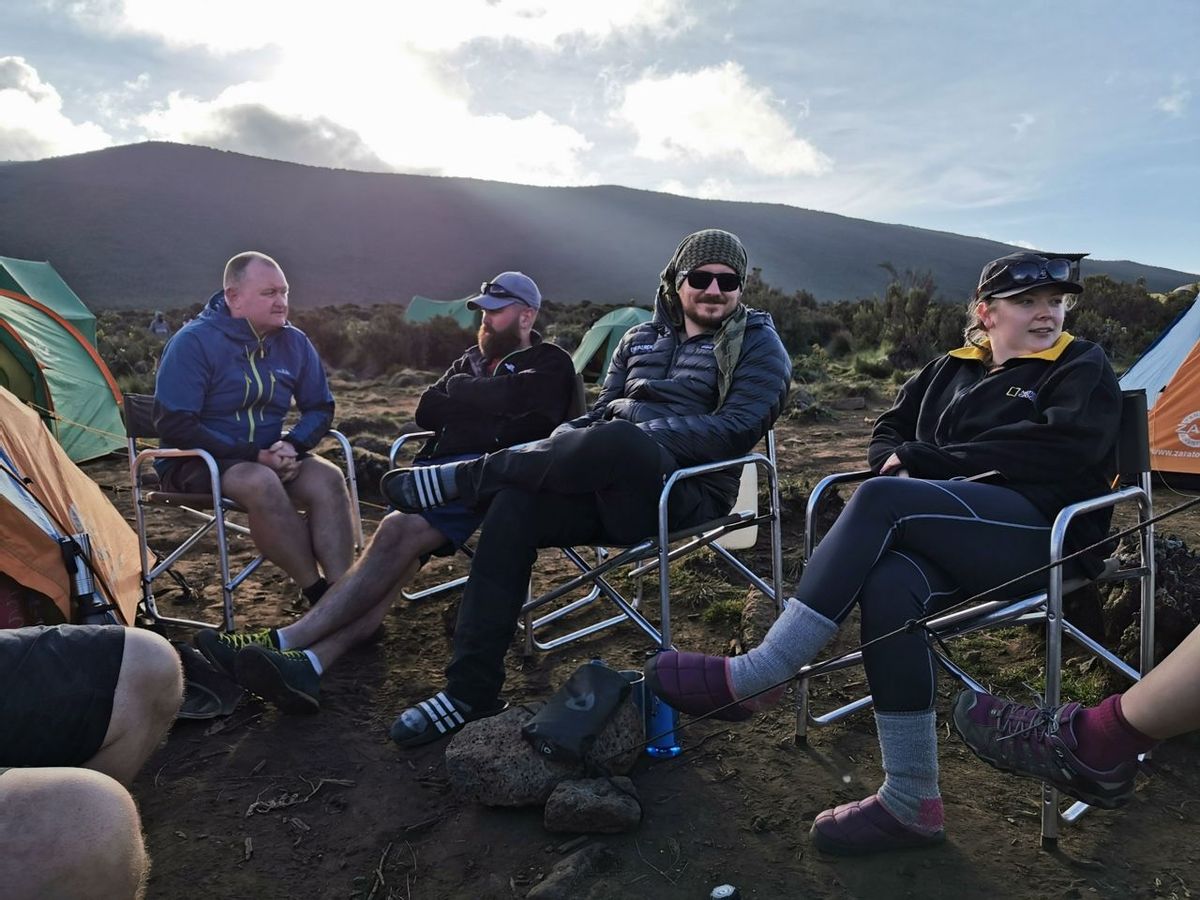
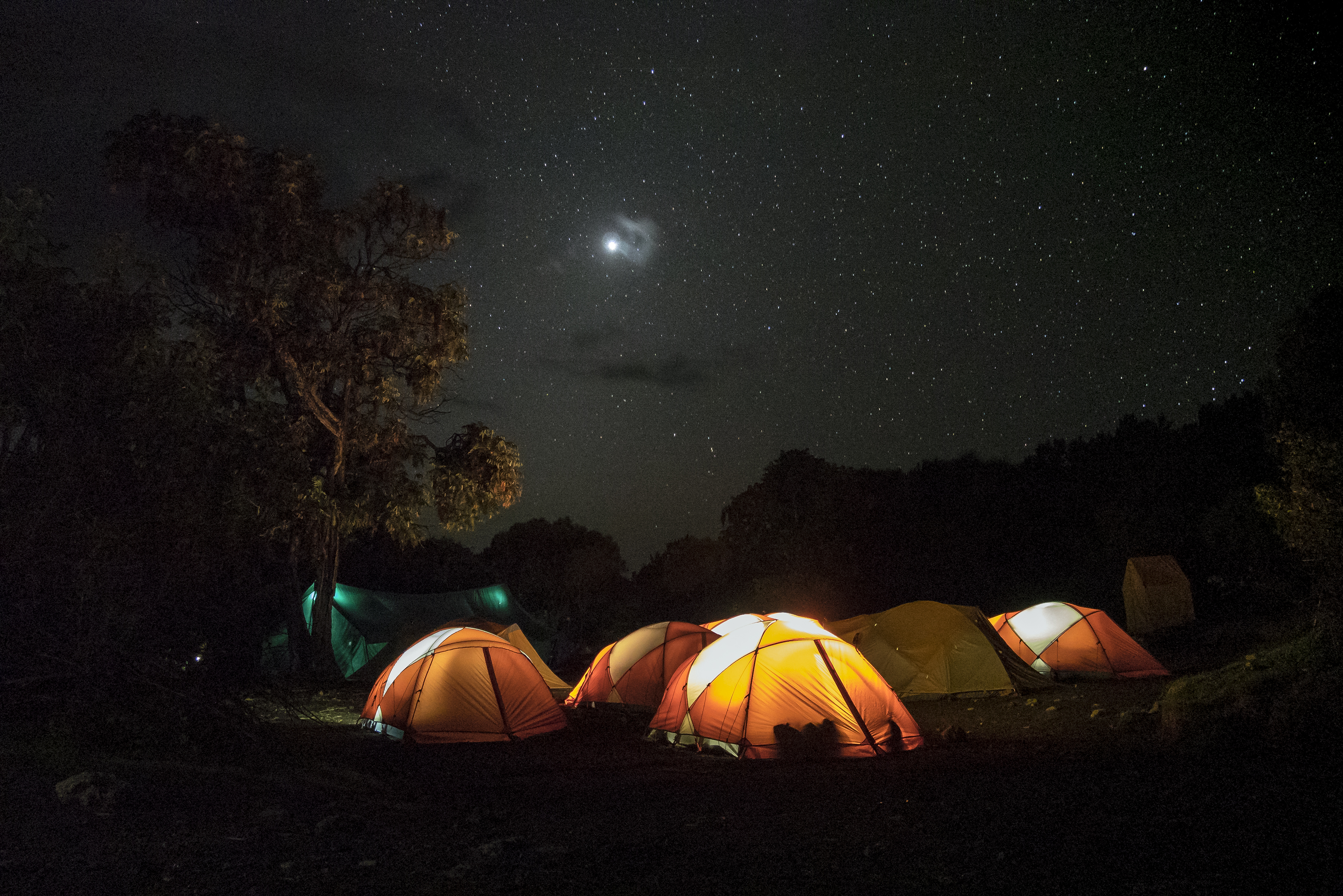
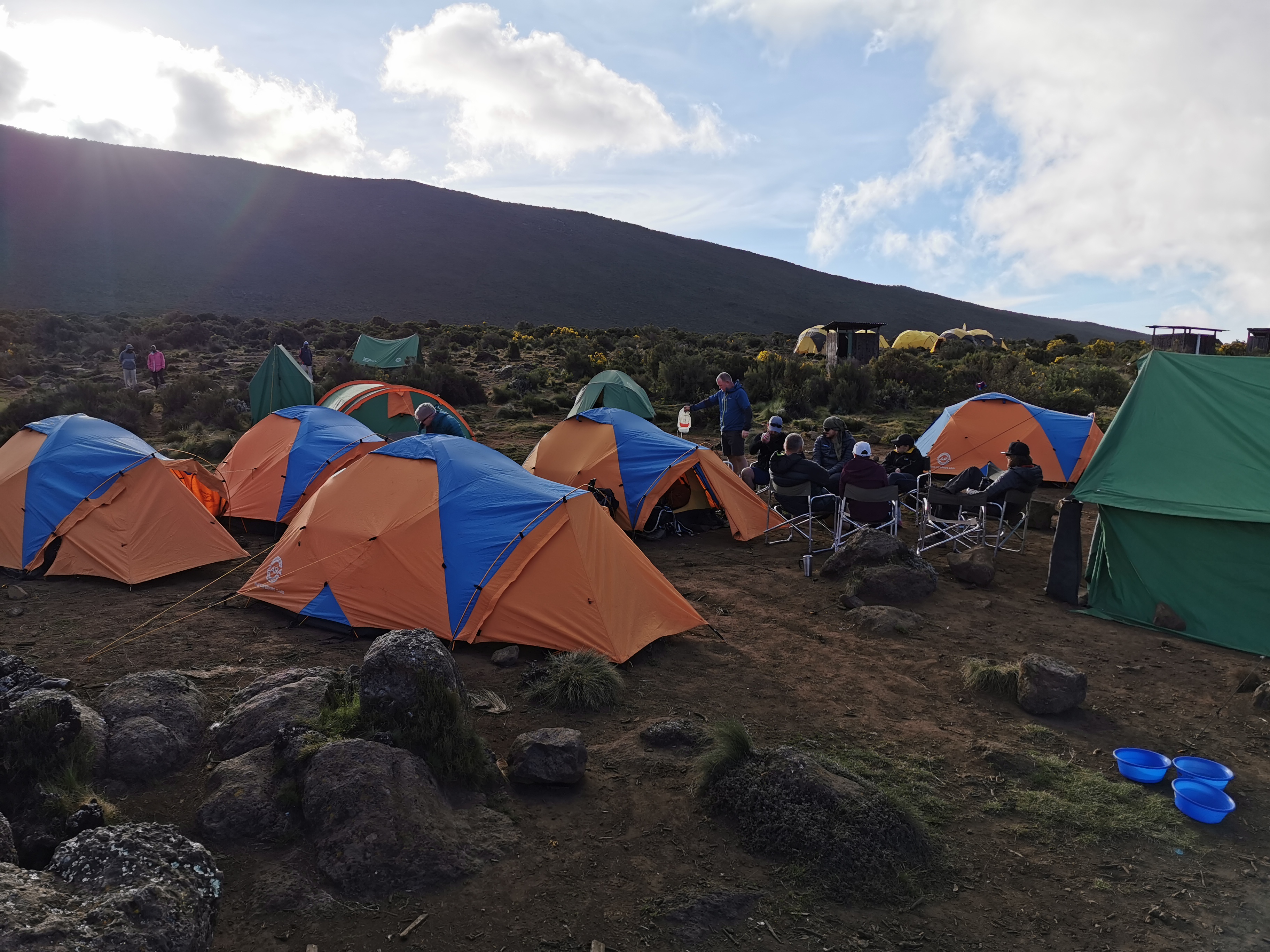
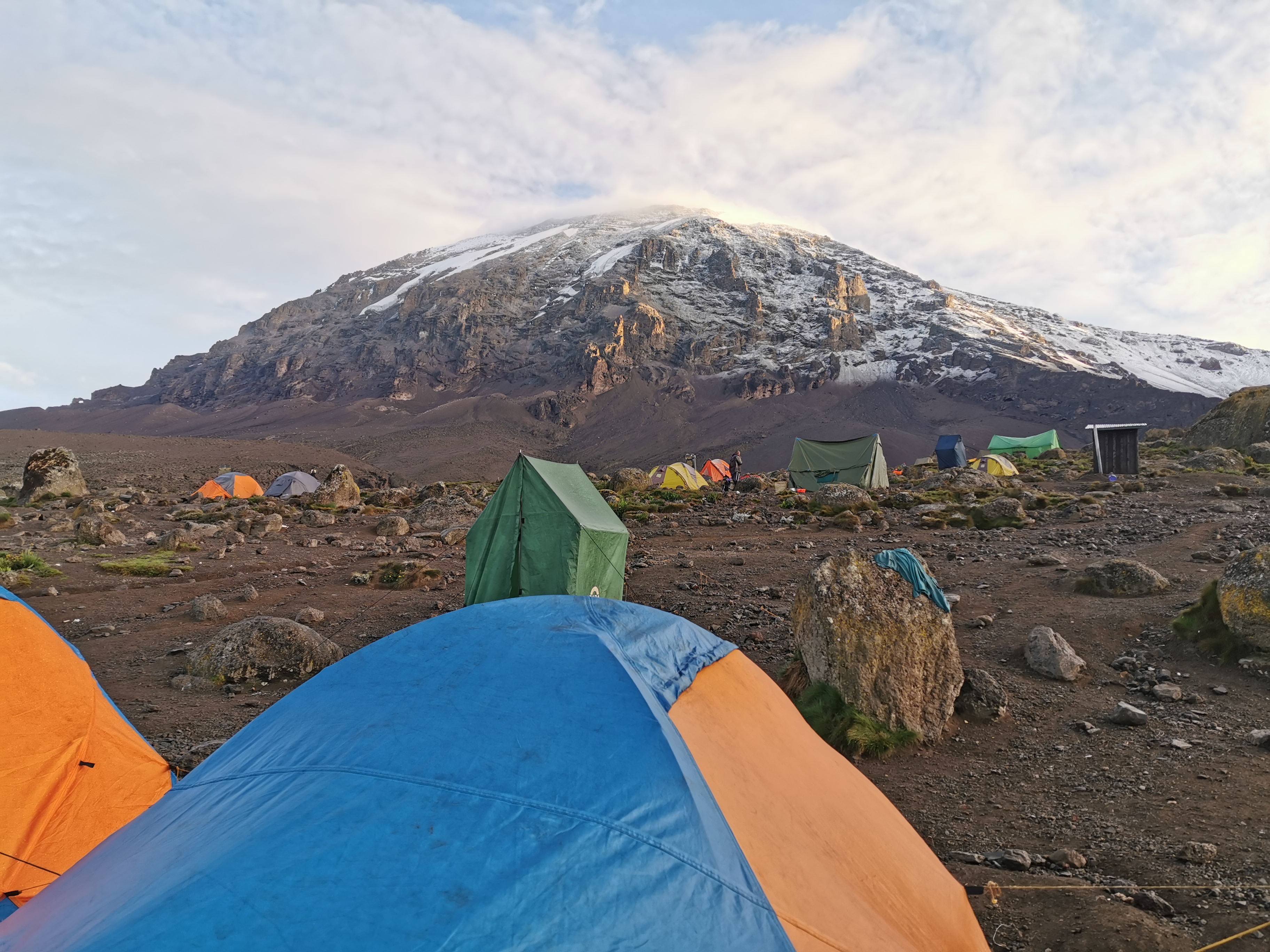
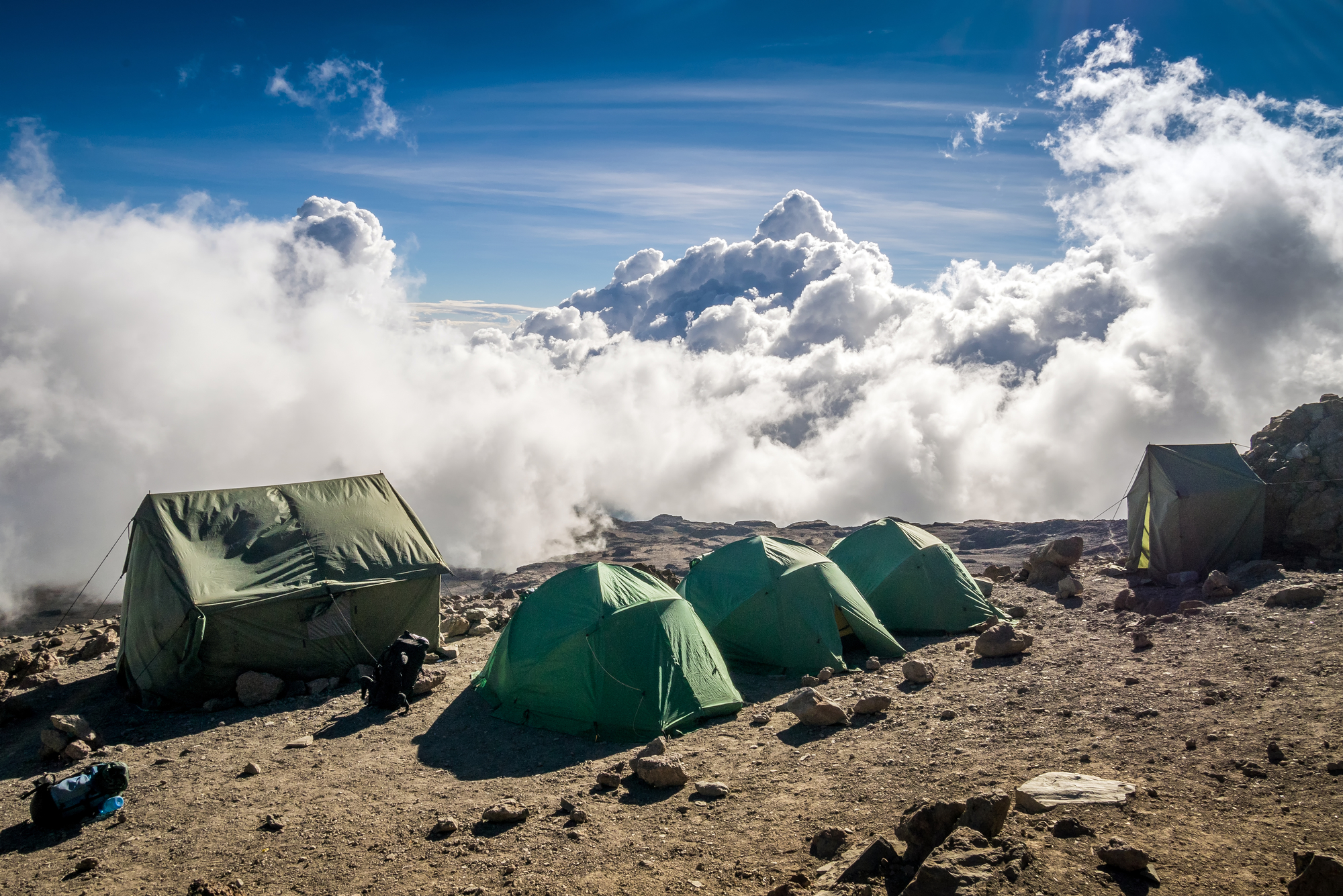
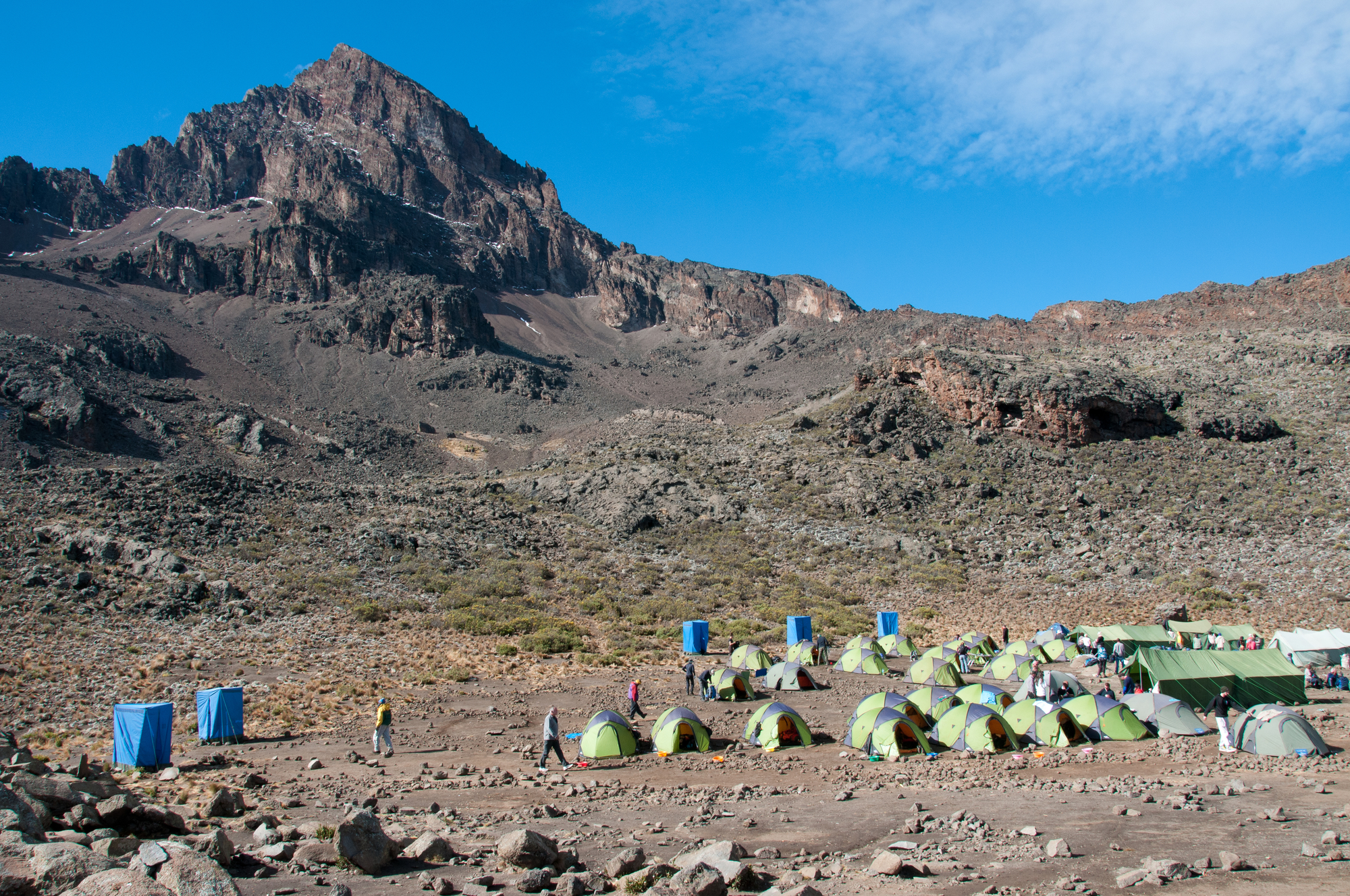
For the majority of your trip you'll be staying in tents on the mountain, along with a private toilet tent for us by EverTrek clients only. Before and after the trek, you'll be staying at Springlands Hotel in Moshi.
| Nights | Location | Type | Room Type |
|---|---|---|---|
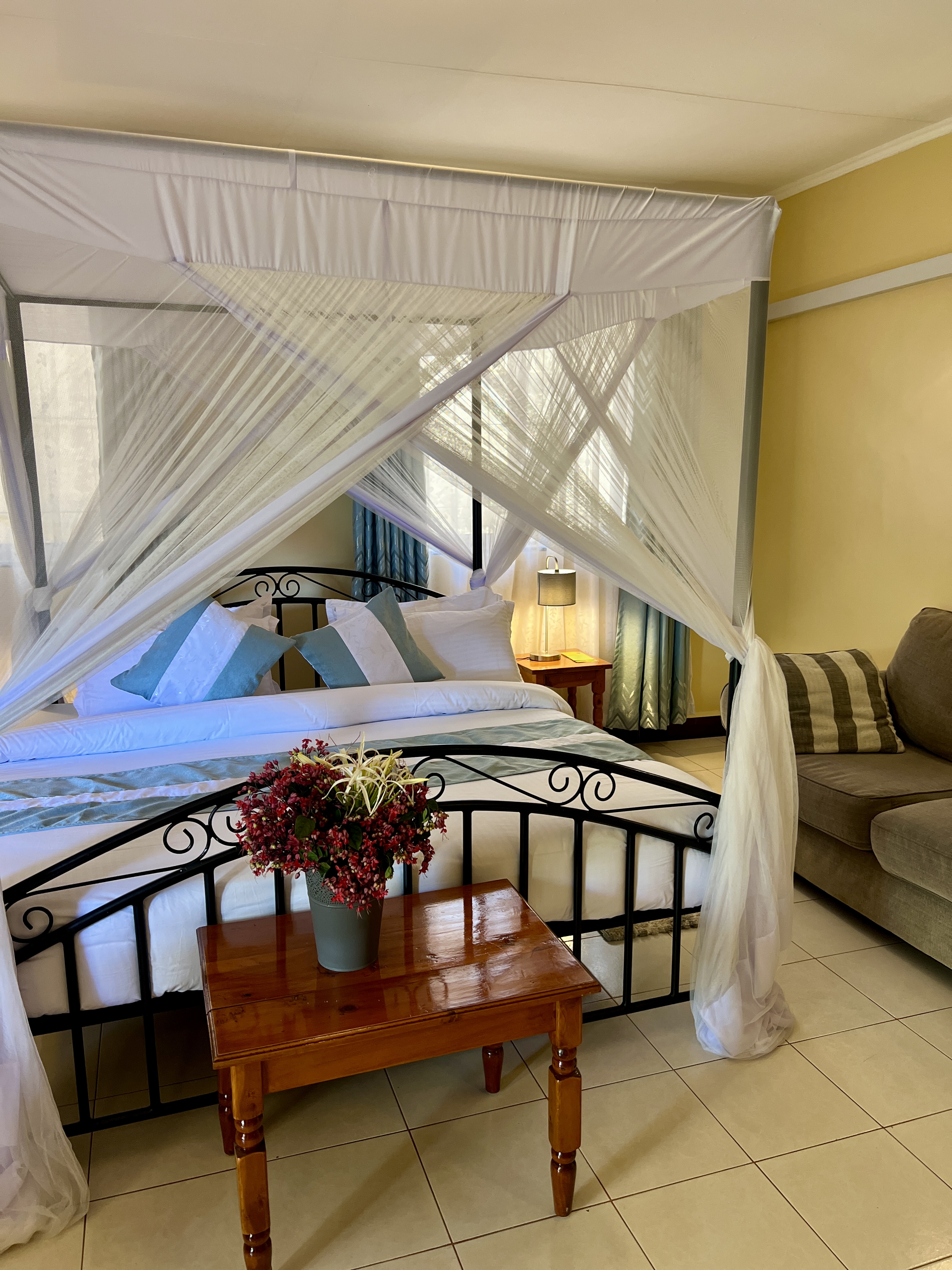
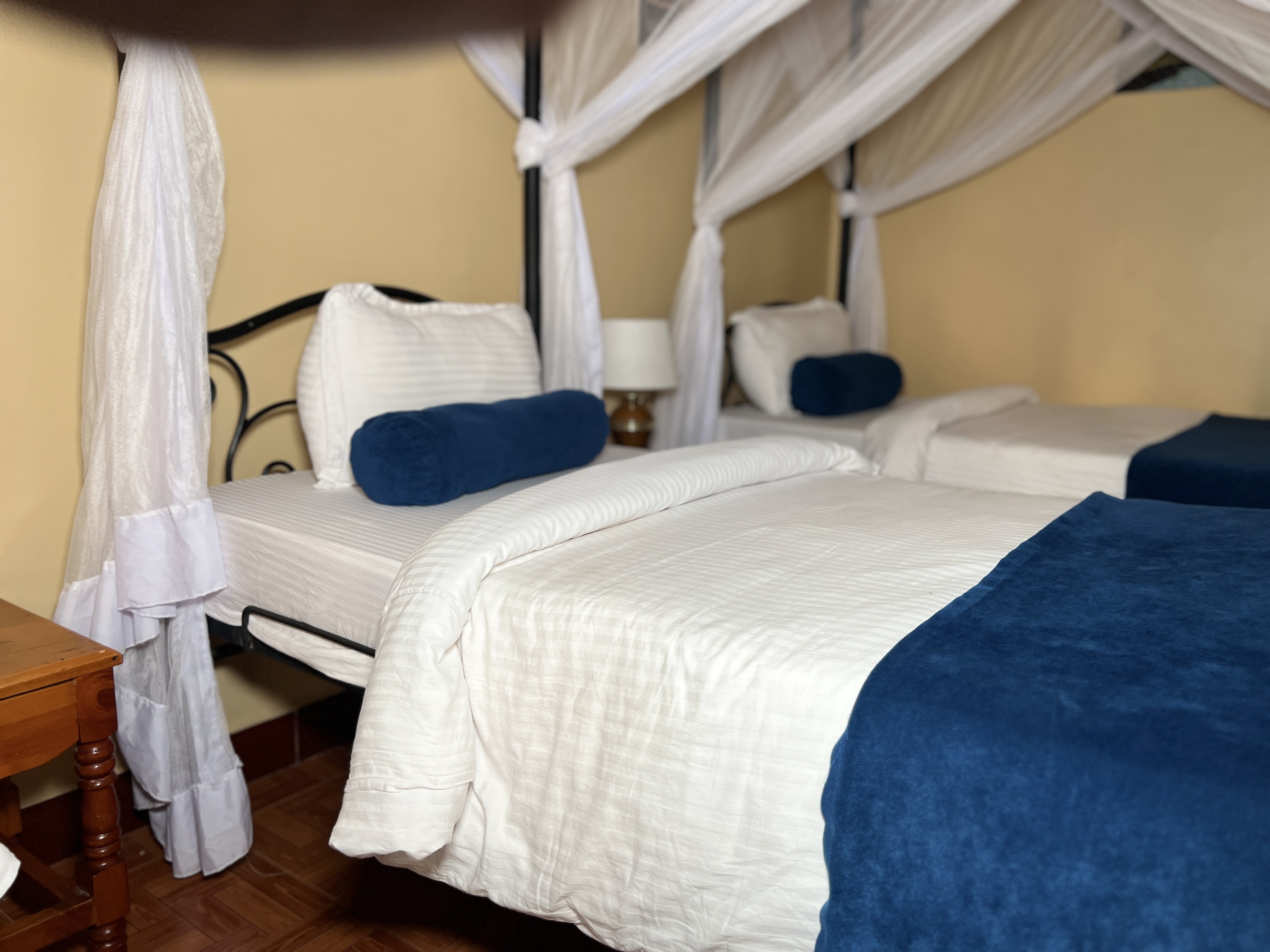
| 1-2 | Moshi | Springlands Hotel | Twin-share, En-Suite |
| 3-9 | Mountain Trekking Route | Camping | Twin-share, EverTrek Toilet Tent |
| 10 | Moshi | Springlands Hotel | Twin-share, En-Suite |
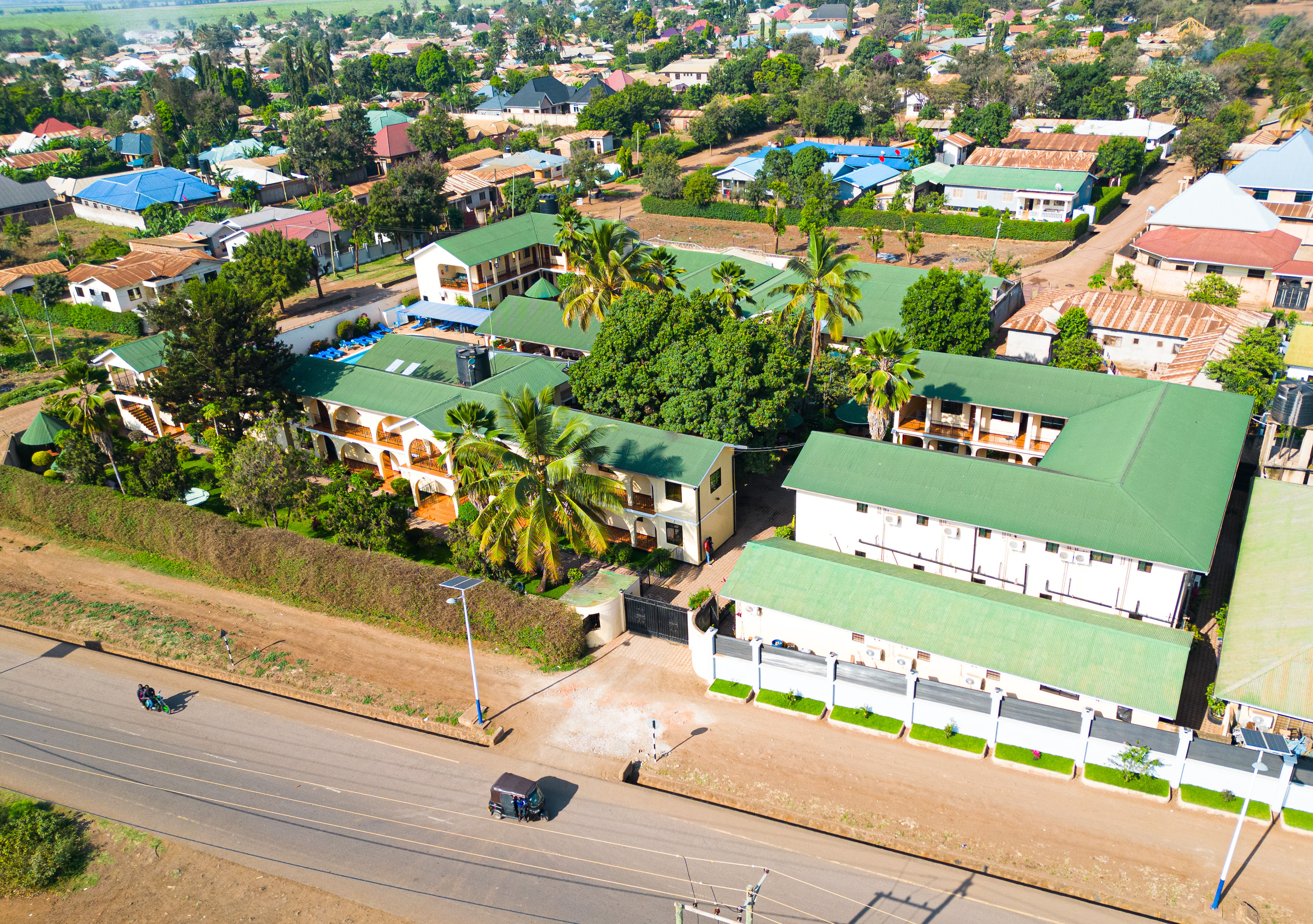
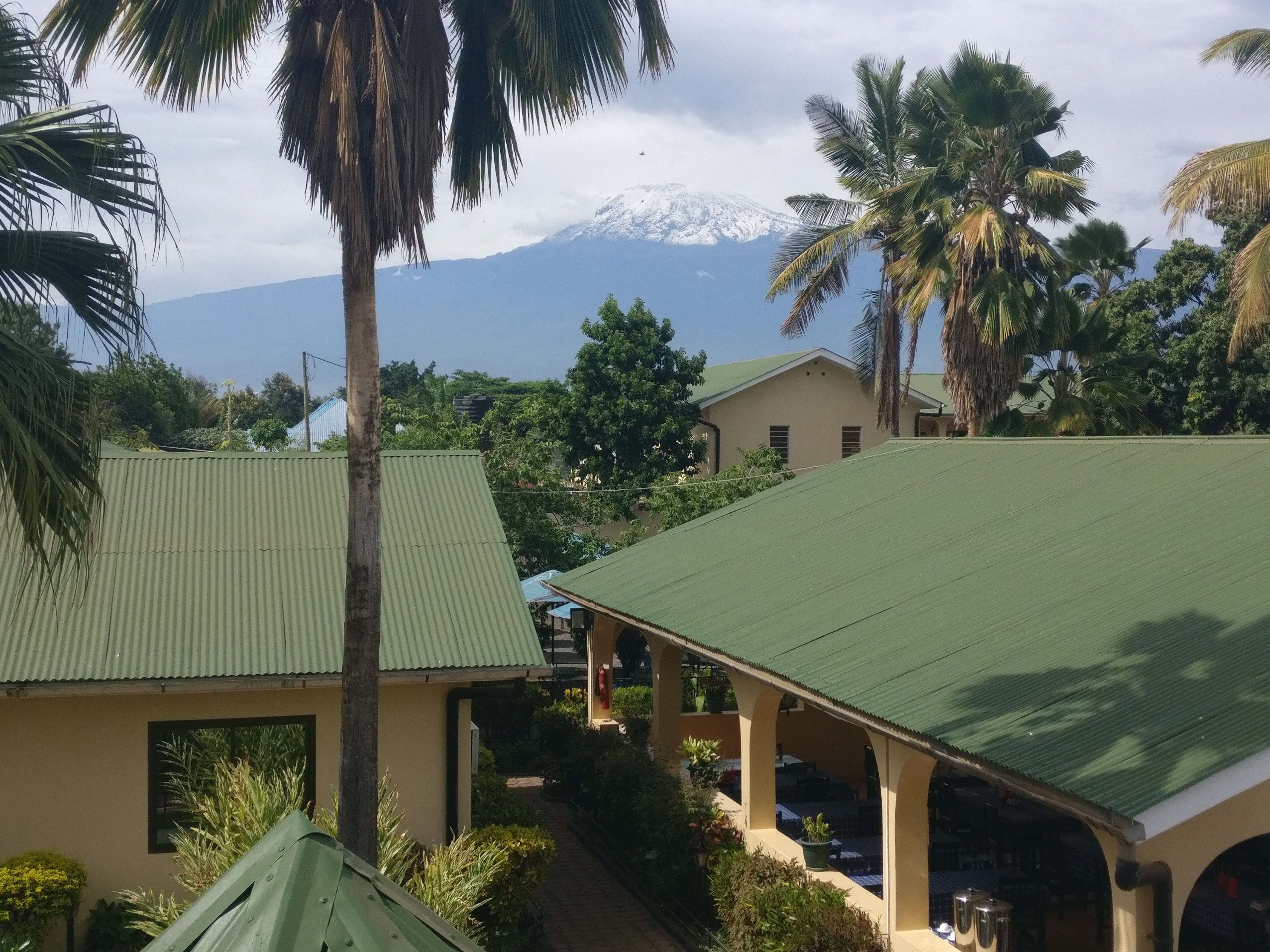
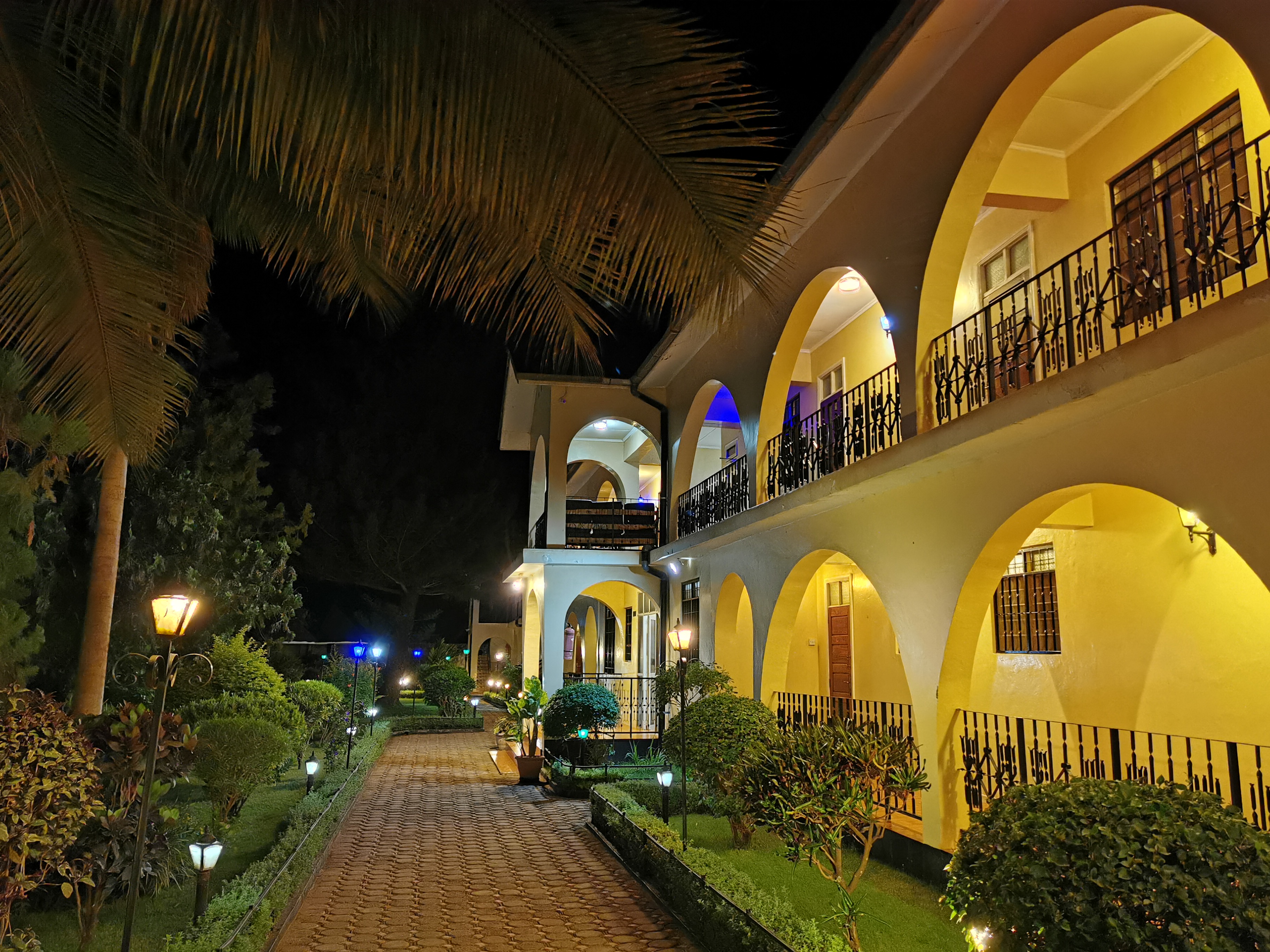
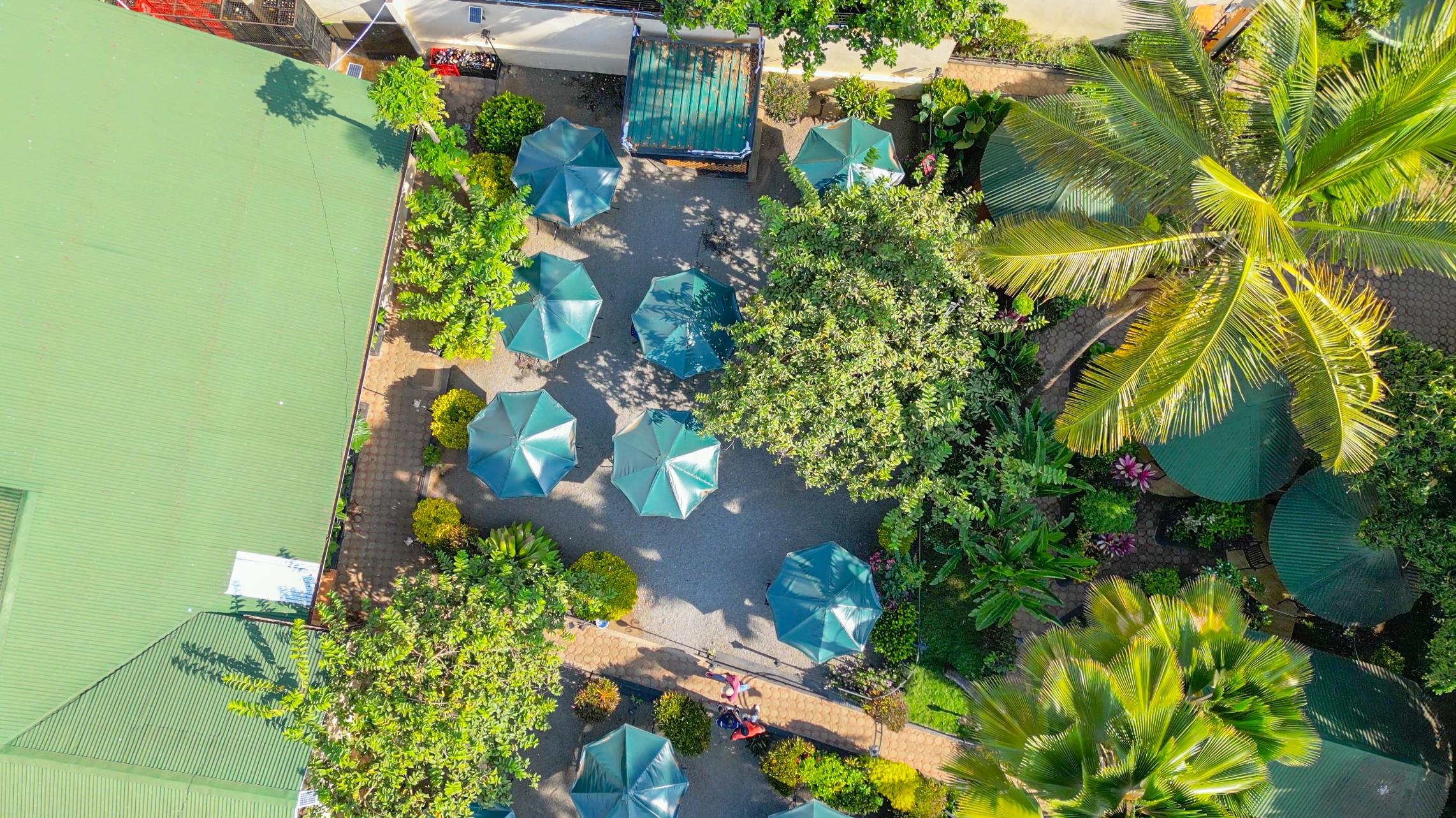
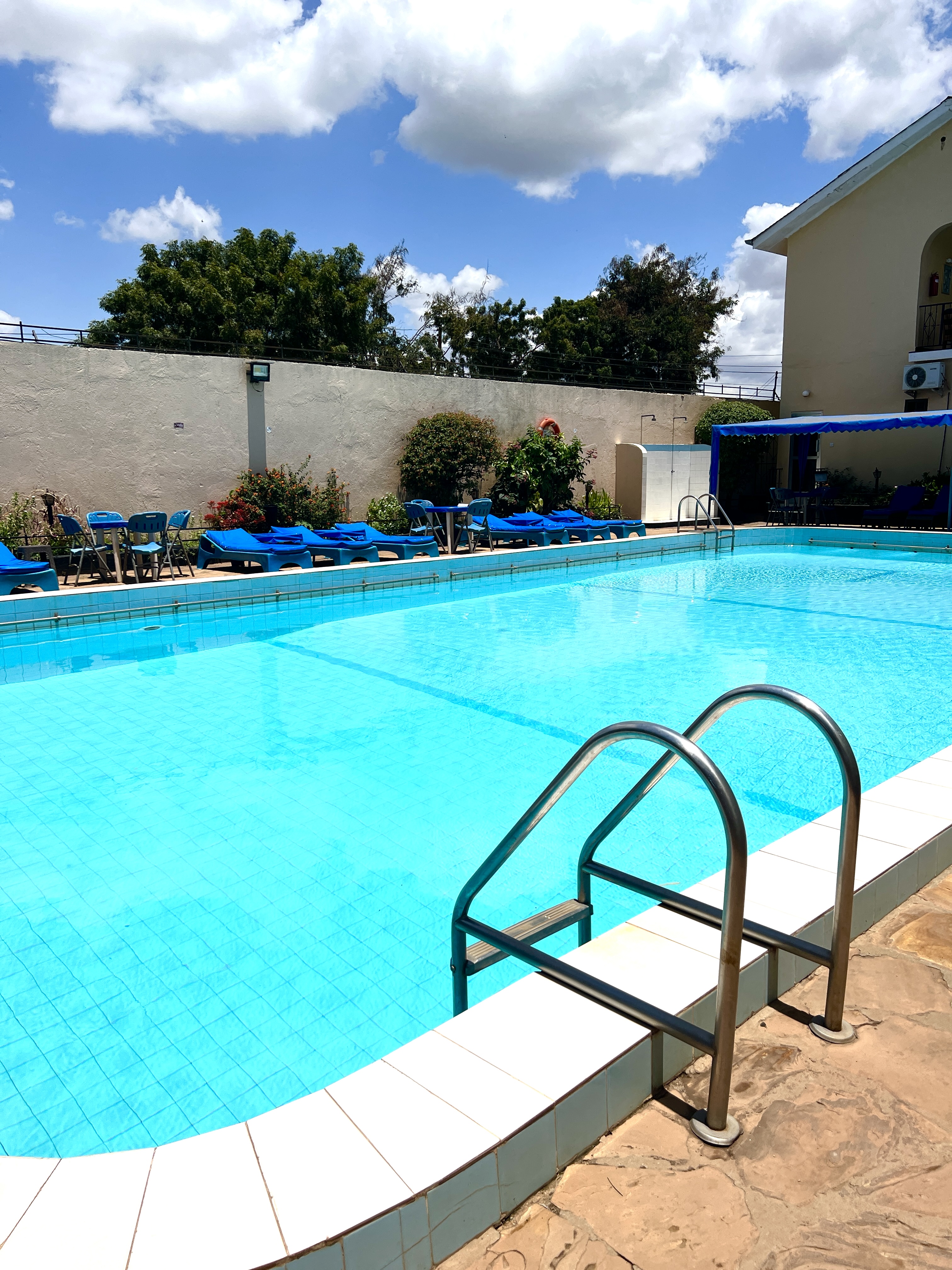
Springlands Hotel, located on the edge of Moshi town, is a comfortable base with great facilities, designed to prepare you for the challenge ahead and help you recover afterwards.
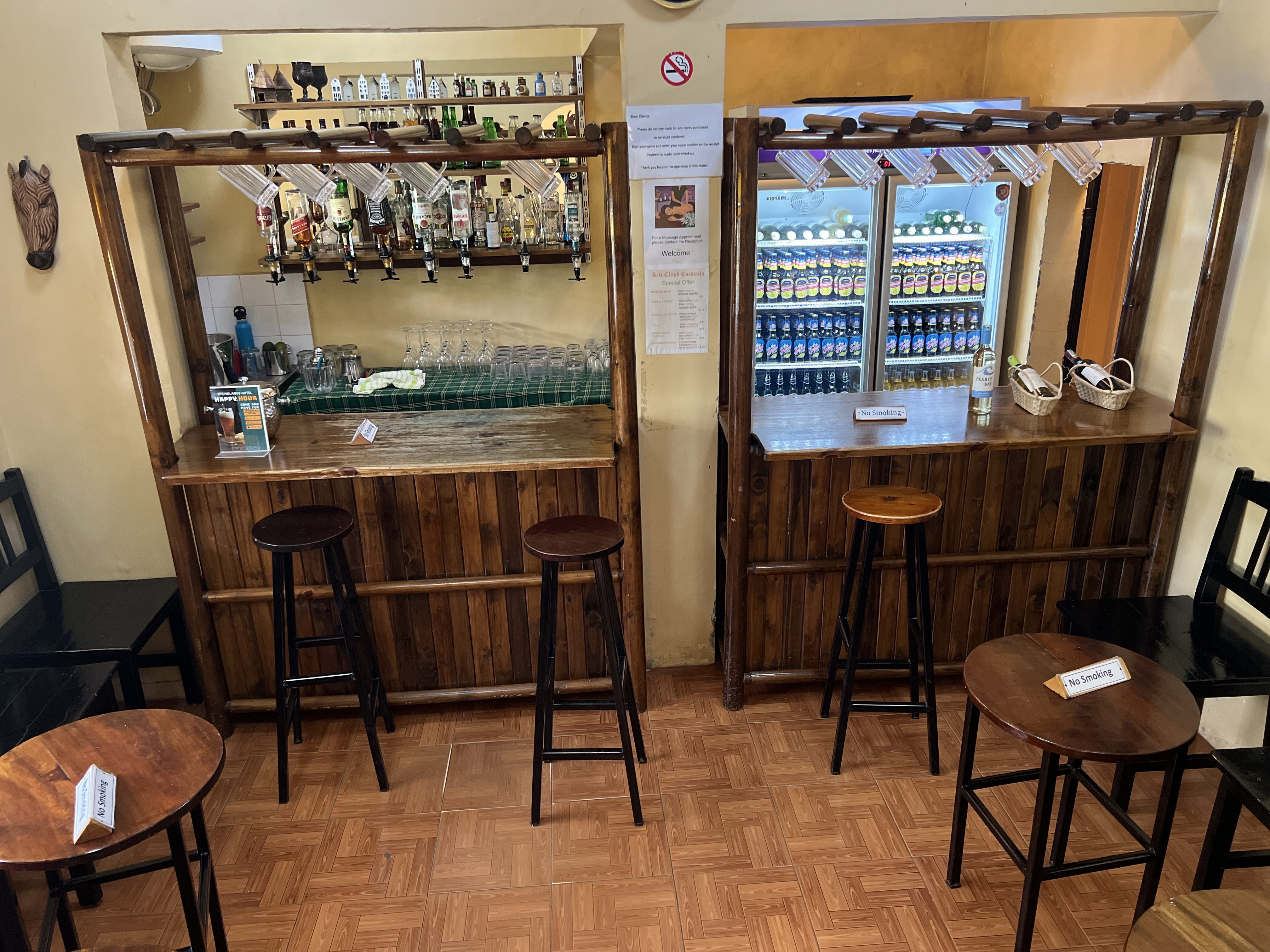
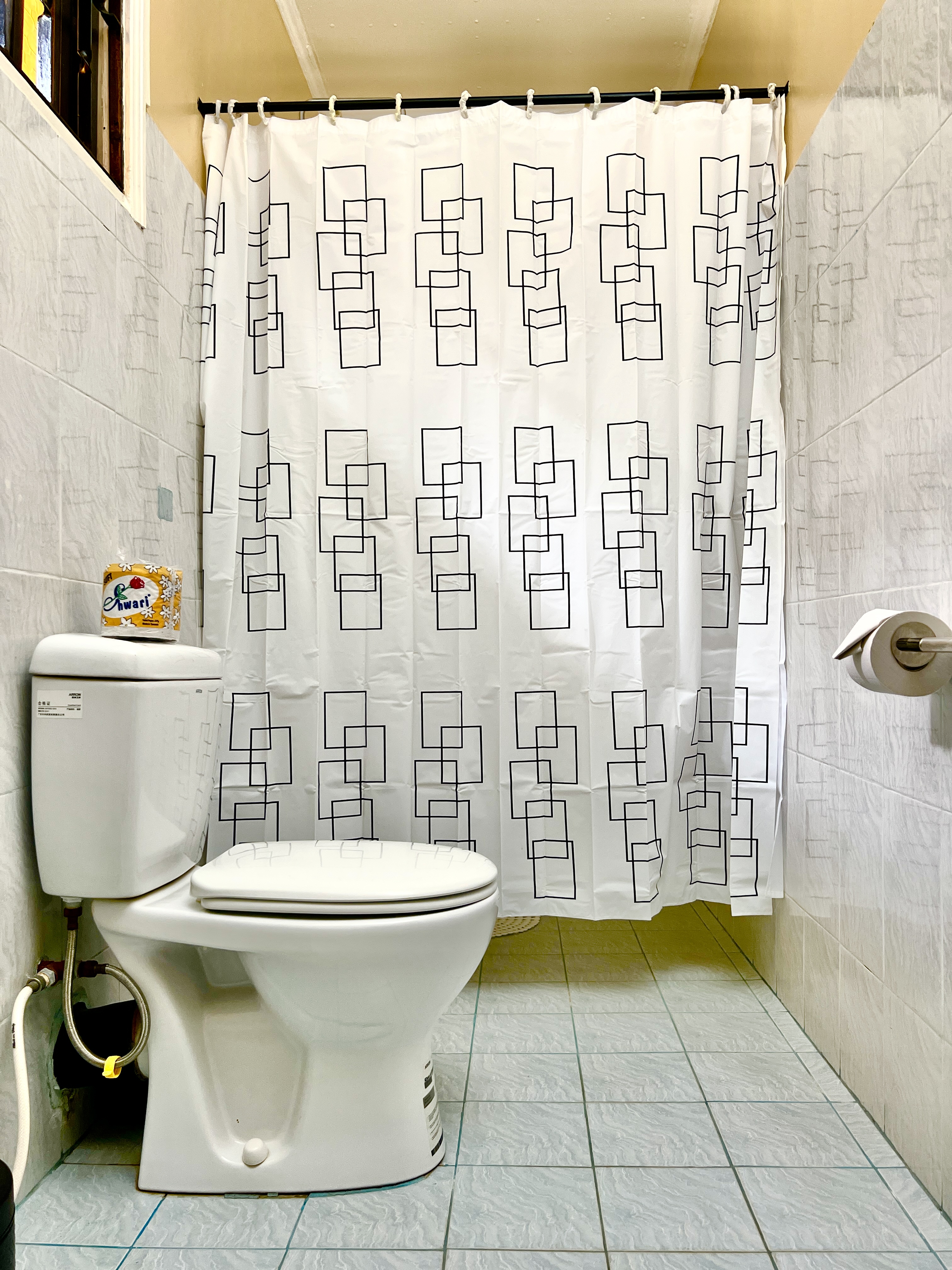
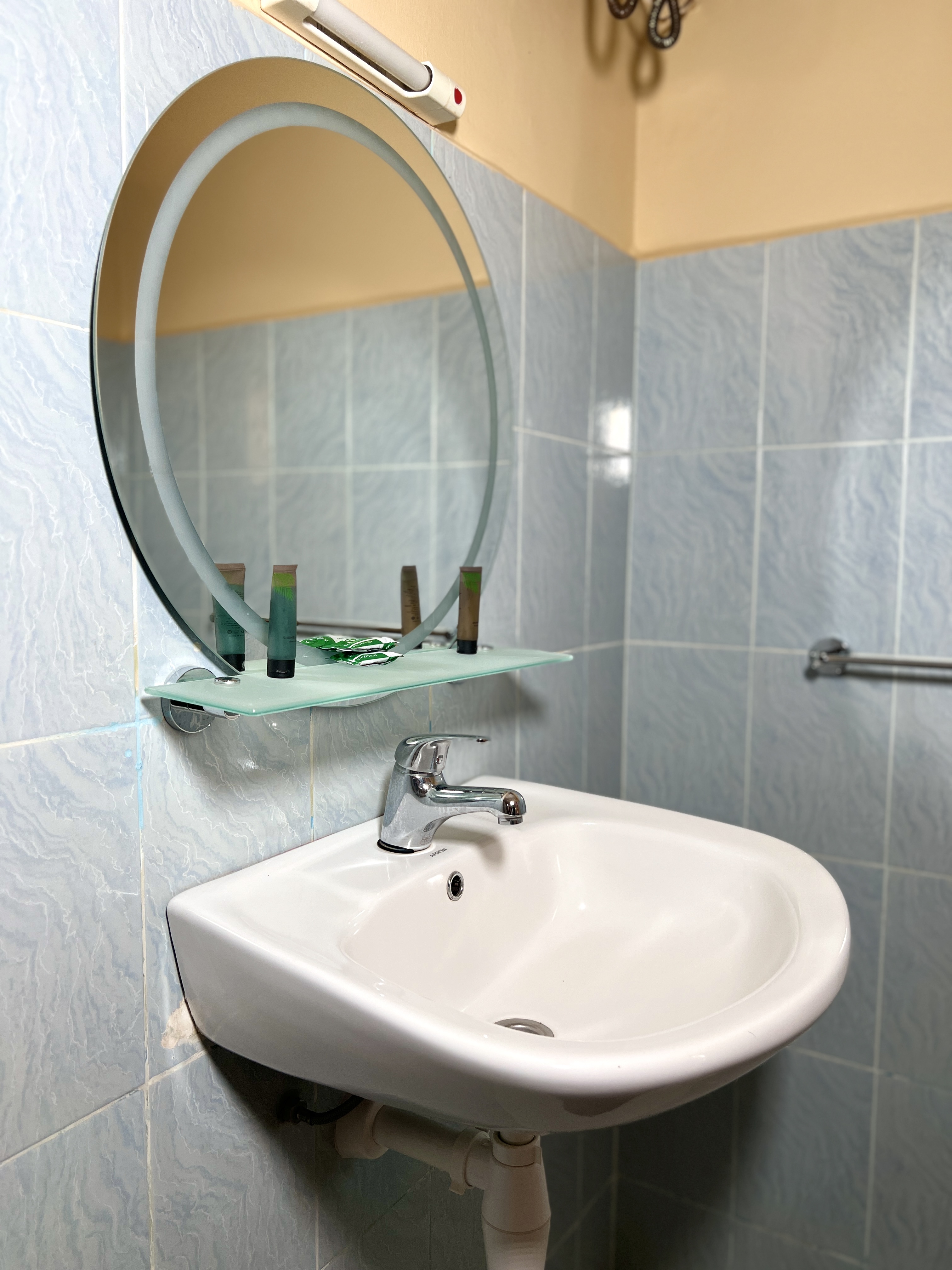
Here you'll stay in twin-share rooms with en-suite bathrooms, with a restaurant and bar, swimming pool and free Wi-Fi access for relaxation. If you need single-occupancy for your stay at Springlands Hotel, please do speak with the team.
There's a shop on-site to buy small, essential items and also gear rental services available.
Springlands Hotel will help you acclimatise to the vibrant town of Moshi and you'll also have chance to meet your fellow EverTrekkers before you head to the trails.
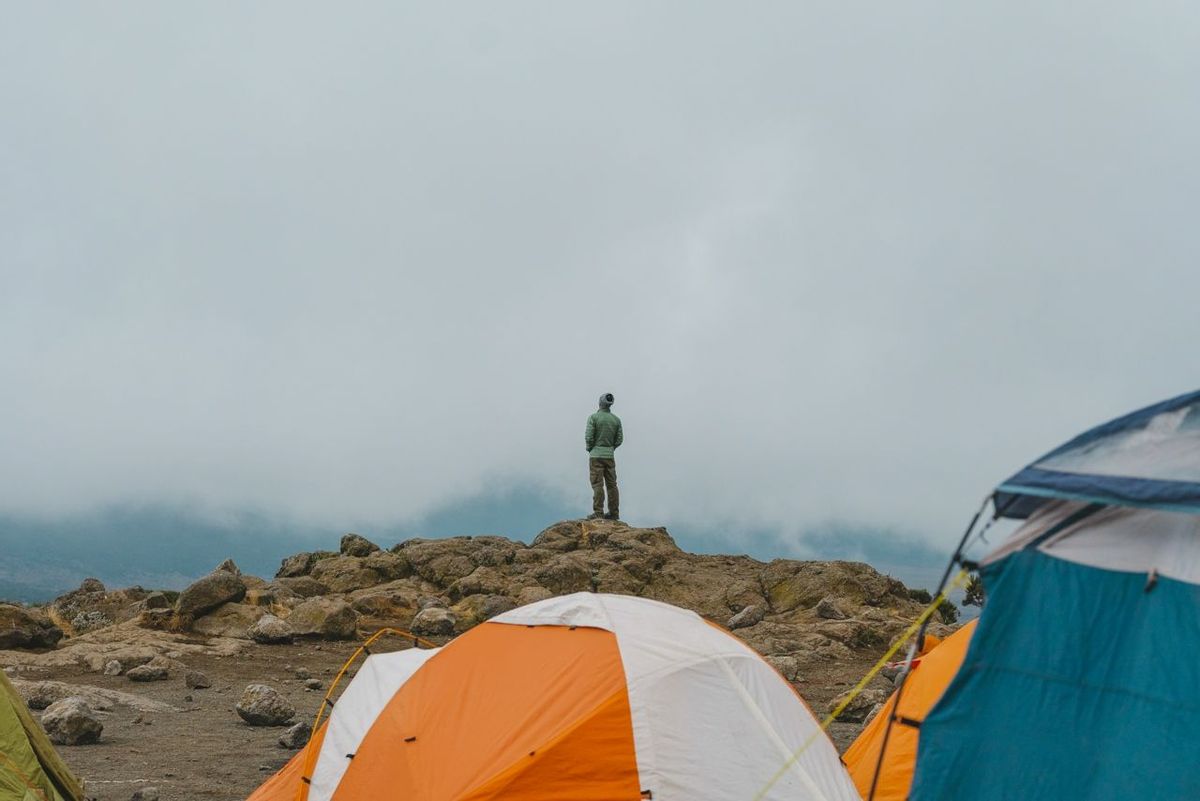
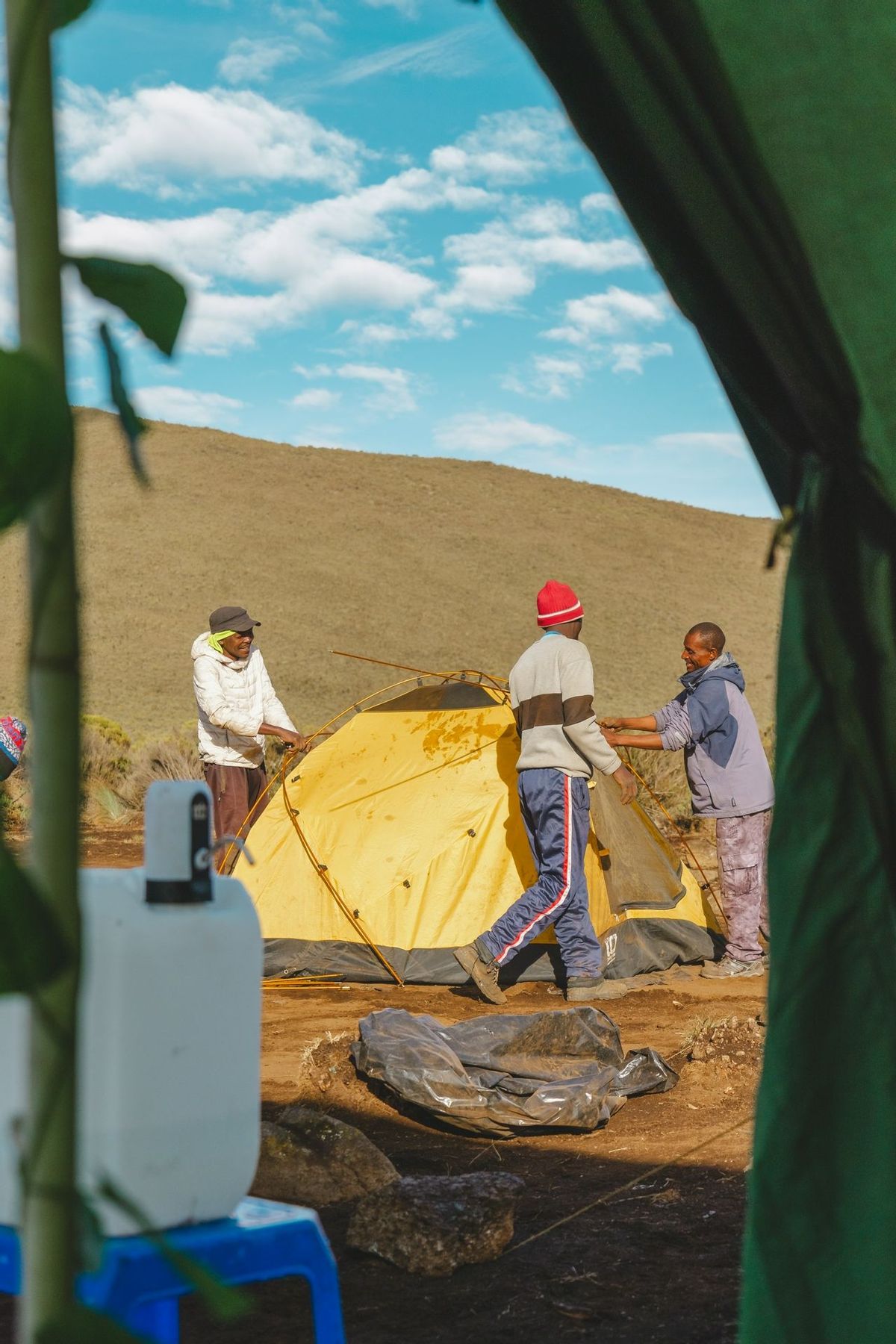
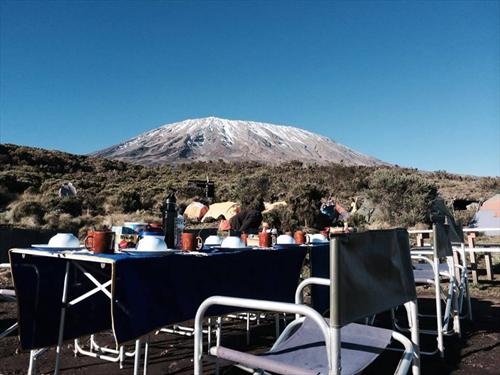
During the trek, you will stay in high-quality tents provided by the EverTrek Kilimanjaro team. These are spacious, weatherproof, twin-share mountain tents with comfortable foam sleeping mats provided. You'll also have a communal dining tent with tables and chairs for mealtimes, private toilet tents at camp for EverTrek groups and a professional team of porters sets up camp each day.
If you need a single-occupancy tent for your trek, please do let the team know.
You will spend your nights under the stars with the sounds of the mountain all around, from the forest zone to the barren high alpine deserts near the summit.
Camping on the side of a mountain without lots of home comforts will be something most trekkers aren't used to, but it certainly adds to the experience!
A good sleeping bag, earplugs, inflatable camping pillow and a power bank can make your stay more comfortable.
The simplicity of the accommodation is part of the charm of trekking in such a remote and stunning region.
Food and Drink on Your Mount Kilimanjaro Hike
You will be amazed by the variety and quality of meals prepared fresh on the mountain by your dedicated trek chef team. Eating well is crucial to maintaining your strength at altitude, and the food is designed to be hearty, filling, and energy-boosting.
| Days | Breakfast | Lunch | Dinner |
|---|---|---|---|
| 1: Moshi (Arrival Day) | |||
| 2: Moshi | |||
| 3-10: On Trek | |||
| 11: Moshi (Departure Day) |
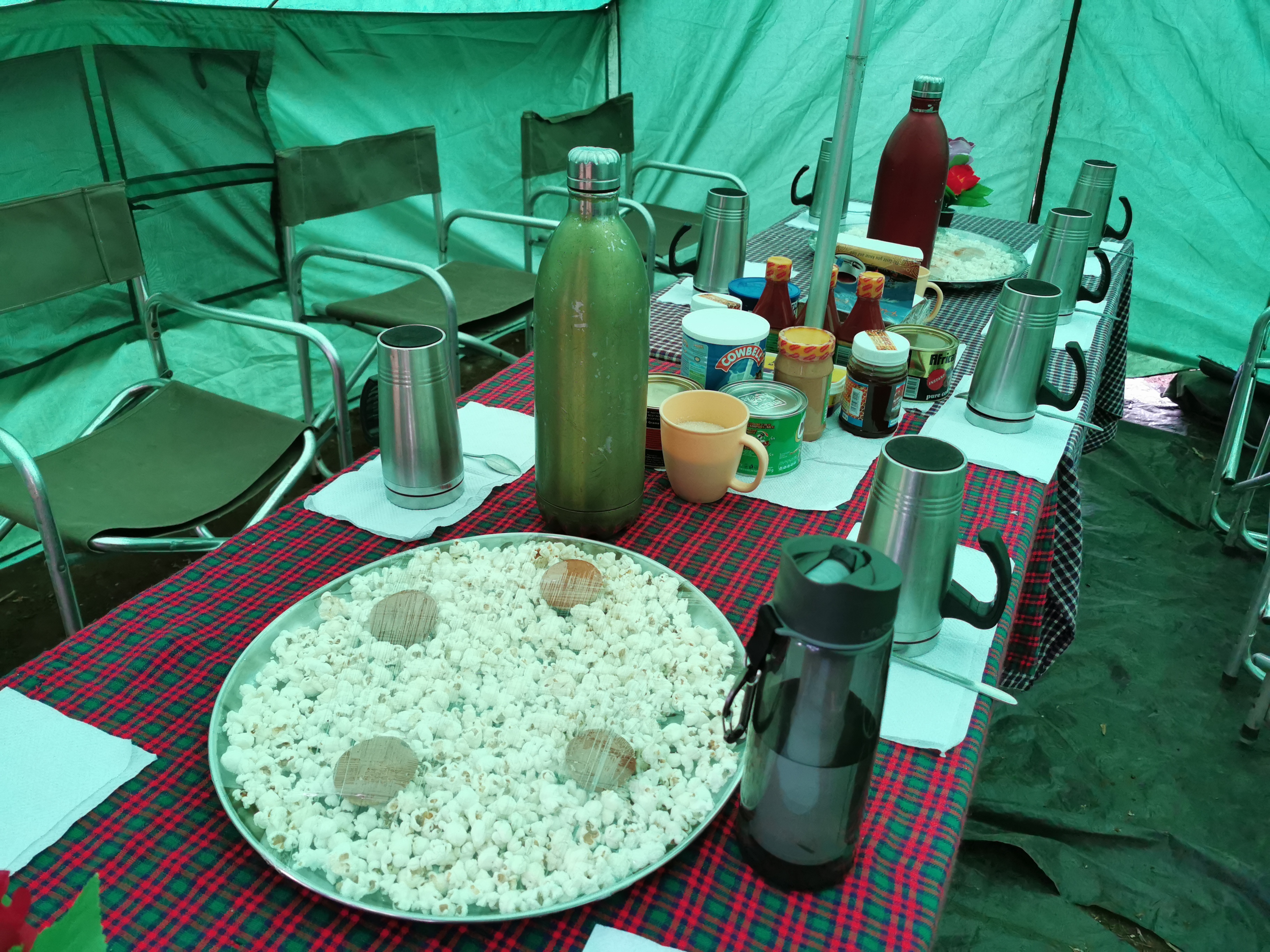
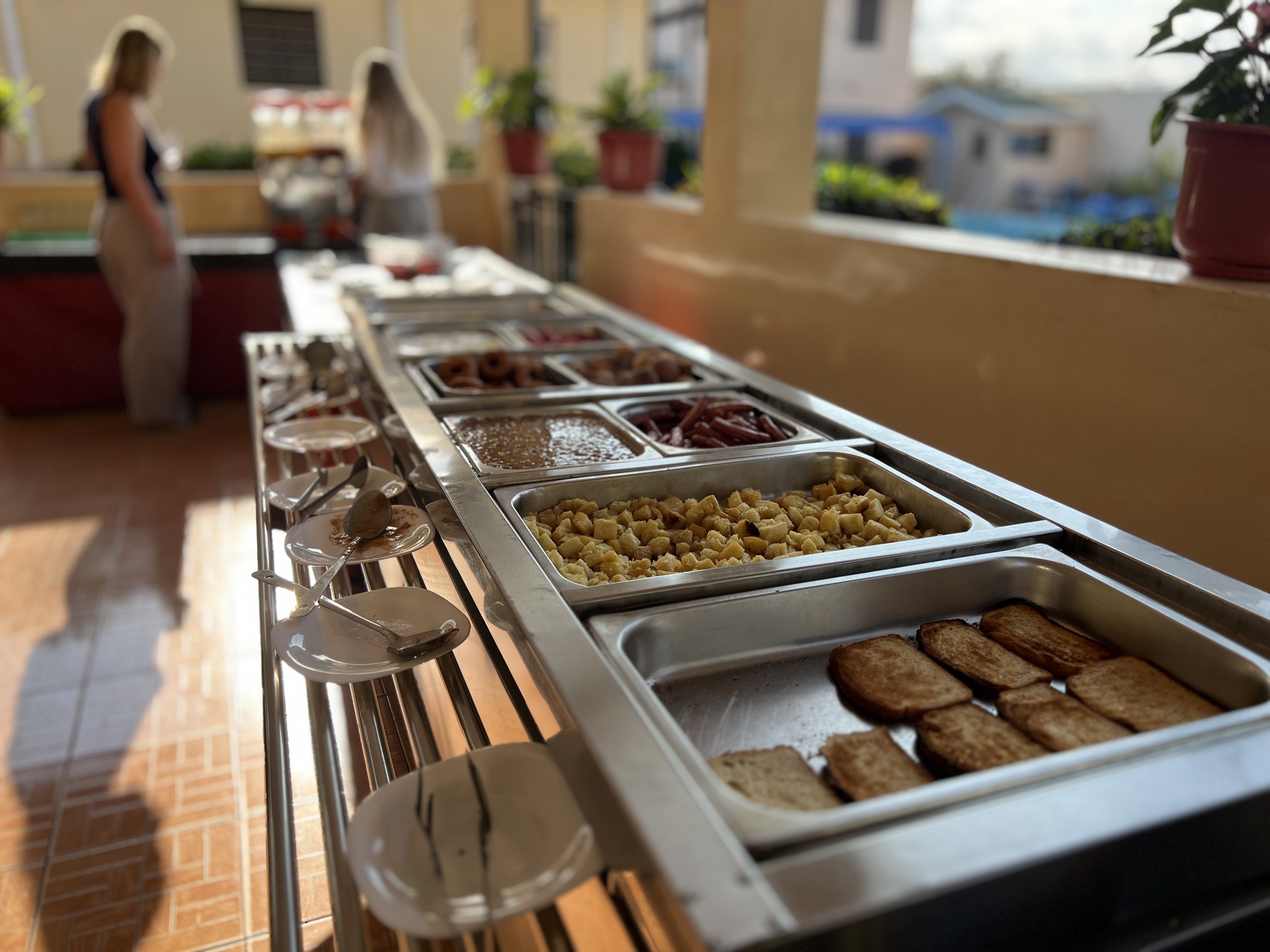
You can expect breakfast foods such as:
- Porridge, pancakes, omelettes, eggs
- Toast with jam, honey, or peanut butter
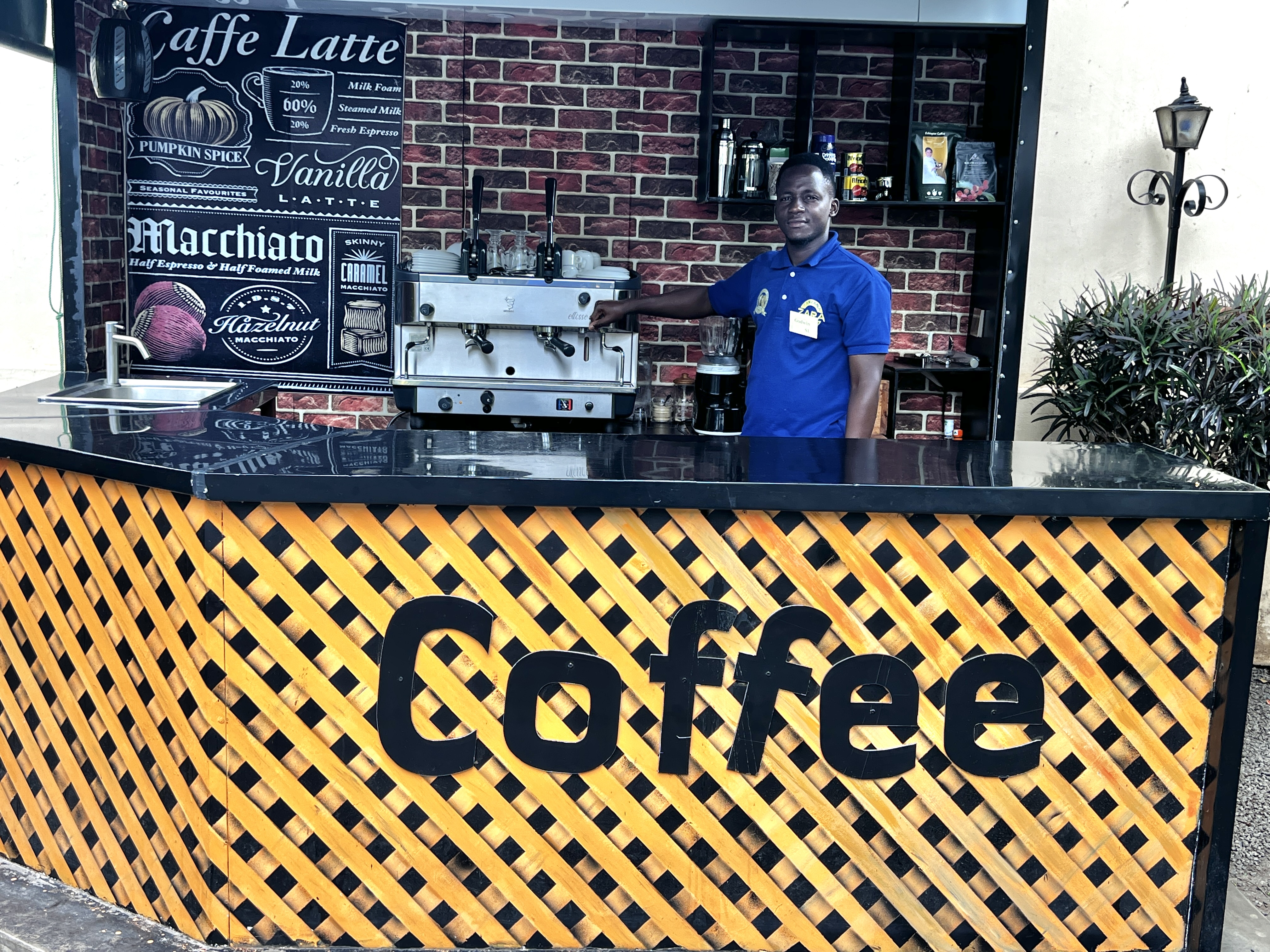
- Sausages, fruit, and tea or coffee
You can expect:
- Pasta dishes
- Fried rice
- Soup with bread
- Soups (vegetable, pumpkin, leek)
- Main dishes such as rice, spaghetti, potatoes with vegetable stew, beef, or chicken curry
- Seasonal vegetables
- Dessert, such as fruit or pudding.
One of the most important aspects of acclimatisation is drinking enough water to avoid dehydration (we recommend 4-5 litres per day!). As you go higher up the mountain, keeping well hydrated will help reduce the risk of getting symptoms of altitude sickness.
Our team will collect water from glacier-fed streams along the way. This will then be filtered or treated (usually boiled) to ensure it is safe to drink. We’ll provide you with plenty of safe, filtered/treated water every day to ensure that you're in the best possible shape to take on this incredible adventure.
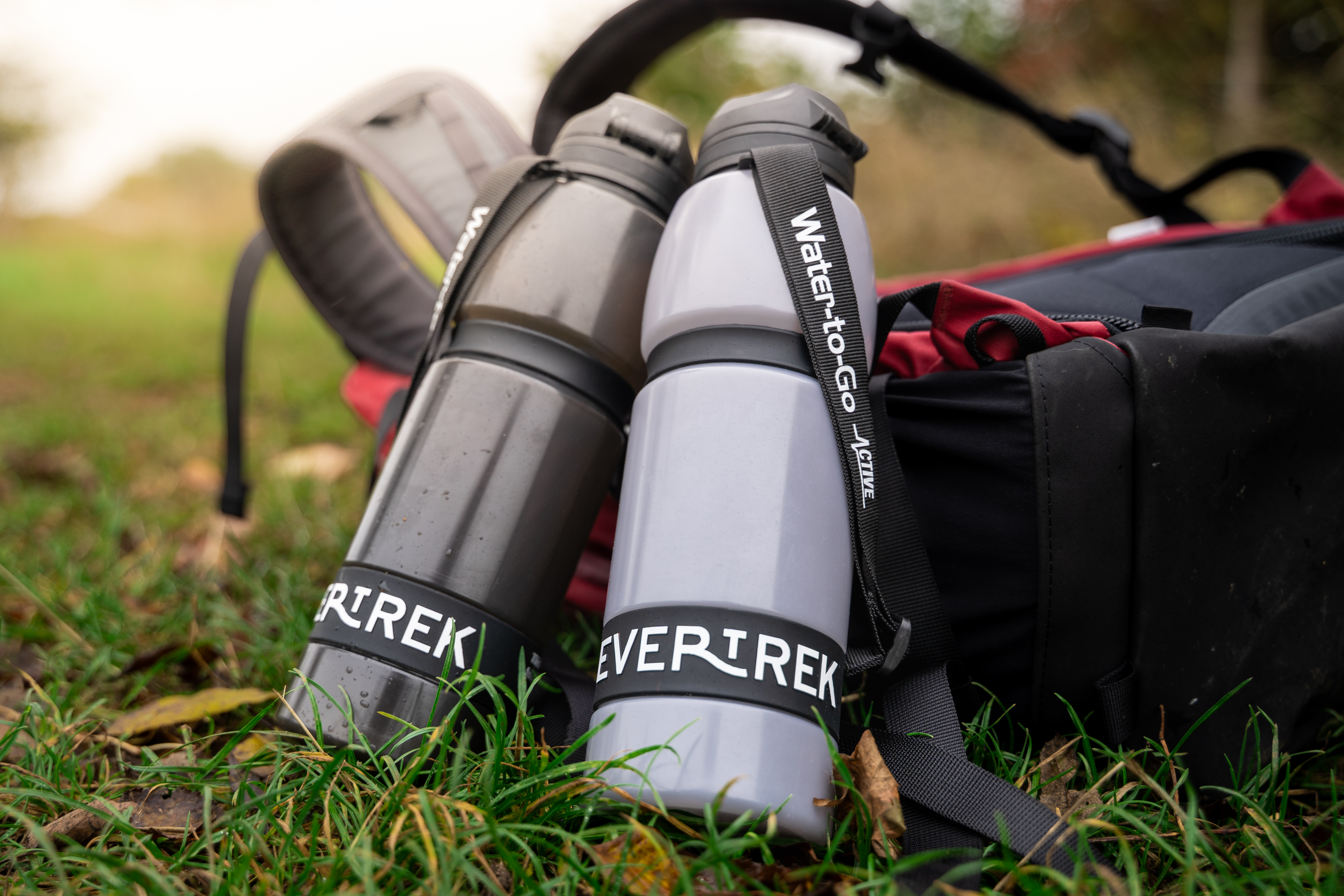
You’ll need a refillable water bottle or hydration bladder to make staying hydrated easy during the trekking days. Taking a refillable bottle or hydration bladder will also help reduce the environmental impact of the trek and reduce waste. Many of our EverTrekkers find that a combination of both a bottle and water bladder works well for their needs, especially if you want to use a separate bottle for any electrolytes you plan to take.
Staying hydrated is super important when trekking the Lemosho Route to Kilimanjaro. Water can be collected from glacier-fed streams along the way but it needs to be filtered or treated to ensure it is safe to drink. We’ll provide you with plenty of safe, filtered/treated water daily.
You’ll need a refillable water bottle or hydration bladder to make staying hydrated easy during the trekking days.

Difficulty:
Challenging
How challenging is the trek?
Mount Kilimanjaro might not require ropes, crampons or mountaineering skills, but don’t let that fool you, it’s still a high-altitude summit that demands serious respect. At 5,895m, Uhuru Peak is higher than Everest Base Camp, and the summit of Mont Blanc.
The trek itself is non-technical, but the altitude, summit night, and consecutive days of climbing make it a real physical and mental test, even for experienced trekkers.
Having said that, it’s one of the most achievable “big mountain” summits in the world, but preparation is key.

PLUS Get a FREE training plan from The Altitude Centre
Book now and you can get a FREE consultation & training plan from The Altitude Centre!
Here’s how to know if you’re ready:
Pre-Trek Fitness Prep
Before climbing Kili, you should aim to:
- Trek for 6 to 8 hours a day, (except Summit night which is 12+ hours) carrying a 6 to 10kg daypack
- Handle long uphill sections, including altitude gains of 800–1,200m on summit day
- Get used to multi-day hiking, especially on consecutive days with no full rest days
- Train with a mix of hill walking, stair climbing, cardio workouts, and back-to-back training days
Even if you’re not there yet, Kili is very achievable with a few months of focused prep. And because it’s non-technical, it’s a great choice for first-time high-altitude trekkers aiming for a true summit experience.
What to expect on the trek
Altitude Challenges
Altitude is the single biggest challenge on Kilimanjaro. Most routes are designed with acclimatisation in mind, but there’s still a lot of altitude gain in a short amount of time. You’ll be sleeping well above 3,000m for most of the trek and climbing above 5,800m on summit night.
Symptoms of altitude sickness, like headaches, nausea, or fatigue, are common. Your guides will monitor your health daily, and your success will often depend on pacing, hydration, and how well your body adjusts.
Duration
Our itinerary is 11 days from arrival in Tanzania to your departure day with 8 days on the mountain. Most days involve 5 to 7 hours of trekking, except for summit night, which is the toughest day by far with 10 to 14 hours of hiking, mostly in the dark, with a steep descent after reaching the summit.
Terrain
The route takes you through five distinct climate zones, from rainforest to arctic-like summit terrain. Expect:
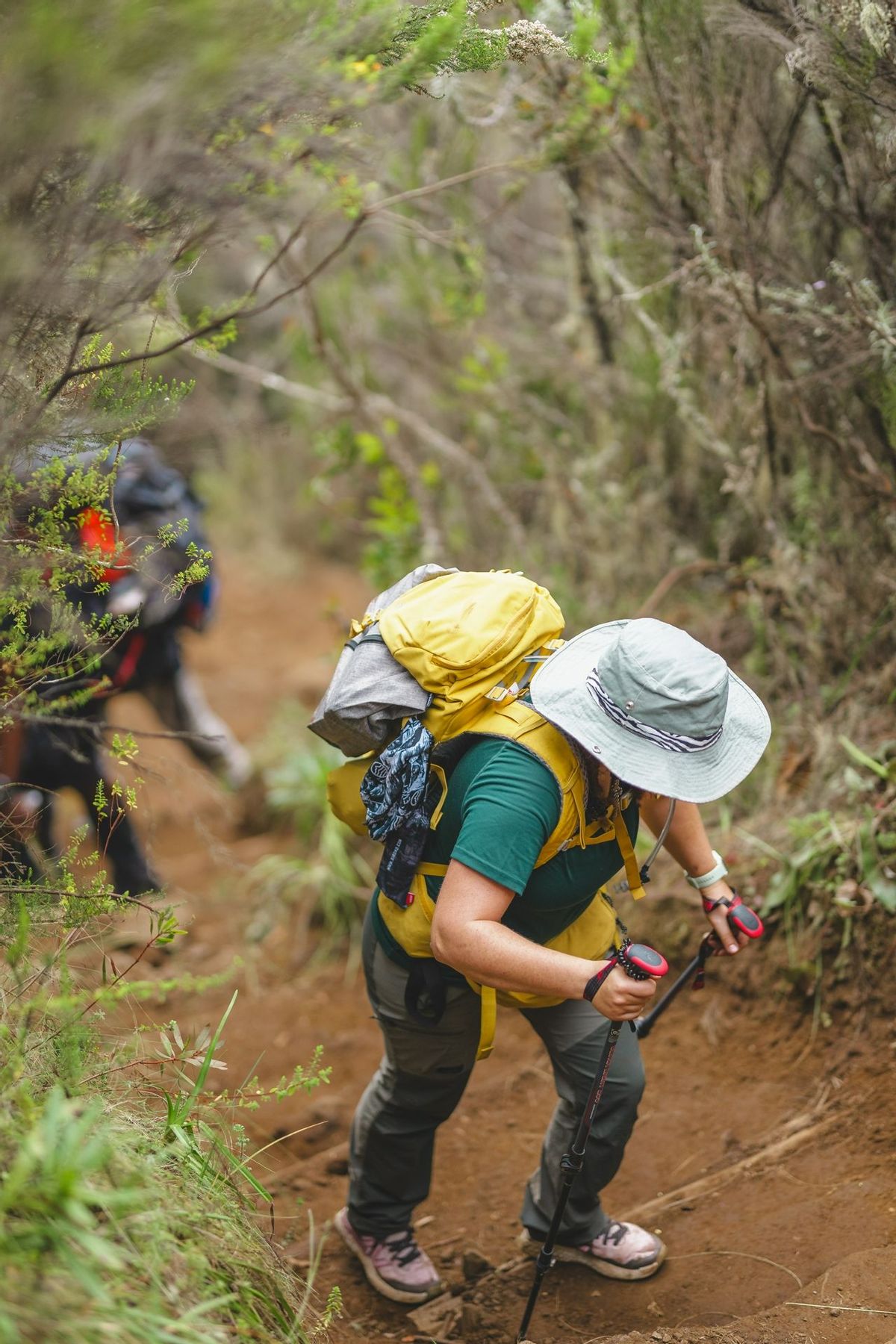
- Muddy jungle trails in the lower sections
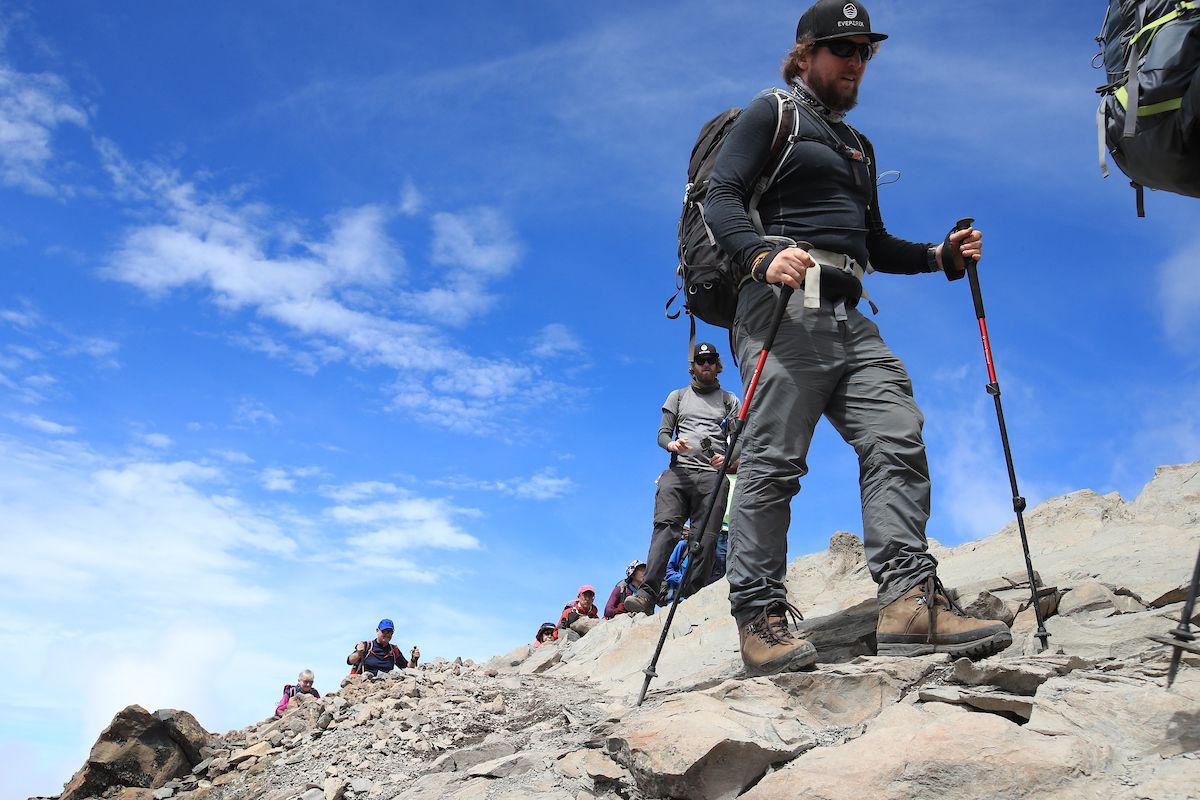
- Rocky ridges, alpine desert, and volcanic scree slopes
- Summit night involves loose volcanic gravel, cold wind, and steep switchbacks
The terrain isn’t technical, but the lack of oxygen and long summit push make it feel much harder than the altitude numbers suggest.
Weather
Kilimanjaro’s weather is famously unpredictable. Expect everything from tropical heat to freezing summit temperatures, often on the same day. Summit night will likely be below zero with wind chill, so good layering is essential.
Essential Kit
Explore our essential kit picks so you're comfortable, safe, and ready for every step. Download the full checklist to nail your packing.
Waterproof jacket
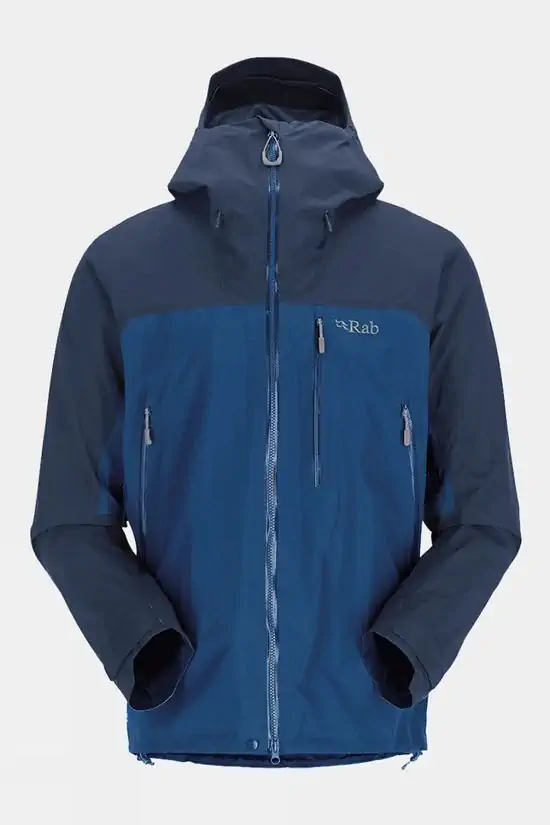
A versatile gore-tex or similar material jacket is ideal for year round walking, hiking and trekking in the roughest weather. Jackets like the Latok Mountain GORE-TEX® Pro Jacket offer great weather protection and breathability when you need it.

Insulated jacket
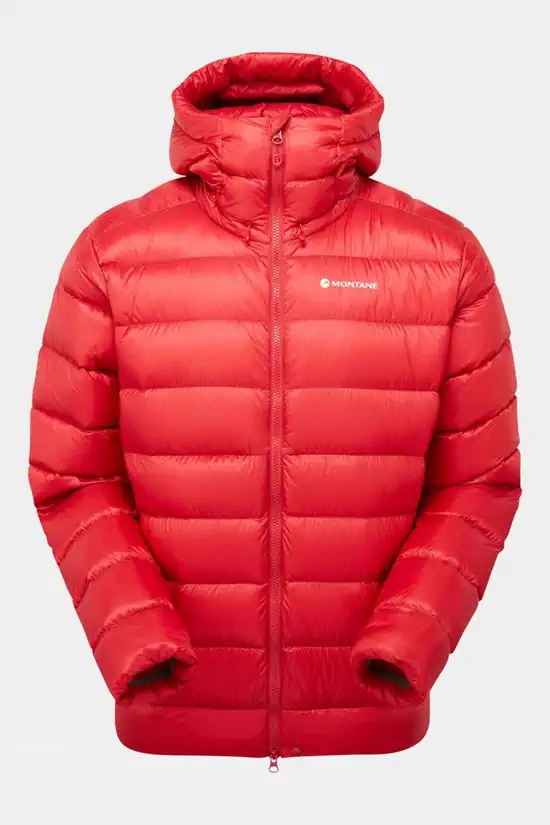
A down or synthetic insulated jacket is a must for sub-zero conditions. Jackets like the Montane Anti-Freeze XT Down Hoodie use water-resistant down for an excellent warmth-to-weight ratio, with features like high collars and storm flaps to trap heat.
Sleeping bag
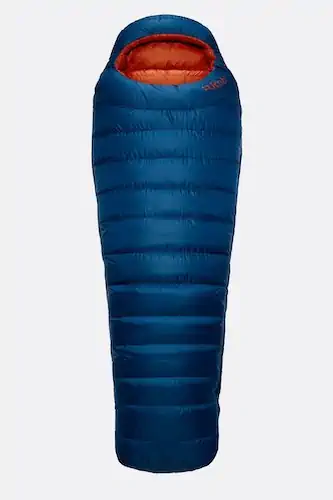
A warm and reliable down-filled sleeping bag is essential for multi-day trekking or backpacking adventures. The Rab Ascent 700 is a great example, made with recycled materials and designed for both regular camping and mountain use.
Base layer top
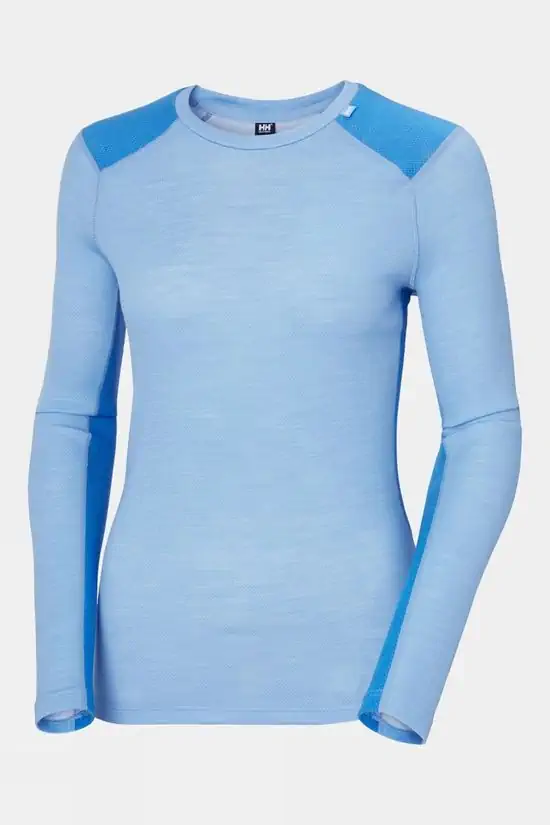
A warm and breathable long-sleeve base layer, combining materials like Merino wool and synthetic fibres, helps regulate body temperature in various outdoor conditions. The Helly Hansen Lifa Merino Midweight is one such example.
Trekking shorts
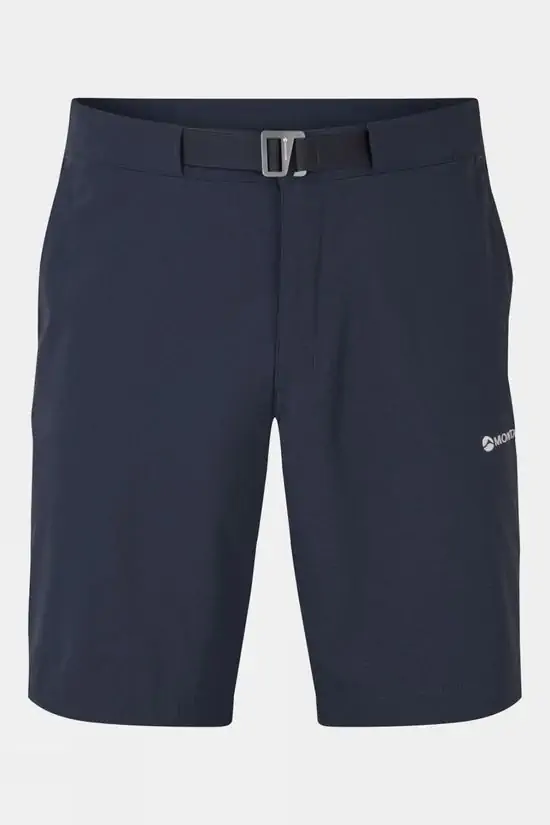
Lightweight and durable walking shorts are ideal for fast-paced mountain hikes. Shorts like Montane's Tenacity Lite use stretch fabrics to offer protection from wind and abrasion.
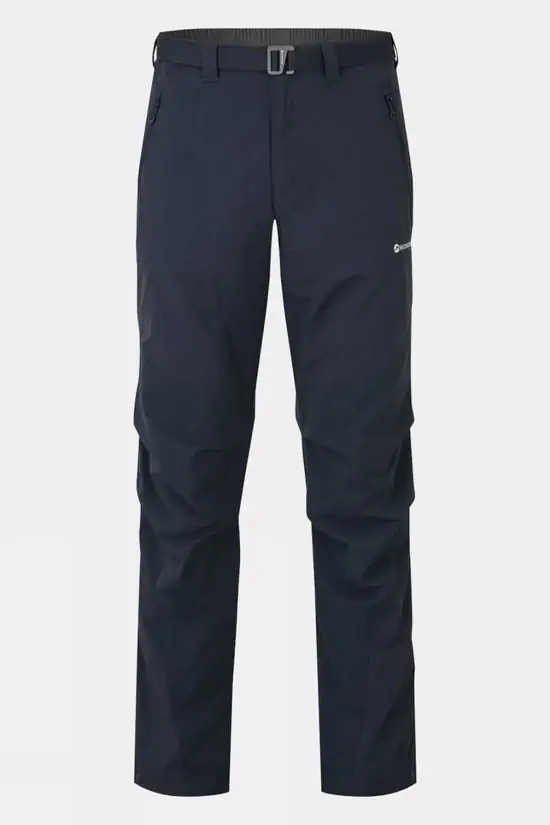
Trekking trousers
Tough, lightweight and versatile trousers are perfect for a range of outdoor activities. The Montane Terra Pants continue to be a go-to choice for everything from trekking to scrambling.
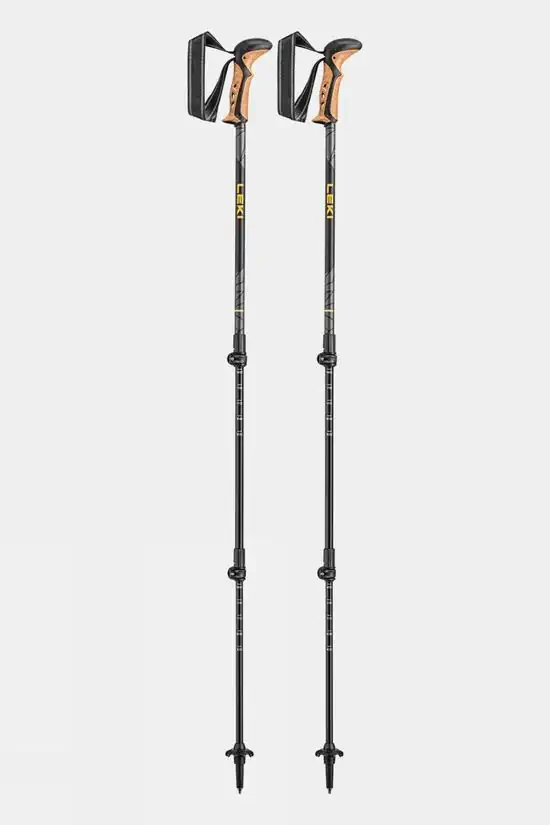
Trekking poles
Lightweight yet sturdy walking poles help with balance and reduce strain on steep or uneven terrain. The Leki Khumbu Lite poles are a popular option for hill walking and mountain hiking.

Mountain sunglasses
Protective and high-performance sunglasses are important for alpine environments. Sunglasses like the Julbo Shield Reactiv combine style with serious high-mountain protection.
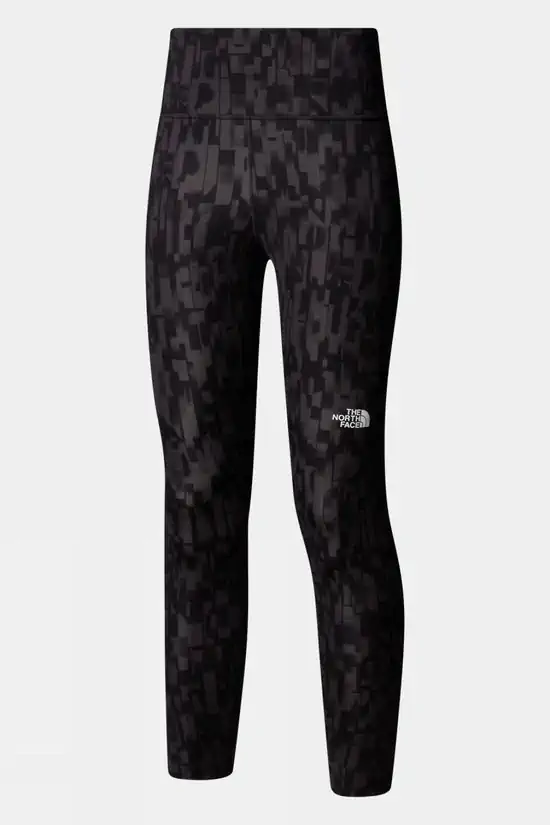
Leggings
Lightweight leggings with moisture-wicking fabrics are ideal for active use. The North Face Flex High Rise Leggings offer comfort and sweat management during exercise.
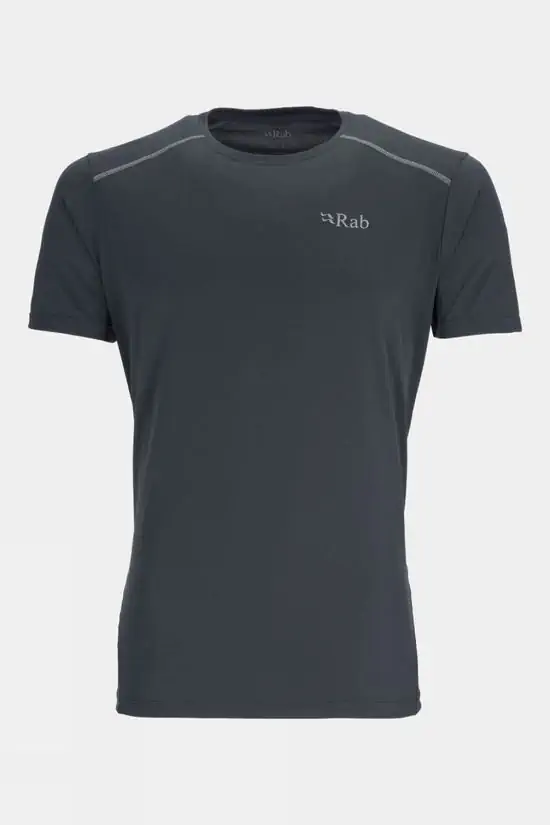
Technical T-shirt
A moisture-wicking technical tee is essential for active days in the hills. The Rab Force T-Shirt is a reliable choice for mountain walkers and runners alike.
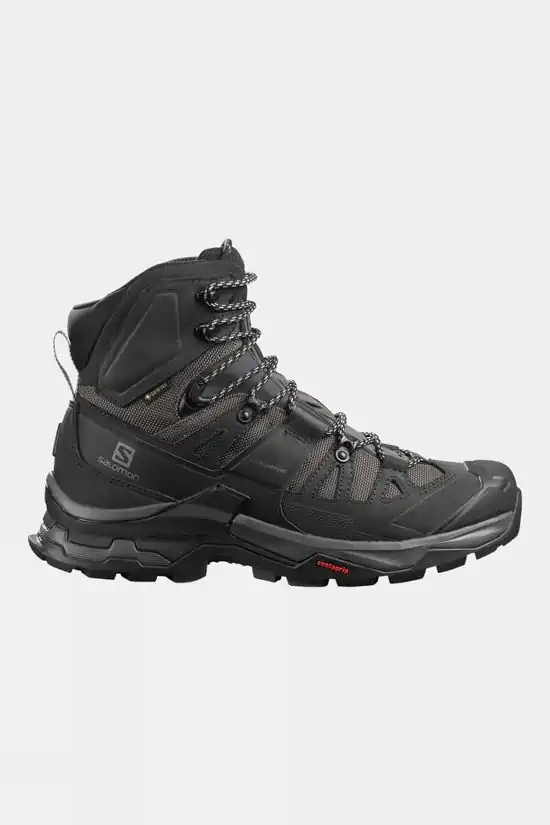
Hiking boots
Supportive and grippy walking boots are key for long hikes and rugged trails. The Salomon Quest 4 GTX boots are built for demanding conditions and multi-day use.

Hiking socks
A good pair of merino-blend walking socks helps keep feet warm and comfortable on long walks. The Bridgedale Merino Hiker socks are a dependable option for various terrains.
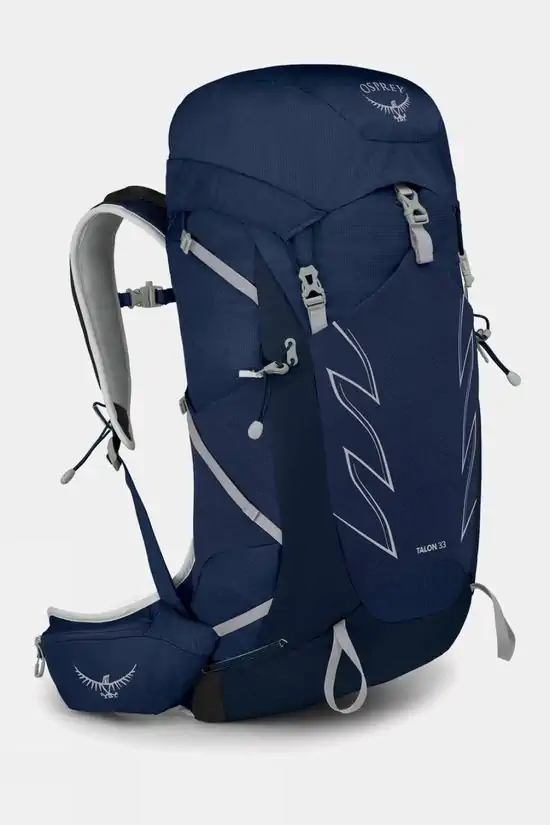
Daypack
A 30-35L daypack is a great size for longer hikes or overnight trips. Packs like the Osprey Talon 33 balance load well and offer good back ventilation.
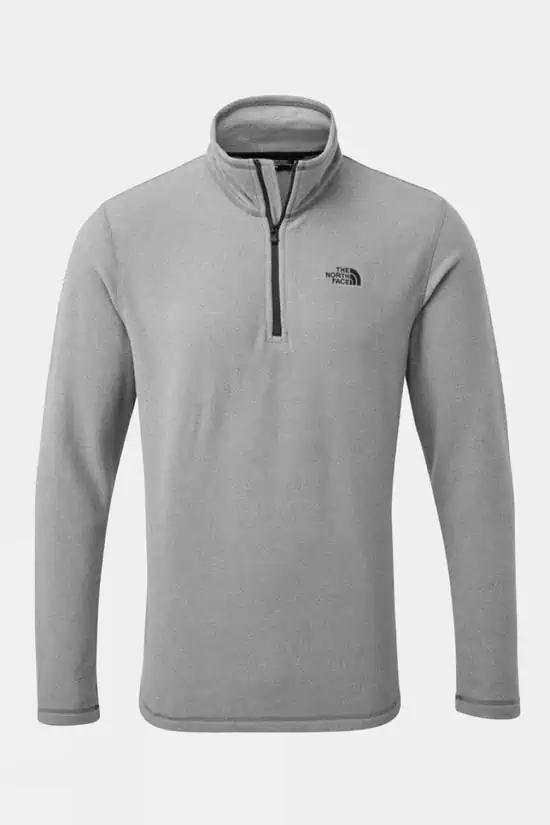
Fleece mid layer
A soft, insulating fleece is great for layering on cooler days. The North Face Cornice II is a sustainable option made from recycled materials.
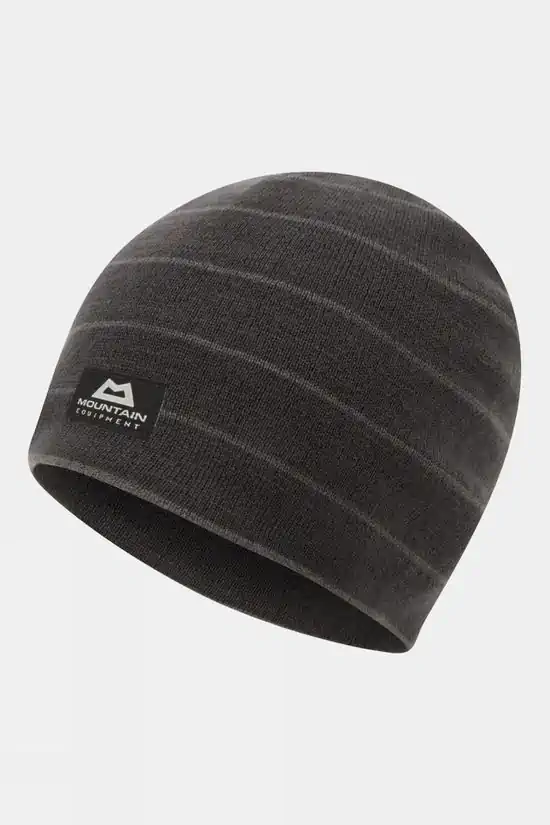
Warm beanie
A warm and comfortable beanie is ideal for cold weather walks or everyday use. The Mountain Equipment Humbolt Beanie fits the bill.
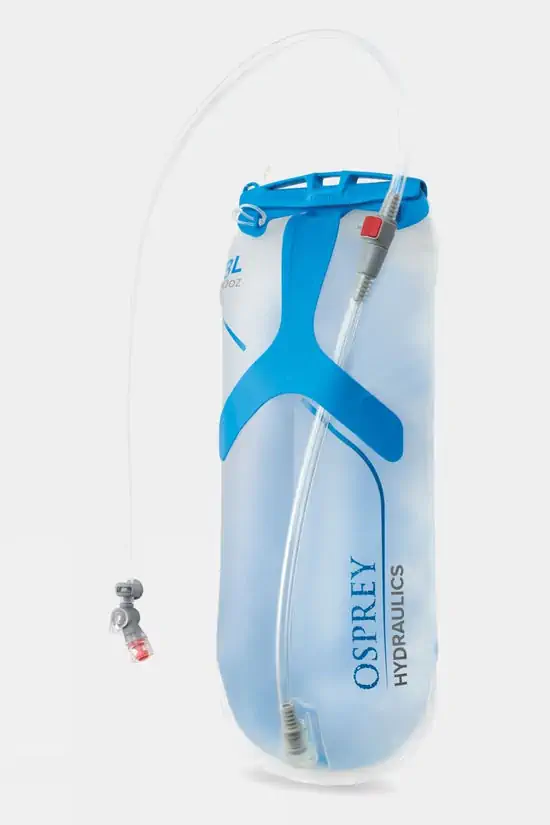
Hydration reservoir
A 2-3L hydration bladder helps you stay hydrated on the move. The Osprey Hydraulics 3L Reservoir is stable, easy to use, and reliable.
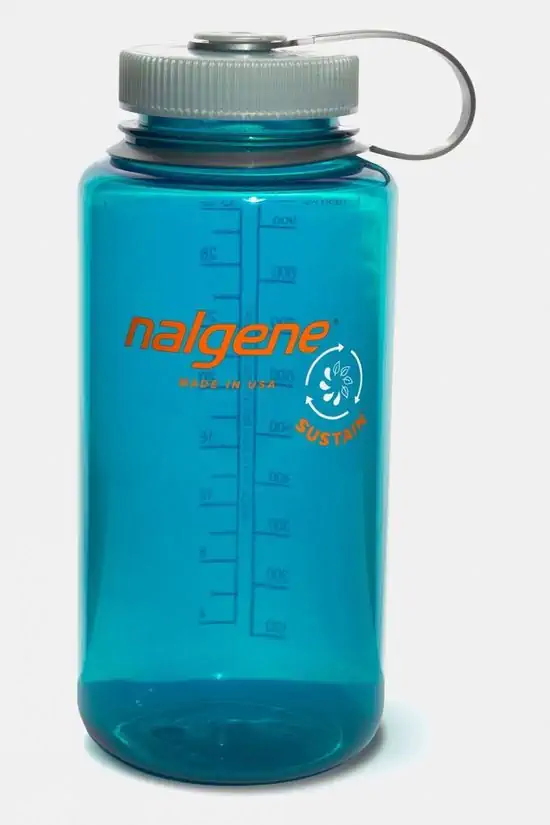
Water bottle
A durable, wide-mouth bottle is handy for refilling on the go. Nalgene's Sustain 1L Water Bottle is a classic, perfect for day hikes or longer trips.
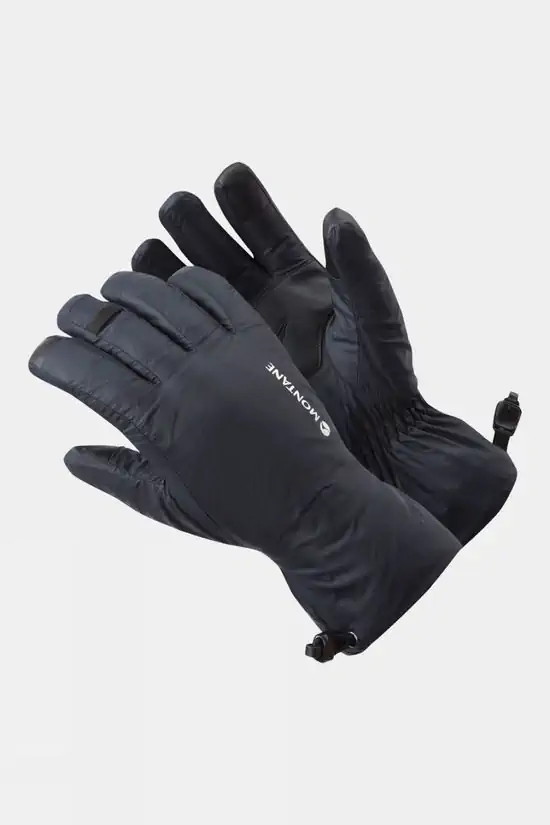
Waterproof gloves
Warm, waterproof gloves are essential for wet and cold mountain days. Gloves like the Montane Respond Dry Line offer protection and dexterity in tough conditions.

Headtorch
A compact and bright headtorch is important for early starts or late finishes. The Petzl Tikka 350L is simple to use and effective for low-light navigation.
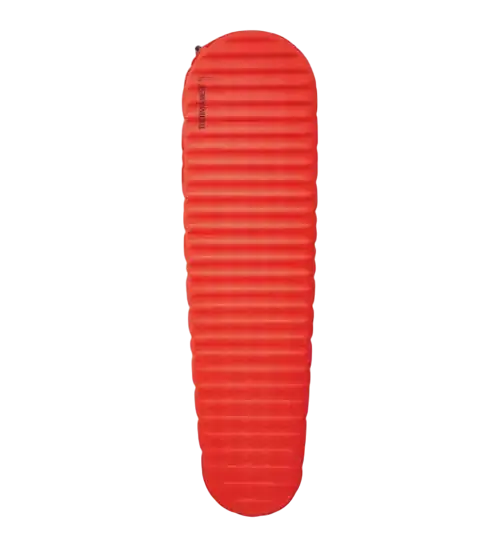
Sleeping mat
A lightweight and compact sleeping mat adds essential insulation and comfort for overnight stays outdoors. Mats like the Therm-a-Rest NeoAir XLite NXT offer excellent warmth-to-weight performance, making them a solid choice for backpacking and wild camping.
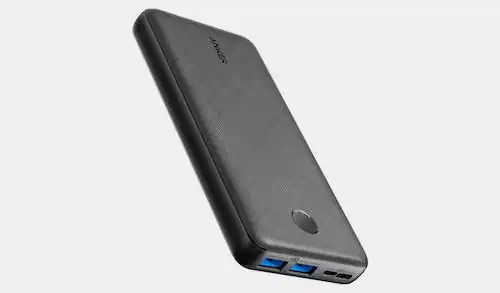
Portable power bank
A high-capacity power bank is a great way to keep your devices charged on multi-day trips or when you're off the grid. Options like the Anker PowerCore 20000mAh offer multiple charges for phones and other electronics, making them ideal for camping, backpacking, or travel.
Explore our essential kit picks so you're comfortable, safe, and ready for every step. Download the full checklist to nail your packing.
Trip Extensions
Enhance your adventure with our range of trip extensions.
Safari Trip Extension - Serengeti National Park & Ngorongoro Crater
Embark on a journey of a lifetime by exploring the magnificent Serengeti National Park after your successful summit of Kilimanjaro. The Serengeti is a world-renowned destination and is considered as one of the last remaining unspoiled savannahs in the world. Be prepared to be awed by the vast and diverse wildlife that roam its plains, including the rare black rhino, majestic lions, towering elephants, elusive leopards, crafty hyenas, and comical warthogs - keep your eyes peeled for Pumba!
The Ultimate Kilimanjaro Trip Extension!
Make the most out of your trip as you go on a thrilling game-viewing adventure that will leave you breathless. And, let’s not forget the stunning Ngorongoro Crater, where you will be treated to breathtaking views of the caldera and its surroundings. This experience is an unparalleled opportunity to immerse yourself in the natural beauty of Africa while enjoying game-viewing and adventure at its very best.
Thinking this add-on might just be your next big Kili upgrade? We hope so!
Ready to add more to your adventure? Select your extension at checkout, or if you’ve already booked your trip just give us a call at 02920 003216, and we’ll take care of the rest.
Safari Trip Extension - Ngorongoro Crater and Lake Manyara
After conquering the mighty Kilimanjaro, delve into the enchanting realms of Lake Manyara National Park and the mesmerizing Ngorongoro Crater, all under the guidance of your own private safari expert. Prepare to be awe-struck by the awesome landscapes and incredible wildlife within these extraordinary national parks. These remarkable sanctuaries are bustling with a massive array of creatures, promising a truly unparalleled, once-in-a-lifetime experience. Feast your eyes on the sight of the elusive and endangered black rhinoceros, majestic lions, and the vibrant congregation of flamingos adorning the lakeshores.
Explore the Ngorongoro Crater and Lake Manyara
- Keep your cameras ready, you might be lucky and see the elusive leopards, cunning hyenas, and even the comical antics of warthogs.
- Your private safari guide will reveal the hidden wonders and remarkable stories of these landscapes.
- They’ll make sure every moment you spend become an unforgettable chapter in your EPIC African adventure.
Thinking this add-on might just be your next safari upgrade? We hope so!
Select your extension at checkout, or if you’ve already booked your trip just give us a call at 02920 003216, and we’ll take care of the rest.
Zanzibar Trip Extension - 3 Days/2 Nights at Langi Beach Bungalows
The Langi Beach Bungalows is the paradise you have been waiting for after your trek to the summit of Kilimanjaro! Why not extend your stay in Tanzania and swap the fresh mountain air for the warm sea breeze and enjoy some sun, sea, sand and relaxation. All while you experience the mouth-watering seafood and the sensory overload of the popular spice market.
3 Days of Beach Bungalows and Spice Discovery
- Beachside Bungalows: Your base for this enchanting Zanzibar experience is the beautiful Langi Beach Bungalows. Zanzibars stunning beaches are surrounded by the most beautiful clear seas. Your time is your own, you can chill by the beach with a cocktail reliving the memories of your epic Kilimanjaro summit or have fun in the tropical water brimming with fish making it ideal for snorkelling and diving.
- Spice Tour Adventure: You will also get to experience the Spice Tour, the spice tour is one of the most popular places to visit in Zanzibar. Zanzibar was one of the world’s leading spice producers such as clove, nutmeg and cinnamon. The tour takes you to an organic spice farm where you don’t just see, you also touch, smell and taste.
Thinking this add-on might just be your next big Kili upgrade? We hope so!
Select your extension at checkout, or if you’ve already booked your trip just give us a call at 02920 003216, and we’ll take care of the rest.
Zanzibar Trip Extension - 5 Days / 4 Nights at Kendwa Rocks Hotel
Zanzibar, the paradise you’ve been yearning for during your trek to the summit of Kilimanjaro! After conquering the majestic Kilimanjaro, it’s time to unwind and experience the blissful beauty of Zanzibar. A short flight from the bustling Tanzanian mainland transports you to this remote paradise, known for its stunning beaches caressed by crystal-clear seas. Your time in Zanzibar is your own; you can either bask in the sun on the beach with a cocktail, reminiscing about your epic Kilimanjaro summit, or dive into the tropical waters teeming with vibrant marine life, perfect for snorkeling and diving enthusiasts.
5 Days of Beach Bliss and Spice Tour
- Beachside Bliss: Your base for this enchanting Zanzibar experience is the renowned Kendwa Rocks Hotel, nestled on the exquisite Kendwa Beach. This idyllic location offers the perfect blend of tranquility and adventure, making it an ideal spot for relaxation and exploration. Whether you prefer sun-soaked siestas, sipping cocktails by the beach, or engaging in thrilling water sports, Kendwa Beach and Kendwa Rocks Hotel cater to all your desires. If you’re feeling a bit achy from the mountain, head over to the massage tent, you won’t regret it.
- Breakfast & Dinner: Included in this awesome stay at Kendwa Rocks is Breakfast and Dinner, pick up and drop off.
- Party Hard (Date Dependant): If you are lucky enough to arrive on one of the next dates, you have free entry to the famous Full Moon Party that happens every month! It’s a wild night you won’t forget. Here are the next few dates for the Full Moon Party.
- Exploring Stone Town: During your stay in Zanzibar, you’ll have the opportunity to visit the historic Stone Town, a place steeped in Swahili and Islamic influences with a rich and fascinating history dating back centuries. Wandering through its narrow, winding stone streets, you’ll encounter intricate architecture, vibrant markets, and a captivating atmosphere that transports you to another era.
- Spice Tour Adventure: A visit to the Spice Tour is a must during your time in Zanzibar. Zanzibar was once one of the world’s leading spice producers, known for its aromatic treasures like cloves, nutmeg, and cinnamon. The Spice Tour offers a unique and immersive experience as you’re guided through an organic spice farm. Here, you won’t just see the spices; you’ll touch, smell, and taste them. Learn about the cultivation, harvesting, and uses of these exotic spices, gaining a newfound appreciation for the flavors that have graced Zanzibar for centuries.
Thinking this add-on might just be your next big Kili upgrade? We hope so!
Select your extension at checkout, or if you’ve already booked your trip just give us a call at 02920 003216, and we’ll take care of the rest.
FAQs
with EverTrek costs between £2,845 and £3,045, depending on your chosen departure date. This includes an 11-day itinerary with an 8-day ascent via the scenic Lemosho Route, all accommodation and meals during the trek, national park fees and permits, experienced local guides and porters, pre and post trek hotel stays in Moshi, airport transfers, and access to EverTrek's trip planner mobile app. International flights, travel insurance, tips, and personal expenses are not included.
EverTrek uses the Lemosho Route for Kilimanjaro expeditions. This route is longer and more scenic than other options, offering incredible views of the Shira Plateau, Lava Tower, and the Barranco Wall. The extra days on Lemosho allow for a more gradual ascent, which greatly improves acclimatisation, boosts summit success rates, and reduces the risk of altitude sickness. It’s widely regarded as one of the best and most beautiful ways to experience Kilimanjaro.
This trek is rated challenging. You’ll need a good level of fitness to trek on average 5–8 hours per day, with summit night requiring 12+ hours of trekking. You'll be reaching up to 5,895m at Uhuru Peak. Prior trekking experience is helpful but not essential. Good stamina, mental resilience, and a steady pace are key to summit success.
How should I train for the Kilimanjaro – The Long Way trek?
Training should focus on:
- Cardiovascular fitness (running, hiking, cycling, swimming)
- Leg and core strength (strength training, weighted hiking)
- Back-to-back long hikes to simulate trekking days
Aim to train 4–5 times per week for at least 3 months before your trek. Multi-day hiking practice is ideal. Joining an EverTrek training weekend (such as in Snowdonia or the Brecon Beacons) is a great way to prepare.
You won't need much if any money on the mountain itself, as all meals, drinks, toilets, and tents are provided throughout the trek. However, you may want to bring some cash to celebrate at the bar at the end of your trek back to Moshi! We recommend carrying some Tanzanian Shillings for tips, drinks, or souvenirs after your climb.
There are no showers on Kilimanjaro, so we recommend bringing biodegradable soaps, wet wipes, and a flannel to stay clean during the trek. The EverTrek team will provide hot water every morning so you can have a quick wash before you start the day.
The best trekking seasons are:
- January to March – Clear skies, moderate temperatures, quieter trails
- June to October – Dry season, excellent visibility, more popular
We recommend avoiding the main rainy seasons of April–May and November.
Tipping is customary and appreciated. We recommend budgeting around 10% of your total trip cost. For a trek priced between £2,845 and £3,045, a tip of £285–£305 is appropriate, which will be shared among your guides, assistant guides, cooks, and porters. Your lead guide will help organise a fair distribution of tips at the end of the trek.
Climbing to nearly 6,000m requires careful acclimatisation. To reduce your risk:
- Follow the gradual ascent itinerary
- Drink 3–4 litres of water per day
- Avoid alcohol and smoking
- Know the signs: headache, nausea, dizziness, fatigue
- Consider taking Diamox (speak with your GP before your trip)
- Communicate early with your guide if symptoms appear, early intervention is key
Yes, your main duffel bag must not exceed 15kg, respecting Tanzanian mountain regulations and porter welfare guidelines. You'll also carry a daypack with essentials like water, snacks, spare layers, and sun protection. Packing light and smart is essential, you can pick up any last-minute items like snacks or toiletries in Moshi before you start the trek.