WhatsApp us



 Best Sellers
 Bucket List Adventures
 Short Trips
 Training Weekends
 Epic Peaks
 Remote Adventures
 Hardcore Challenges


Everest Three Passes trek

Download the full Trip Guide

Download the full Trip Guide
What’s Included?
Meals
All meals on the trek, plus welcome & farewell dinners.
Accommodation
5* hotel before & after; cosy teahouses on the trek.
Guides, Porters & Permits
Experienced expert (English speaking) guides, porter support, and all permits sorted.
Free Equipment Hire
Winter sleeping bag & down jacket (worth £110) - free to borrow.
In-Country Transfers
Airport welcome & hotel transfers, then back to the airport at the end.
Free EverTrek Gear
80L duffel, t-shirt, cap & map to keep and a post-trip medal.
What's included?
-
All accommodation
-
All Meals During Trek
-
Expert Guides, Porters & Permits
-
Airport welcome & transfer to hotel
-
Transfer to airport and farewell
-
Any required in country transfers
-
Purified water on the majority of the trek (Saves on plastic bottles)
-
Free 80lt EverTrek duffel bag, t-shirt, cap and map
-
3 nights accommodation in hotels with breakfast
-
Guided city tour
-
Welcome and farewell dinner
-
Free Hire of down jacket and winter sleeping bag (on request)
-
Oximeter & Heart Rate Monitor (carried by guides)
-
EverTrek Trip Planner App
-
Medal (post trip, you will be contacted after the season ends to arrange this by a Yeti)
-
Exclusive equipment discounts from Ellis Brigham, Osprey, The Altitude Centre and heaps more
What's not included?
-
International flight to Kathmandu
-
Internal Flights & Domestic Transfers
-
Nepal arrival visa
-
Single Supplements
-
Meals in the city except for breakfast and other mentioned special dinner
-
Personal expenses including mineral water, and alcoholic drinks and beverages
-
Monument entrance fees
-
Your travel insurance that covers Helicopter evacuation
-
Any other extended trips and accommodation
-
Guide/Porter Tips - We recommend bringing roughly 10% of trip cost
Why choose us for this adventure?
We include premium features that other providers charge extra for or don't offer at all.
We've compared every major provider side by side - what's included, what's not, and the value you actually get.




 All trek Meals + Hotel Breakfasts + Welcome & Farewell dinner in Kathmandu
Filtered Water (no tablets; plastic-reduction) Pioneered by EverTrek; Gorak Shep only bottled
5* Hotel in Kathmandu + Tea Houses/Lodges on trek
Free hire: Insulated Down Jacket & Winter Bag + Free 80L Duffel, Tee, Cap & Map to keep
All trek Meals + Hotel Breakfasts + Welcome & Farewell dinner in Kathmandu
Filtered Water (no tablets; plastic-reduction) Pioneered by EverTrek; Gorak Shep only bottled
5* Hotel in Kathmandu + Tea Houses/Lodges on trek
Free hire: Insulated Down Jacket & Winter Bag + Free 80L Duffel, Tee, Cap & Map to keep
 Not included - choose your best flights; we'll align timings & include your transfers
 Private Arrival & Departure Transfers included & arranged for you
 Booked by our trusted partner to ensure flexibility for weather delays (£330)
Trip Planner App: Kit Lists, Training Plans, Itinerary, POIs, Useful Docs & Countdown
Medal & Certificate given to honour your incredible achievement
Gear Discounts + Free Altitude Centre Consult & Personalised Plan
ABTOT
Exclusive to EverTrek
Partially included/specified
Not included
Booked by our trusted partner to ensure flexibility for weather delays (£330)
Trip Planner App: Kit Lists, Training Plans, Itinerary, POIs, Useful Docs & Countdown
Medal & Certificate given to honour your incredible achievement
Gear Discounts + Free Altitude Centre Consult & Personalised Plan
ABTOT
Exclusive to EverTrek
Partially included/specified
Not included


The EverTrek Difference
We go the extra mile – before you even hit the trail!
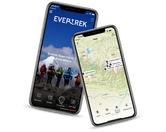
Trek Planning Tools
Get access to our mobile app with maps & countdown.
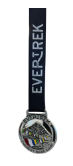
EverTrekker Medal
As a special thank you for completing your trek, a Yeti will arrange for you to receive an EverTrekker Medal. Perfect to show off to your friends!
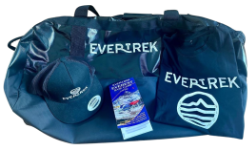
EverTrek Goody Bag
Once you arrive in Nepal you'll receive a goody bag with a free duffel bag, cap, trip map, T-shirt, and a branded EverTrek buff. You'll really look the part!
Download the full Trip Guide
Find out all of the awesome details about the trip and download the full guide and walkthrough right here.
Download the full Trip Guide
Find out all of the awesome details about the trip and download the full guide and walkthrough right here.

Sustainable Tourism
Because we only use local guiding teams it ensures your trip directly benefits the local mountain communities.
Trip Highlights
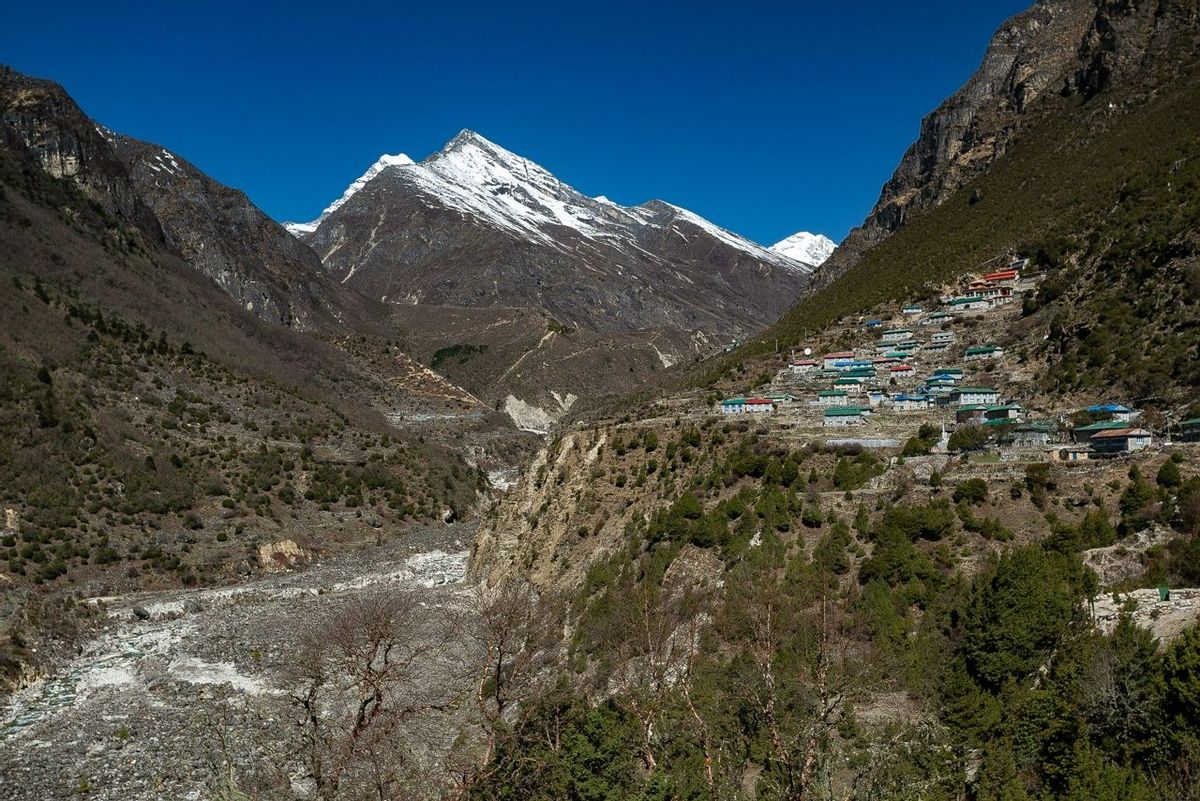
Take on the ultimate trekking challenge in the Khumbu - crossing three high passes over 5,000m and completing a full circuit through the Everest region.
Escape the crowds and explore the wilder side of the Himalayas, with quiet trails, remote valleys, and ever-changing landscapes.
Visit the sparkling Gokyo Lakes, climb Gokyo Ri and Kala Patthar, and stand at the foot of Everest itself.
Immerse yourself in Sherpa culture, visiting traditional villages and sacred monasteries far off the standard trekking route.
From lush forests to vast glaciers, this is a demanding and unforgettable adventure - perfect for experienced trekkers looking for the most complete Everest experience.
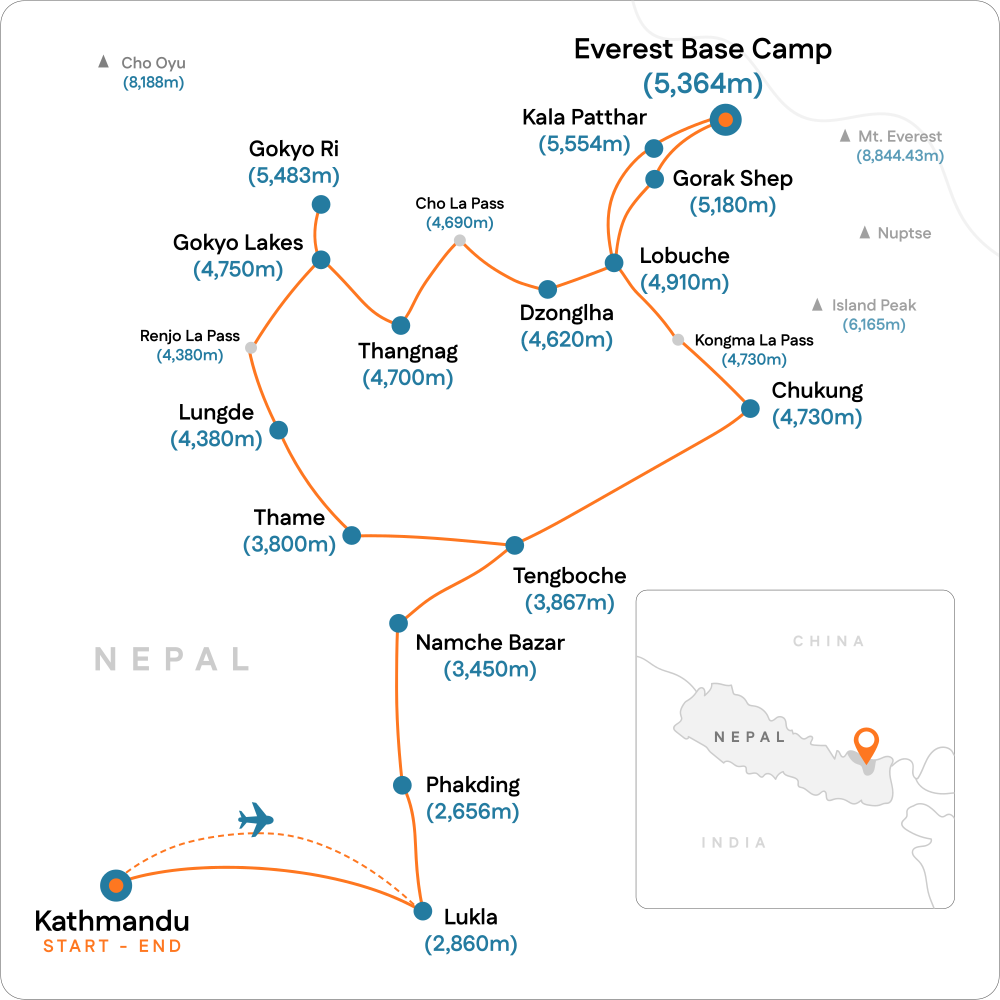
19-Day Everest Three Passes trek Itinerary
Welcome to Kathmandu – the capital city of Nepal.
Today is your first day with EverTrek. We will send one of our company representatives to pick you up at the Tribhuvan International Airport (TIA). Today, we also have our welcome dinner.
Meals included: Dinner
(Highlights of the day: Nepali food, Cultural music and Ethnic dance.)
Today you will head out into Kathmandu and visit the cultural and historical sites of the Kathmandu Valley.
You will visit the UNESCO World Heritage Sites in Kathmandu and enjoy lunch at one of our favourite viewpoints in the city. Kathmandu lies at 1300m above sea level so it’s important to get out and about today and let your body acclimatise.
Today also gives you the opportunity to grab any last-minute items in the trekking hub of Thamel and get an early night ready for the trek tomorrow.
*Something to note*
Due to ongoing development and important maintenance at Kathmandu Tribhuvan Airport, your flight to Lukla may be rerouted to Ramechhap Airport. This is because the Civil Aviation Authority of Nepal (CAAN) ruled that flights to and from Lukla during the 2019 post-monsoon season would operate through Ramechhap rather than Kathmandu. This action has been prolonged longer than expected and the CAAN is looking at permanently moving all flights that go to Lukla from Ramechhap. While some flights will certainly still go from Kathmandu, they are not always guaranteed, even when booked in advance and can be subject to unplanned and prolonged delays.
If flying to Lukla from Ramechhap Airport, the journey to Ramechhap will start on day two of your itinerary. After a part-day tour of Kathmandu, you will drive for approx. four to five hours to the town of Mulkot where EverTrek will provide accommodation and your evening meal. As with all Nepalese roads, the journey will be a bumpy one, but it’s necessary to ensure your dream of Base Camp becomes a reality! It will be an early start on day three, as you wake up at 3:30/4:30 am and take a short 30-minute drive to the airport. The flight to Lukla is shorter from Ramechhap than from Kathmandu which means we can monitor the weather windows with greater accuracy. EverTrek will get you on one of the first flights to Lukla where you can have a hearty breakfast and celebrate the start of your trek!
On the return journey, you will fly from Lukla to Ramechhap and then take the long bumpy adventurous drive back to Kathmandu. The traffic going into Kathmandu can be severe, so this may take approximately six to seven hours (with breaks for food and a stretch).
Although this has been an enforced change for everyone from CAAN, our ultimate aim is to get you on the trek safely and to make it to Everest Case Camp so we have made plans to make sure there will be as minimal disruption as possible. We will provide all the additional staff and accommodation for the diversion, absolutely no cost will be passed onto you, our awesome EverTrekkers, but we do ask for your patience with the potential change with the itinerary.
You can find more information in our Knowledge Centre article, here.
Meals included: Breakfast
(Highlights of the day: World Heritage sites like Kathmandu Durbar Square (a historical structure offering architectural wonders), the Pashupatinath temple (a Hindu shrine dedicated to Lord Shiva- lord possessing the power of destruction), Swyambhunath and Boudhanath (a Buddhist shrine dedicated to Lord Buddha- Light of Asia.)
*note* See day 2 notes on Ramechhap or read more information here.
Today is the first day of the trek and our destination is Phakding. We will be starting with an early morning flight, after a 30-35 min flight you will land at the Lukla Airport (Tenzing Hillary Airport). We will meet our porters and other members of the our team here. We will also prepare your luggage for the porters. Once everything is set, the 3 passes trek begins towards the destination of the day leaving Lukla behind. After three hours of mainly downhill and flat trail, we finally reach Phakding. You can freshen up and relax and enjoy the beautiful village which sits on the Dudh Kosi river. We will go for a short walk in the village of Phakding or even a hike to nearby Gompas for acclimatization purposes. The night will be spent at a lodge in Phakding.
Meals included: Breakfast/Lunch/Dinner
(Highlights of the day: Wonderful aerial view of the terrain from the plane, colorful Lukla village, ‘Mani’ prayer rocks, Phakding village and ‘Gompas’ monasteries, downhill and flat trail)
Today is the second day of the trek and our destination is Namche Bazaar.
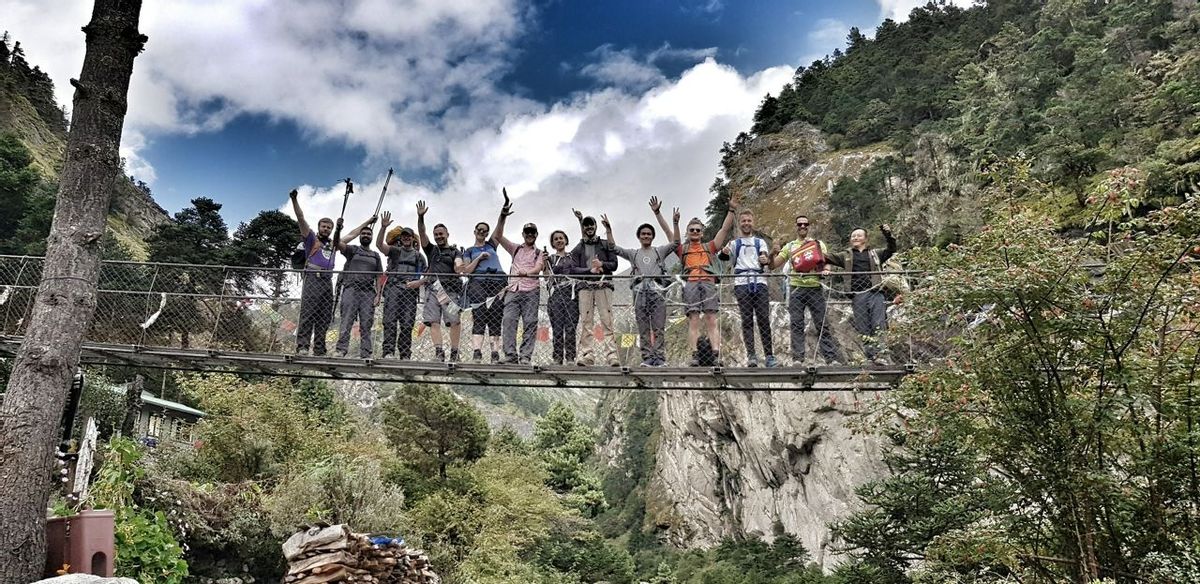
We leave Phakding and move towards Monju crossing a number of suspension bridges and small settlements. Monju is recognized as the gateway to the Sagarmatha National Park. On reaching Sagarmatha National Park, the team leaders will take care of the necessary national park formalities at the park entrance while you enjoy a hot drink and check out the local shops. We then descend and walk across another few suspension bridges. On crossing these bridges the trail then leads uphill towards Namche Bazaar that offers the first view of Mt. Everest along with other peaks. This is a tough 2 hour hike. The night will be spent at a lodge in Namche Bazaar.
Meals included: Breakfast/Lunch/Dinner
(Highlights of the day: small settlements like Zapute, Toktok, Benkar, Chumoa and Monju, Sagarmatha National Park, small tea houses and shops, suspension bridges, steep trail, Namche Bazaar and the very first view of Mt. Everest, Lhotse, Nuptse and Mt. Kusum Khangru.)
Today, the third day of the trek, we get involved in activities that help us adapt to the change in altitude and thinning air.
Remaining active is the best way to acclimatise. Therefore, instead of resting, we visit nearby popular Sherpa village like Khumjung, and Khunde which further aids in acclimatisation. We explore the monasteries and the lifestyle of the people at Namche. Namche bazaar offers a huge variety of options to spend the day. The night will be spent at a lodge in Namche Bazaar.
Meals included: Breakfast/Lunch/Dinner
(Highlights of the day: Thame-an old Sherpa village, settlements like Khumjung/Khunde/Khongde, National Park Head office, Museum, monasteries, cafes, bakeries, shops, restaurants, post office, hospital, government health post, 24 hour electricity and water supply and high speed internet access)
Today is the fourth day of the trek and our destination is Thame.
Leaving the traditional Everest Base Camp route, we take a clockwise flat trail that first descends to Phurte crossing Gongla accompanied by different monasteries and Chorten en route. We then cross the Thesebu river and ascend towards Thamo. We explore the Thamo village and continue to ascend the trail along the Bhote Koshi river until we reach the Thame village. Before reaching Thame, we cross a suspension bridge across the Bhote Koshi river. We spend the remaining day exploring the Thame village. The night will be spent at a lodge in Thame village.
Meals included: Breakfast/Lunch/Dinner
(Highlights of the day: Sherpa villages: Thamo and Thame and the lifestyle of people living in these villages, Thame Gompa, and other small monasteries and Chortens en route, a pleasant company of the Bhote Koshi River as well as a small hydro power plant at Thame.)
Today is the fifth day of the trek and our destination is Lumde.
From Thame, following the south bank of the Bhote Koshi River, we ascend towards Marulung crossing several suspension bridges and passing various small settlements, monasteries and Mane en route. On crossing a bridge before Marulung, we follow the north bank of the Bhote Koshi river and walk uphill to Lumde through the dry valley. On reaching Lumde, we rest for some time at the lodge and again hike above the lodge for the purpose of acclimatisation. The night will be spent at a lodge in Lumde.
Meals included: Breakfast/Lunch/Dinner
(Highlights of the day: Spectacular view of snow capped peaks of the Khumbu region, humming Bhote Koshi river, monasteries and Mane, experience of dry land)
Today is the sixth day of the trek and our destination is Gokyo.
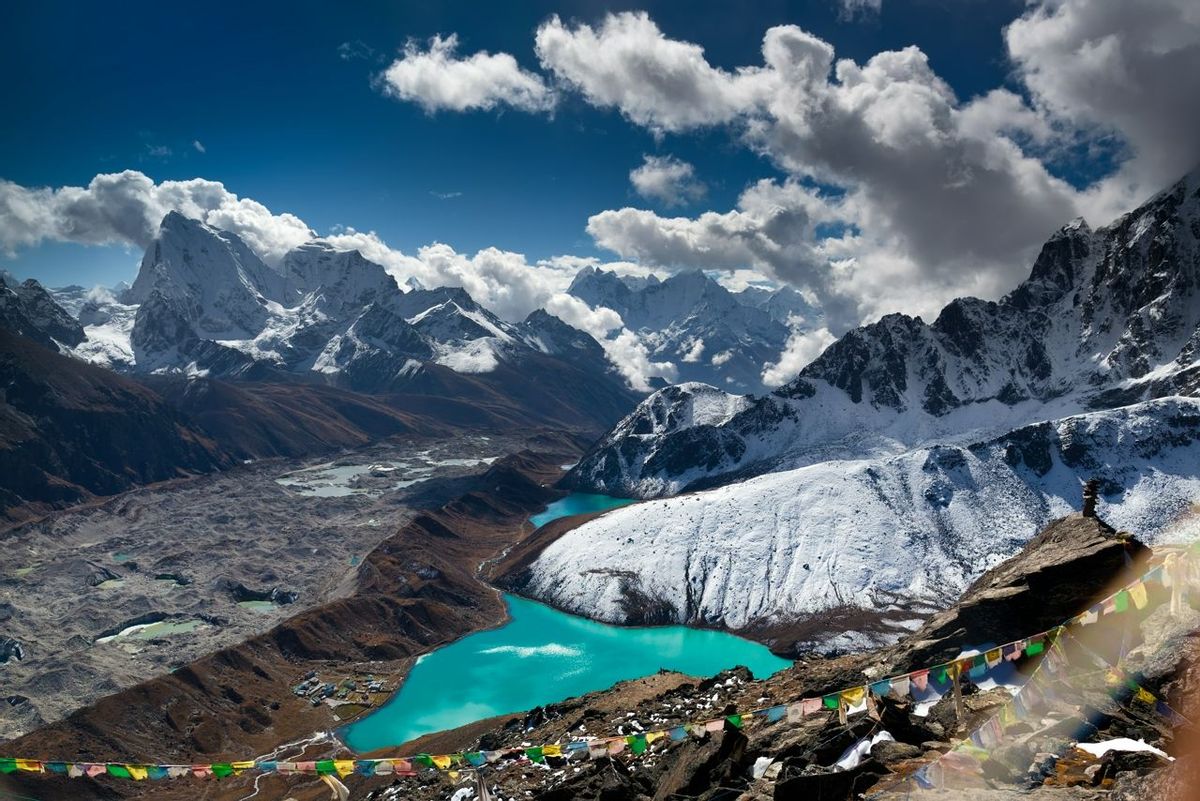
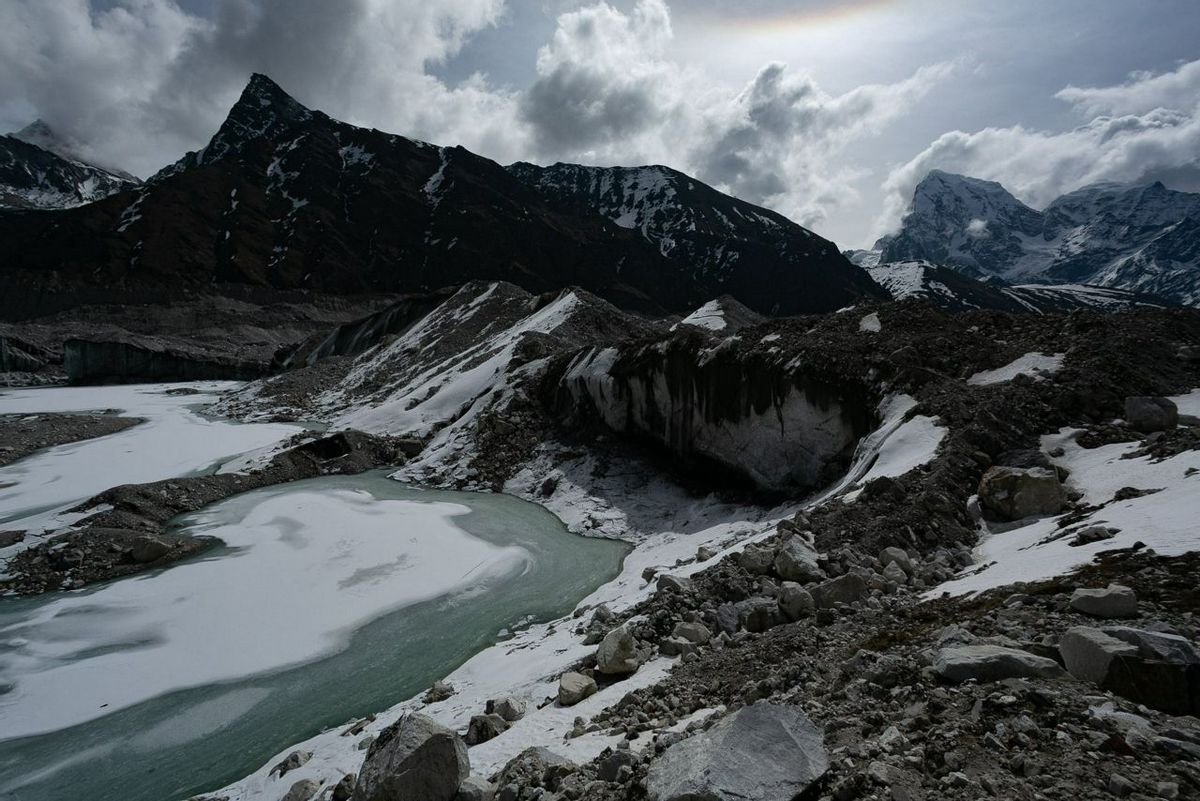
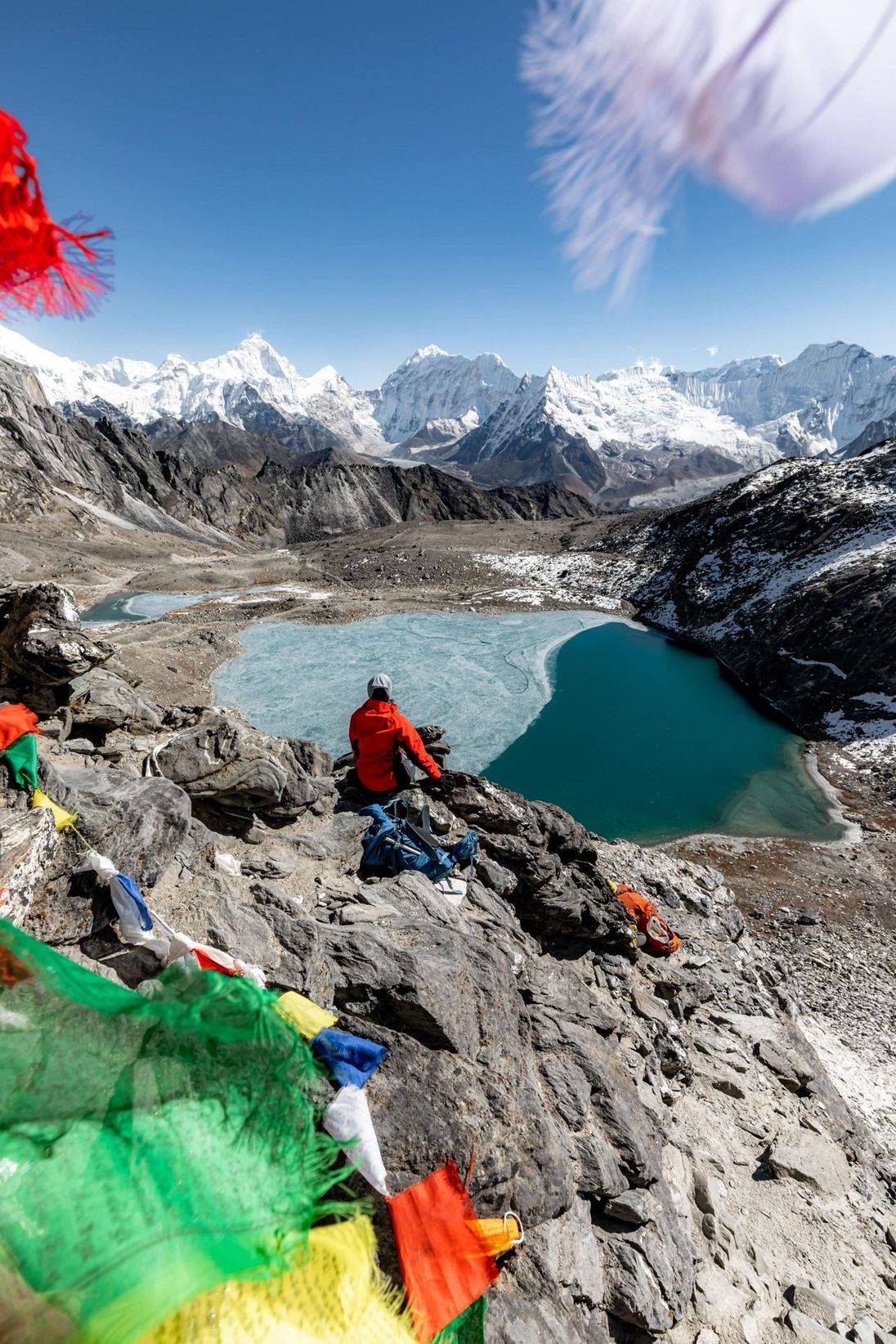
Today, the trail takes us to the first actual high point of the trek – Renjo La (5,360m). Today’s walk is quite difficult as the path is quite slippery with mixed terrain. After ascending for about one and a half hours the walk becomes comparatively easy until we reach the base of Renjo La. Now, a tough climb from here will take us to the first pass out of the three high passes route. From the top of Renjo La the views are spectacular so we spend a little time taking in the views. We then walk down to the Third Lake (Gokyo Tsho). On reaching Gokyo we rest for some time at the lodge and then again, we walk up to the ridge to enjoy the amazing views of the largest glacier of the Himalayas, the Ngozumba glacier. The night will be spent at a lodge in Gokyo.
Meals included: Breakfast/Lunch/Dinner
(Highlights of the day: Dramatic view of the Everest Himalayan range, Makalu, Teng Ragi Tau, Rolwaling Range, Gyachung Kang, and Gokyo Lakes from Renjo La Pass, magnificent view of Ngozumba glacier accompanied by small glacial lakes, vertical uphill and downhill walk on a slippery trail.)
Today is the seventh day of the trek and our destination is Dragnag.
Leaving the Third Lake behind, we start the walk super early as we need to walk across the Ngozumba glacier. We cross the glacier before the sun gets stronger as during the sunny days the ice melts, making the trail more slippery and difficult to walk. After crossing the glacier, following the east bank of the glacier we slightly descend to Dragnag. We rest for some time and again hike up to small nearby hills for the purpose of acclimatisation. The night will be spent at a lodge in Dragnag.
Meals included: Breakfast/Lunch/Dinner
(Highlights of the day: Slippery trail across Ngozumba glacier, view of small lakes formed by the glacier and hike to small hills in Dragnag.)
Today is the eighth day of the trek and our destination is Dzhongla.
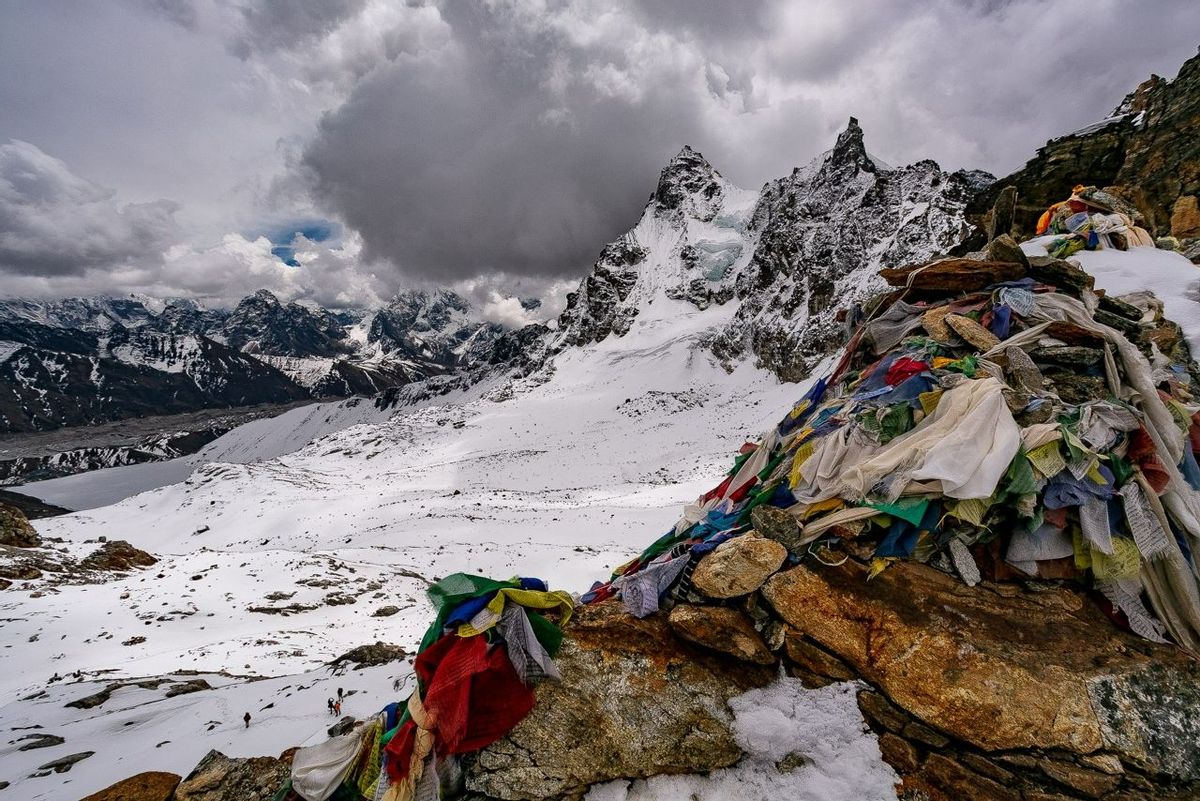
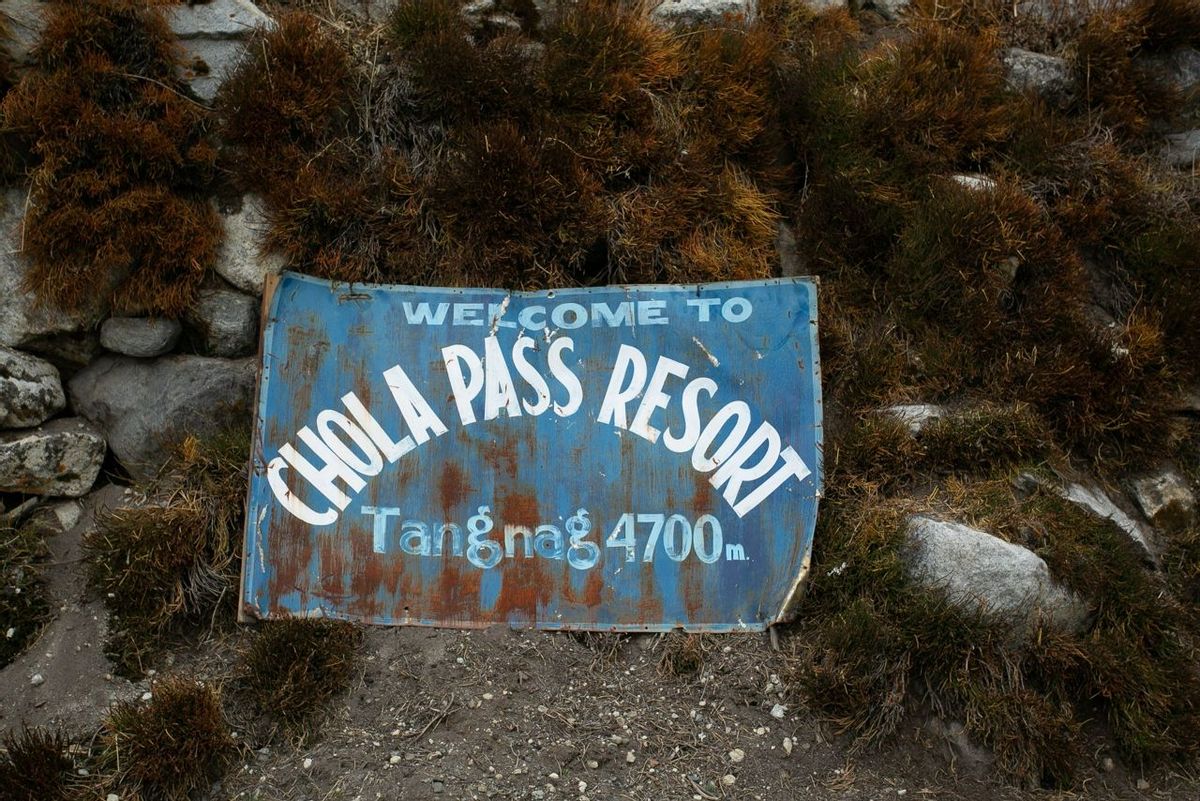
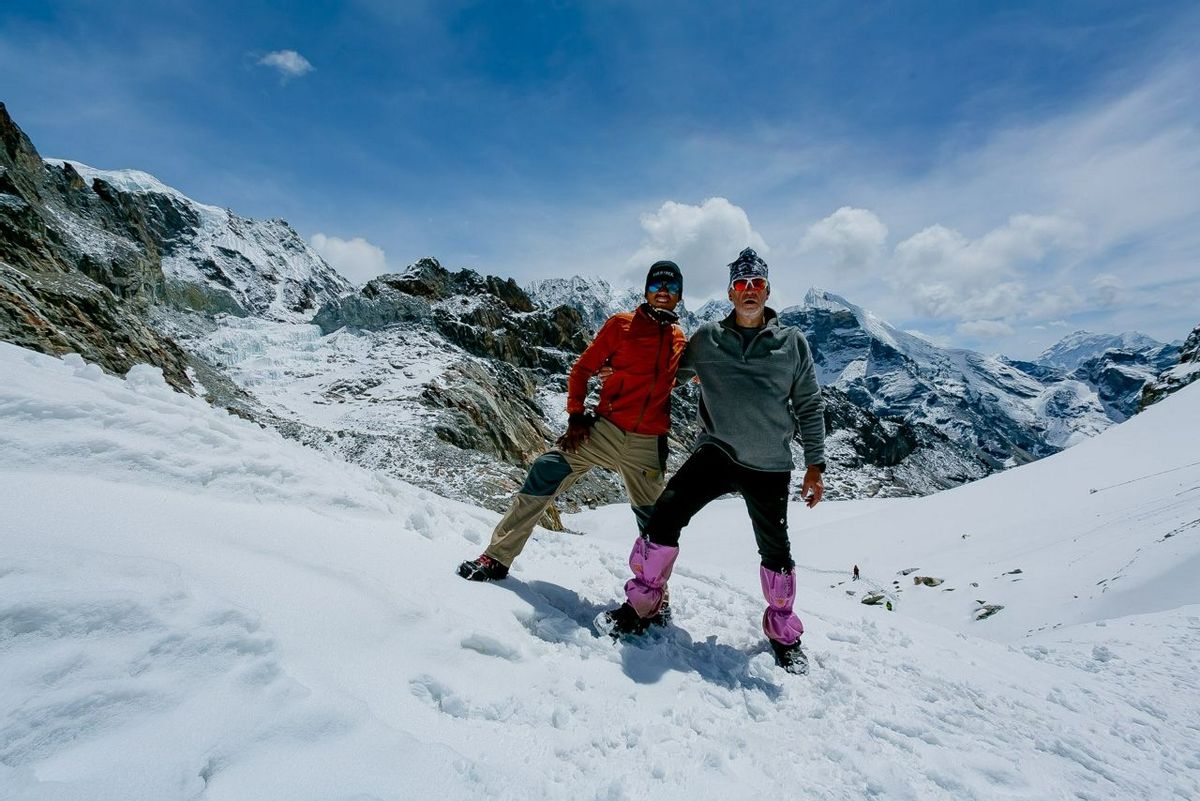
The trail takes us to the second destination of the trek, Cho La Pass (5,420m). Initially, we walk a vertical uphill trail along a small stream crossing Cho La Phedi. Then the trail drops down to the bottom of the Chola pass. The trail here is icy, slippery and difficult to cross. From the base, a steep rocky trail will take us to the top of Chola Pass. The top greets you with flapping prayer flags and a wonderful view of Gokyo Valley. After spending some time here, a steep descent following the icy and rocky trail (sometimes we recommend using crampons) leads us to Dzongla.
Meals included: Breakfast/Lunch/Dinner
(Highlights of the day:Walk across Ngozumba glacier, magnificent view of AmaDablam & Cholatse and the Gokyo Valley from Cho La pass, flapping prayer flags on top of Chola pass, icy, slippery and rocky trail and a grand view of Cholatse North Face from Dzongla.)
Today is the ninth day of the trek and our destination is Lobuche.
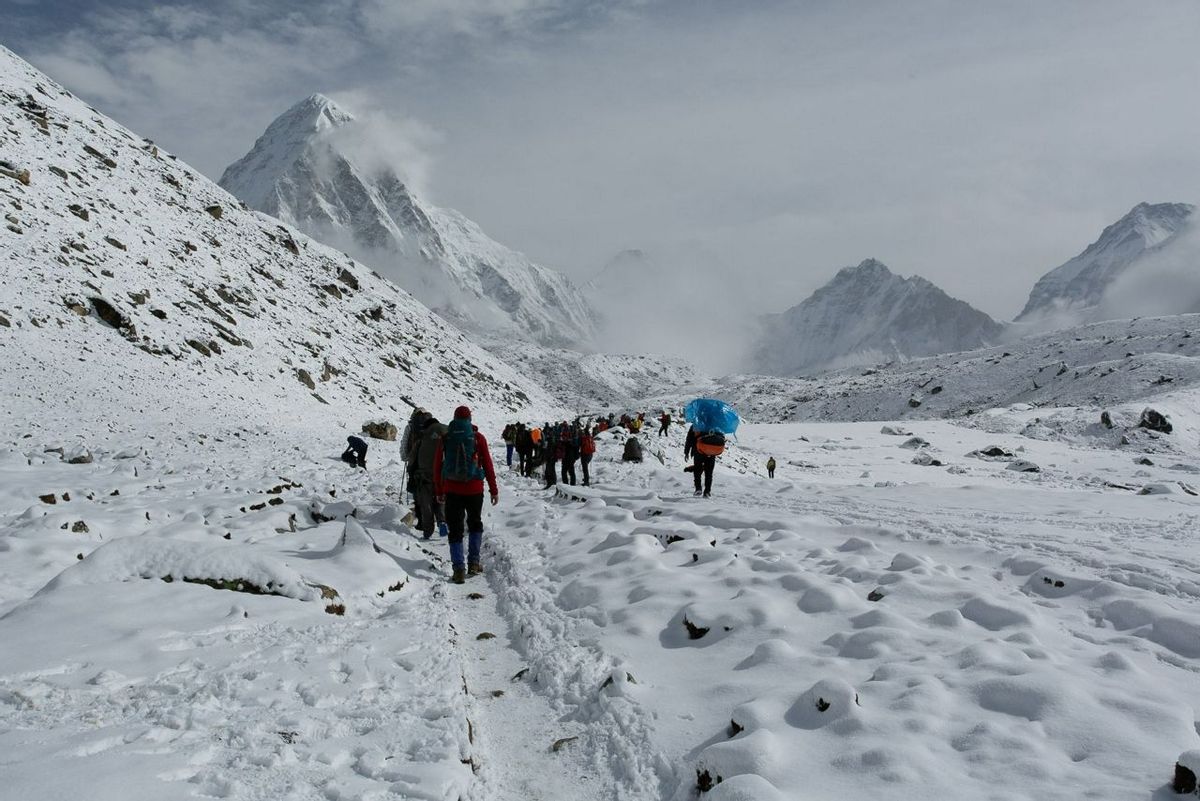
We start with an easy downhill walk till the point the trail meets the traditional Everest base camp trail. From this point we continue to ascend towards Lobuche crossing Thokla pass and spending time at the famous and moving memorial hill. We the follow a east down hill passing Lobuche Peak base camp and follow the icy rocky trail to Lobuche.
Meals included: Breakfast/Lunch/Dinner
(Highlights of the day: Highest, small but temporary settlement in Dughla, Tombstones of trekkers who lost their lives in the glacier, glaciers like Khumbu, Lobuche, Changrir Nup and Changri Shar, Lobuche & Thokla pass and the view of Mt. Everest, Mt. Nuptse, Mt. Pumori along with other snow capped peaks.)
Today is the tenth day of the trek and our destination is Everest Base Camp.
Leaving Lobuche we hike along the flat aside the great Khumbu glacier before a steep climb and more rocky trails takes us to Gorak Shep. After a good lunch we will leave for Everest Base Camp and trek along the Khumbu glacier until finally the sight of colourful Buddhist prayer flags greet us at the base camp of Mount Everest. We spend some time exploring the area and then walk back down to the lodge at Gorakshep. The remaining day will be spent either exploring the area or simply resting at the lodge. The night will be spent at a lodge in Gorakshep.
Meals included: Breakfast/Lunch/Dinner
(Highlight of the day: North ridge of Everest along with 360 degree vista of snowy mountains like Mt. Pumori, Mt. Mahalangur, Mt. Lingtern, Mt. Khumbutse, Mt. Nuptse, glimpse of Kala Patthar, rocky and glacial trail and the Everest Base Camp.)
Today is the eleventh day of the trek and our destination is Lobuche.
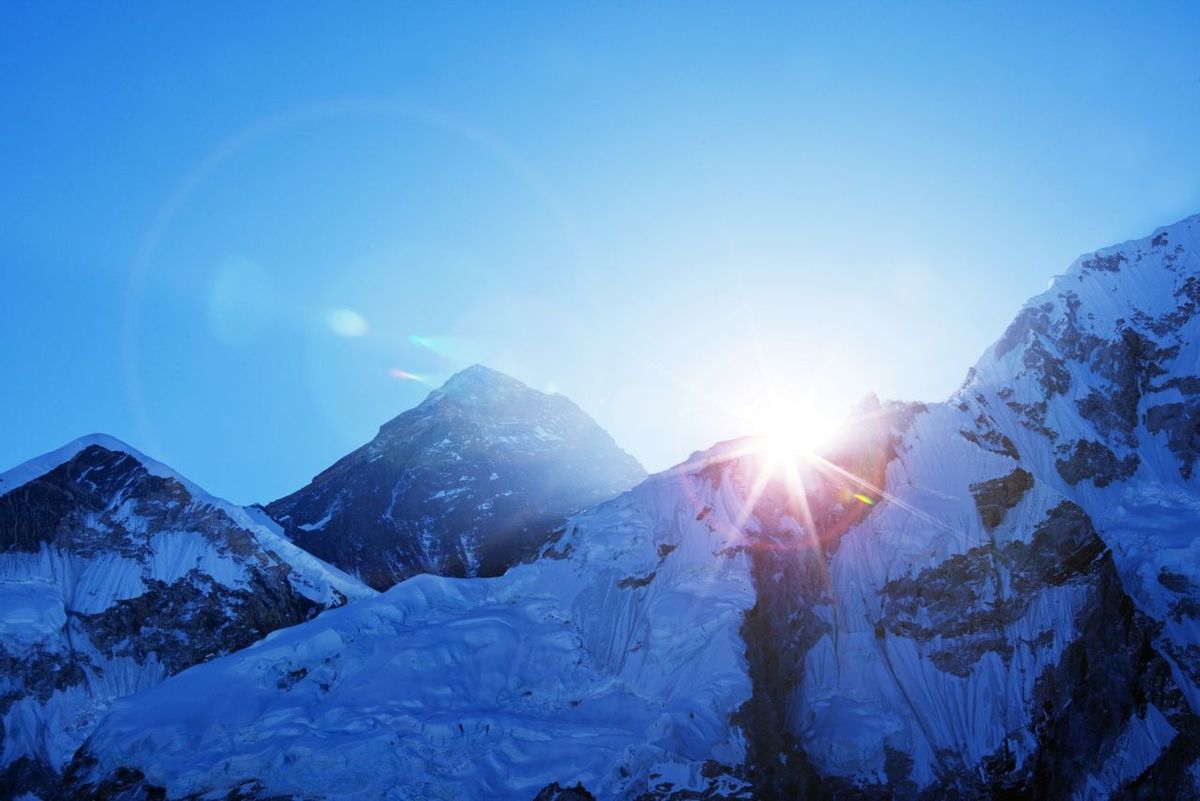
Before heading to Lobuche we walk up to Kala Pathhar which is the best vantage point in the entire Khumbu region. Today we start early, in fact, before breakfast to see the early morning sun rays striking the mountains. Initially we hike for about two hours, which will take us to Kala Patthar. We observe the first rays of sunshine striking the highest mountain on the planet. Then we hike down to Gorakshep, have breakfast and then walk towards Lobuche retracing the same trail used earlier. The night will be spent at a lodge in Lobuche.
Meals included: Breakfast/Lunch/Dinner
(Highlights of the day: Sunrise view and the mind blogging view of majestic Mt. Everest, Nuptse, Pumori, Amadablam, Thamserku, Mera Peak and other peaks of the Everest region from Kala Patthar, and a second chance to experience the view of glaciers like Changri Shar, Changri Nup and Khumbu.)
Today is the twelfth day of the trek and our destination is Chhkhung.
From Lobuche, on crossing the icy trail over Khumbu Glacier, we head towards the final destination of the trek and the highest pass (Kongma La – 5,535m) out of the three high passes. It’s a tough climb to the top of the Kongma La pass as the trail is icy and slippery. Also, the area lacks water resources and tea houses. Therefore, we suggest you carry enough water to drink for the entire day. After enjoying the views, we take a steep downward trail which leads us to Lhangbo which is a junction of the Everest 3 Peaks 3 passes trail and the Island Peak trek trail. Leaving the main trail, we follow the Island Peak trek trail. On crossing Nuptse glacier, a short ascent will finally take us to Chhukhung. The night will be spent at a lodge in Chhukhung.
Meals included: Breakfast/Lunch/Dinner
(Highlights of the day: Aloofness of the area at Kongma La, magnificent views of Island peak and rough ridge of Amphu Lapcha, glaciers like Nuptse, Lhotse Nup, Lhotse and Ama Dablam.)
Today is the thirteenth day of the trek and our destination is Tengboche.
Leaving Island Peak trekking trail behind, we walk down to Chubejung Kharka, where the trail again meets the regular 3 passes trekking trail. Following the trail along the Imja Khola, we further descend to Orsho after crossing a suspension bridge. Then, we walk on a flat trail for some time, cross two more suspension bridges and walk down to Milingo. A fair ascend from here will finally take us to Tengboche crossing Deboche. The remaining day will be spent exploring Tengboche. The night will be spent at a lodge in Tengboche.
Meals included: Breakfast/Lunch/Dinner
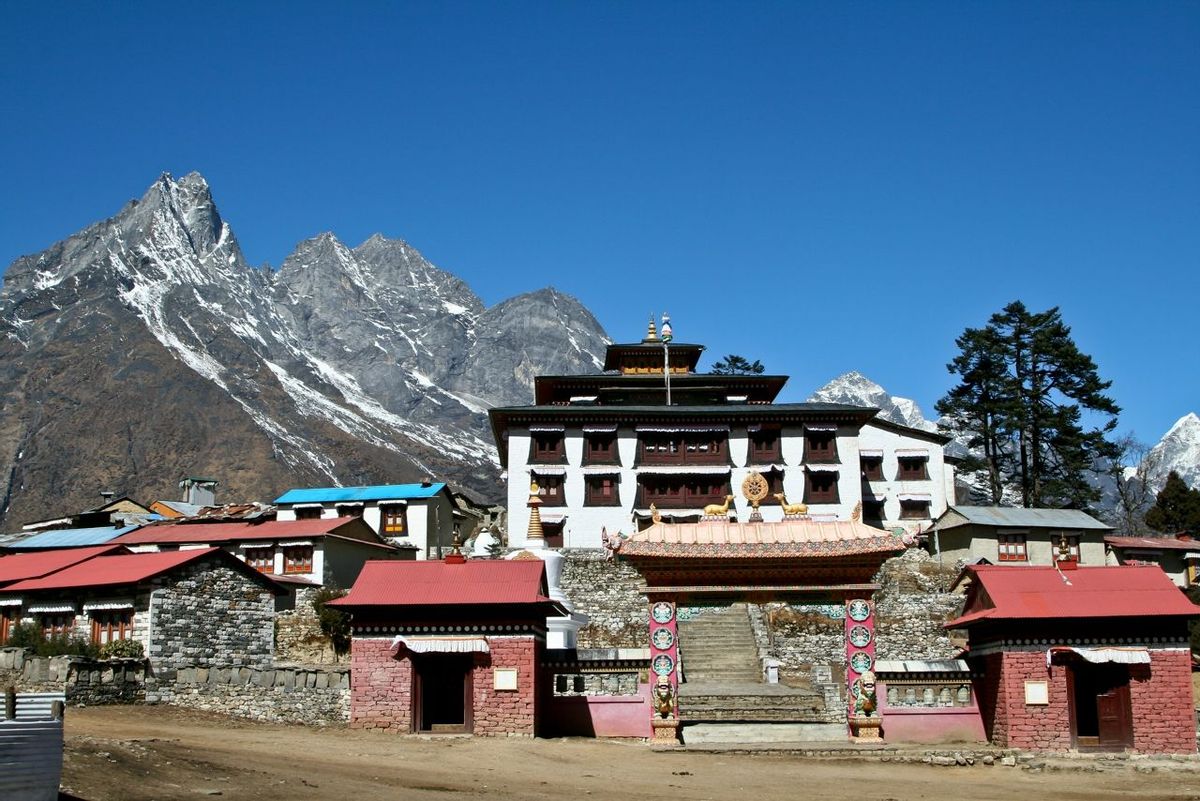
(Highlights of the day: Vertical descent and flat trail experience, humming Imja Khola River, major villages like Dingoboche, Pangboche, Deboche and Tengboche, trail accompanied by a number of monasteries and Chortens, Tengboche Monastery – the largest monastery in Khumbu region along with the view of majestic peaks: Everest, Nuptse, Lhotse, Ama Dablam, Thamserku and Tawache. Also, culture, lifestyle and settlement of Sherpas in the Khumbu region.)
Today is the fourteenth day of the trek and our destination is Namche Bazaar.
A steep descent from Tengboche through the rhododendron forest will first lead us to the bottom of the hill, where we cross a suspension bridge to reach Phunke Tenga. From here, a steep climb through pine and Juniper forest will take us to Khumjung. We explore the village of Khumjung and then continue to walk down to Namche Bazaar, which completes the circuit in the Khumbu region of Nepal. The evening can be spent either exploring Namche Bazaar or simply resting at the lodge. The night will be spent at a lodge in Namche Bazaar.
Meals included: Breakfast/Lunch/Dinner
(Highlights of the day: Experience of rhododendron, pine and juniper forest, vertical up and downhill walk, experience of water driven prayer wheels, stone-steps, the longest Mani walls, Tenzing Norgye Memorial Stupa, the pleasant view of Ama Dablam, Lhotse Shar Taboche, Kangtega & Thamserku and the modern facilities at Namche Bazaar.)
Today is the last day of the trek and our destination is Lukla.
Starting Namche, a 6-7 hour trek will finally take us to Lukla. The trail continues downhill towards the bridge over the Dudh Koshi River, where the Bhote Koshi River meets the Dudh Koshi River at Larja Dobhan. A slight descent from here will then take us to Monjo (entry and exit point of the Sagarmatha National Park). After the national park exit formalities, we walk down to cross a suspension bridge across Kyashar Khola, and following the east bank of the Bhote Koshi River we further walk towards another bridge over the Bhote Koshi River. Now, following the west bank of the Bhote Koshi River, we walk down to Phakding. From Phakding, the trail descends till Thado Koshi Gaon, and a gradual ascent from here will finally take us to Lukla. The night will be spent at a lodge in Lukla where we let our hair down and have a celebration on a job well done.
Meals included: Breakfast/Lunch/Dinner
(Highlights of the day: Last view of Mt. Everest from Namche Bazaar, Kongde RI from Phakding and Kusum Khangkaru from Thado Koshigaon, beautiful rhododendron and Magnolia forest, trail accompanied by various prayer rocks –Mani wall and monasteries including 500 years old monastery – Pemacholing Monastery, small Sherpa settlements like Zapute, Toktok, Benkar, Chumoa and Monju, and finally the colorful village of Lukla.)
Today is your last day in the Khumbu region of Nepal.
Our porters will carry your luggage to the airport where we have our final farewell. Once the plane lands at the airport, we will directly board the plane and fly back to Kathmandu early in the morning, enjoying the scenic view once again from the sky. A comfortable private vehicle will be awaiting our arrival in Kathmandu Airport, which will safely escort you to the hotel. In the evening, we meet for some time to discuss your trek and get feedback. The night will be spent at a tourist standard hotel in Kathmandu.
*Important to note*
As with your first flight to Lukla, this journey may also be via Ramechhap Airport rather than Kathmandu. Once your short flight lands at Ramechhap, the journey then to Kathmandu will be the long and bumpy drive back to Hotel Aloft, stopping for breaks along the way. This drive, dependent on traffic, will likely be between 5-7 hours.
You can read more information about flying to and from Lukla via Ramechhap, here.
Meals included: Breakfast
(Highlights of the day: Wonderful aerial view of the terrain from the plane, hotel in Kathmandu)
Today is the last day of your trip in Nepal with EverTrek.
If your flight is scheduled early morning, then one of our company representatives will escort you to the airport as per your flight departure time. But, if the flight is scheduled later in the evening, you can go shopping and collect a few mementos or simply hang around shopping areas in Kathmandu.
Want to extend your adventure?
Once your trek is finished, why not relax and explore a rarely visited part of Nepal on our 3 Night tour of Chitwan national park.
Read more about this incredible extension - View the full itinerary here!
Departure Dates & Prices
Saturday 24th October 2026 –
Wednesday 11th November 2026
£2,250pp
 Available
Friday 06th November 2026 –
Tuesday 24th November 2026
£2,250pp
Available
Saturday 10th April 2027 –
Wednesday 28th April 2027
£2,300pp
OR £700 / 3 months
Available
Saturday 01st May 2027 –
Wednesday 19th May 2027
£2,300pp
OR £525 / 4 months
Available
Saturday 09th October 2027 –
Wednesday 27th October 2027
£2,300pp
OR £234 / 9 months
Available
Saturday 06th November 2027 –
Wednesday 24th November 2027
£2,300pp
OR £210 / 10 months
Available
Saturday 15th April 2028 –
Wednesday 03rd May 2028
£2,350pp
OR £144 / 15 months
Available
Saturday 06th May 2028 –
Wednesday 24th May 2028
£2,350pp
OR £135 / 16 months
Available
Saturday 07th October 2028 –
Wednesday 25th October 2028
£2,350pp
OR £120 / 18 months
Available
Saturday 04th November 2028 –
Wednesday 22nd November 2028
£2,350pp
OR £120 / 18 months
Available


Can't see your preferred date?
Simply click the button below and we will see what we can do.
Enquire nowFood & Accommodation on Your Everest Three Passes Trek
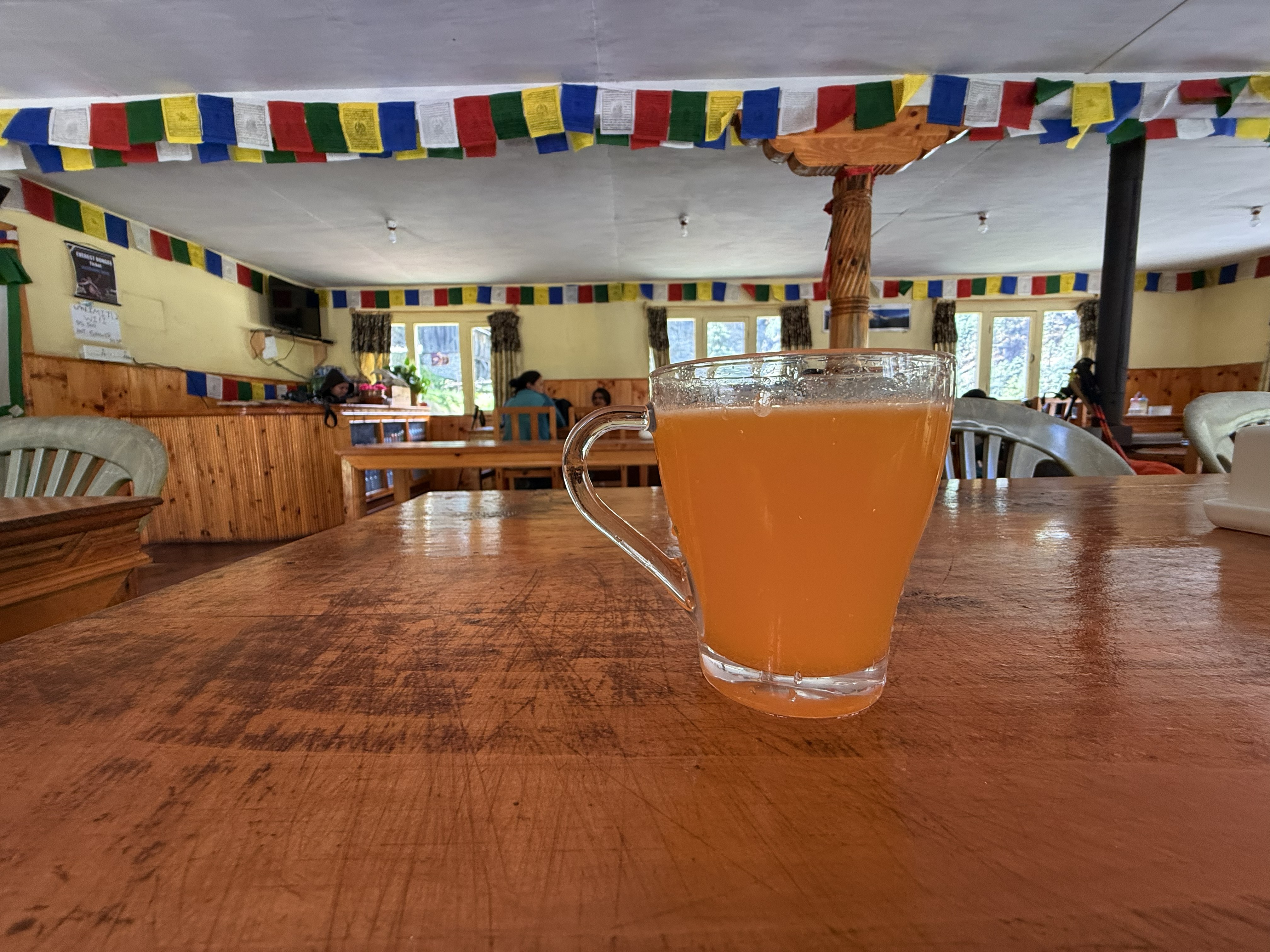
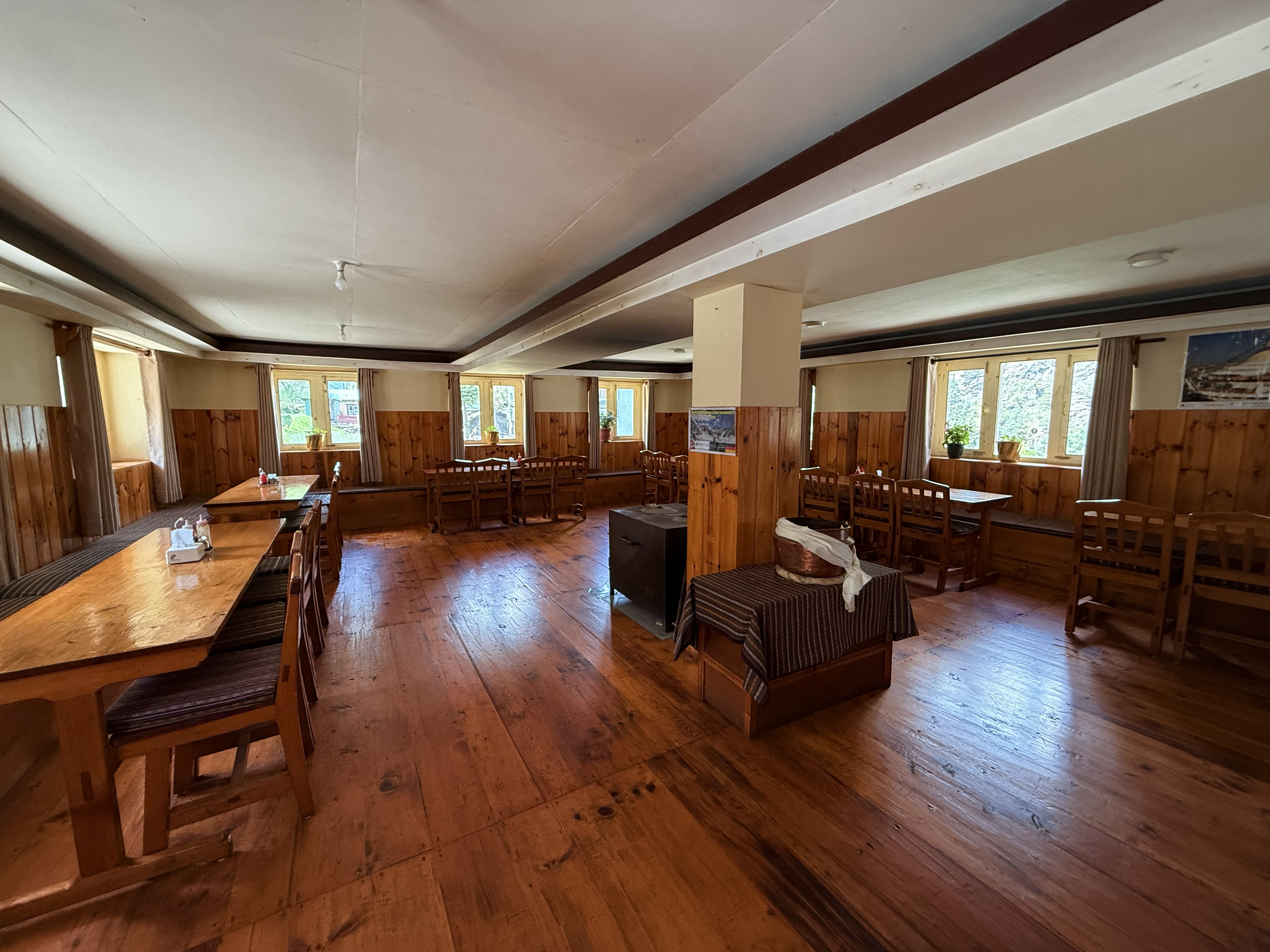
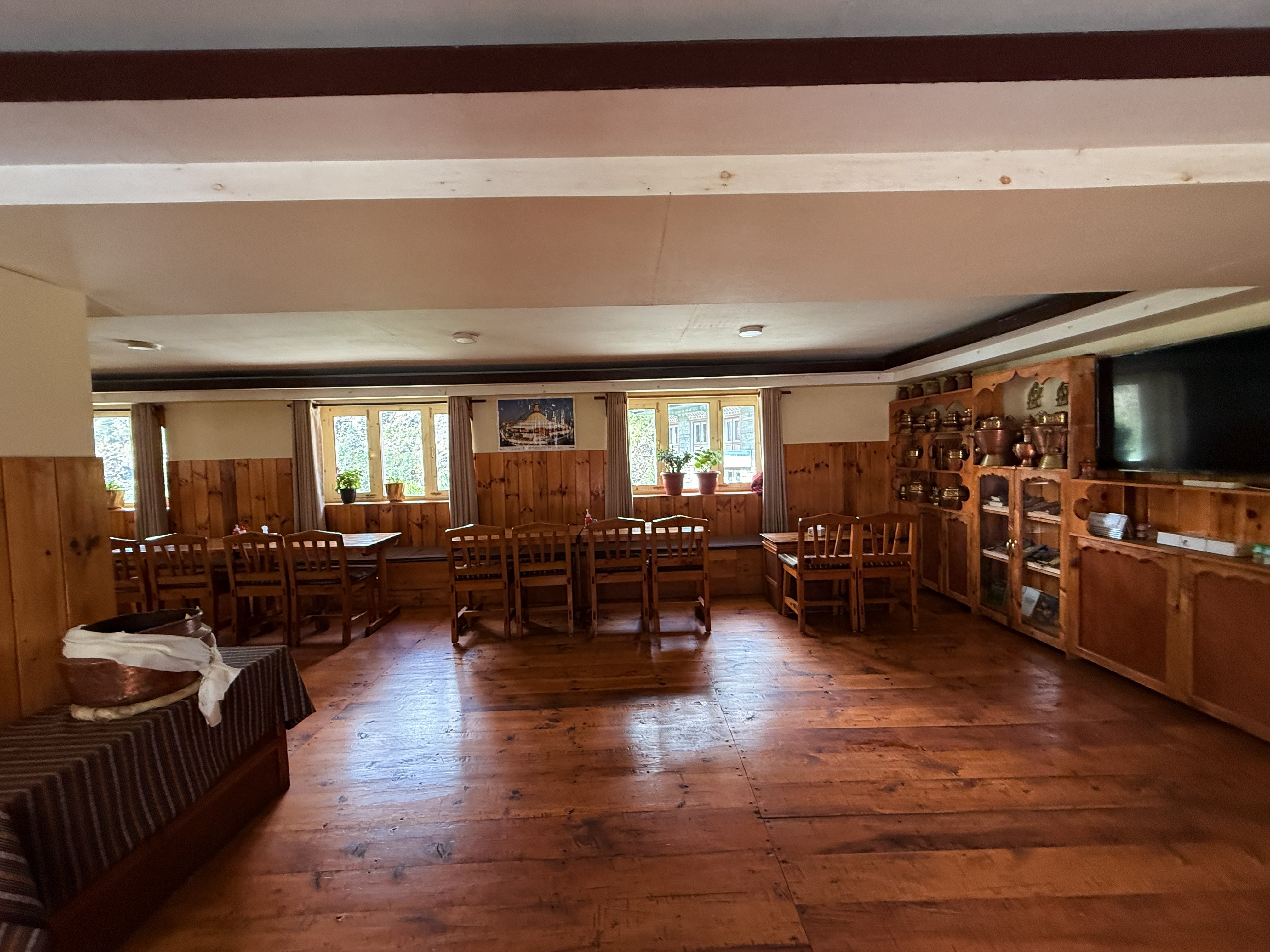
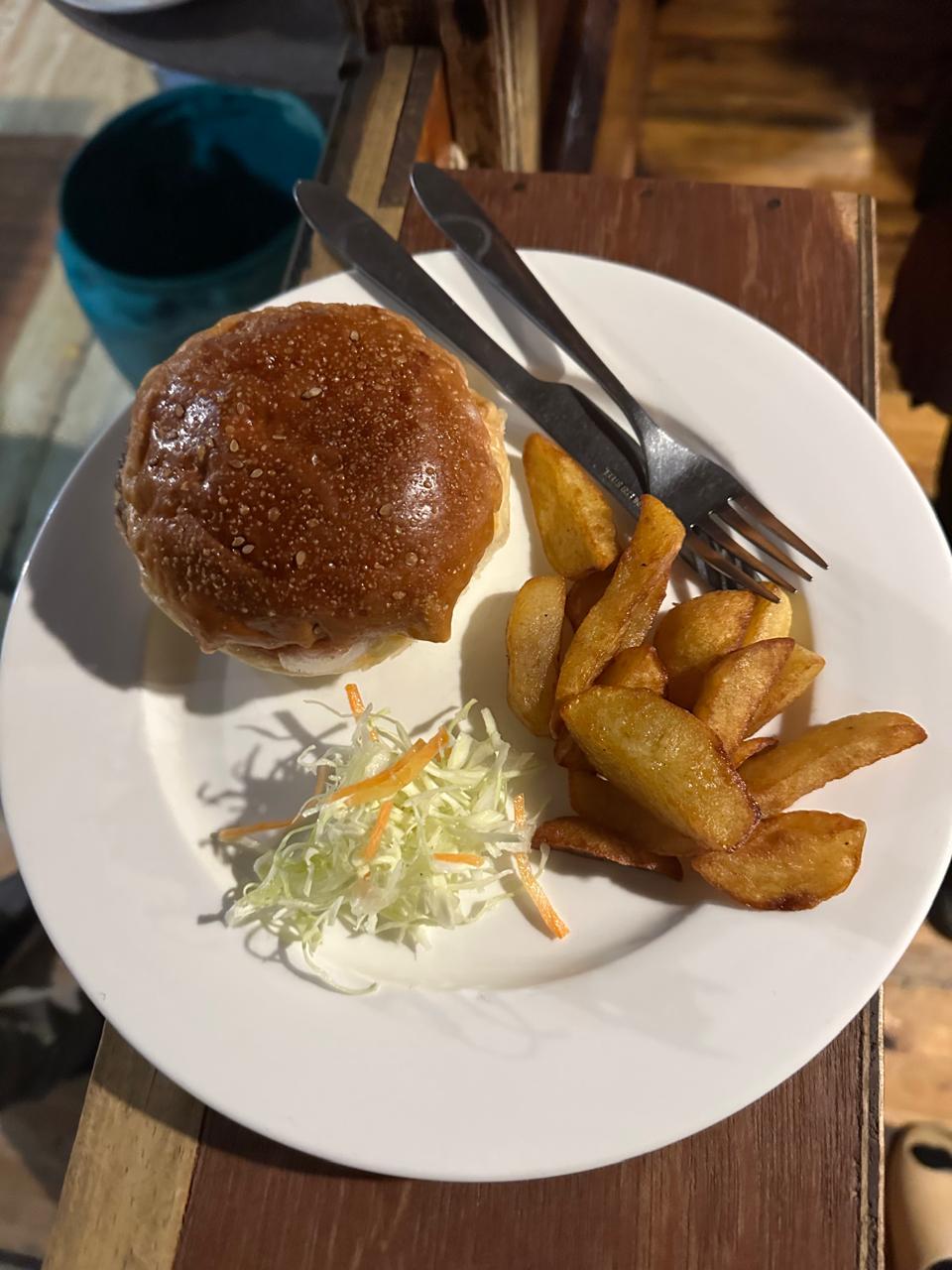
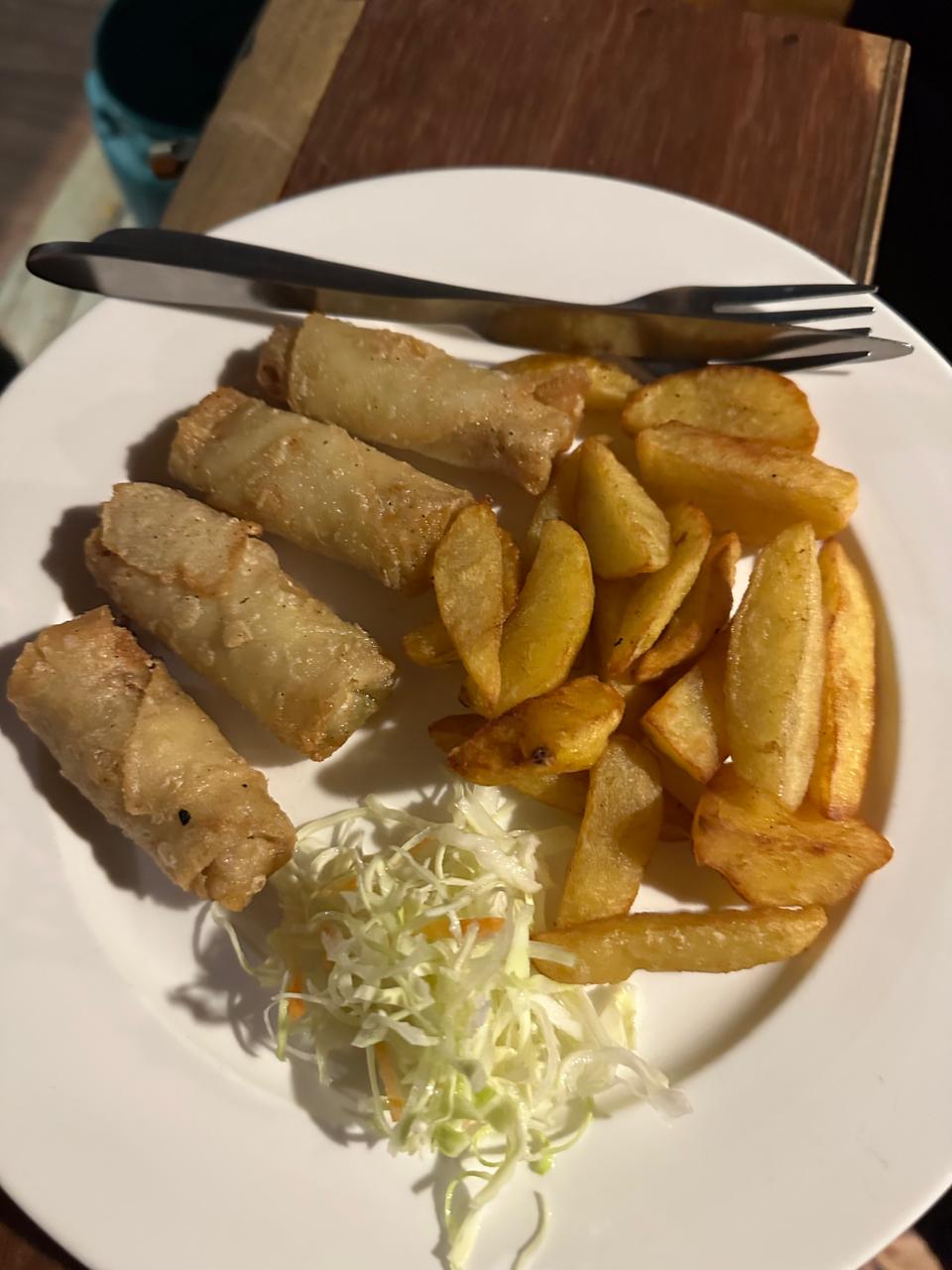
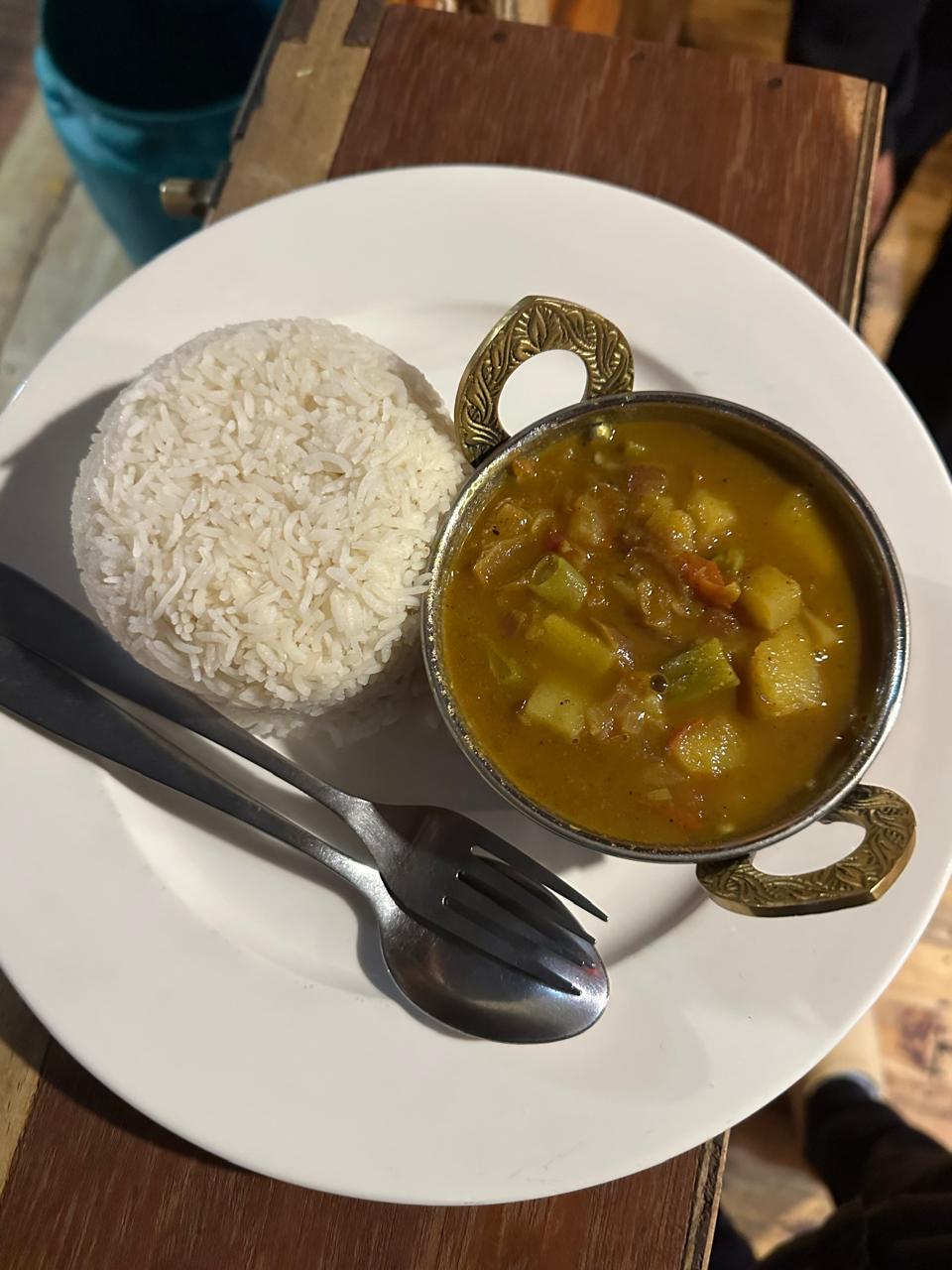
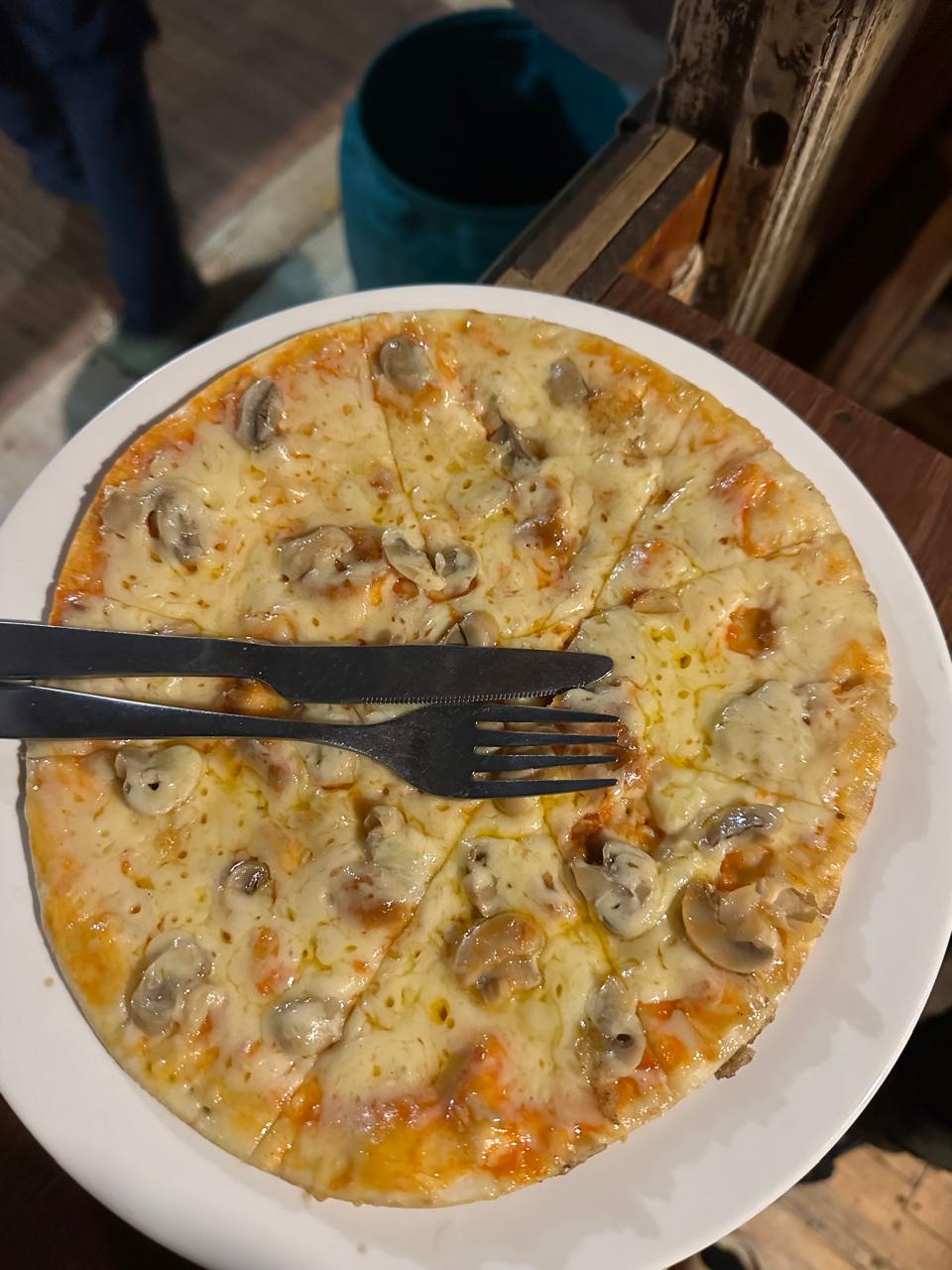
Your Everest Three Passes trek accommodation and food are very much a back-to-basics affair. But that’s all part of the adventure! You'll find food along the trails that cater to both local and Western tastes. There will be options of hearty local cuisine alongside some of the comfort food you know and love. The accommodation on the Everest Three Passes trek route is basic, but it's all part of the experience. You'll be pleased to know that both before and after your trek, you'll unwind in 5-star accommodation - giving you the perfect chance to relax and recharge in luxury.
Your Accommodation Overview
- 5* hotel before & after
- Twin-share rooms
- 3 meals daily on trek
- Treated water (not available in certain areas)
Hotels, Tea Houses, and Lodges on the Three Passes Route
The simplicity of your Everest Three Passes accommodation is part of the charm of trekking in such a remote and stunning region. Along the route, expect safe, cosy lodges and tea houses that offer warmth and shelter rather than luxury. That said, before and after your Three Passes Trek, you’ll be staying in a 5* hotel, so you can unwind and recharge in style!
| Nights | Location | Type | Room Type |
|---|---|---|---|
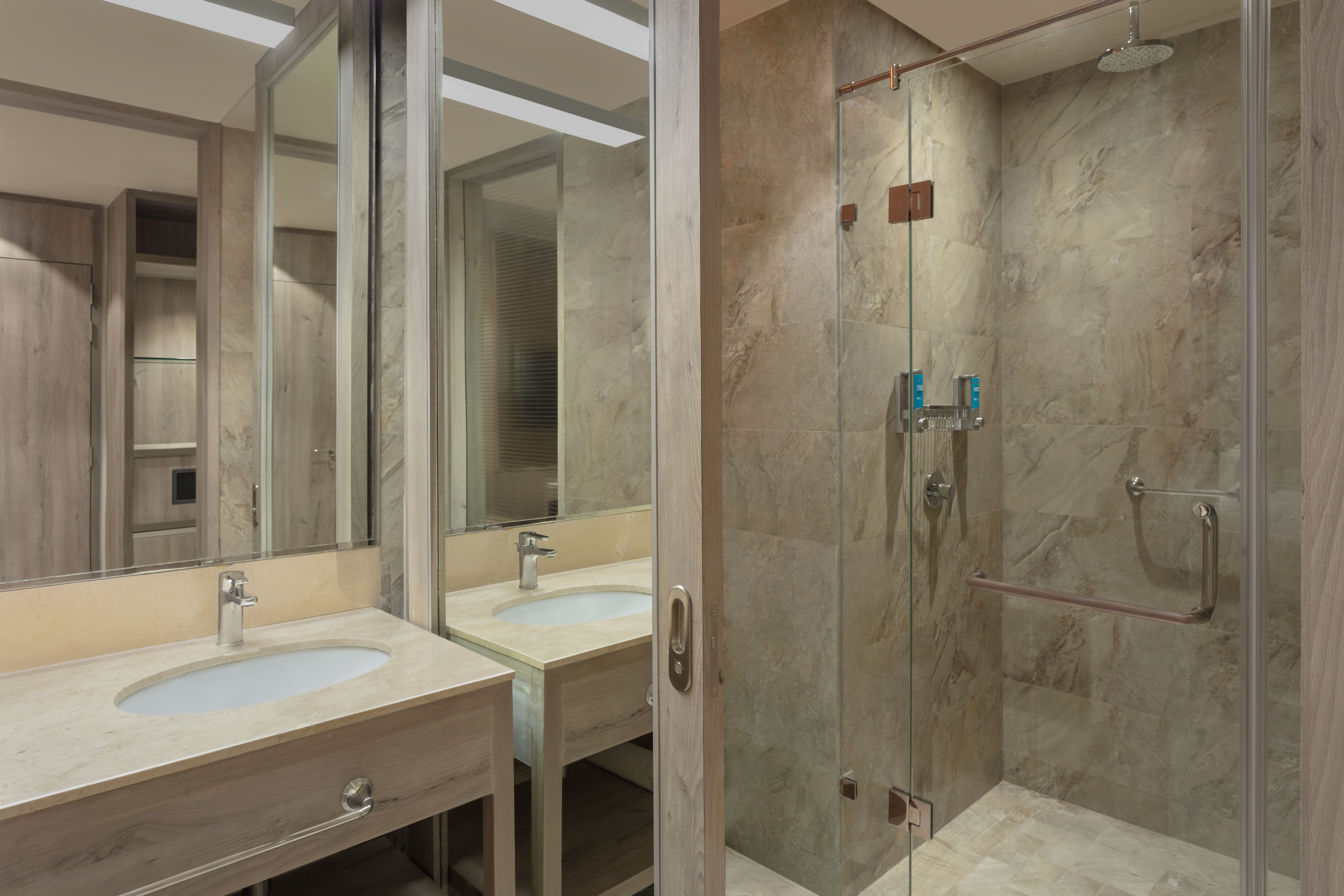
| 1-2 | Kathmandu | 5* Hotel Aloft | Twin-share, En-Suite |
| 3-17 | Trekking Region | Teahouse/lodge | Twin-share, Shared Toilets |
| 18 | Kathmandu | 5* Hotel Aloft | Twin-share, En-Suite |
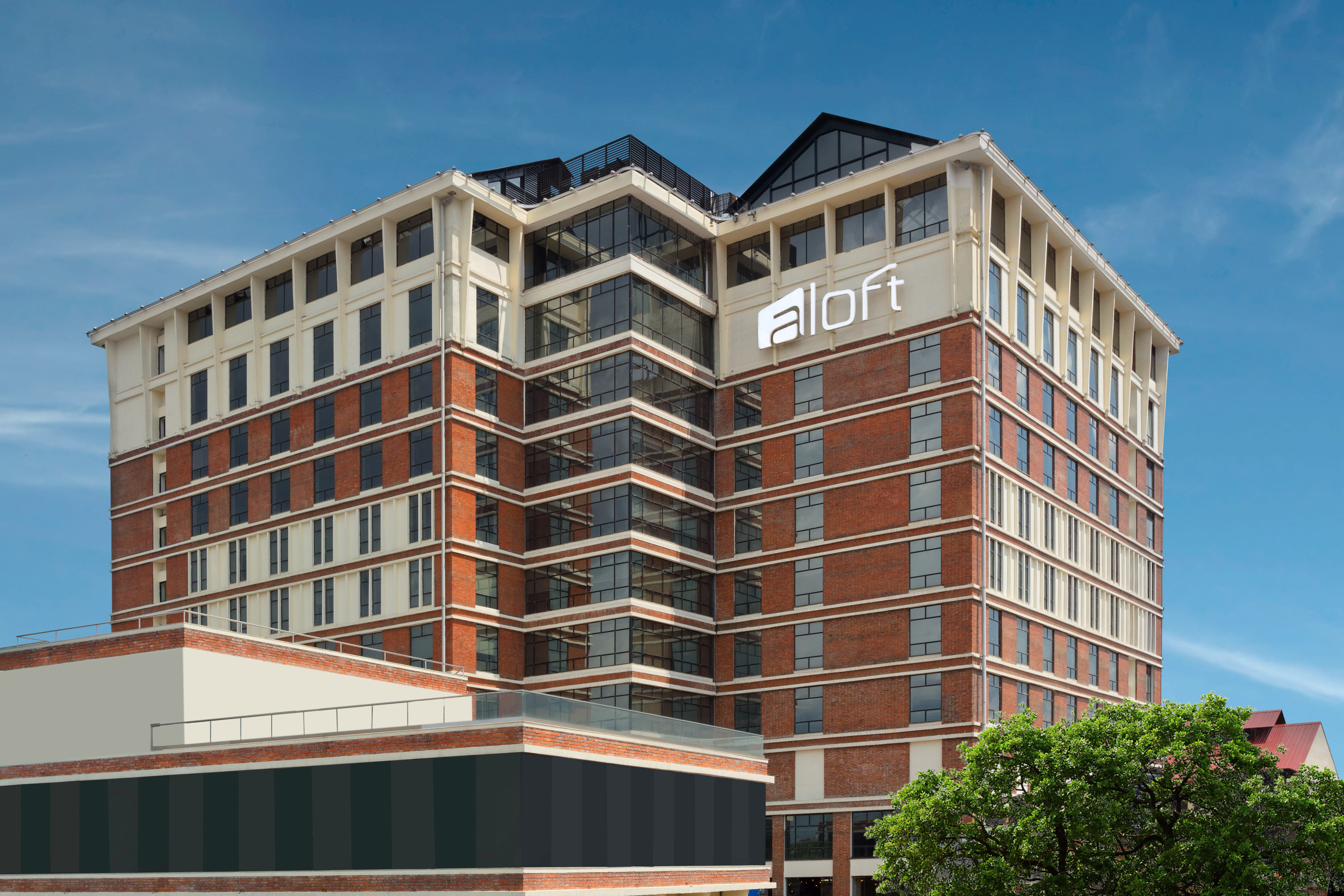
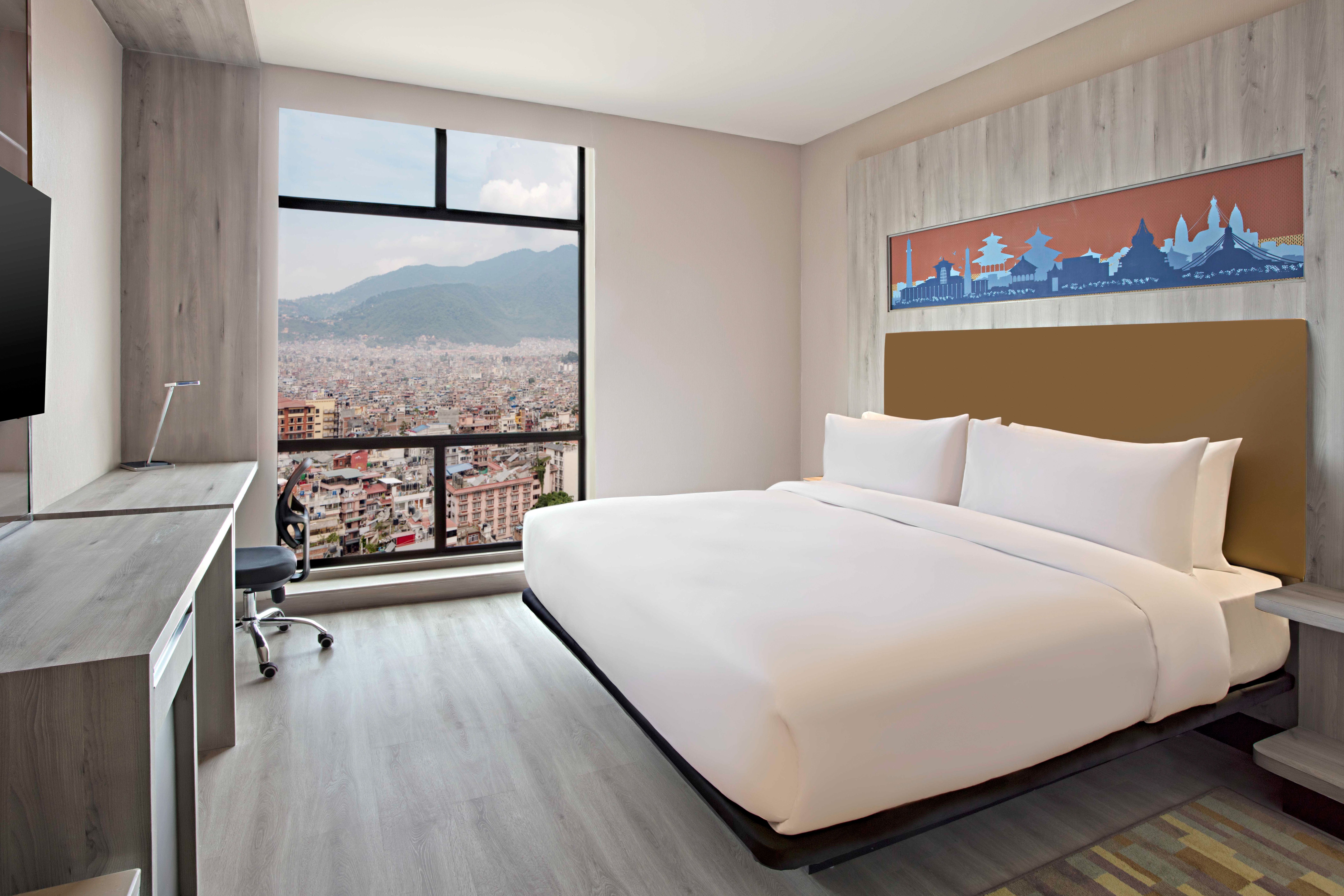
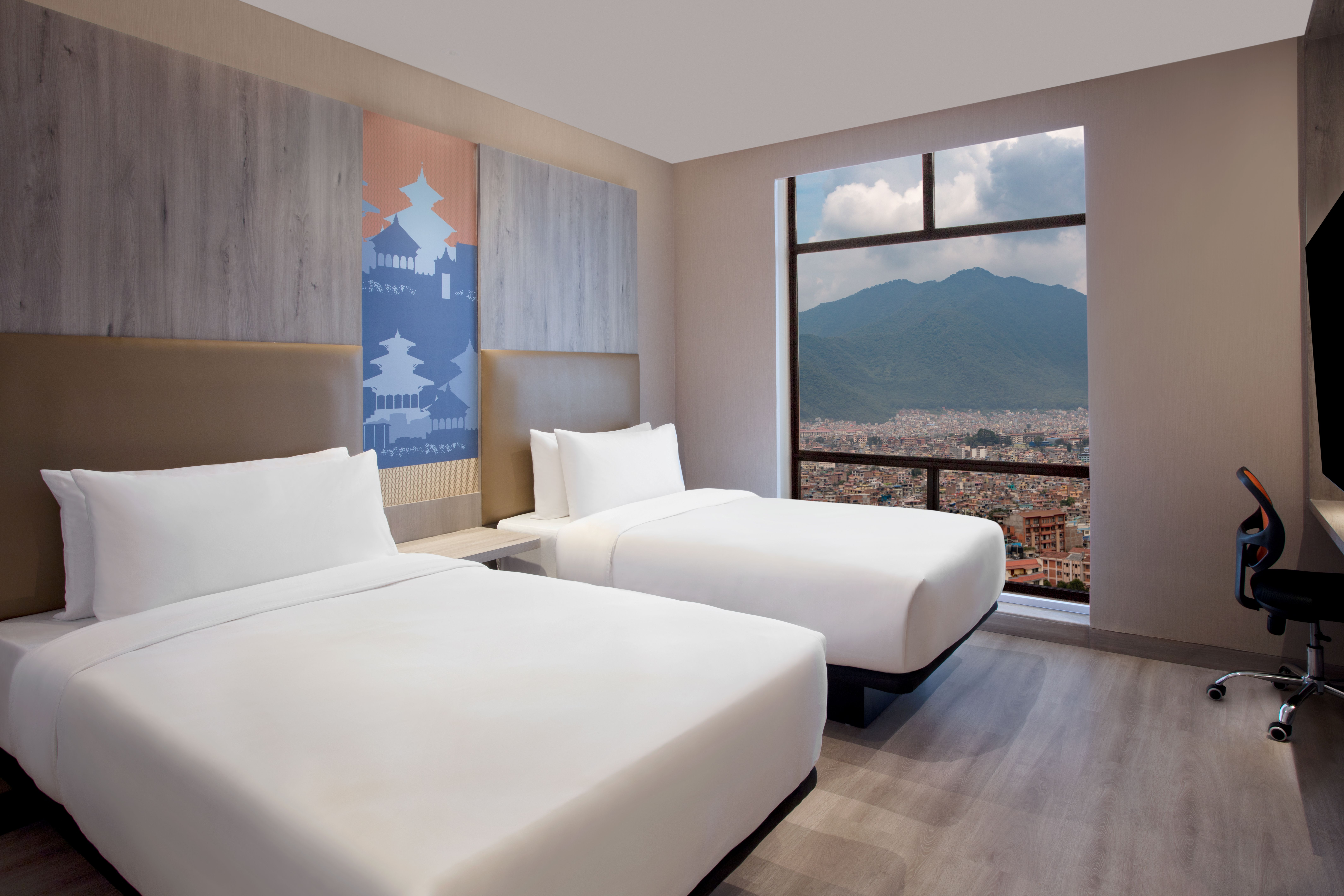
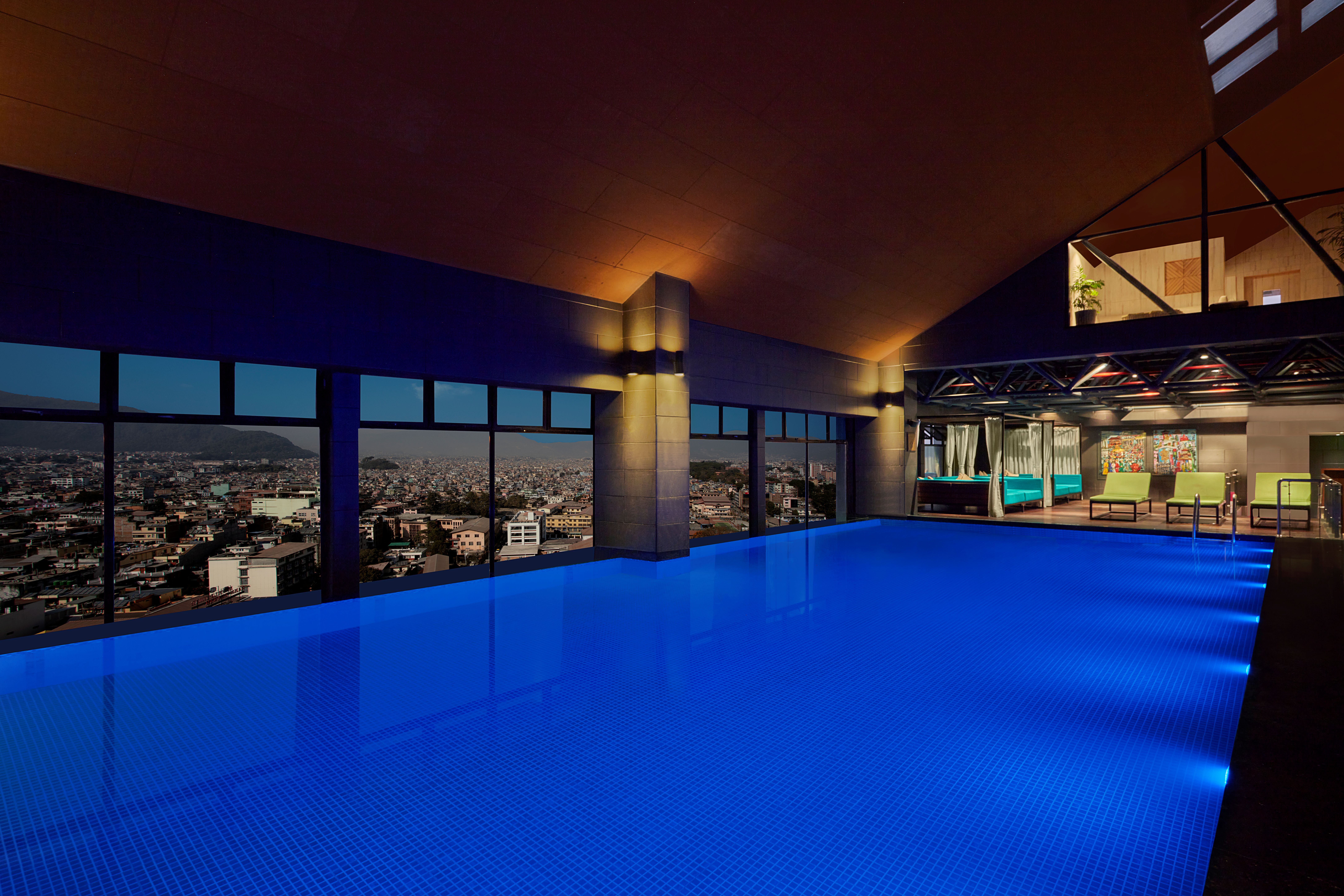
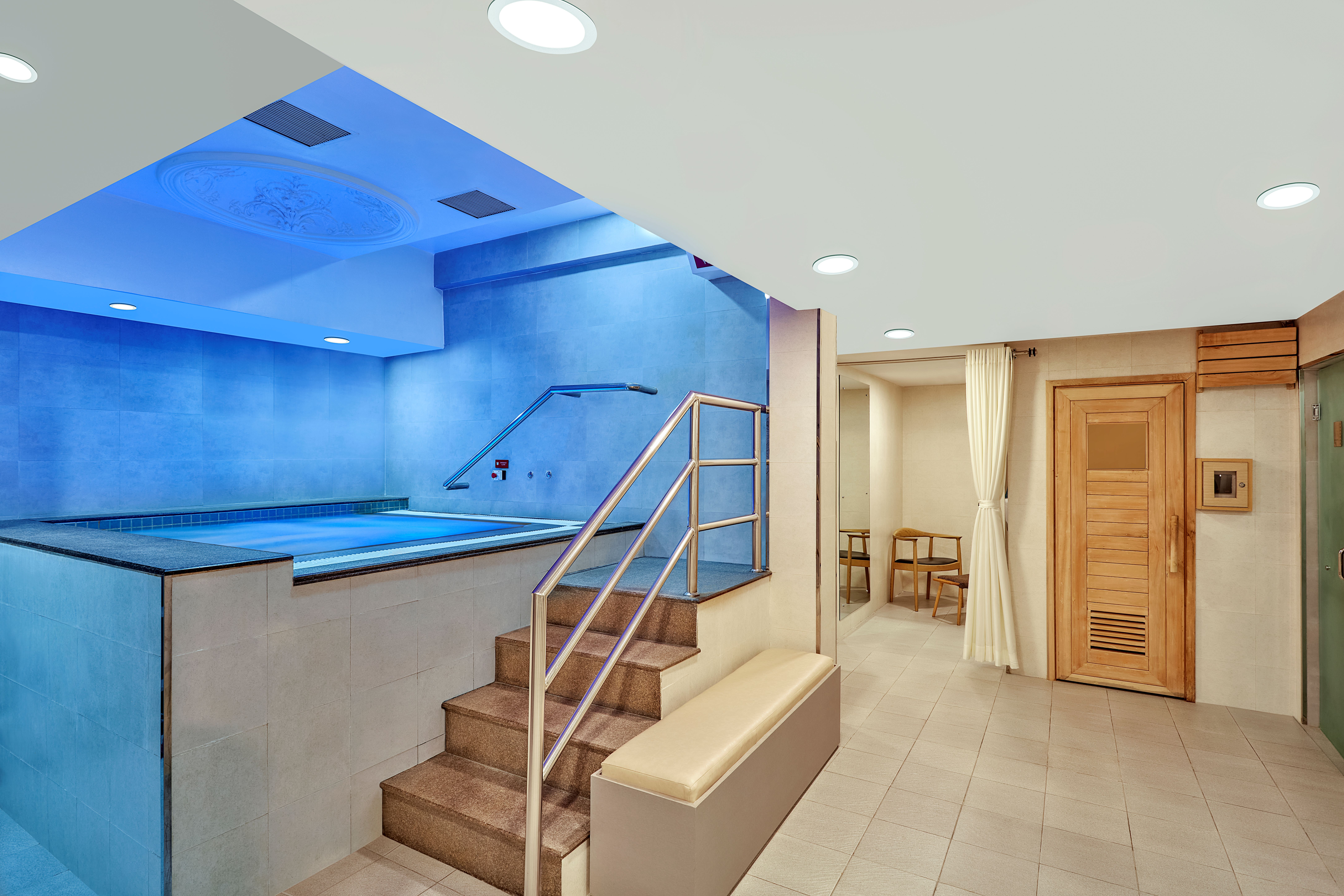
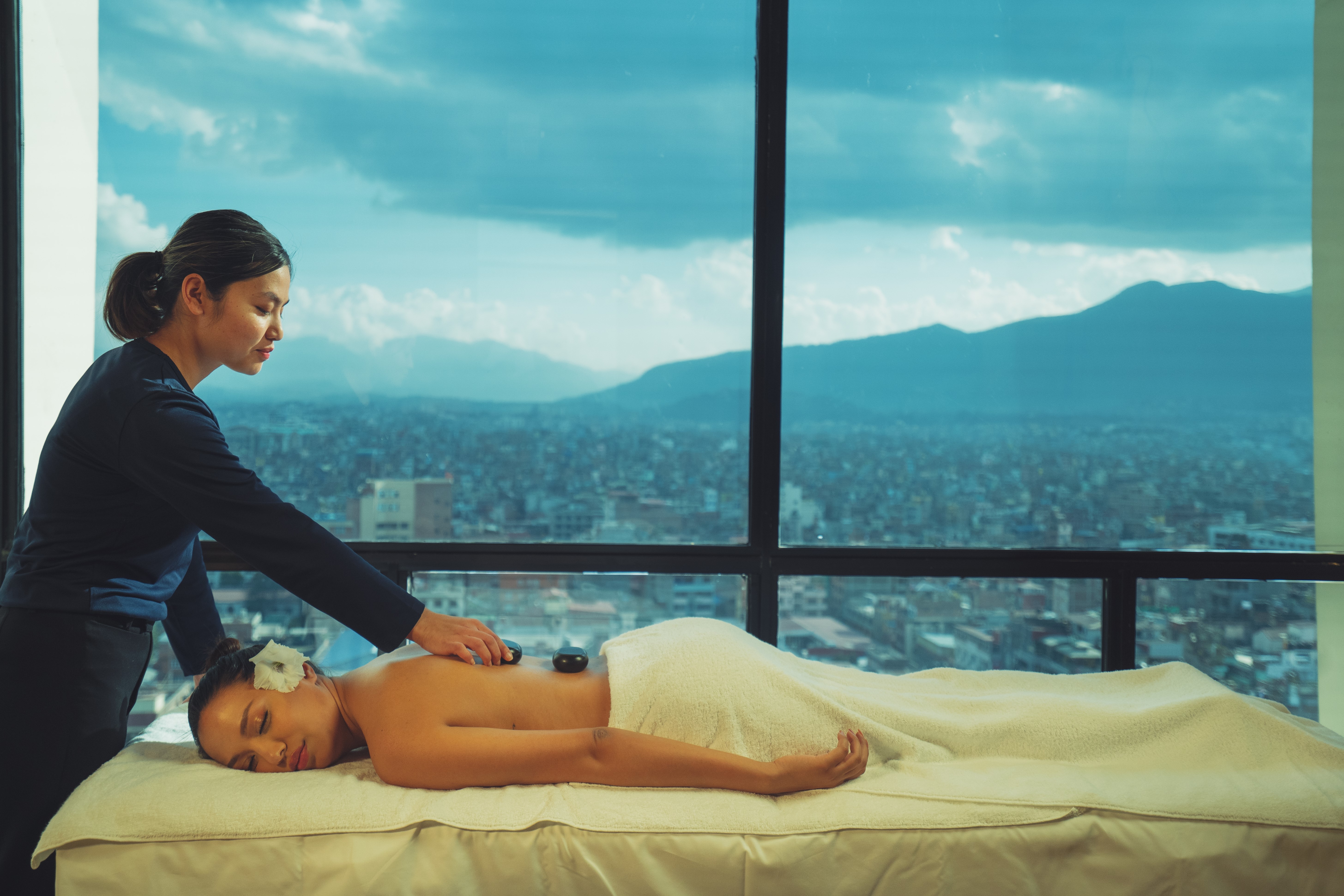
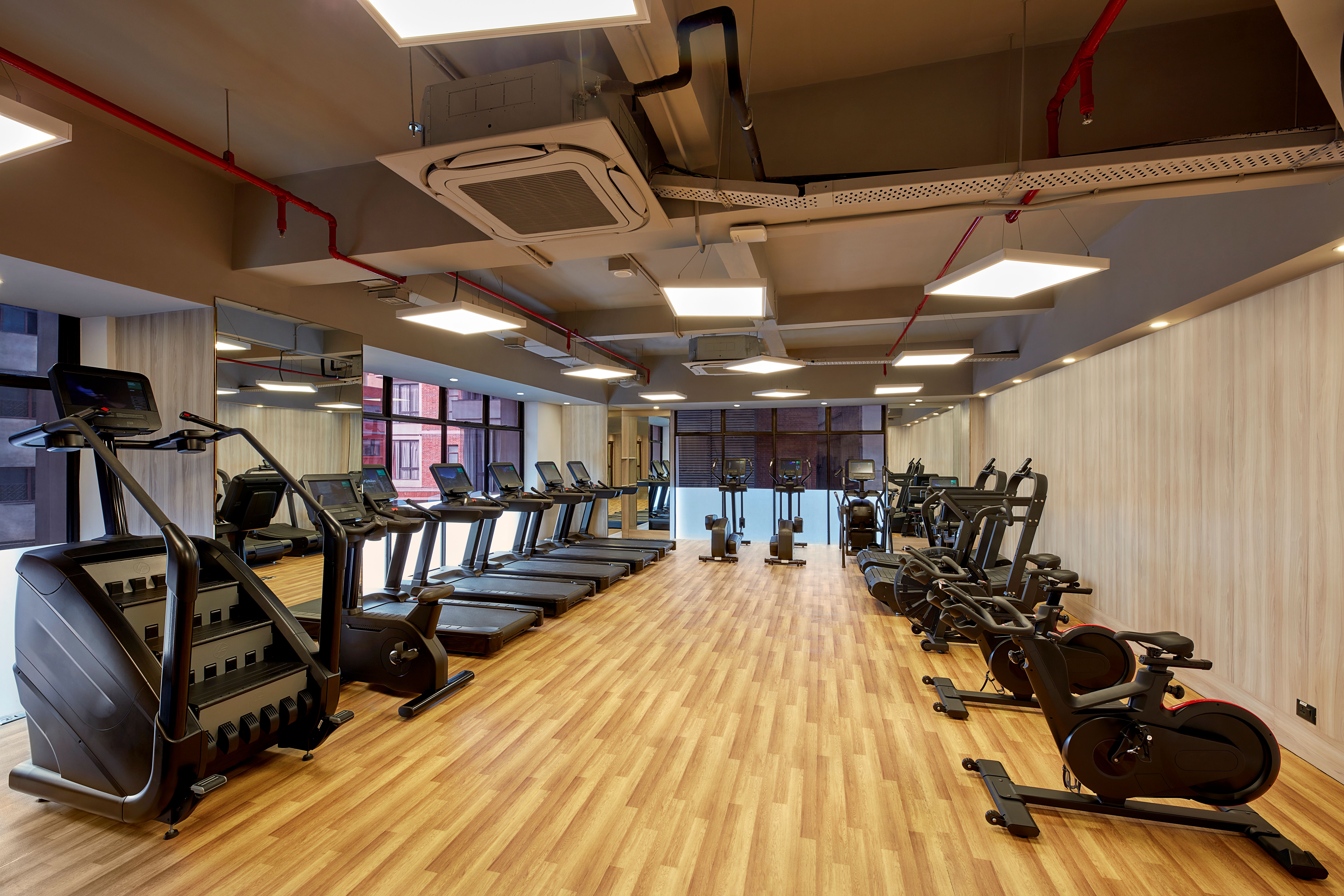
Hotel Aloft is a 5* accommodation that will be your home for the start and end of your Everest Three Passes trek.
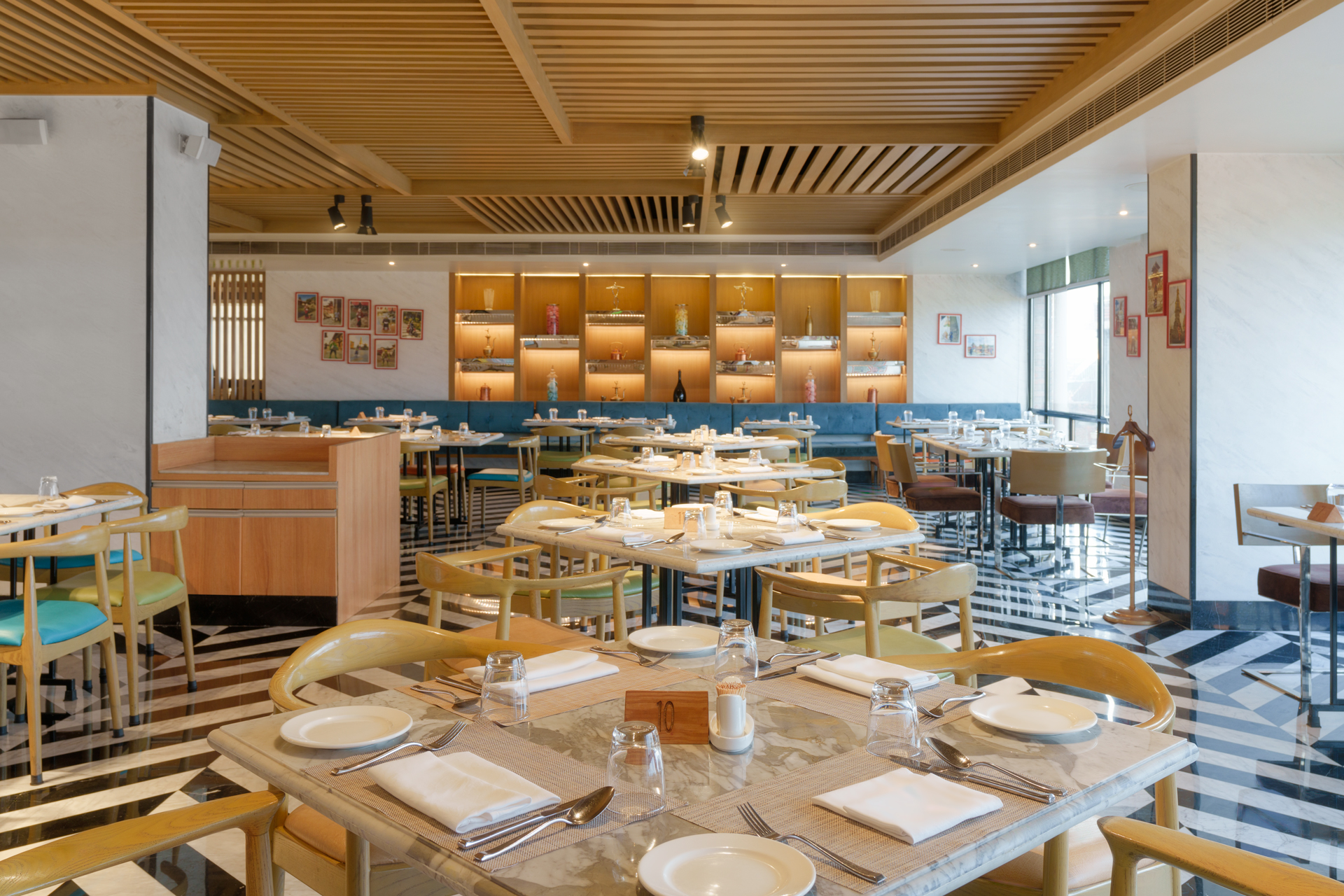
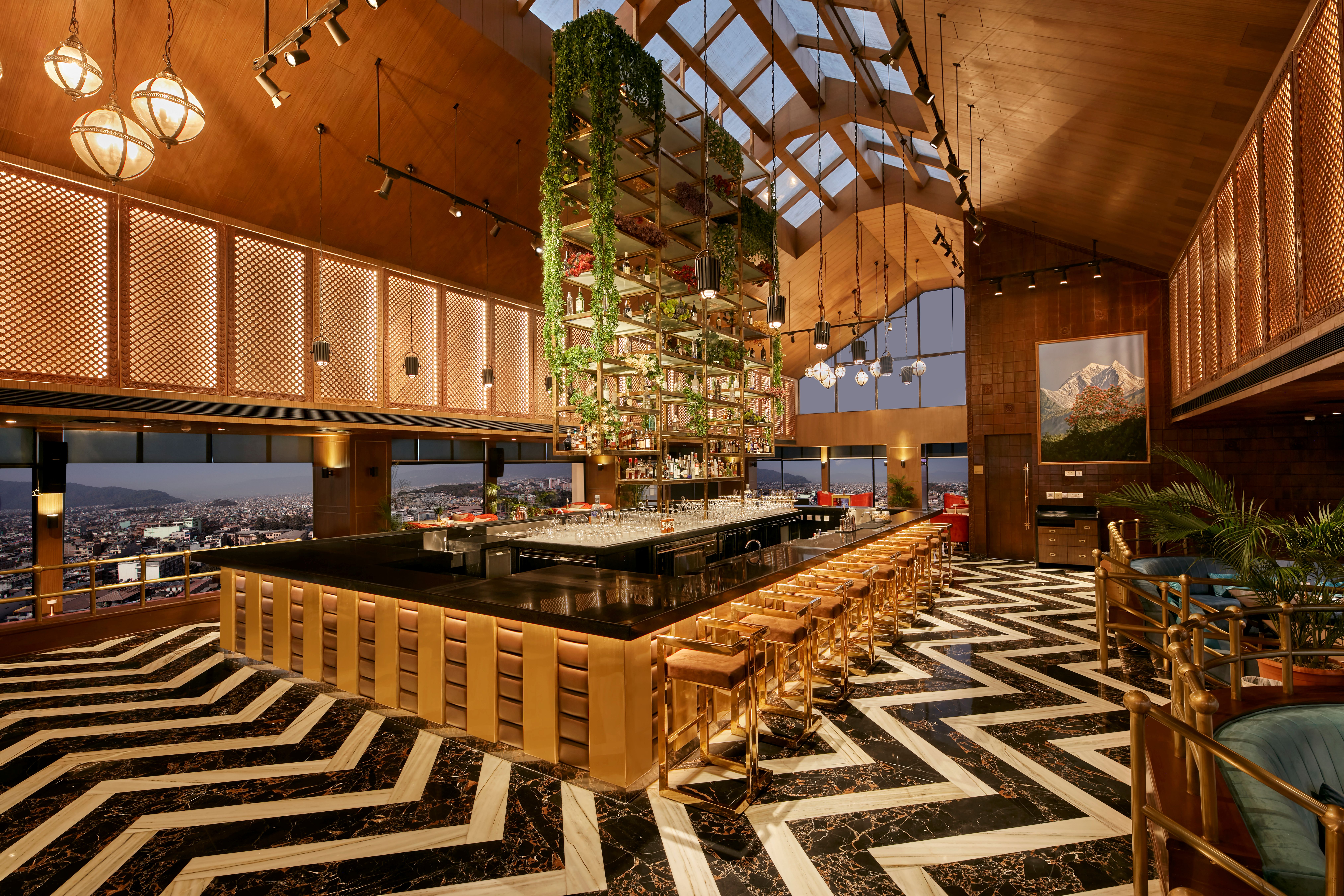
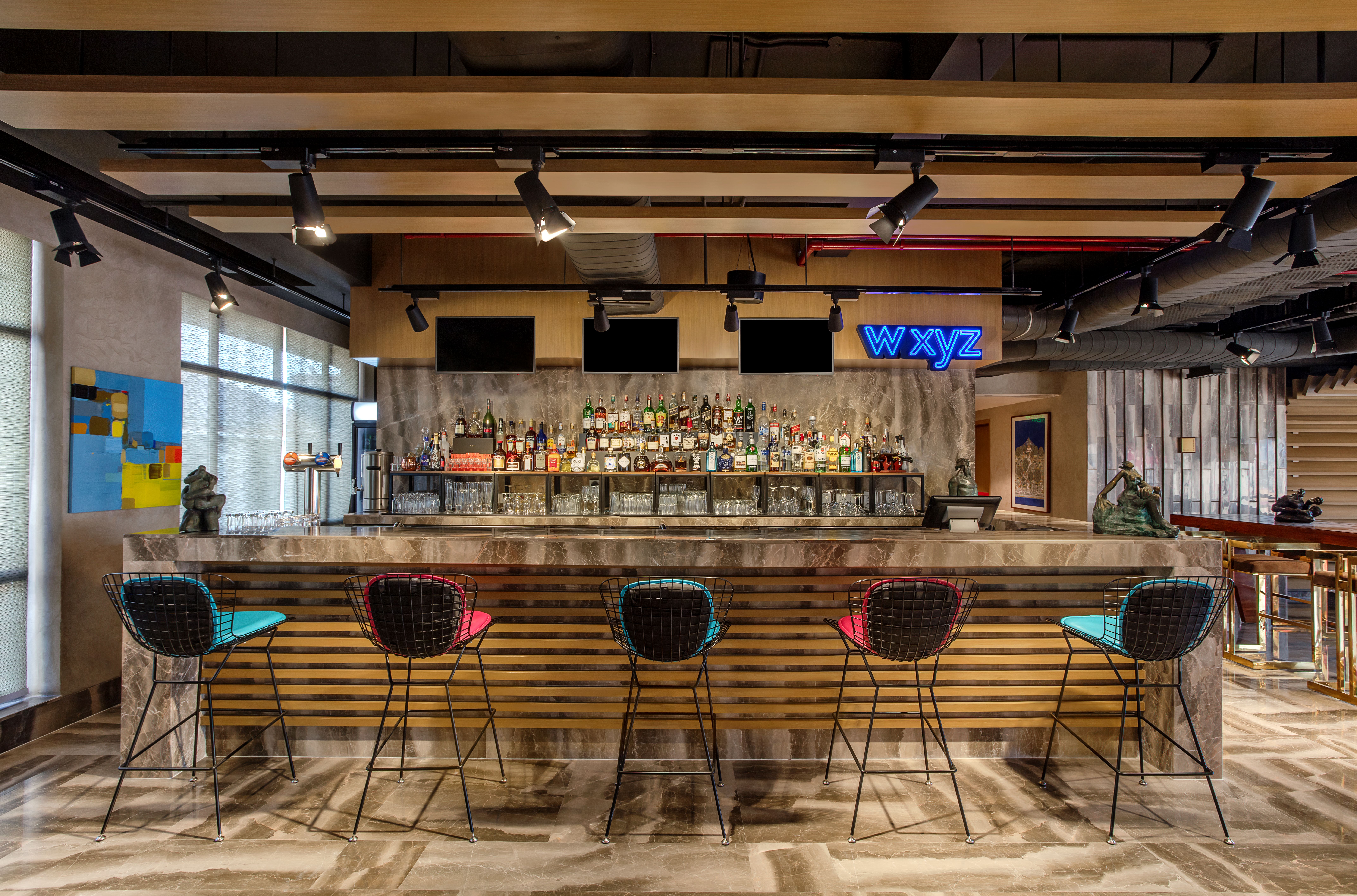
You'll find restaurants and bars in the hotel, along with a swimming pool, gym and on-site spa for you to relax before your trek. It's perfectly situated in Kathmandu, close to local restaurants and giving you the opportunity to explore this vibrant city before you hit the trails.
All rooms are twin-share with an en-suite, unless a single room supplement is arranged ahead of time. Please contact the team to discuss this.
Hotel Aloft will give you the perfect base to do any last-minute prep before your Everest Three Passes Trek and meet your fellow EverTrekkers before you head off for your adventure.
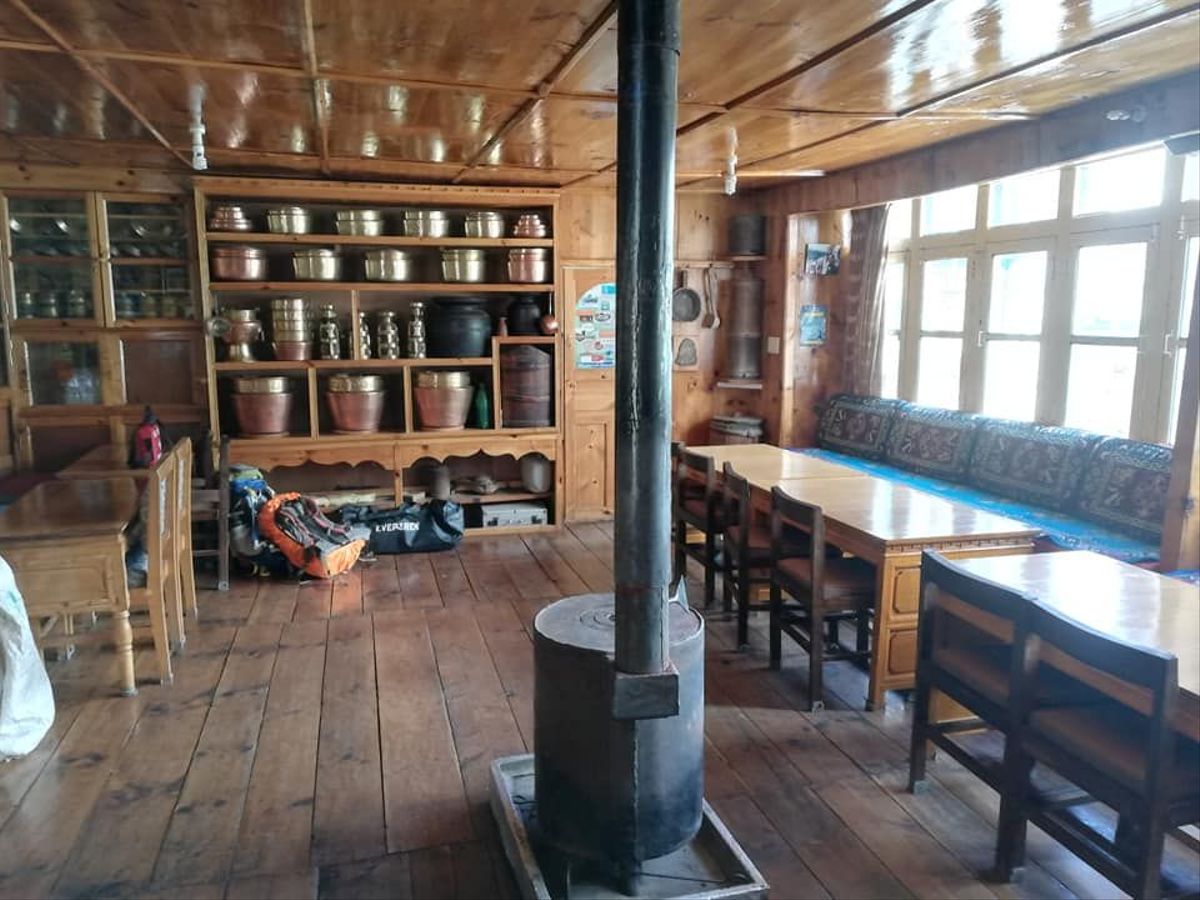
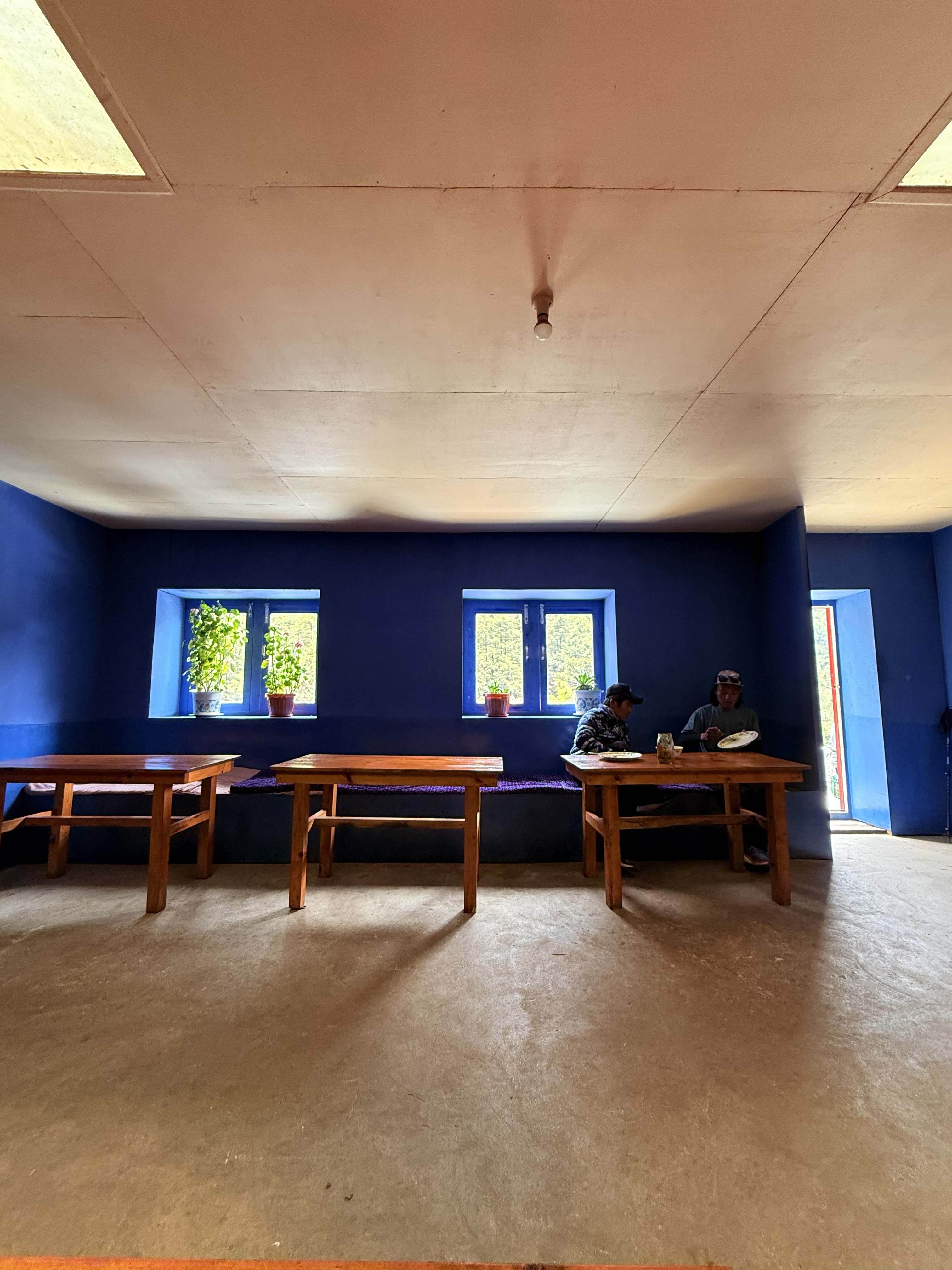
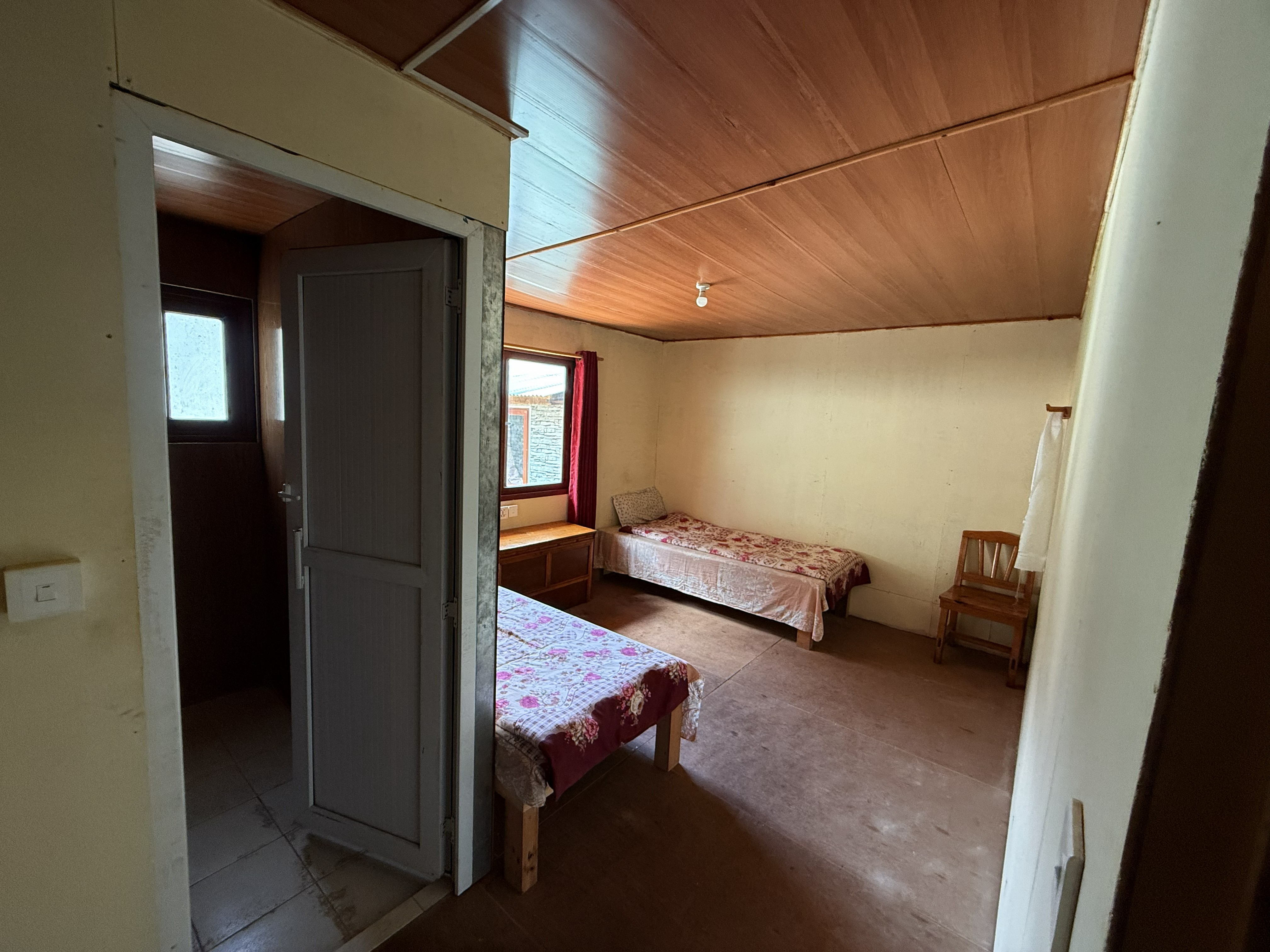
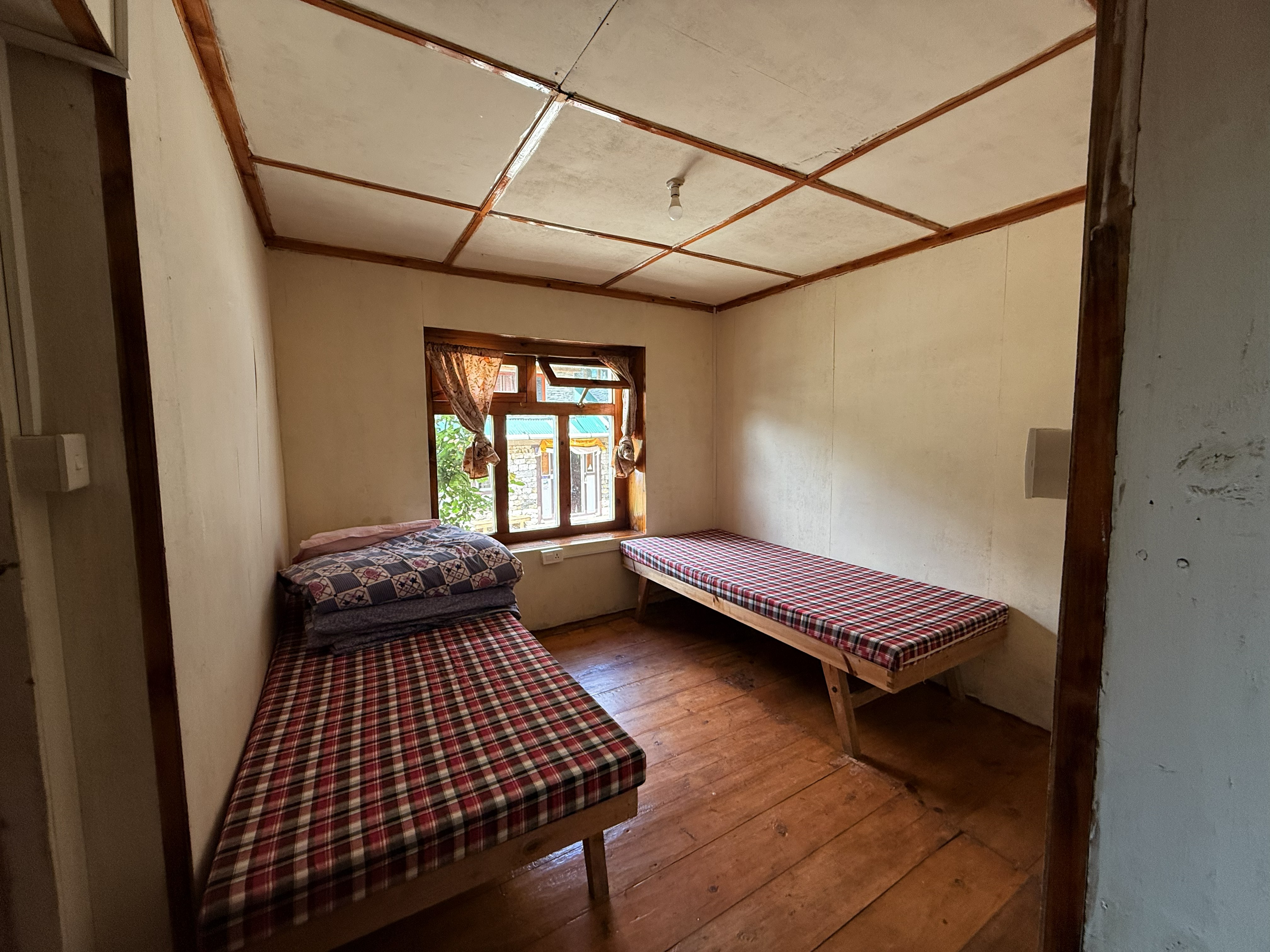
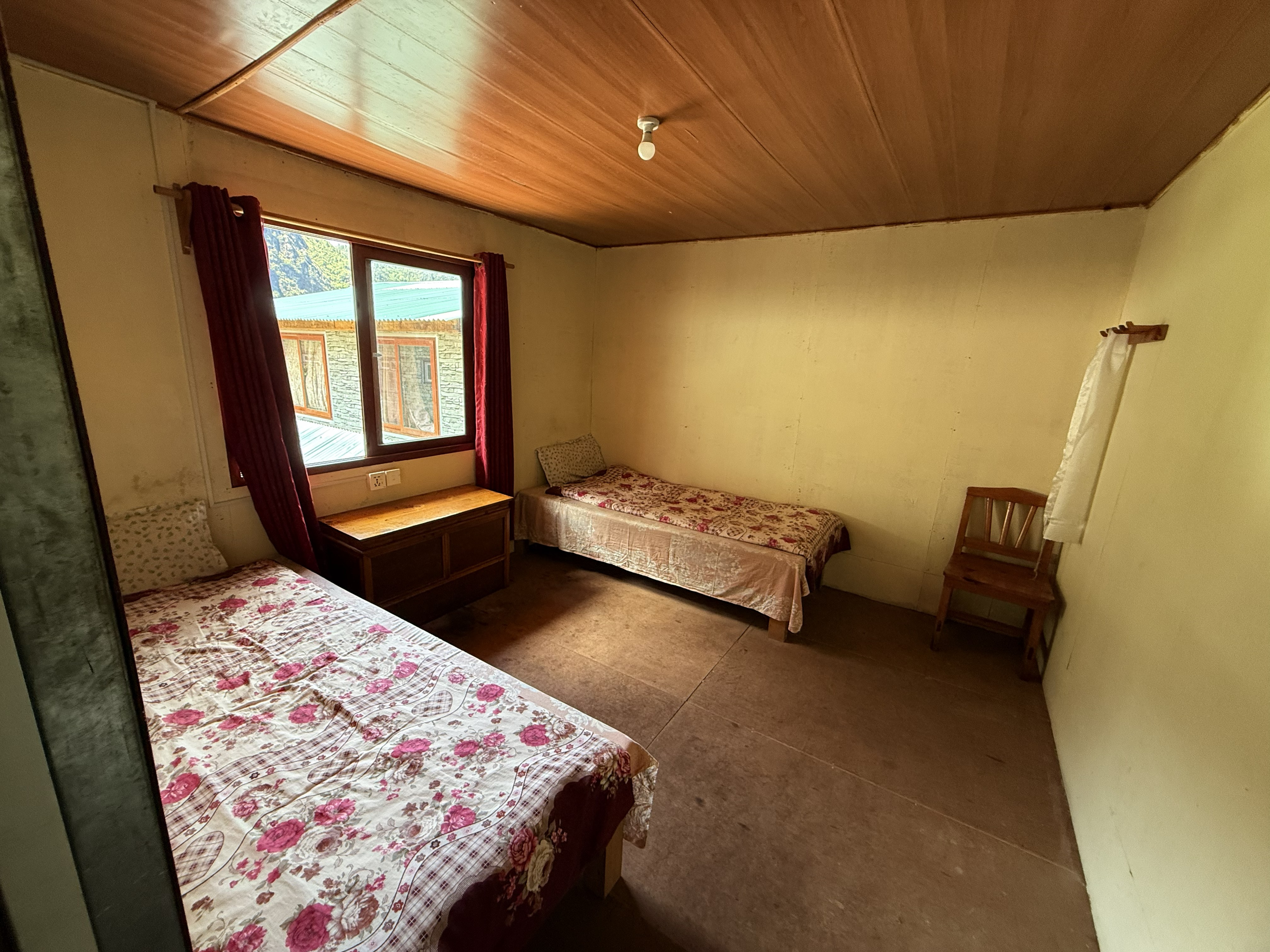
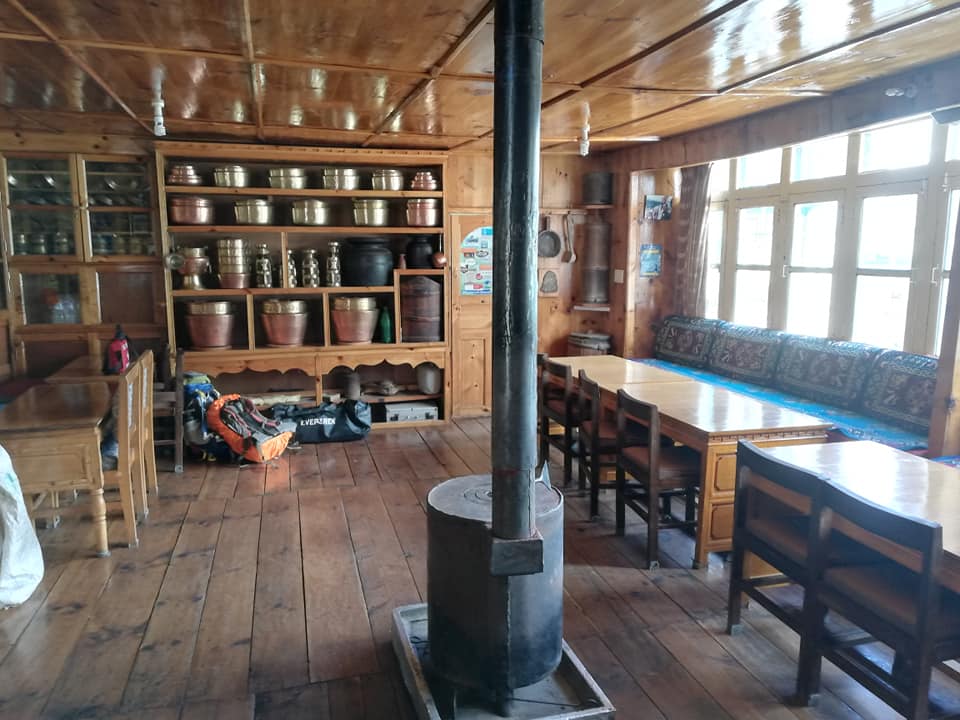
Tea houses and lodges are the most common accommodation types along the Everest Three Passes route. They are simple, family-run establishments and provide a place to rest after a long day of trekking. You'll find clean, comfortable accommodation and a bed for the night.
Rooms typically feature a mattress, pillow, and a blanket. However, we recommend a sleeping bag for extra warmth. (You can rent these from us for free!) and earplugs.
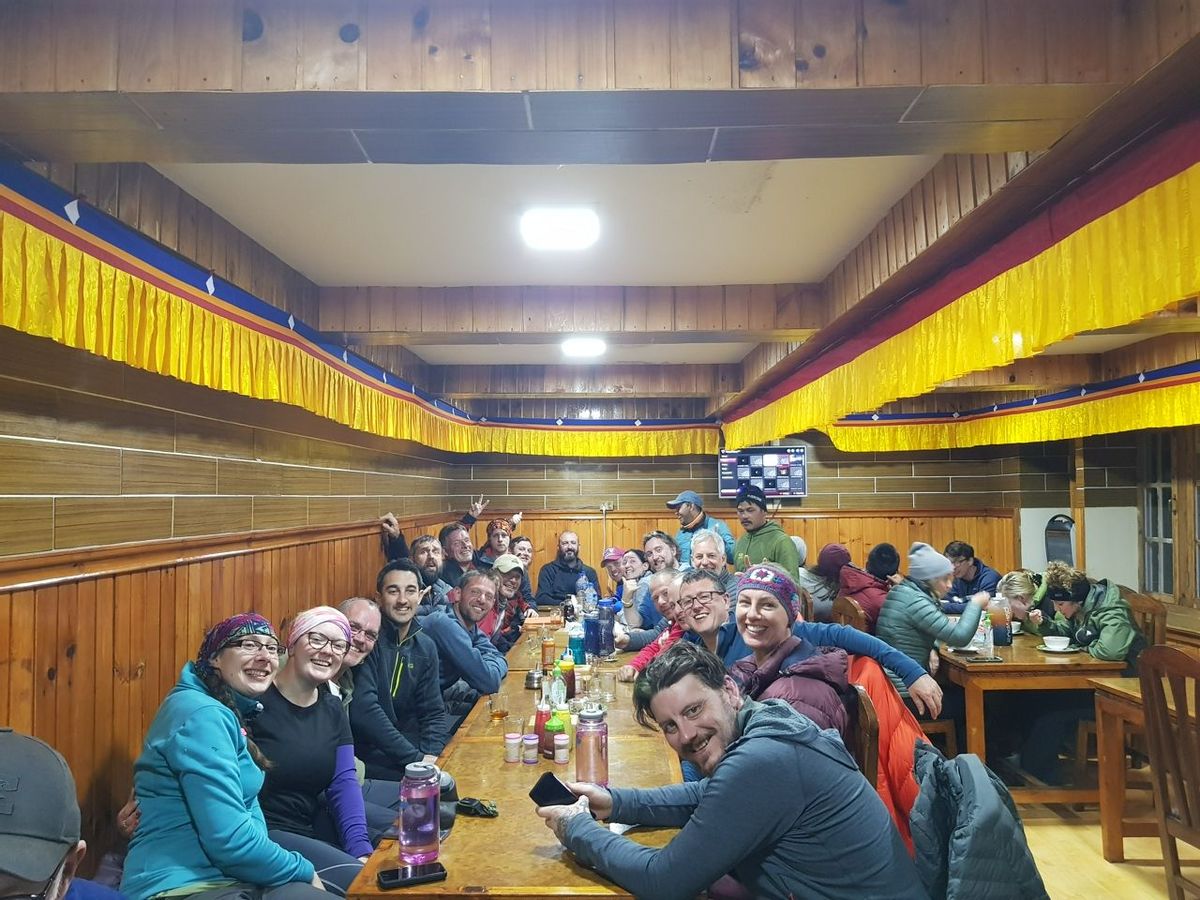
As you head further up the trails, you'll find the tea houses and lodges become more basic. However, you'll be surrounded by other trekkers and able to socialise and share stories.
While the tea houses are cozy, they are not 5-star hotels. The focus is on providing a safe and warm place to rest rather than luxury.
A good sleeping bag, earplugs, and a power bank can make your stay more comfortable.
The simplicity of the accommodation is part of the charm of trekking in such a remote and stunning region.
Food & Drink for Your Everest Three Passes Adventure
The food on the Everest Base Camp trek is surprisingly diverse and delicious, catering to both local and Western tastes. You’ll find a mix of hearty local dishes and familiar comfort foods to keep you energised for the trek. Here’s a breakdown of what you can expect:
| Days | Breakfast | Lunch | Dinner |
|---|---|---|---|
| 1: Kathmandu (Arrival Day) | |||
| 2: Kathmandu | |||
| 3-17: Trekking Route | |||
| 18: Lukla/Kathmandu | |||
| 19: Kathmandu (Departure Day) |
A staple Nepali dish consisting of boiled rice, lentil soup, and side dishes like vegetables and curry. It's a favorite among trekkers because it's filling, nutritious, and often comes with unlimited refills!
Sherpa Stew
A warm, hearty soup with vegetables, noodles, and sometimes meat, although we advise a vegetarian diet whilst on trek to avoid food poisoning which is very common to get from meat up in the mountains.
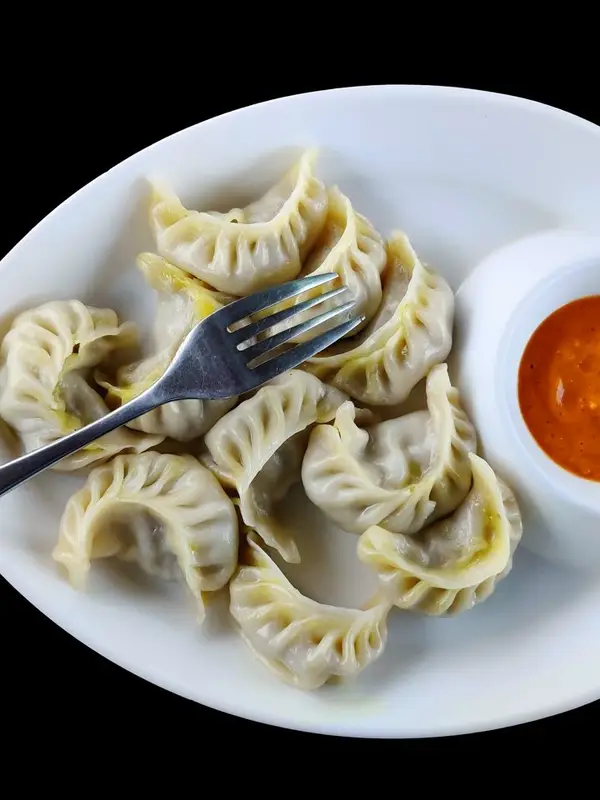
Veggie Momos
Our favourite - Nepali dumplings filled with vegetables, served steamed or fried.
Garlic Soup
Not only tasty but also believed to help with acclimatisation and prevent altitude sickness.
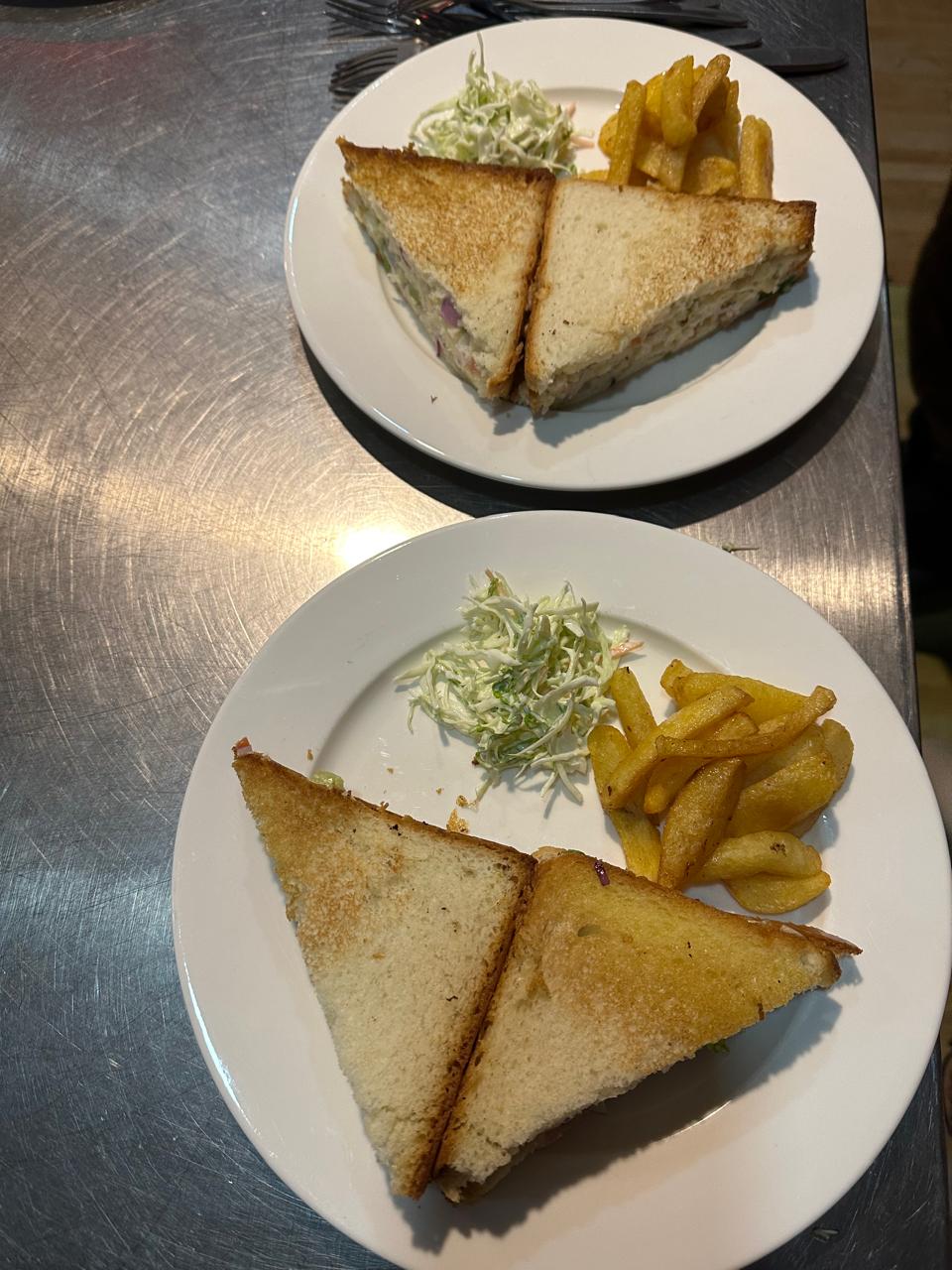
Yes, you can find these on the trail! They might not be gourmet, but they're comforting after a long day.
Sandwiches and Soups
Light and easy options for lunch.
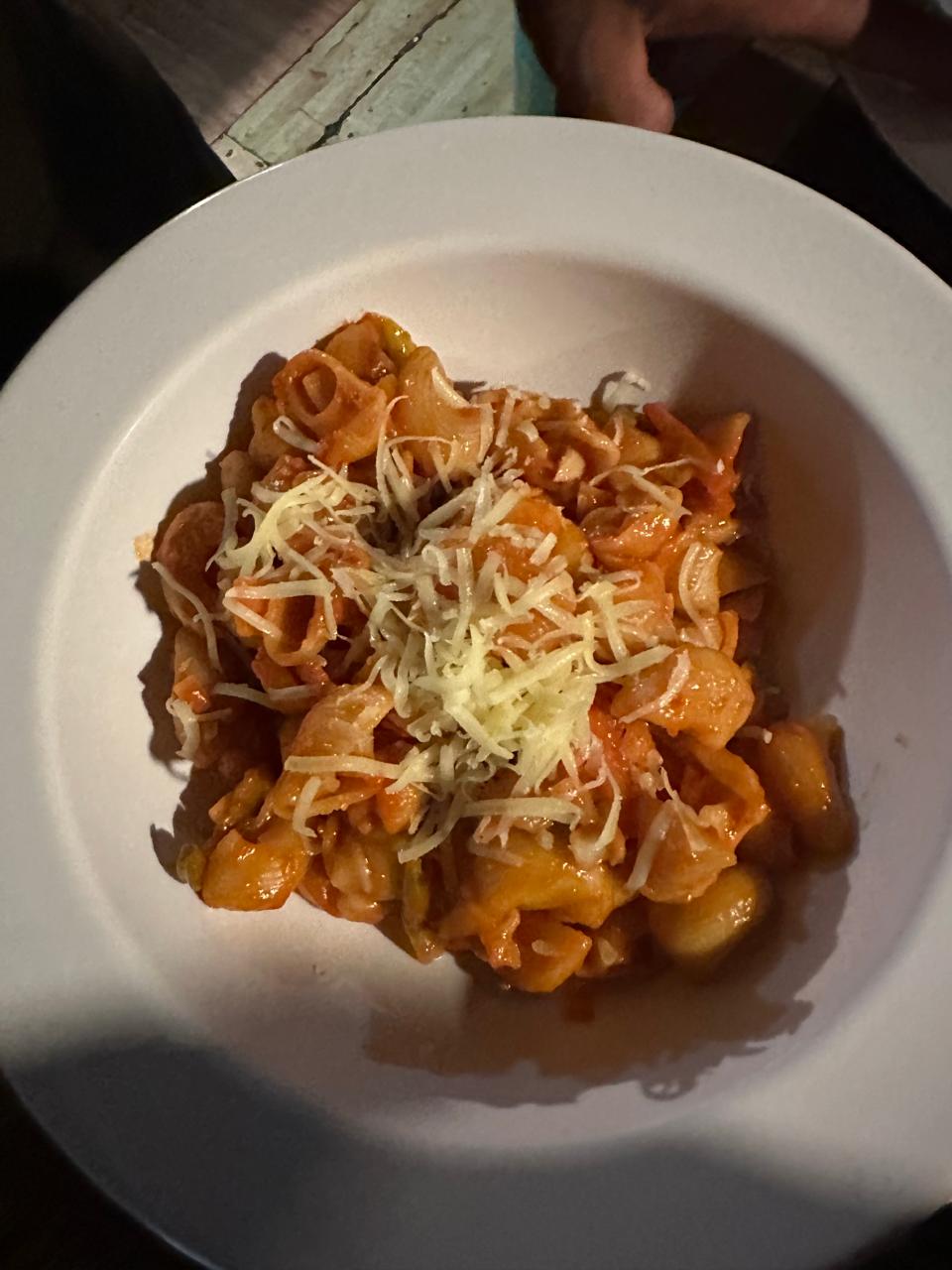
Macaroni Dishes
A simple yet satisfying choice.
Chips and Fried Rice
Great for a quick carb boost.
Tibetan bread with jam, pancakes, porridge, eggs (boiled, fried, or scrambled), and hot drinks like tea or coffee.
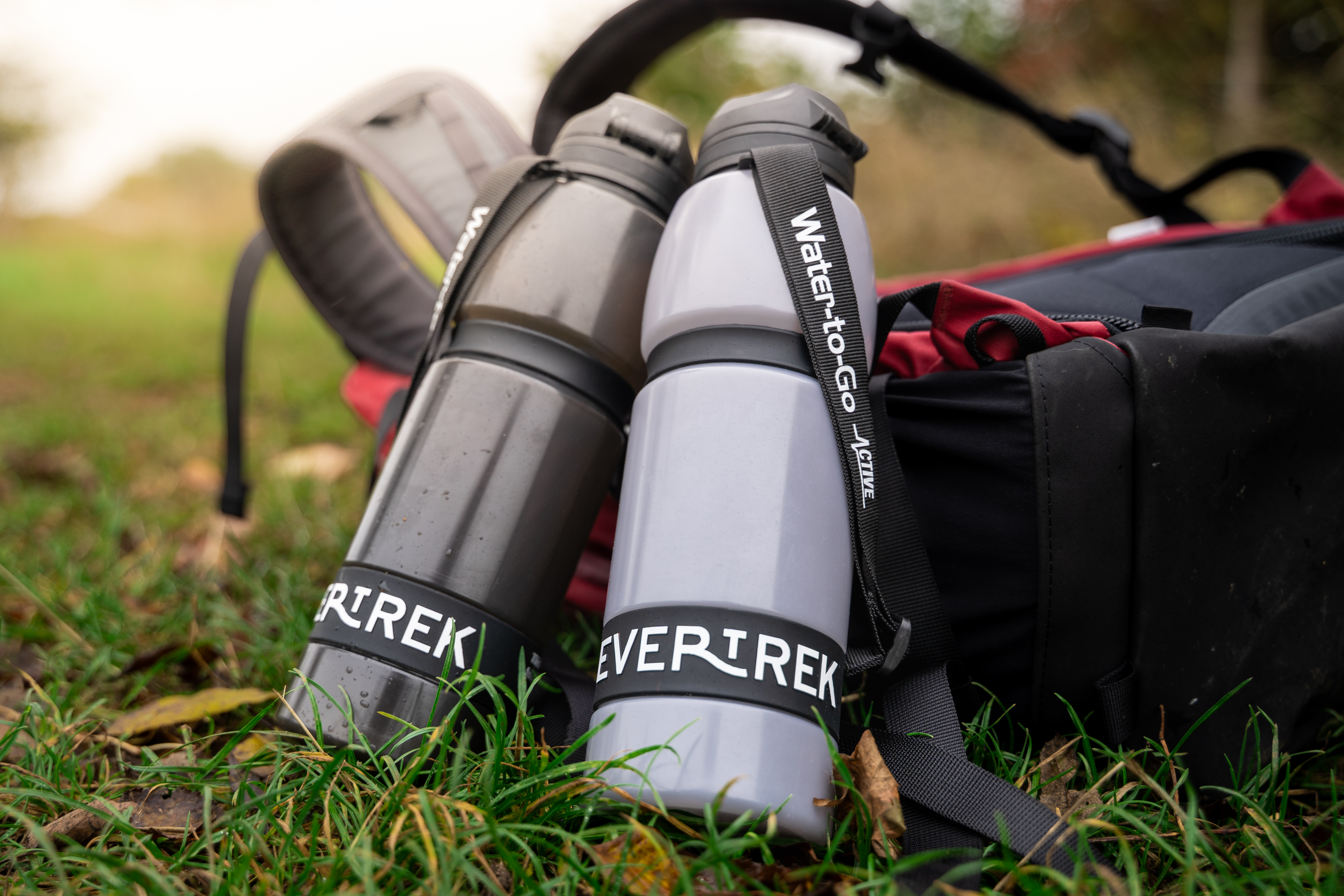
How We Make Water Safe For Our Trekkers
In March 2019, we became the first UK high-altitude trekking company to introduce purified water filters across all of our Nepal treks, reducing reliance on single-use plastic bottles and providing clean, great-tasting water without chemicals.
Previously, trekkers depended on bottled water or purification tablets - neither of which was sustainable or ideal. With each trekker potentially using over 50 plastic bottles per trip, the impact added up fast.
Making sure you're properly hydrated is an essential part of reducing the risk of altitude sickness. You need to drink more water at high altitude. Therefore, doing our part to reduce the environmental impact of our treks means that this small change has made a big difference for both our EverTrekkers and the communities who live on the trekking routes.
In areas with limited water sources, there will be opportunities to buy bottled water.
Environmental Impact
In our first season, this initiative prevented the use of around 16,500 one-litre plastic bottles in the Everest region - the equivalent height of five Ben Nevis mountains stacked!

Difficulty:
Challenging
How challenging is the trek?
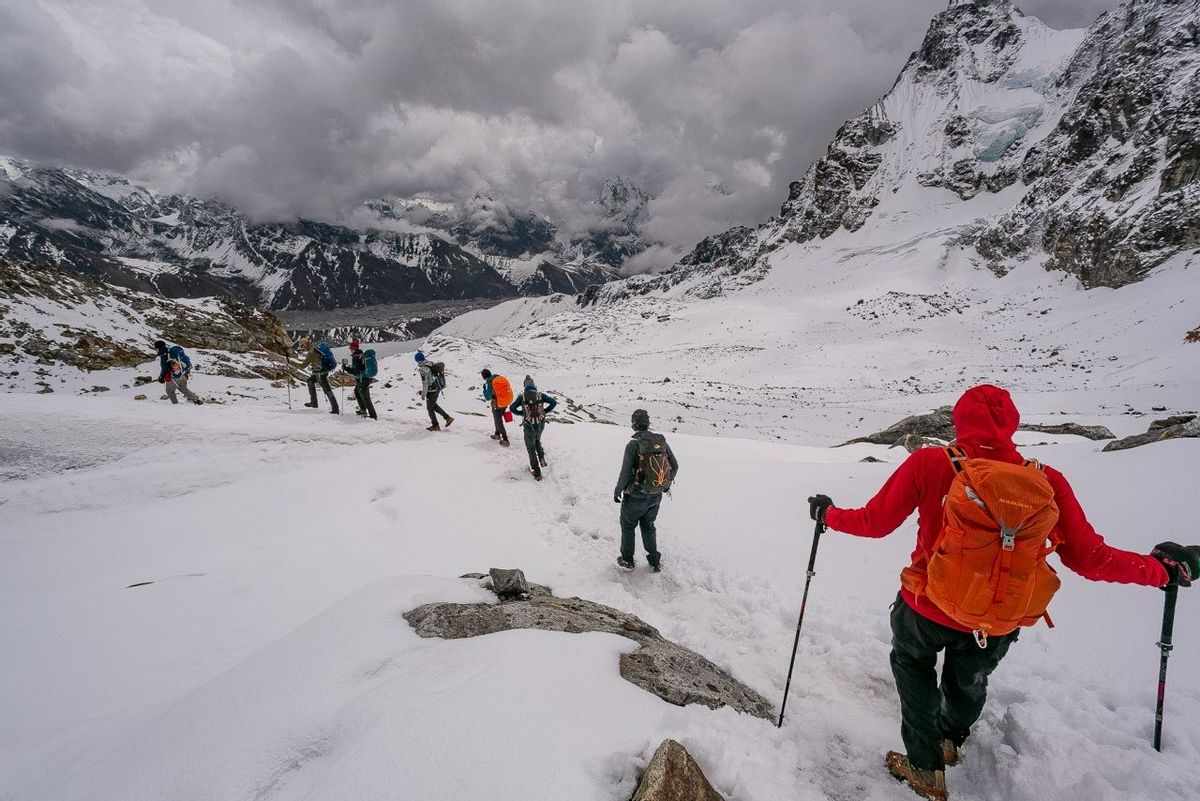
The Three Passes Trek is the most demanding high-altitude trekking route in the Everest region, but for those looking for a proper challenge, it’s as good as it gets. This isn’t just a trek to Base Camp. This is a full circumnavigation of the Everest region, crossing three major passes over 5,000m: Kongma La (5,535m), Cho La (5,420m), and Renjo La (5,360m).

PLUS Get a FREE training plan from The Altitude Centre
Book now and you can get a FREE consultation & training plan from The Altitude Centre!
It’s a tough route that demands a solid base level of fitness, strong legs, and the ability to keep going day after day at high altitude. But the rewards? Absolutely next-level.
Here’s how to assess your fitness and prep:
Pre-Trek Fitness Prep
Before you set foot on the trail, you should be able to:
- Hike on average 6 to 8 hours a day carrying a backpack of 6 to 10kg.
- Tackle elevation gains of up to 800 –1000m in a single day and be able to do that multiple days in a row.
- Get out for multi-day hikes before your trip to build up your endurance, especially with steep ascents and descents.
If you’re looking at the Three Passes Trek and thinking, “I’m not quite there yet,” that’s perfectly fine. With a consistent training plan over a few months, most people can build the endurance needed to complete this trek. It’s tough but very doable with preparation.
What to expect on the trek
Altitude Challenges
You’ll be spending multiple days above 5,000m, and crossing three high mountain passes. The thin air makes everything more difficult, walking, sleeping and eating so proper acclimatisation is essential. The itinerary includes rest days and a gradual ascent to help your body adjust.
Duration
The Three Passes Trek takes 19 days from arrival in Kathmandu to your departure day. It’s a full on trek, with long days and big climbs. Expect 6 to 8 hours of trekking per day, with some days, especially the pass crossings, being longer and more physically demanding.
Terrain
This trek throws everything at you:
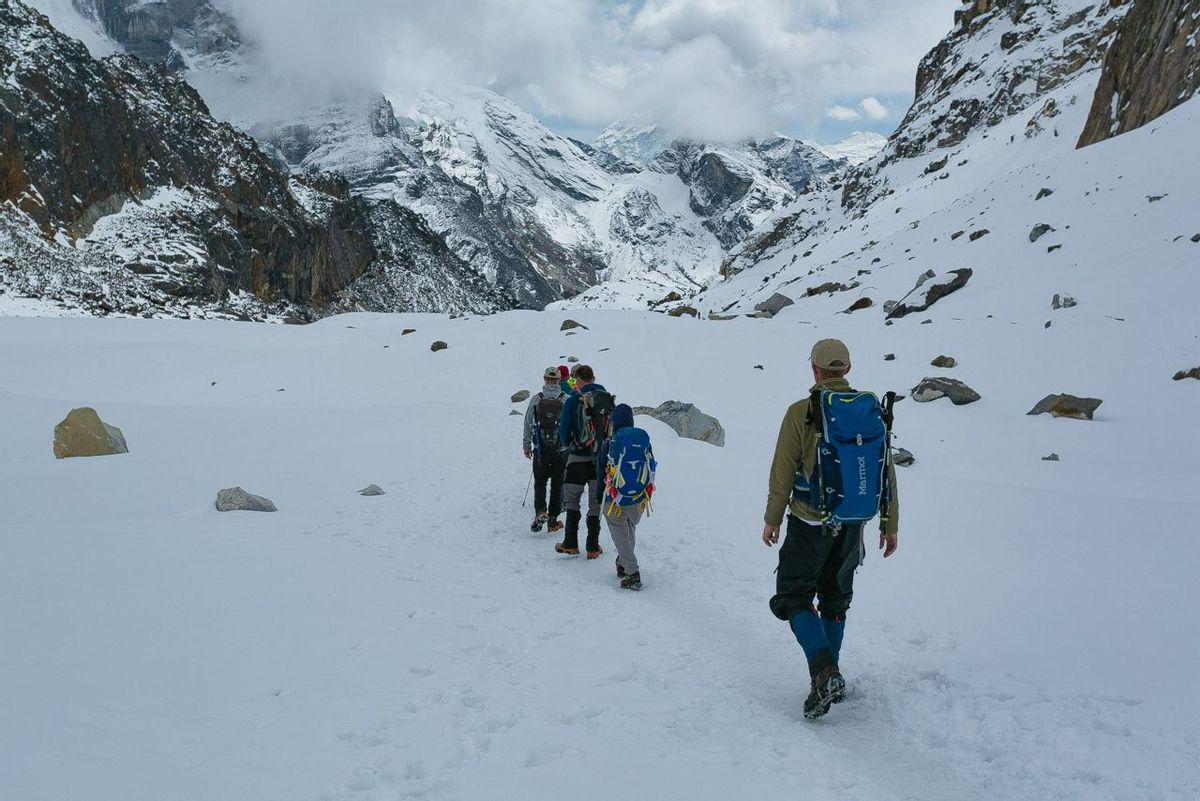
- High alpine passes with snow and ice
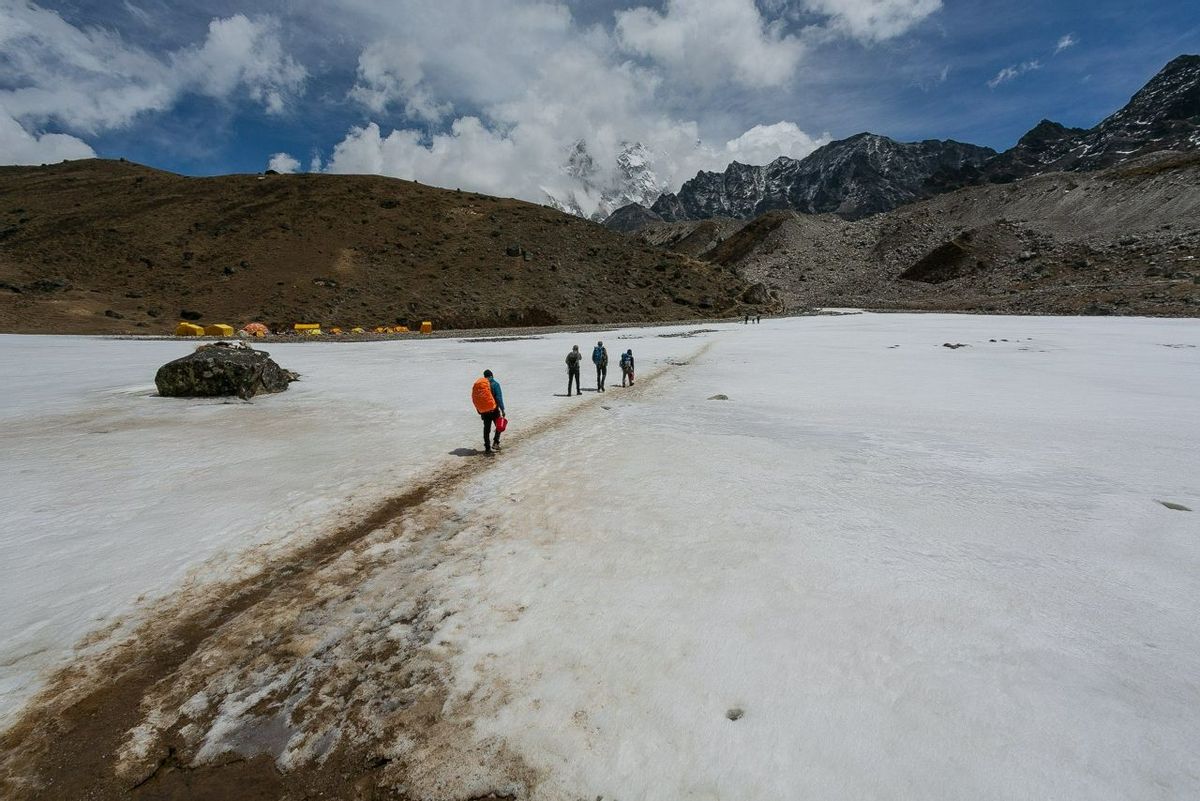
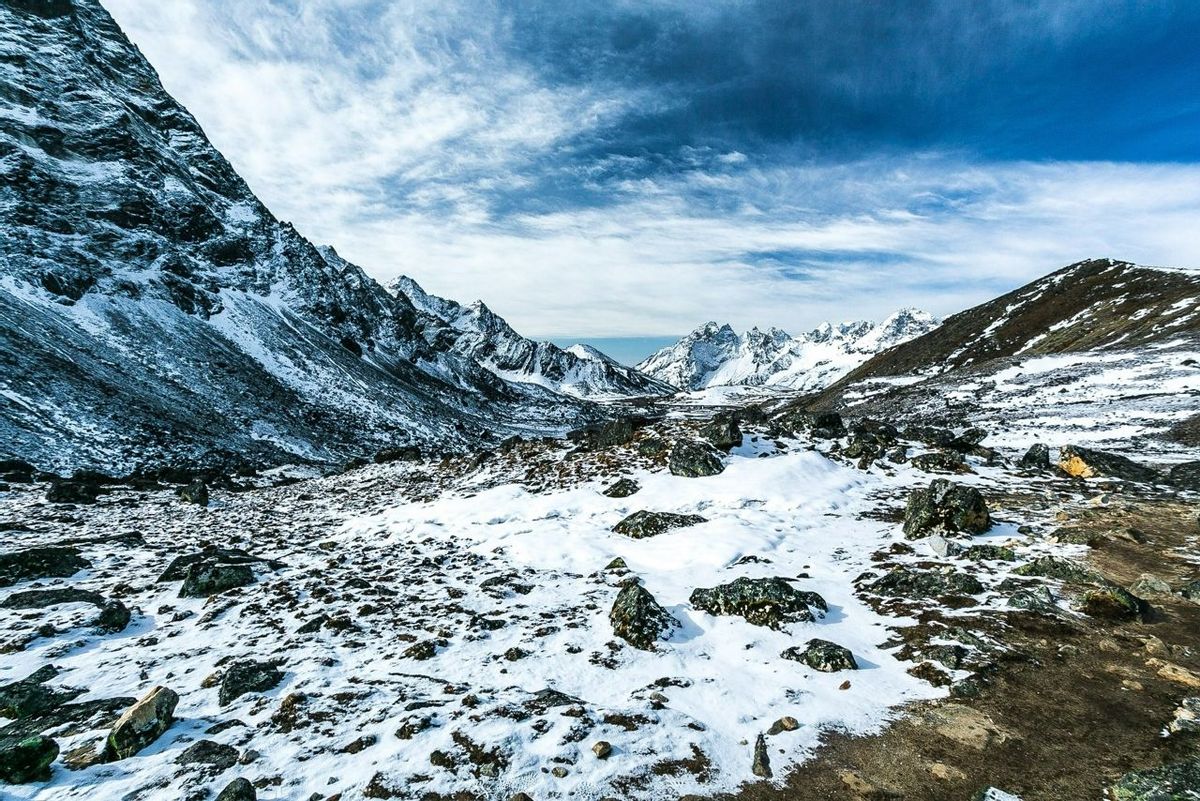
- Glacier crossings like the Khumbu and Ngozumpa Glaciers
- Steep switchbacks, narrow ridgelines, and loose rocky descents
- Suspension bridges, stone staircases, and occasionally some scrambling
It’s not technical, you don’t need ropes or crampons in normal conditions but it’s rugged, remote, and varied.
Weather
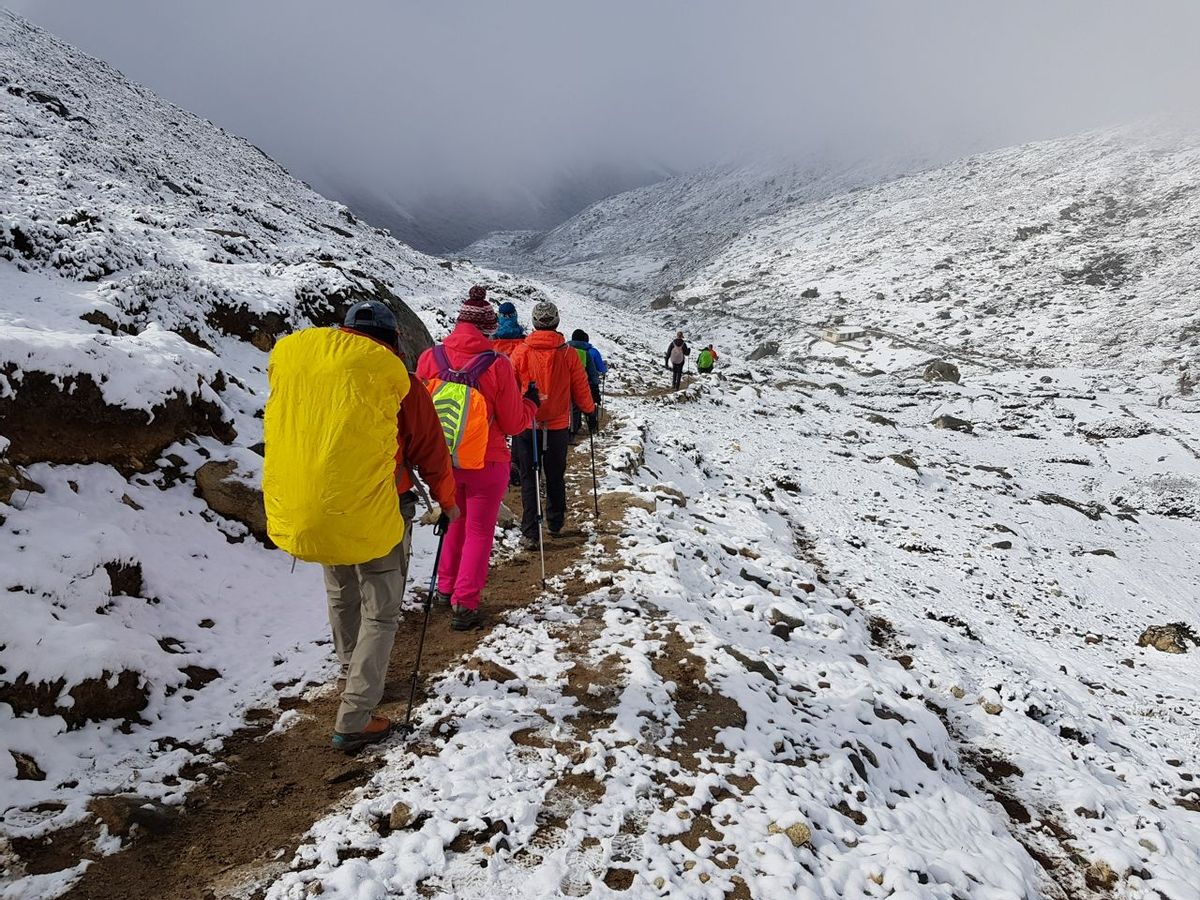
Expect cold temperatures, particularly at the high passes and during early morning starts. Weather can change quickly in the high mountains, especially in the shoulder seasons. You’ll need to be prepared for sub-zero nights, wind chill at the passes, and the occasional snow flurry even in peak season.
Make sure you have quality gear to stay warm and comfortable.
Essential Kit
Explore our essential kit picks so you're comfortable, safe, and ready for every step. Download the full checklist to nail your packing.
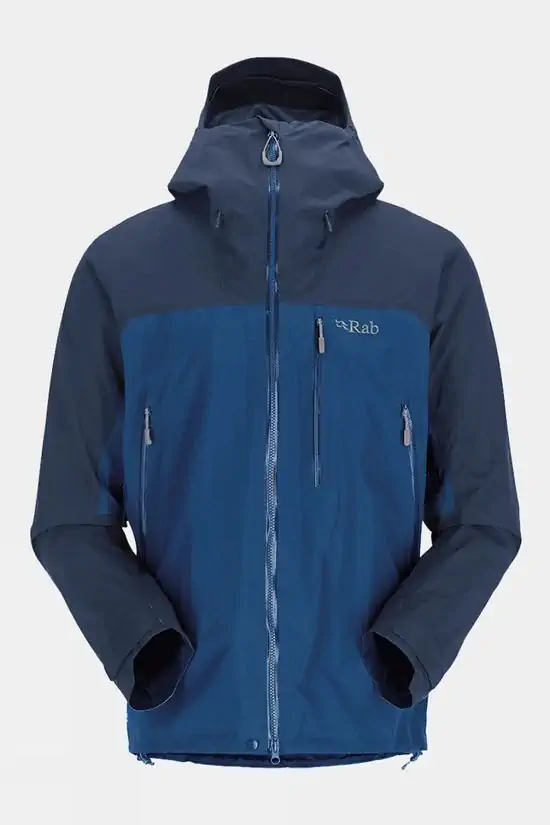
Waterproof jacket
A versatile gore-tex or similar material jacket is ideal for year round walking, hiking and trekking in the roughest weather. Jackets like the Latok Mountain GORE-TEX® Pro Jacket offer great weather protection and breathability when you need it.

FREE equipment hire!
All EverTrekkers receive FREE winter sleeping bags and a FREE £110 down jacket – just let us know when booking to reserve.
PLUS: Get a FREE 80 Ltr duffel bag, t-shirt, cap, and map when you arrive in Kathmandu!
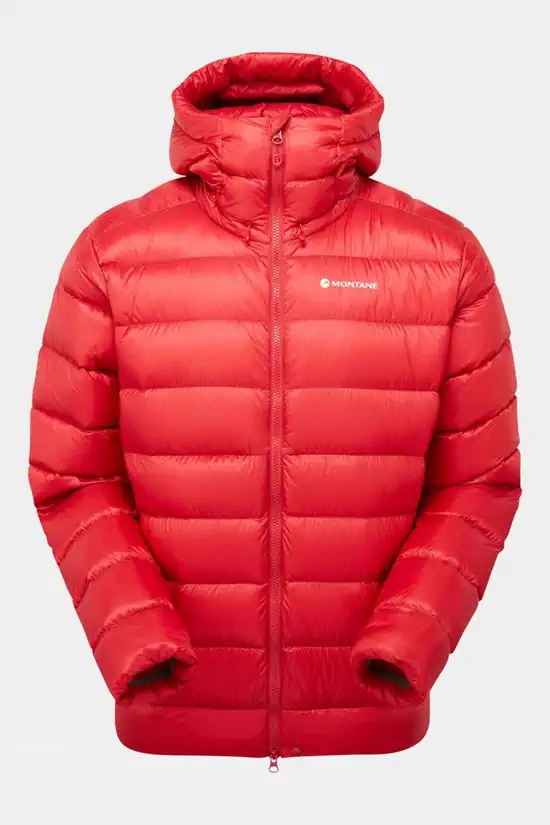
Insulated jacket
A down or synthetic insulated jacket is a must for sub-zero conditions. Jackets like the Montane Anti-Freeze XT Down Hoodie use water-resistant down for an excellent warmth-to-weight ratio, with features like high collars and storm flaps to trap heat.

Sleeping bag
A warm and reliable down-filled sleeping bag is essential for multi-day trekking or backpacking adventures. The Rab Ascent 700 is a great example, made with recycled materials and designed for both regular camping and mountain use.

Base layer top
A warm and breathable long-sleeve base layer, combining materials like Merino wool and synthetic fibres, helps regulate body temperature in various outdoor conditions. The Helly Hansen Lifa Merino Midweight is one such example.
Trekking shorts
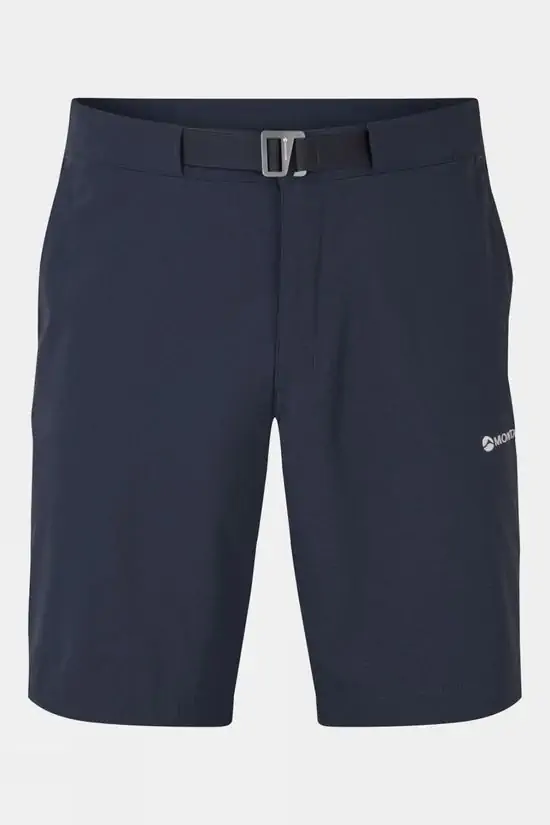
Lightweight and durable walking shorts are ideal for fast-paced mountain hikes. Shorts like Montane's Tenacity Lite use stretch fabrics to offer protection from wind and abrasion.
Trekking trousers
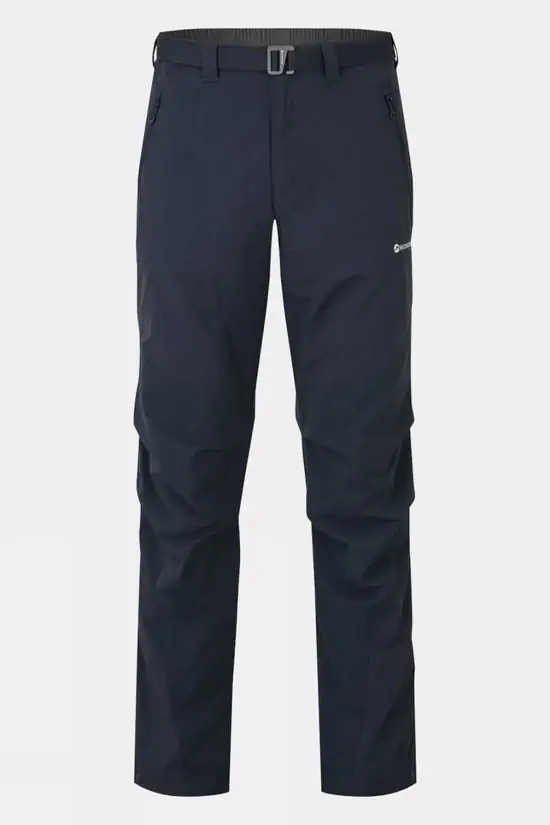
Tough, lightweight and versatile trousers are perfect for a range of outdoor activities. The Montane Terra Pants continue to be a go-to choice for everything from trekking to scrambling.
Trekking poles
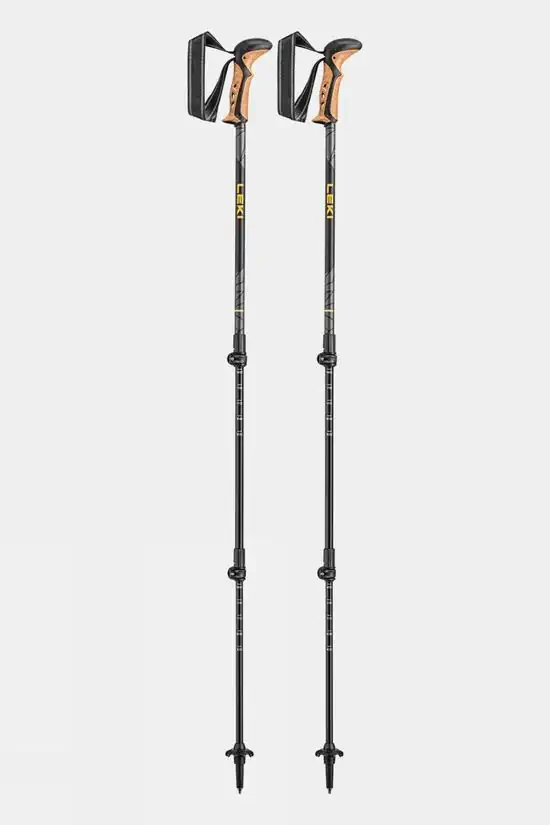
Lightweight yet sturdy walking poles help with balance and reduce strain on steep or uneven terrain. The Leki Khumbu Lite poles are a popular option for hill walking and mountain hiking.

Mountain sunglasses
Protective and high-performance sunglasses are important for alpine environments. Sunglasses like the Julbo Shield Reactiv combine style with serious high-mountain protection.
Leggings
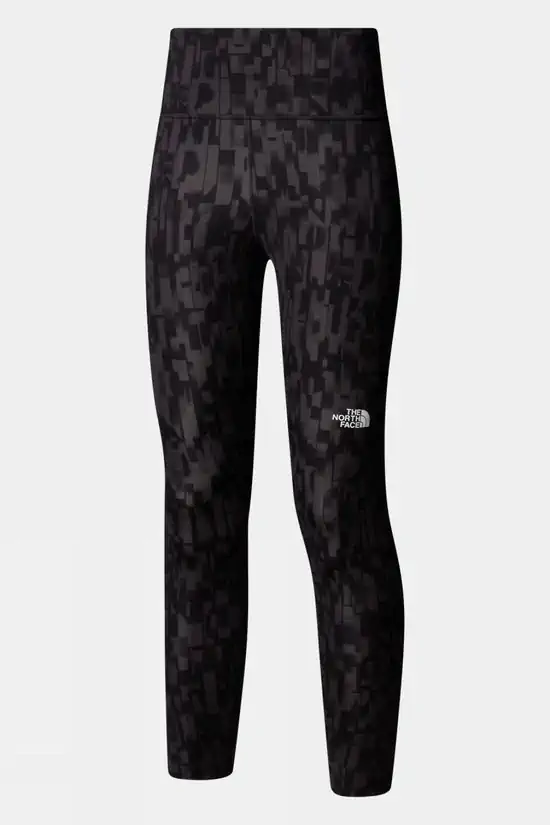
Lightweight leggings with moisture-wicking fabrics are ideal for active use. The North Face Flex High Rise Leggings offer comfort and sweat management during exercise.
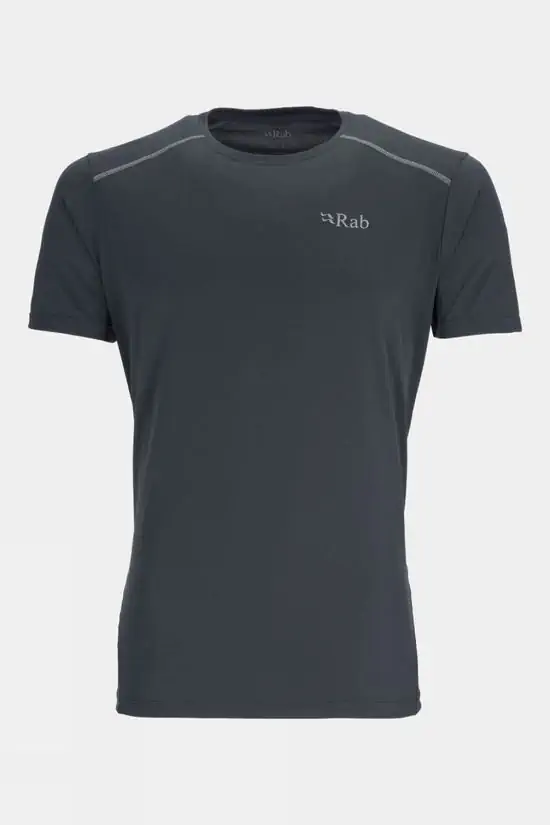
Technical T-shirt
A moisture-wicking technical tee is essential for active days in the hills. The Rab Force T-Shirt is a reliable choice for mountain walkers and runners alike.
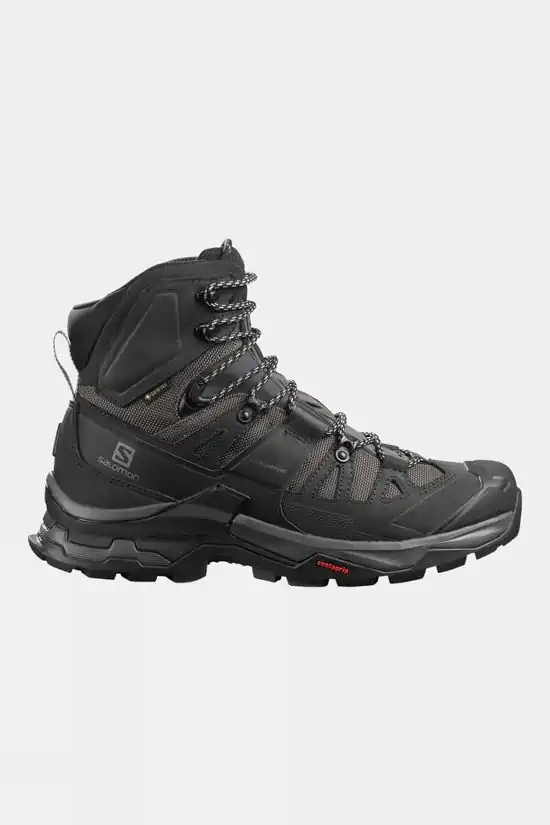
Hiking boots
Supportive and grippy walking boots are key for long hikes and rugged trails. The Salomon Quest 4 GTX boots are built for demanding conditions and multi-day use.

Hiking socks
A good pair of merino-blend walking socks helps keep feet warm and comfortable on long walks. The Bridgedale Merino Hiker socks are a dependable option for various terrains.
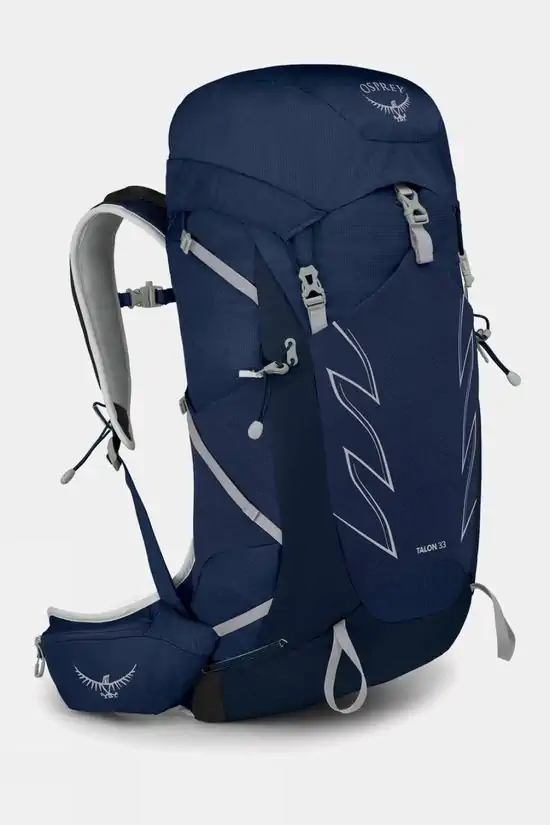
Daypack
A 30-35L daypack is a great size for longer hikes or overnight trips. Packs like the Osprey Talon 33 balance load well and offer good back ventilation.
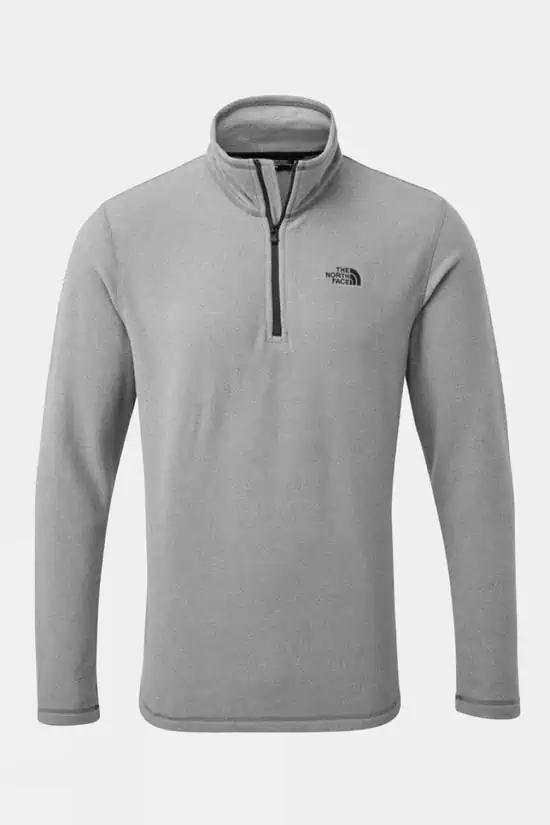
Fleece mid layer
A soft, insulating fleece is great for layering on cooler days. The North Face Cornice II is a sustainable option made from recycled materials.
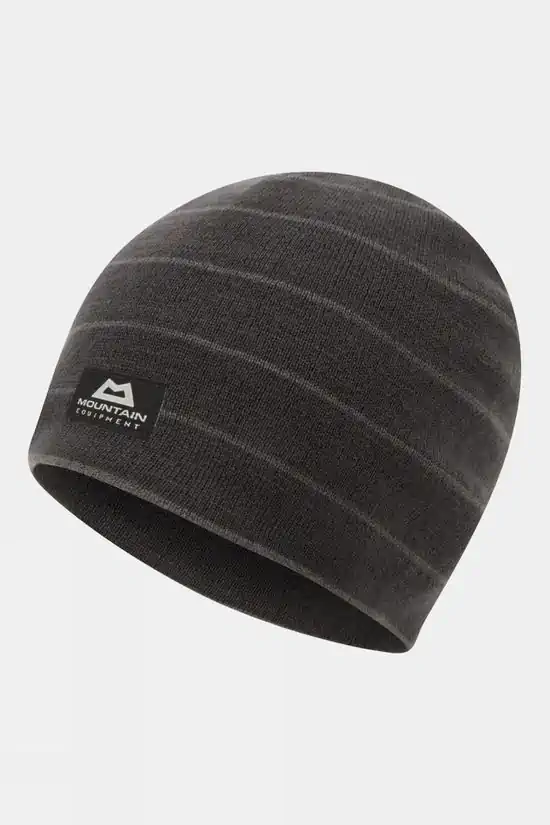
Warm beanie
A warm and comfortable beanie is ideal for cold weather walks or everyday use. The Mountain Equipment Humbolt Beanie fits the bill.

Hydration reservoir
A 2-3L hydration bladder helps you stay hydrated on the move. The Osprey Hydraulics 3L Reservoir is stable, easy to use, and reliable.

Water bottle
A durable, wide-mouth bottle is handy for refilling on the go. Nalgene's Sustain 1L Water Bottle is a classic, perfect for day hikes or longer trips.
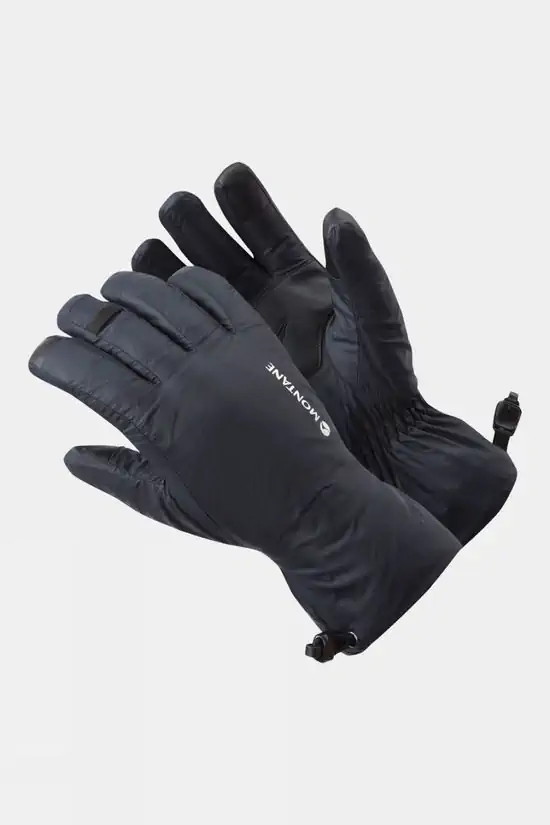
Waterproof gloves
Warm, waterproof gloves are essential for wet and cold mountain days. Gloves like the Montane Respond Dry Line offer protection and dexterity in tough conditions.

Headtorch
A compact and bright headtorch is important for early starts or late finishes. The Petzl Tikka 350L is simple to use and effective for low-light navigation.
Explore our essential kit picks so you're comfortable, safe, and ready for every step. Download the full checklist to nail your packing.
Trip Extensions
Chitwan Trip Extension - Jungle Safari
Chitwan National Park is the perfect way to wind down and relax after your rugged trek to Everest Base Camp. Nestled in the southern lowlands of Nepal, this pristine national park offers a different kind of adventure - one that’s all about wildlife, nature, and tranquility. Here’s why you should consider this amazing extension.
Why Chitwan National Park?
- Rare Wildlife Sightings: Get ready for the awe-inspiring experience of seeing animals like Tigers, Rhinos, Crocodiles, and a variety of bird species in their natural habitat. Chitwan is a wildlife enthusiast’s dream come true!
- Comfortable Accommodation: After the rustic charm of teahouses on your Everest trek, you’ll enjoy the comfort of a lodge and hotel in Chitwan, where you can relax and rejuvenate.
- Jungle Safari: We’ve planned an awesome Jungle Safari that will take you deep into the heart of Chitwan’s wilderness, where you’ll have the chance to encounter incredible wildlife
- Local Guide: You won’t be exploring this wild terrain alone. We provide you with a knowledgeable jungle guide during the safari to enhance your experience and keep you safe.
Thinking this add-on might just be your next big Himalayan upgrade? We hope so!
Select your extension at checkout, or if you’ve already booked your trip just give us a call at 02920 003216, and we’ll take care of the rest.
FAQs
The Everest Three Passes Trek with EverTrek costs between £2,600 and £2,700, depending on your chosen departure date and group size. This includes all accommodation, meals during the trek, permits (including Sagarmatha National Park and TIMS), and full support from our experienced local guides and porters. It’s our most epic Everest adventure, ideal for those looking to go beyond Base Camp.
This trek is classed as challenging and is best suited to trekkers with a good base level of fitness and prior hiking or trekking experience. Expect 5–8 hours of trekking per day, with some long and steep ascents, high passes, and rough terrain.
You’ll cross three dramatic mountain passes:
- Kongma La (5,535m)
- Cho La (5,420m)
- Renjo La (5,360m)
With multiple days at high altitude and some technical trail sections, it’s demanding, but also one of the most rewarding treks in the Himalayas.
We recommend a well-rounded training plan that includes:
- Cardio fitness (walking, running, swimming, or cycling)
- Leg and core strength
- Hiking with a loaded backpack
Aim to train 4–5 times a week in the 3–6 months leading up to the trek. Try to include back-to-back hiking days on uneven terrain, ideally with a backpack of 6–10kg.
You can also join an EverTrek training weekend in the UK (e.g., Snowdonia or the Brecon Beacons) to prepare and meet our team before heading to Nepal.
Most things are covered, but we recommend bringing £20–£45 per day for extras like snacks, hot drinks, Wi-Fi, hot showers, device charging, and tipping. Having small denominations of Nepalese Rupees is useful for buying from local teahouses along the trail.
Yes, hot showers are available at most teahouses in the lower regions of the trek. As you reach higher altitudes, facilities become more basic and hot water may not always be available or may come at an extra cost. Many trekkers switch to wet wipes or flannel washes as it gets colder.
The ideal seasons are:
- Spring (March to May) – Warmer days, blooming rhododendrons, and great visibility
- Autumn (September to November) – Clear skies, crisp air, and incredible mountain views
These periods offer the most stable weather and best trail conditions. We don’t recommend trekking this route in monsoon (June–August) or deep winter (late December–February) unless you’re highly experienced in extreme conditions.
Tipping is customary and a great way to thank your amazing support team. We suggest budgeting around 10% of your trip cost.
For a trek priced between £2,600 and £2,700, a tip of £260–£270 total is a good benchmark. Your lead guide can help advise on how to split this fairly among porters, assistant guides, and other staff.
The trek reaches elevations over 5,500m, so altitude sickness is something to take seriously. To reduce the risk:
- Follow the gradual acclimatisation schedule
- Drink 3–4 litres of water per day
- Avoid alcohol and smoking
- Learn the symptoms: headache, nausea, fatigue, dizziness
- Speak with your GP about taking Diamox (acetazolamide)
- Tell your guide if you feel unwell, our team is trained to help you manage symptoms safely
Yes, there’s a 15kg total weight limit (including your duffel and daypack) on the Lukla flight, which is strictly enforced by the airline.
We also cap individual duffel bags at 15kg to protect the health and safety of our porters. You’ll carry a small daypack with your daily essentials such as water, snacks, layers, sun cream, and your camera.
To stay within the limit, pack light, focus on multi-use gear, and consider buying any bulky items (like snacks or toiletries) in Kathmandu before the trek begins.
To keep things flexible for you, internal flights are arranged directly by our trusted local partner. This means your flights can be tailored to your exact trip dates and adjusted locally if needed - especially useful in destinations like Nepal, where weather or conditions can affect schedules.
It’s a simple process: our local partner will handle everything and reserve your flight and transfers as soon as they receive your details from us (which happens almost instantly after booking). You’ll receive a secure payment link from them closer to your trip - no admin, no hassle, just straightforward local organisation.
While you are free to arrange your internal flights separately, we strongly recommend using our trusted in-country partner.
They will book the correct flight for your trip based on your confirmed itinerary and handle everything, including your airport transfers and any local schedule changes, which are common in destinations like Nepal due to weather conditions.
If you choose to book your flights elsewhere, you’ll also need to arrange your own airport transfers and ensure you arrive at the correct location and time to join the group.
Booking independently may result in mistimed connections or logistical complications that could affect your trip experience. If you are considering this, we ask that you contact us first so we can help you understand the implications.
The internal flights cost approx $450 per person. These are arranged by our trusted local partner, who will ensure your flight matches your itinerary and takes into account any local conditions. You'll receive a secure payment link closer to your trip, and the process is smooth, fully managed, and requires no extra effort from you.
The moment you book your trek, we pass your details to our local team, who reserves your internal flight right away based on your trip dates.
Payment for your internal flight is due no later than 30 days before your trip start date. The payment link will be sent to you by our trusted partner, 2-3 months before your trip start date to pay.
Once payment is made, you'll receive a receipt confirming it’s been received. There’s nothing else you need to do - it’s a simple, stress-free process handled by the same team supporting your trek on the ground.
Refunds for internal flights are handled by our local partner, as the flight is booked directly through them and not included in your EverTrek package.
If you cancel your EverTrek trip more than 90 days before your departure, no internal flight payment will have been collected, and no action is required.
If you cancel after payment has been made, and this is within 90 days of your departure, the internal flight payment is non-refundable, as tickets will have already been issued and are non-transferable.
If you need to change your trip dates, we’ll notify our local partner on your behalf after our agreement to a trip reschedule .
- Changes made 91+ days before departure can usually be accommodated at no extra cost.
- Changes within 90 days are reviewed case-by-case by our partner and may incur additional charges depending on airline policies.
In destinations like Nepal, internal flights can occasionally be affected by weather or local conditions. That’s exactly why we work with experienced in-country partners - they’re on the ground, fully connected with local airlines, and best placed to act quickly if plans need to change.
By having your flight handled locally, you get faster rebooking, better communication, and real-time support - all without having to do a thing. It’s one of the key benefits of using our trusted partner and ensures your trip stays on track with as little disruption as possible.