WhatsApp us



 Best Sellers
 Bucket List Adventures
 Short Trips
 Training Weekends
 Epic Peaks
 Remote Adventures
 Hardcore Challenges


Ultimate Mera Peak Expedition

Download the full Trip Guide

Download the full Trip Guide
What’s Included?
Meals
All meals on the trek, plus welcome & farewell dinners.
Accommodation
5* hotel before & after; cosy teahouses on the trek.
Guides, Porters & Permits
Experienced expert (English speaking) guides, porter support, and all permits sorted.
Free Equipment Hire
Winter sleeping bag & down jacket (worth £110) - free to borrow.
In-Country Transfers
Airport welcome & hotel transfers, then back to the airport at the end.
Free EverTrek Gear
80L duffel, t-shirt, cap & map to keep and a post-trip medal.
What's included?
-
Airport welcome & transfer to hotel
-
Transfer to airport and farewell
-
5* accommodation in Kathmandu with breakfast
-
Shared accommodation is standard across all trips: solo trekkers will share twin rooms with another same gendered trekker.
-
Highly experienced climbing and trekking guides
-
FREE 80ltr EverTrek duffel bag
-
All meals (breakfast, lunch and dinner) during the trek
-
Filtered water on the entire trek (Save on plastic bottles)
-
EverTrekker T-shirt & Neck Buff, cap and map
-
Full-day guided city tour
-
Welcome and farewell dinner at one of the best Nepalese restaurants with some traditional Nepalese dancing and music
-
All Trekking and mountain permits
-
All accommodation whilst on trek (Lodge/Tea house) - shared rooming
-
Fresh fruit after dinner
-
Tea/Coffee
-
All required local and government taxes
-
3 days on camp during the climbing
Shared accommodation is standard across all trips: solo trekkers will share two-person tents with another same gendered trekker. -
Porters (One porter for each 2 members)
-
EverTrek Trip Planner App
-
Oximeter & Heart Rate Monitor - carried by the guides
-
Exclusive Partner discounts from Osprey, Ellis Brigham, The altitude Center and many others.
What's not included?
-
International flight to Kathmandu
-
Internal Flights & Domestic Transfers
-
Nepal arrival visa (Circa $40)
-
Single room Supplements (only available in Kathmandu)
-
Meals in the city except for breakfast and other special meals
-
Personal expenses including mineral water, and alcoholic drinks and beverages
-
Climbing gear (Harness, ice axe, rope, Ascender) We will help you to hire these if required
-
Tips for guides and porters (budget 10% of a trip cost)
-
Your travel insurance that covers Helicopter evacuation
-
Any other extended trips and accommodation
Why choose us for this adventure?
We include premium features that other providers charge extra for or don't offer at all.


The EverTrek Difference
We go the extra mile – before you even hit the trail!
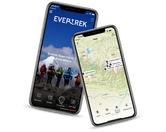
Trek Planning Tools
Get access to our mobile app with maps & countdown.
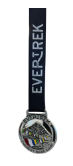
EverTrekker Medal
As a special thank you for completing your trek, a Yeti will arrange for you to receive an EverTrekker Medal. Perfect to show off to your friends!
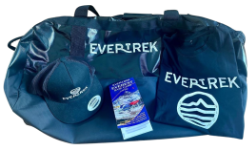
EverTrek Goody Bag
Once you arrive in Nepal you'll receive a goody bag with a free duffel bag, cap, trip map, T-shirt, and a branded EverTrek buff. You'll really look the part!
Download the full Trip Guide
Find out all of the awesome details about the trip and download the full guide and walkthrough right here.
Download the full Trip Guide
Find out all of the awesome details about the trip and download the full guide and walkthrough right here.

Sustainable Tourism
Because we only use local guiding teams it ensures your trip directly benefits the local mountain communities.
Trip Highlights
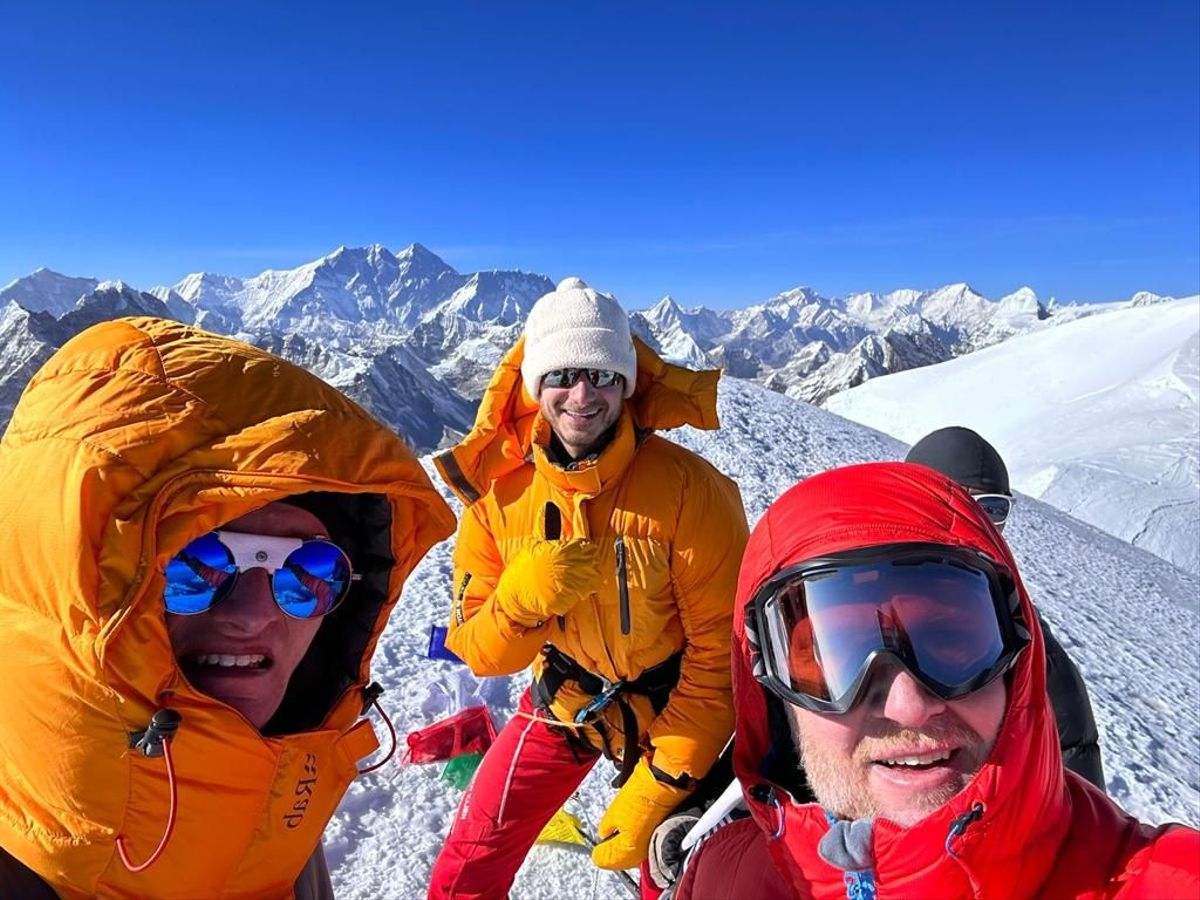
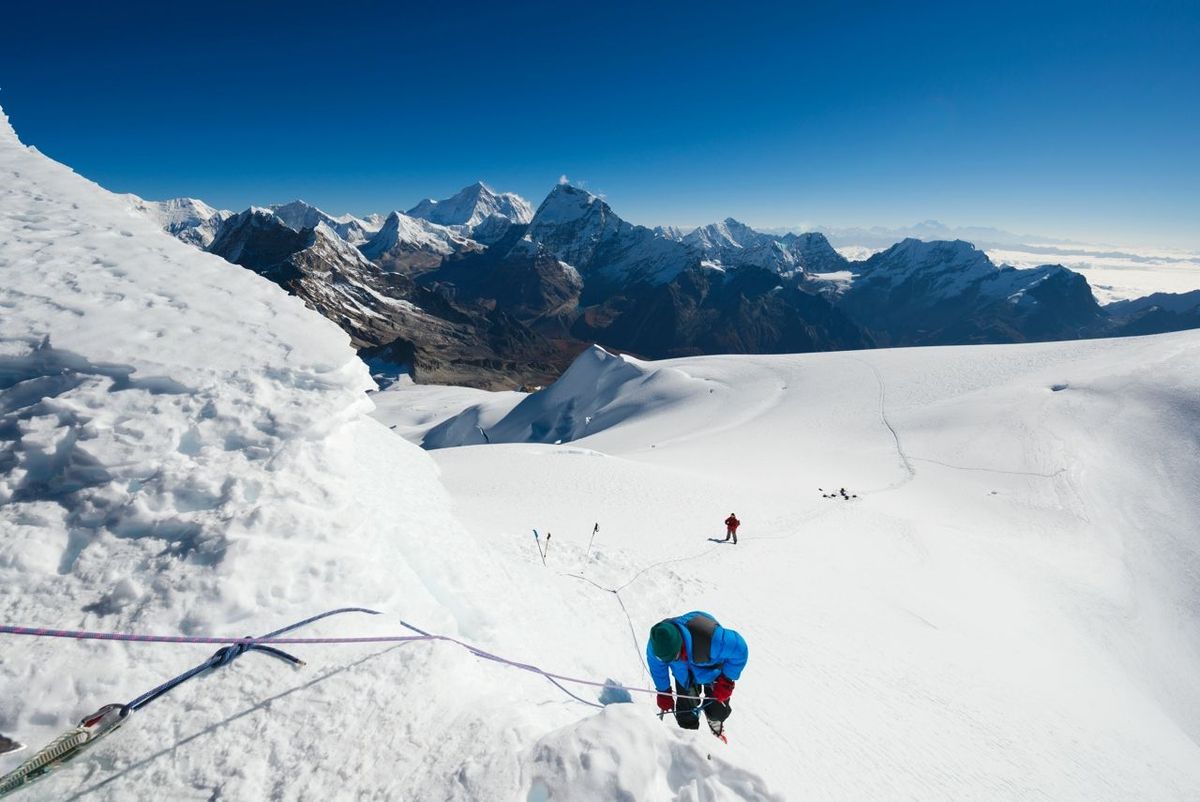
Summit Nepal’s highest trekking peak, with panoramic views of five 8,000m giants from the top.
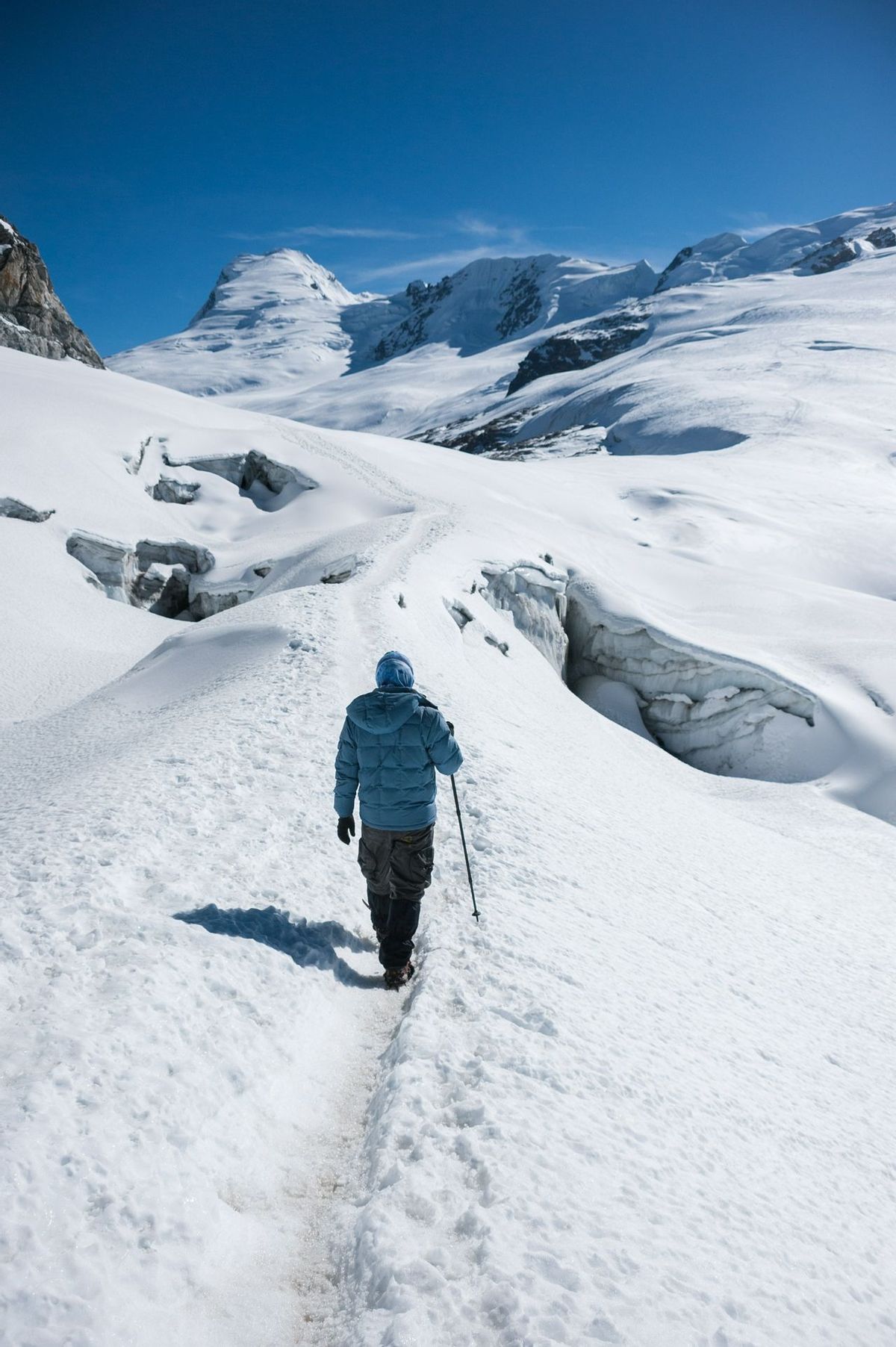
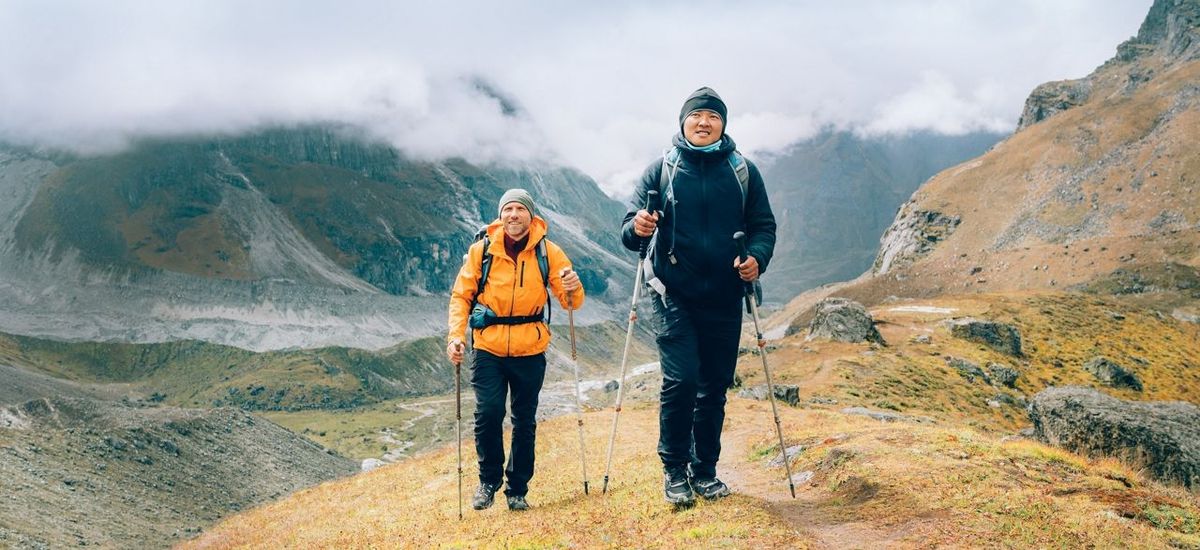
Cross high alpine ridges and glaciers, as you ascend into the quiet solitude of big mountain country.
Follow remote Himalayan trails through rhododendron forests, yak pastures, and untouched Sherpa villages.
Camp beneath star-strewn skies, where the only noise is the wind whispering across the ridgelines.
Capture epic summit-day moments, from sunrise over Everest to standing tall at 6,476m.
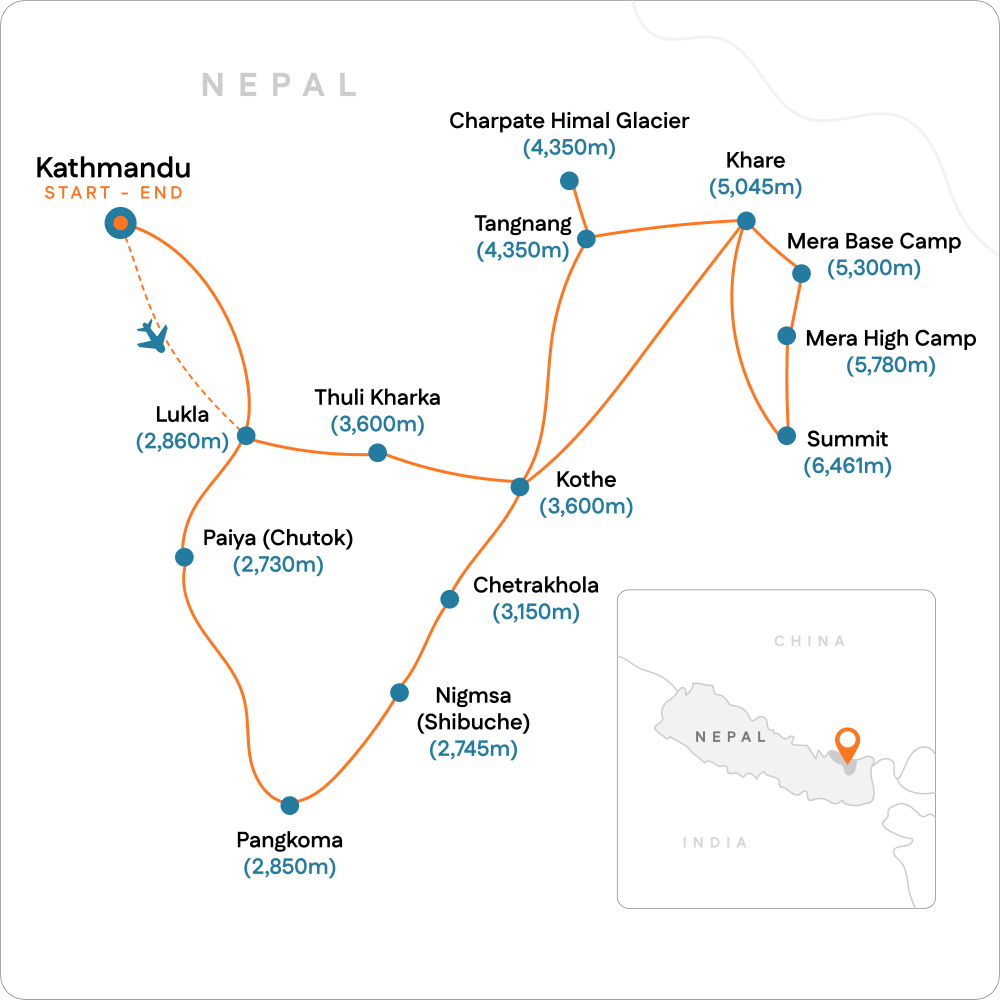
19-Day Ultimate Mera Peak Expedition Itinerary
Welcome to Nepal. Today is your first day with EverTrek.
We will pick you up at the Tribhuvan International Airport in Kathmandu and transfer you to the hotel in Thamel. We will also catchup with the rest of the group before we meet in the evening for our welcome dinner at one of the finest, local Nepali restaurants in Kathmandu. Time for some local dance and some amazing Nepali food.
Meals included: Dinner
(Highlights of the day: Arrive in Kathmandu! Welcome dinner with some local food and dancing )
Today we will head out into Kathmandu and visit the cultural and historical sites of the Kathmandu valley.
We will visit the UNESCO World Heritage Sites in Kathmandu and have lunch at one of our favorite viewpoints in the city. Kathmandu lies at 1300m above sea level so it’s important to get out and about today and let your body acclimatise. In the evening we will grab any last minute items in the trekking hub of Thamel and get an early night ready for the trek tomorrow.
Meals Included: Breakfast
*Something to note*
Due to ongoing development and important maintenance at Kathmandu Tribhuvan Airport, your flight to Lukla may be rerouted to Ramechhap Airport. This is because the Civil Aviation Authority of Nepal (CAAN) ruled that flights to and from Lukla during the 2019 post-monsoon season would operate through Ramechhap rather than Kathmandu. This action has been prolonged longer than expected and the CAAN is looking at permanently moving all flights that go to Lukla from Ramechhap. While some flights will certainly still go from Kathmandu, they are not always guaranteed, even when booked in advance and can be subject to unplanned and prolonged delays.
If flying to Lukla from Ramechhap Airport, the journey to Ramechhap will start on day two of your itinerary. After a part-day tour of Kathmandu, you will drive for approx. four to five hours to the town of Mulkot where EverTrek will provide accommodation and your evening meal. As with all Nepalese roads, the journey will be a bumpy one, but it’s necessary to ensure your dream of Base Camp becomes a reality! It will be an early start on day three, as you wake up at 3:30/4:30 am and take a short 30-minute drive to the airport. The flight to Lukla is shorter from Ramechhap than from Kathmandu which means we can monitor the weather windows with greater accuracy. EverTrek will get you on one of the first flights to Lukla where you can have a hearty breakfast and celebrate the start of your trek!
On the return journey, you will fly from Lukla to Ramechhap and then take the long bumpy adventurous drive back to Kathmandu. The traffic going into Kathmandu can be severe, so this may take approximately six to seven hours (with breaks for food and a stretch).
Although this has been an enforced change for everyone from CAAN, our ultimate aim is to get you on the trek safely and to make it to Everest Case Camp so we have made plans to make sure there will be as minimal disruption as possible. We will provide all the additional staff and accommodation for the diversion, absolutely no cost will be passed onto you, our awesome EverTrekkers, but we do ask for your patience with the potential change with the itinerary.
You can find more information in our Knowledge Centre article, here.
(Highlights of the day: Visiting Centuries-old cultural, historical & religious sites around Kathmandu including World Heritage Sites like Kathmandu Durbar Square, Pashupatinath Temple, Swyambhunath and Boudhanath. An awesome day!)
*note* See day 2 notes on Ramechhap or read more information here.
We will grab an early flight to Lukla airport. It all starts here! The flight to Lukla is one of our favourite parts of the trek. Landing at the Tenzing-Hillary Airport at Lukla is on many peoples Bucket List upon landing we will meet the remaining crew members, who will be assisting us throughout the trek. We will descend down towards Surke through the jungle. The trail then continues through traditional mountain villages before reaching Paiya where we will spend the night. Overnight in a tented camp at Paiya.
Meals included: Breakfast, Lunch, Dinner
(Highlights of the day: The flight from Kathmandu / Ramechhap to Lukla. Take in the amazing views of the Himalayan mountains. Walk through the traditional Sherpa villages and through forests of birch, pine, fir and rhododendron.)
Pangkoma is the destination set for the day.
After a hearty breakfast we will depart Paiya and walk down to the wooden bridge and trail leading up to Kari La Pass. After crossing the pass, the narrow mountain trail leads us to the beautiful village of Pangkoma. The night will be spent at a lodge in Pangkoma.
Meals included: Breakfast, Lunch, Dinner
(Highlights of the day: Stunning views of the Dudhkoshi River Valley and Dudh Kund Himal, mountain trail surrounded by rhododendron and bamboo forests and the beautiful Sherpa village of Pangkongma.)
Nigmsa is the destination set for the day.
After breakfast we will follow the rocky path that first leads us through the rhododendron forest and continues through the hills and mountain ridges. Here we can enjoy the views of the south face of Mera Peak. We then walk down to the village for lunch and continue on a zigzag route trail through the pine forest and descend to get to our destination for the day, Nigmsa. The night will be spent in a tented camp at Nigmsa.
Meals included: Breakfast, Lunch, Dinner
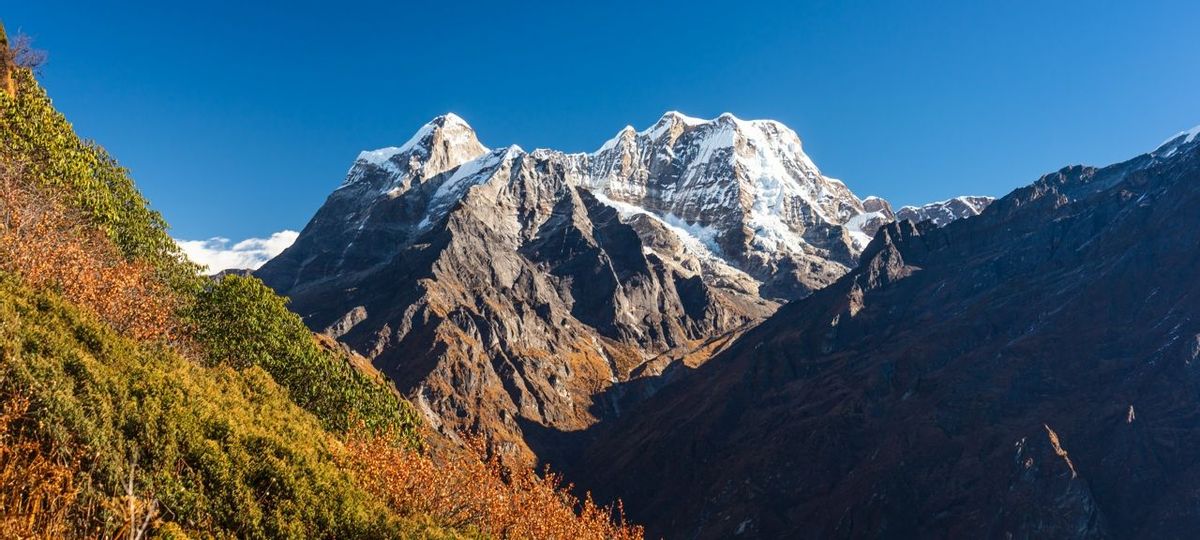
(Highlights of the day: Gripping views of the southern face of Mera Peak and Naulekh Peak from the trail ridge)
Chetrakhola is the destination for the day.
After leaving the village of Nigmsa, the trail starts to get steep and narrow. As we cross the local stream and walk through the rhododendron forest we might get a chance to see some local wildlife. We will eventually get to our destination for the day, Chetrakhola. The night will be spent in a tented camp at Chetrakhola.
Meals included: Breakfast, Lunch, Dinner
(Highlights of the day: Steep and Narrow trails. Chance to see some local wildlife)
Kothe is the destination for the day.
We get up nice and early and head for the village of Kothe. First we reach the awesome viewpoint of the Hinku Valley. Take in the views and the mountains around. The trail is still narrow and we navigate through the local forest once more. Once again you may spot some local wildflie including the sloth bear and jungle cat. We will eventually reach the village of Kothe. The night will be spent at a lodge in Kothe.
Meals included: Breakfast, Lunch, Dinner
(Highlights of the day: Holy cave lined with wood that shows the three elements of Buddha- Padmashambav, Shyakyamuni Boudha and Chhirenji, beautiful views of Mera Peak- north, central and south and the Hinku Valley.)
Tangnag is the destination for the day.
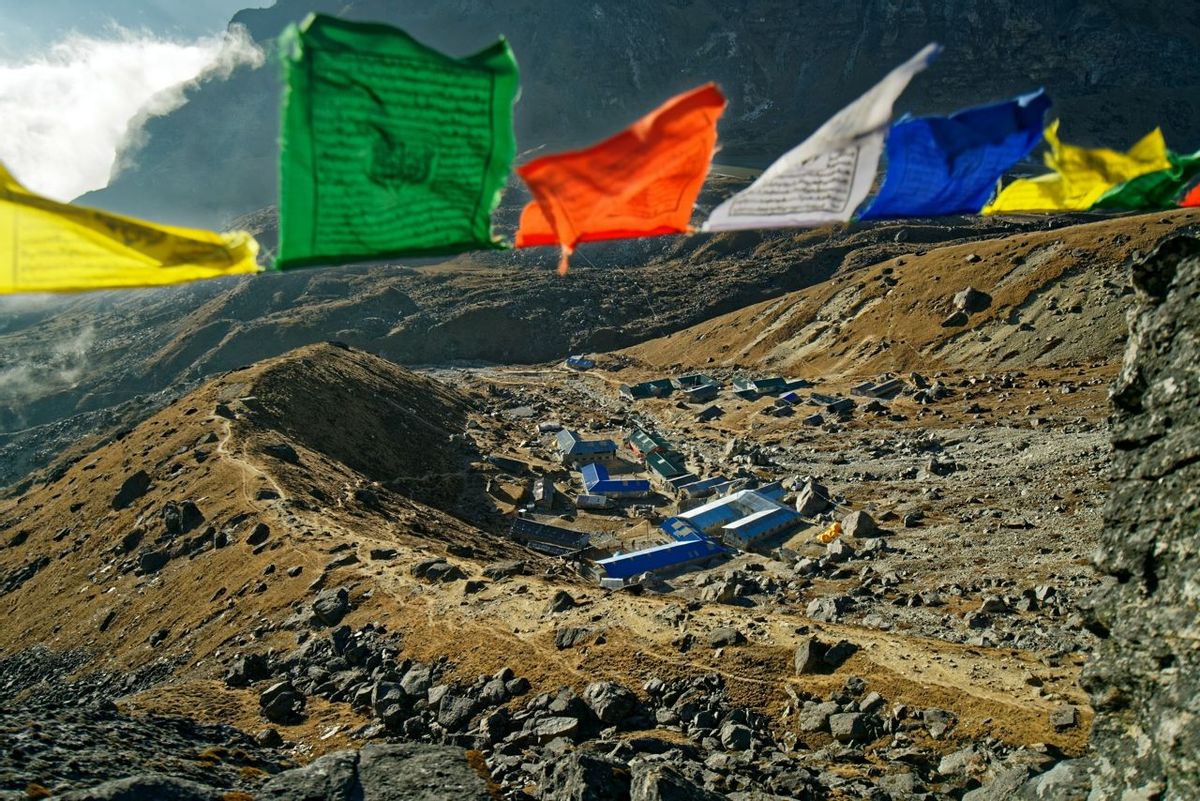
This is a superb place to enjoy the views of the beautiful Mera North. Tangnag is a summer village with primitive lodges and just a few tea houses and is only 3-4 hours away from Kothe. Leaving Kothe, the route ascends gradually along the ridge of the Hinku River. We stop for lunch at Gondishung and then pay a visit to a 200 year-old Lungsumgba Gompa, which is on the way to Tangnang. We spend some time exploring the monastery. A short walk from the monastery will take us to Tangnag. The night will be spent at a lodge in Tangnag.
Meals included: Breakfast, Lunch, Dinner
(Highlights of the day: Awesome views of Mera North, a visit to a 200 year old monastery that exhibits a beautiful Mera Peak and a route to Mera peak scripted on a rock and the summer grazing area of Tangnag)
We will spend today acclimatising as we are reaching some serious altitude.
We will hike up to the Charpate Himal Glacier which should take us around three hours or so. Upon reaching the top you will see the views of the Mera North Peak and glacier. After spending some time here letting our bodies adjust we will descend back to the camp site at Tangnag. The night will be spent in a tented camp at Tangnag.
Meals included: Breakfast, Lunch, Dinner
(Highlights of the day: Close view of Charpate Himal, which is a holy mountain also worshipped by traditional Sherpas, amazing views of Mera North Peak and the glacier.)
Khare is the destination set for the day.
We now head east towards Khare and follow the glacial moraine of the Dig Glacier to a pasture called Dig Kharka. This rugged and challenging trail leads us to the Shar Glacier. From here the route is steep but we will press on until we reach the campsite at Khare. The views here are immense and what a place to spend the night. The night will be spent in a tented camp at Khare.
Meals included: Breakfast, Lunch, Dinner
(Highlights of the day: Great views of Charpate Himal and the north face of Mera Peak, view of Dig glacier and Shar glacier)
Mera Base Camp is the destination of the day.
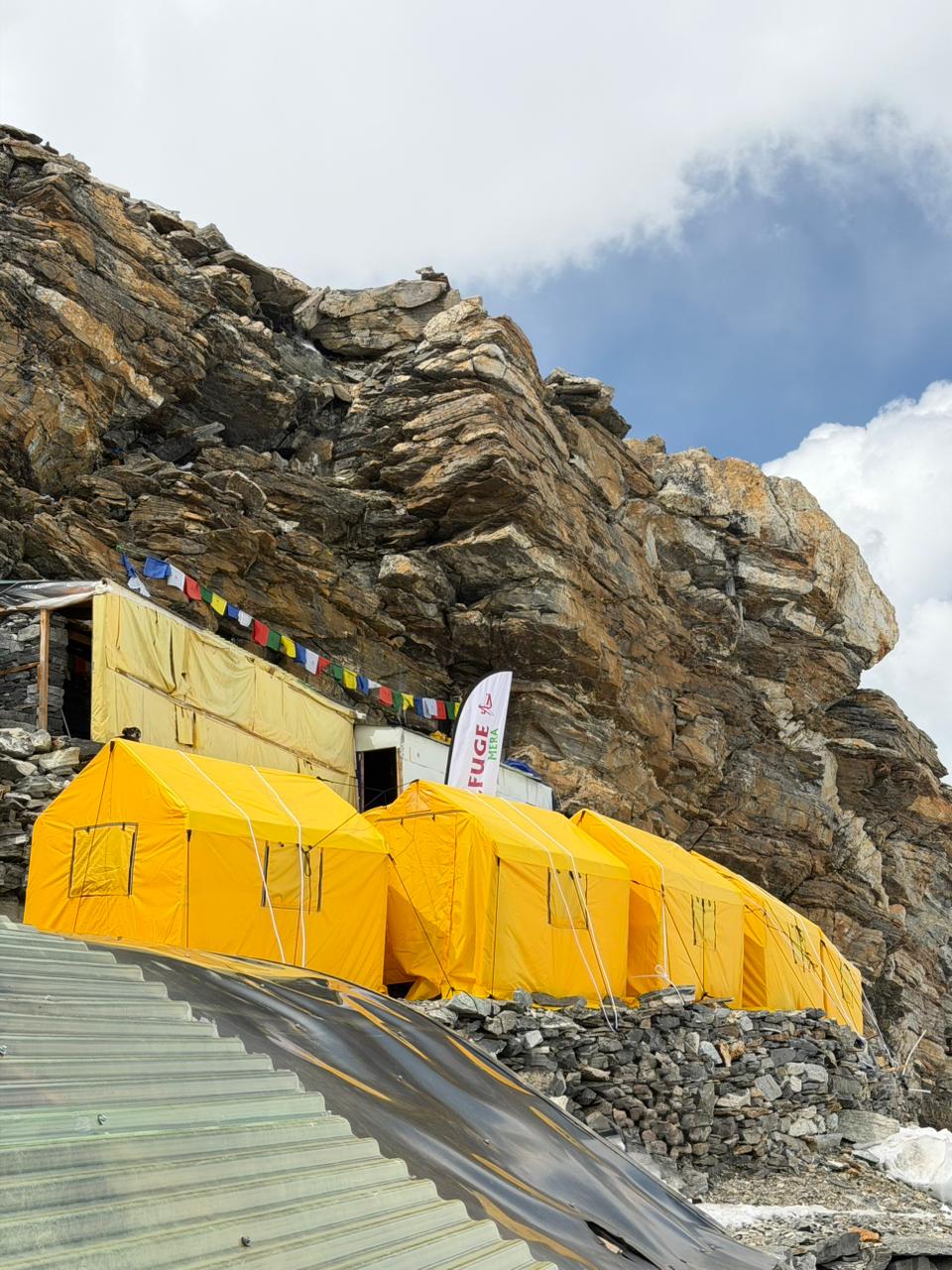
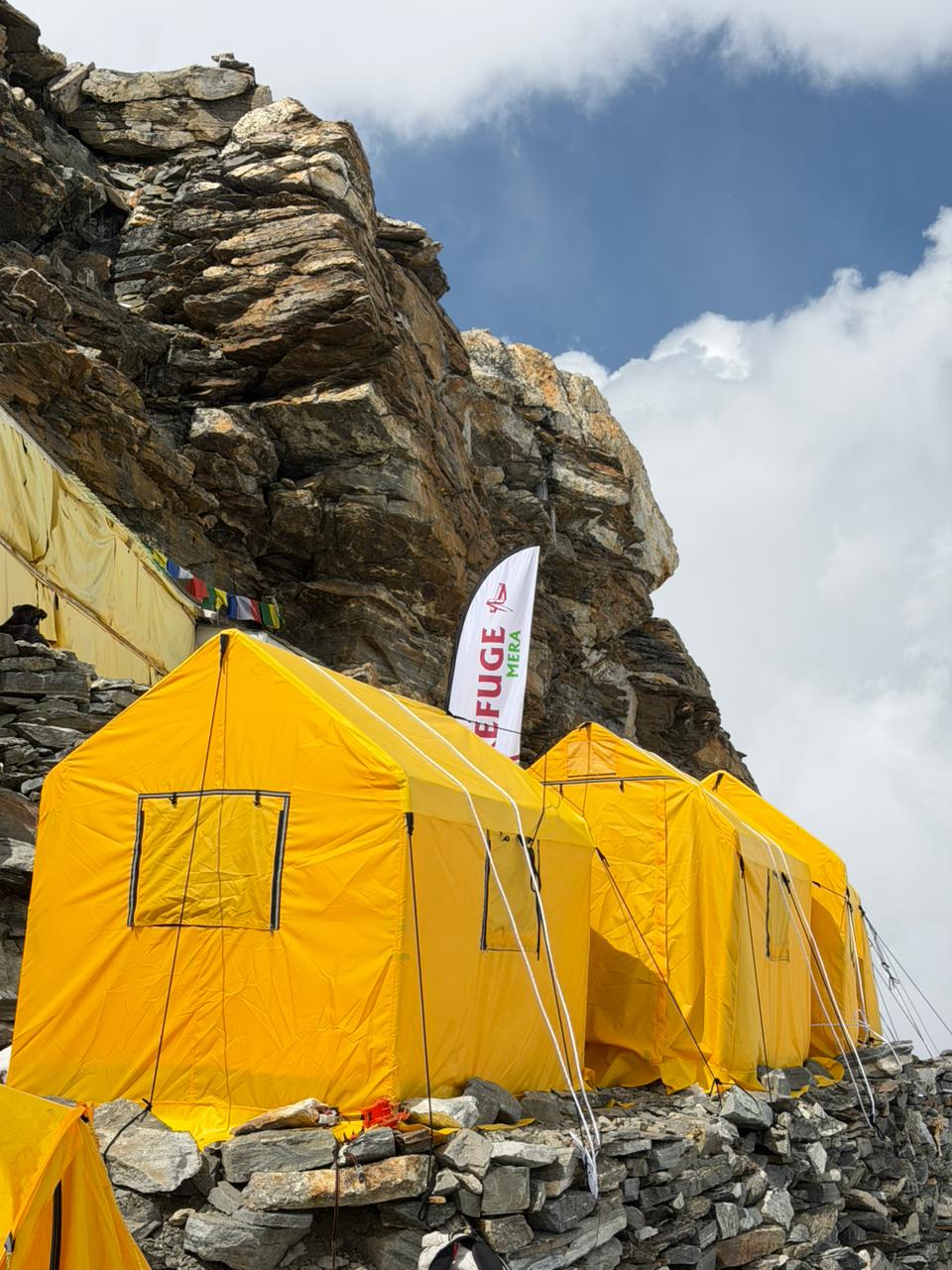
Today leaving Khare, we head towards the Mera Glacier up to the Mera La Pass. Its an exciting climb and the superb views from the pass are simply breakthtaking. We make a short ascent to set up our camp. We also have time to get some rope and winter skills practice which our climbing guide will go through with you. We will spend the rest of the time relaxing and preparing the muscles for the next day’s walk. The night will be spent in a tented camp at the Mera Peak Base Camp.
Meals included: Breakfast, Lunch, Dinner
(Highlights of the day: The steep route towards the Mera Glacier, the magnificent surrounding views from the Mera La Pass.)
We are so close.
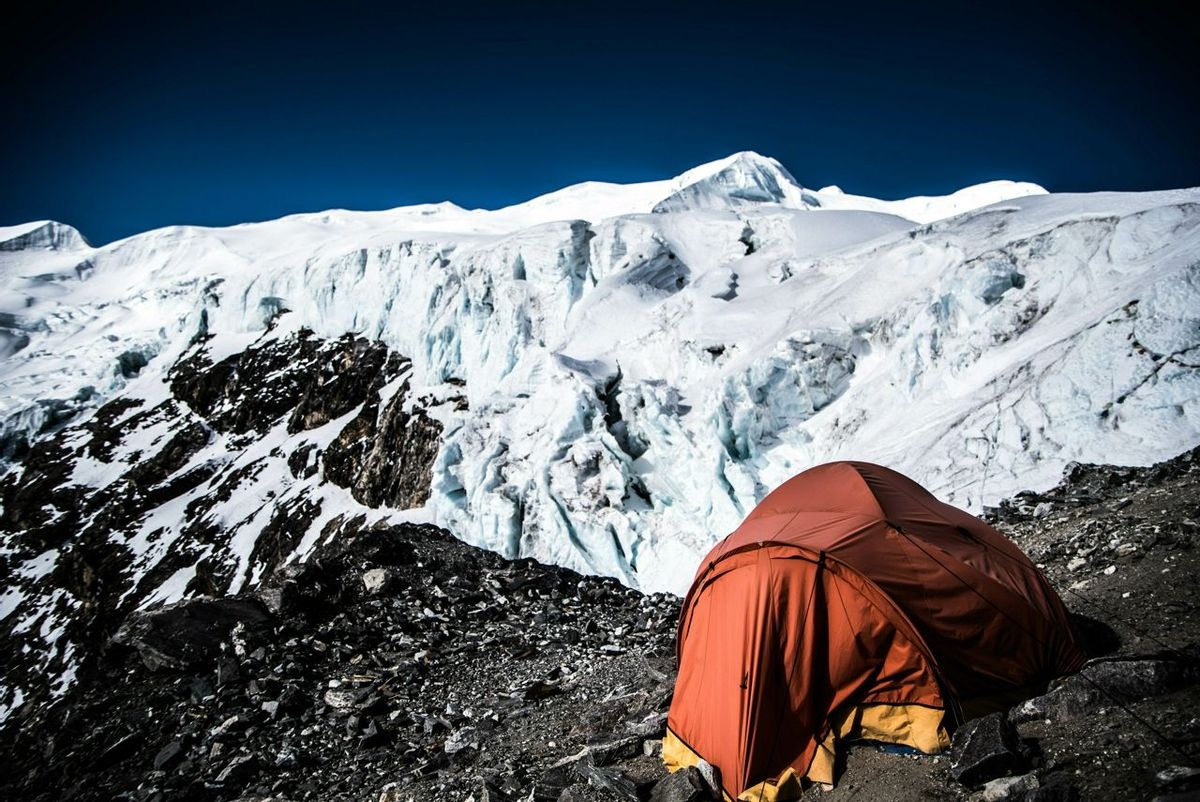
The summit is not far away at all. Today we will head to the High Camp of Mera Peak. Departing base camp we continue our ascent of the north face of Mera peak to a spectacular porch nestled just below the cairn where we will set up our high camp. The trail is rock-strewn for about two hours before we reach our destination. After camp is set up we will relax and save our energy for the big day tomorrow. The ascent of Mera Peak. The night will be spent in a tented camp at the high camp.
Meals included: Breakfast, Lunch, Dinner
(Highlights of the day: Stunning views of 8000m peaks, Mt. Everest, Makalu, Cho Oyu, and the south face of Lhotse, Nuptse, Chamlang and Baruntse and the sunset view over these mountains.)
Summit day!
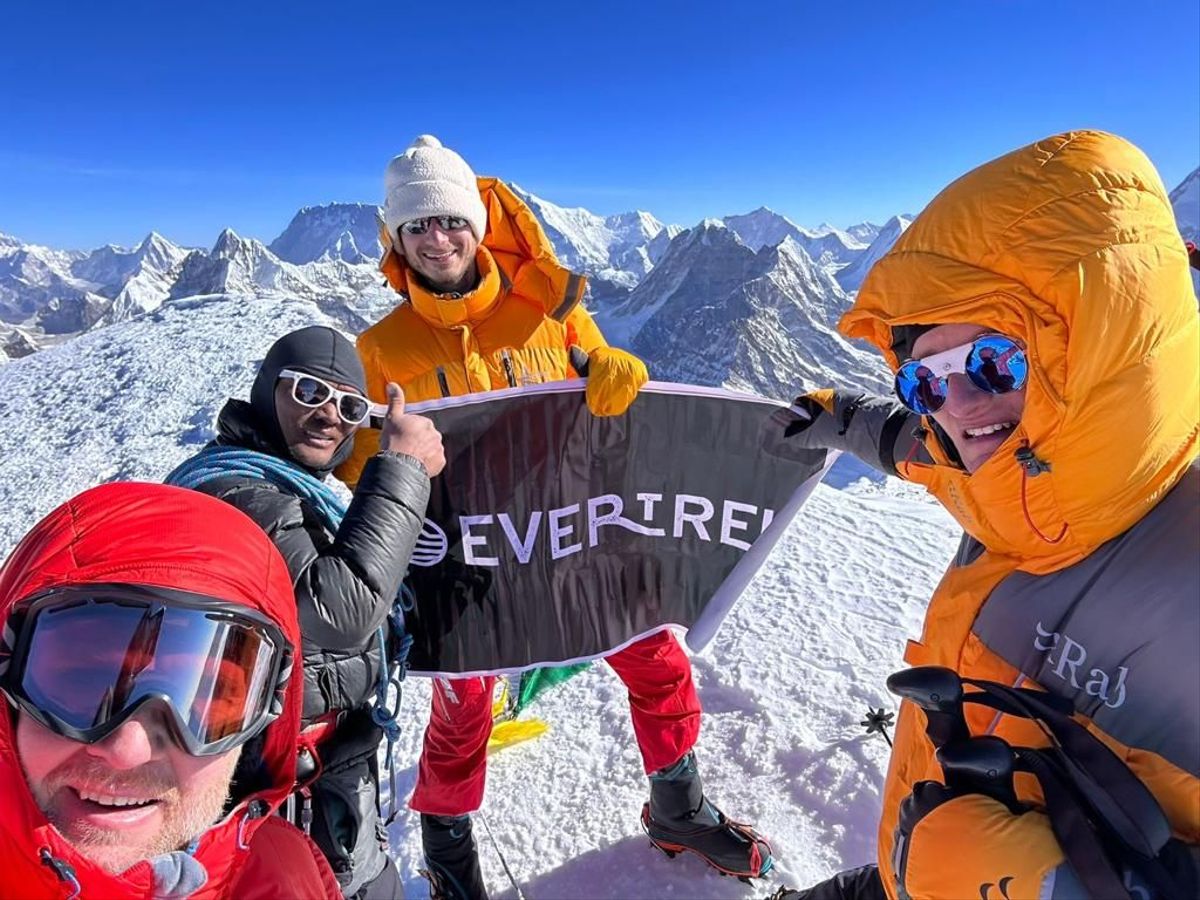
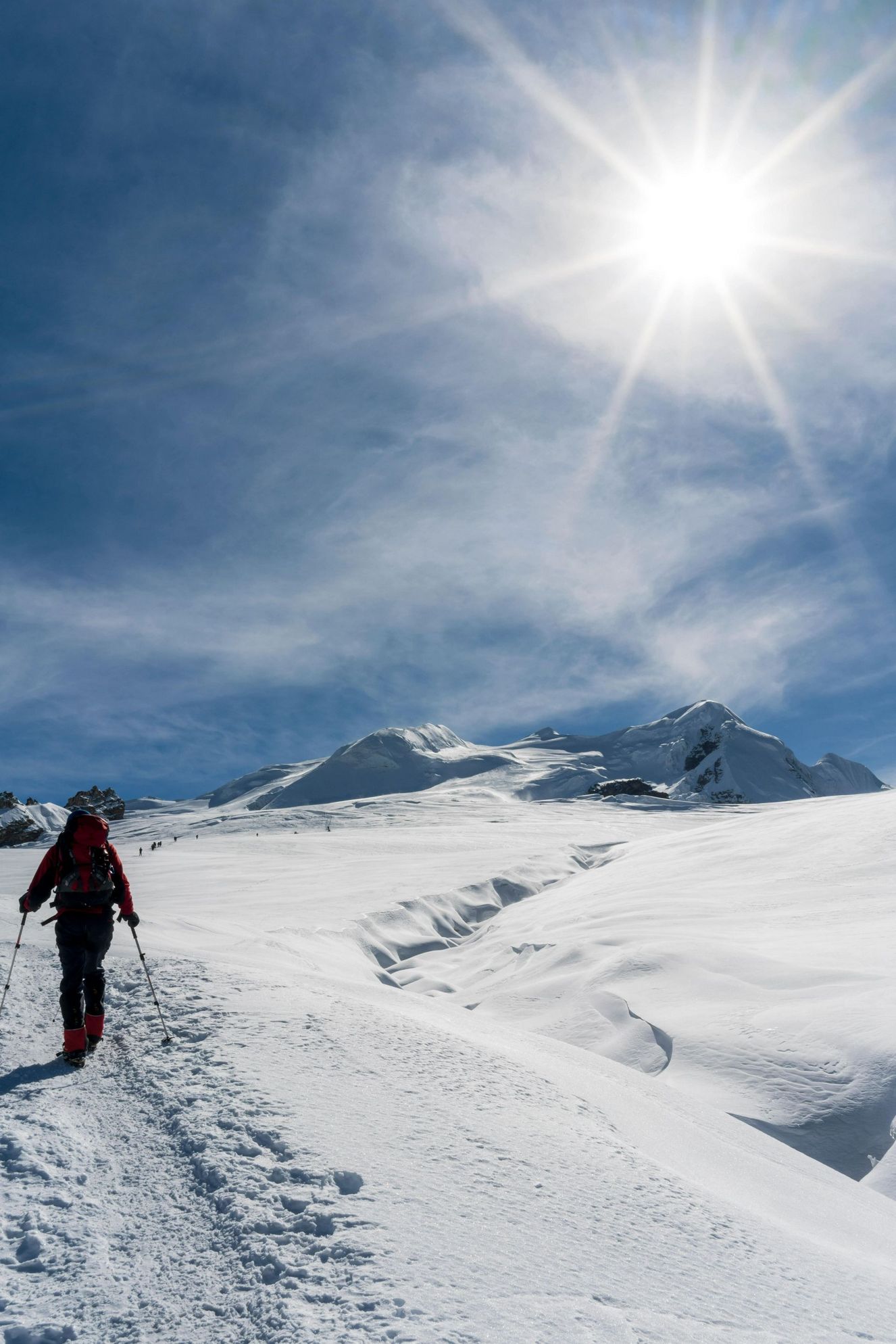
We normally start our ascent at around 2:30 am where we will get our equipment ready and our crampons on. After about a 4-5 hour journey and with tired legs you will reach the summit of Mera Peak. You did it! 6000m peak ticked off the Bucket List. We take some photos and enjoy the moment before we descend back to high camp for lunch and then continue down till Khare. Overnight in a tented camp at Khare.
Meals included: Breakfast, Lunch, Dinner
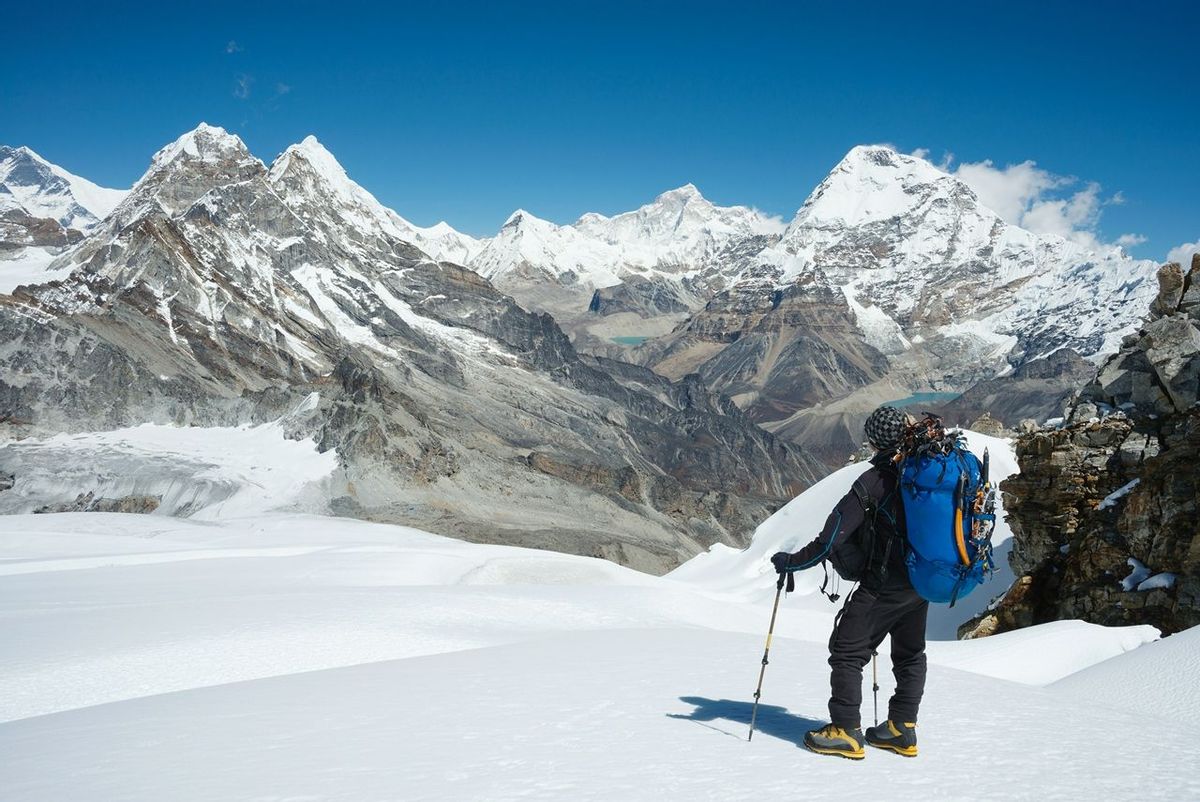
(Highlights of the day: Mera Peak summit and awesome views of Mt. Everest, Cho Oyu, Lhotse, Makalu, Kanchenjunga (over 8,000m) Nuptse, Chamlang, Baruntse (over 7000m), Ama Dablam, Kangtega and other peaks.)
Weather in the Himalayas can be a challenge.
Sometimes, due to unfavourable weather conditions, we might not be able to summit Mera Peak so today is a contingency day. If everything goes well, this day can be cut off from the itinerary.
Meals included: Breakfast, Lunch, Dinner
Kothe is the destination for the day.
We retrace our footsteps back to the village of Kothe. Once again we get a chance to enjoy the views of the valley, the glaciers, the rocky paths and the summer settlement before reaching Kothe. Time for a celebration tonight as we try the local beer and enjoy the summit success. Overnight at a lodge in Kothe.
Meals included: Breakfast, Lunch, Dinner
Thuli Kharka is the destination for the day.
We leave the harsh rock terrain and make our way towards Thuli Kharka. You can almost taste the extra oxygen in the air as we reach this lush landscape. We once again follow the Hinku River ridge trekking down towards Tashing Ongma and then leaving the river ridge walk up towards the Thuli Kharka. We are greeted with a grand view of Mera peak at this place. Overnight at Thuli Kharka.
Meals included: Breakfast, Lunch, Dinner
(Highlights of the day: Great views of Mera Peak-North, Central and South from Thuli Kharka.)
Lukla is the destination for the day.
We hike for about 2 hours upwards fromThuli Kharka to Zatrwa La Pass. As we traverse the pass, leaving the Makalu Barun National Park behind, we are welcomed with a grand view of the Lukla Valley. This is an easy, straightforward walk which will take us to the village of Lukla. The night will be spent at a lodge in Lukla.
Meals included: Breakfast, Lunch, Dinner
(Highlights of the day: Great views of the Lukla Valley, Cho Oyu, Kongde RI, Nambur Himal, Kusum Kangru and other towering peaks of the Khumbu region)
We finally leave the mountains after an amazing life changing trip to Mera Peak.
Our porters will carry your luggage to the airport where we have our final farewell. Once the plane lands at the airport, we will directly board the plane and fly back to Kathmandu* early in the morning, enjoying the scenic view once again from the sky. A private vehicle will be awaiting our arrival in Kathmandu Airport, which will safely escort you to the hotel. In the evening, we meet for some time to discuss your trek and get feedback. The night will be spent at a hotel in Kathmandu.
*Important to note*
As with your first flight to Lukla, this journey may also be via Ramechhap Airport rather than Kathmandu. Once your short flight lands at Ramechhap, the journey then to Kathmandu will be the long and bumpy drive back to Hotel Aloft, stopping for breaks along the way. This drive, dependent on traffic, will likely be between 5-7 hours.
You can read more information about flying to and from Lukla via Ramechhap, here.
Meals included: Breakfast
(Highlights of the day: Wonderful aerial view of the terrain from the plane, hotel in Kathmandu)
Today is the last day of your trip in Nepal with EverTrek.
What a journey its been! We will transfer you to Kathmandu airport and bid you a farewell and a high five on a job well done.
Want to extend your adventure?
Once your trek is finished, why not relax and explore a rarely visited part of Nepal on our 3 Night tour of Chitwan national park.
Read more about this incredible extension - View the full itinerary here!
Departure Dates & Prices
Saturday 17th October 2026 –
Wednesday 04th November 2026
£3,150pp
 Available


Important Information
Minimum Group Size Requirement
This trip requires a minimum of 4 EverTrekkers for it to be confirmed. We’ll let you know at the time your final balance is due (6 months before the trip) whether the trip is going ahead or if the minimum group size hasn’t been met. We strongly recommend avoiding any non-refundable costs (such as flights or additional accommodation) until you’ve received confirmation that your trip is guaranteed. Please note our payment terms for this trip requires you to pay your final balance 6 months before your trip date. For further details, please read our Minimum Number Terms & Conditions
Make Your Trip More Affordable
With our interest-free monthly payments (available on plans up to 18 months for trips booked 8+ months in advance) your dream trip just got more affordable and hassle-free.
Food & Accommodation on Your Ultimate Mera Peak Expedition
The Mera Peak climb is the ultimate remote mountain experience in Nepal. Unlike the busier Everest Base Camp route, this adventure dives deep into quieter valleys, traditional villages, and ends on a high with a 6,476m summit. You’ll be spending nights in everything from local teahouses to full-on high-altitude tented camps and tucking into hearty meals that’ll keep you climbing strong.
Your Accommodation Overview
- 5* hotel before & after
- Twin-share rooms/tent
- 3 meals daily on trek
- Treated water (not available in certain areas)
Accommodation on Your Mera Peak Expedition
From Kathmandu comfort to rugged ridges and glacial base camps, here’s what to expect when it comes to sleeping on the trail.
| Nights | Location | Type | Room Type |
|---|---|---|---|
| 1-2 | Kathmandu | 5* Hotel Aloft | Twin-share, En-Suite |
| 3-11 | Trekking Region | Teahouse/lodge | Twin-share |
| 12 | Mera Peak High Camp | Tented Camp | Twin-share tent |
| 13-17 | Trekking Region | Teahouse/lodge | Twin-share |
| 18 | Kathmandu | 5* Hotel Aloft | Twin-share, En-Suite |
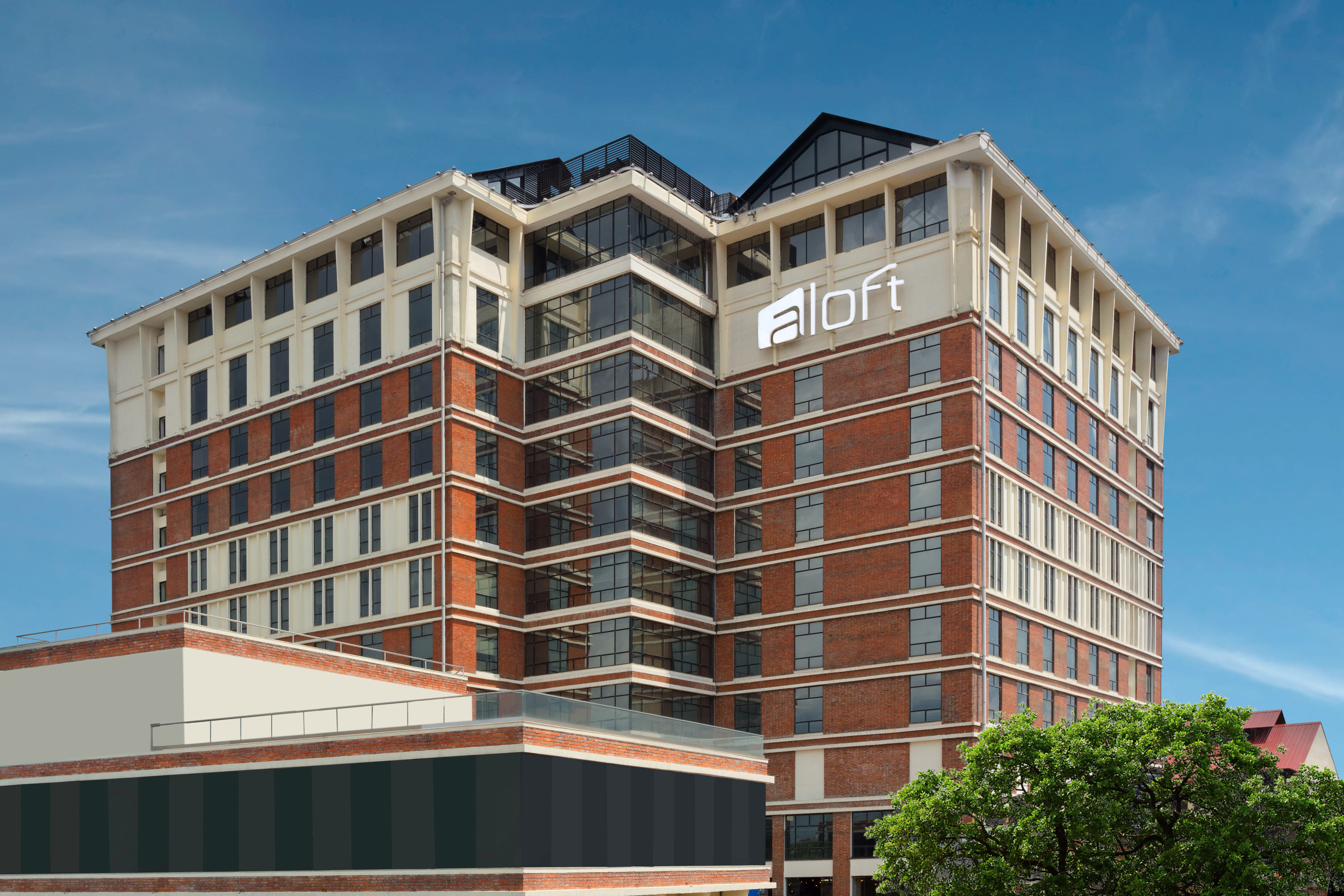
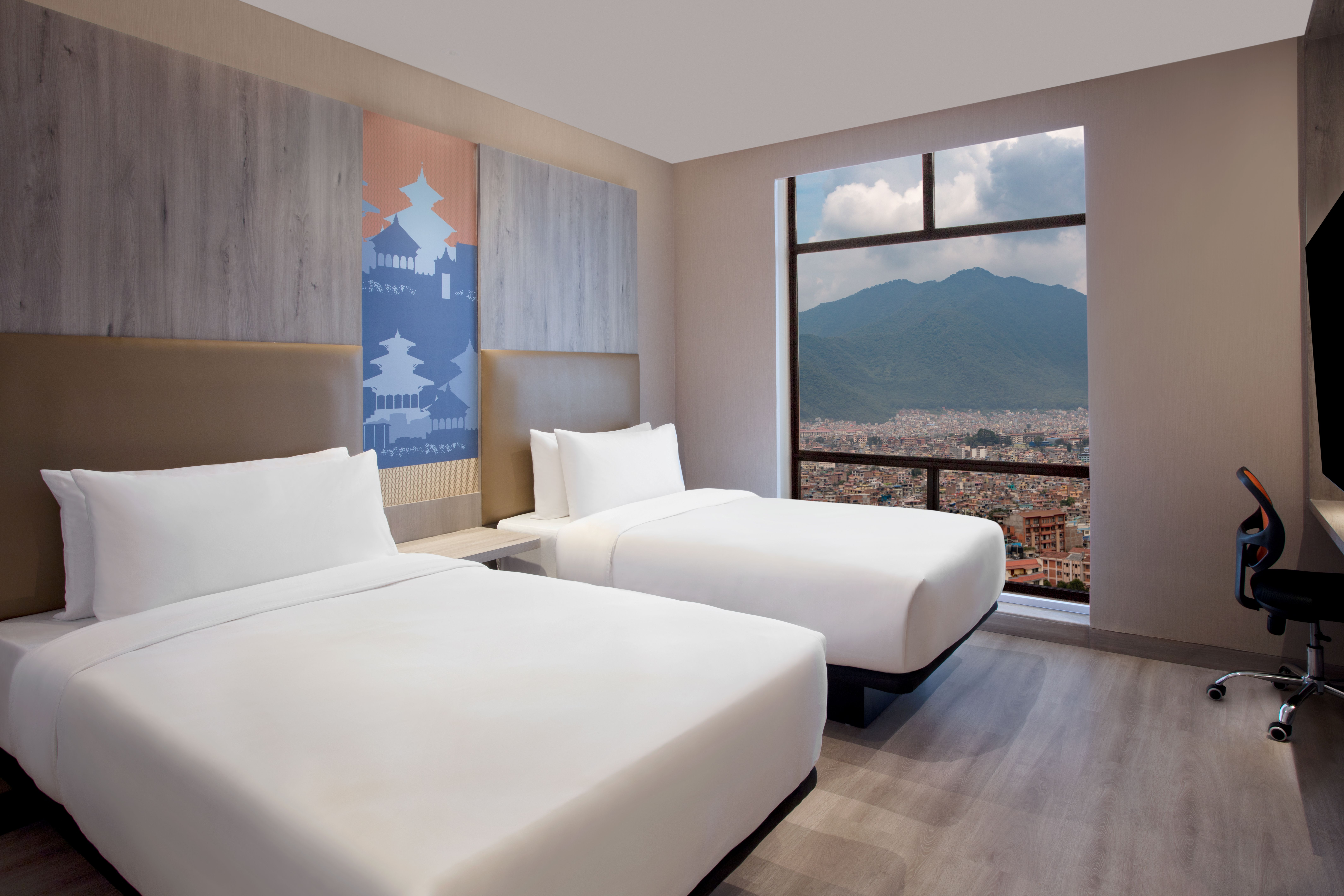
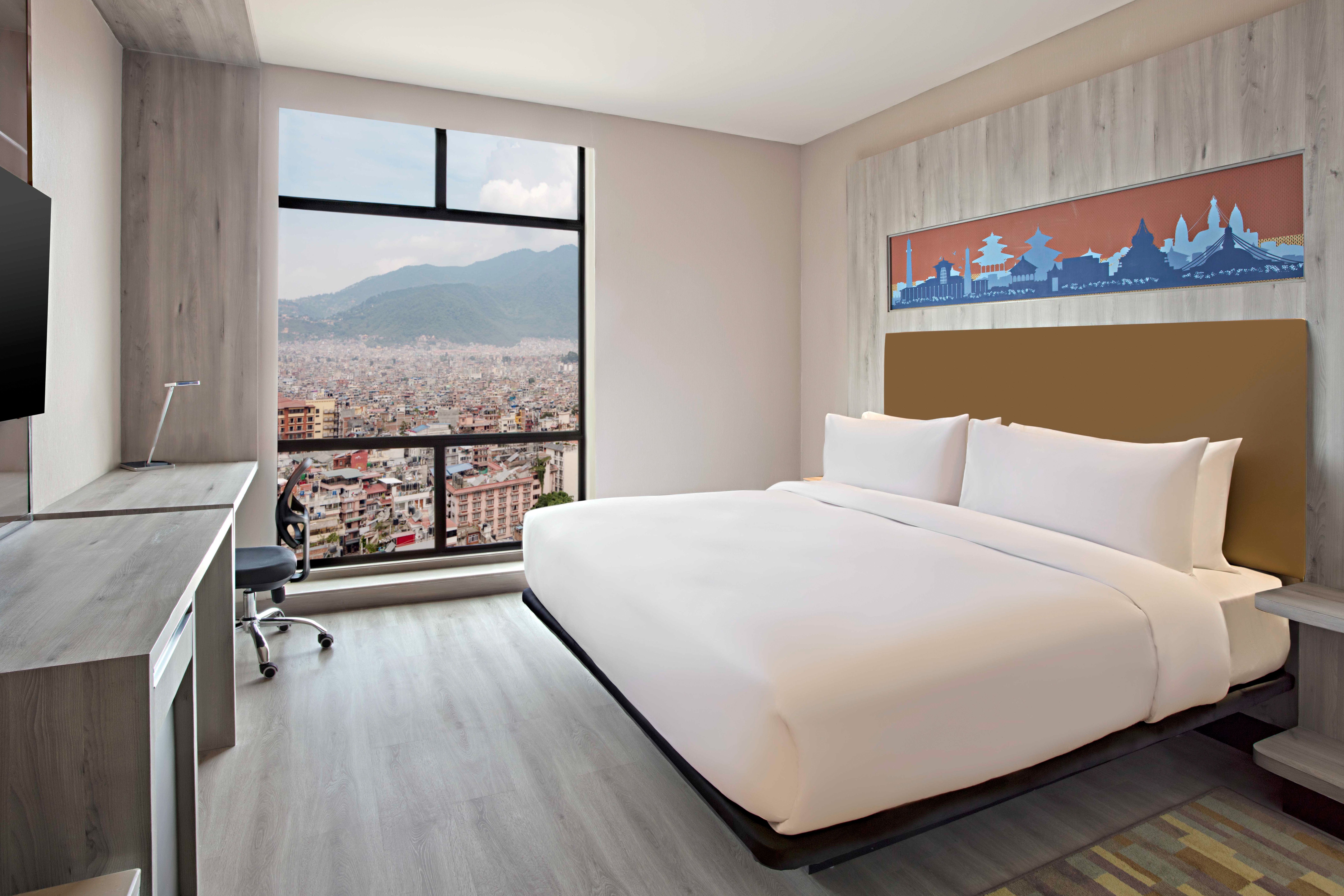
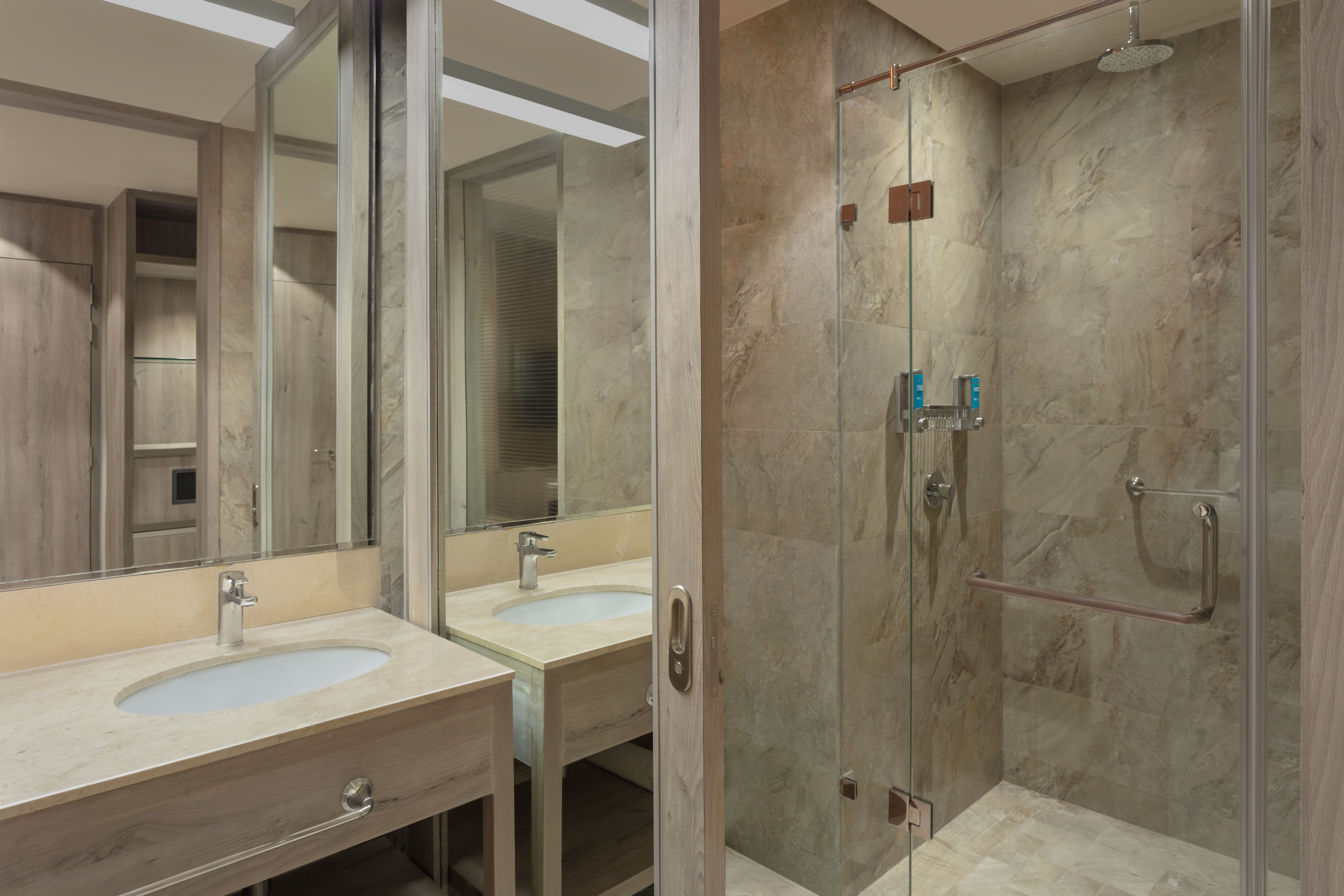
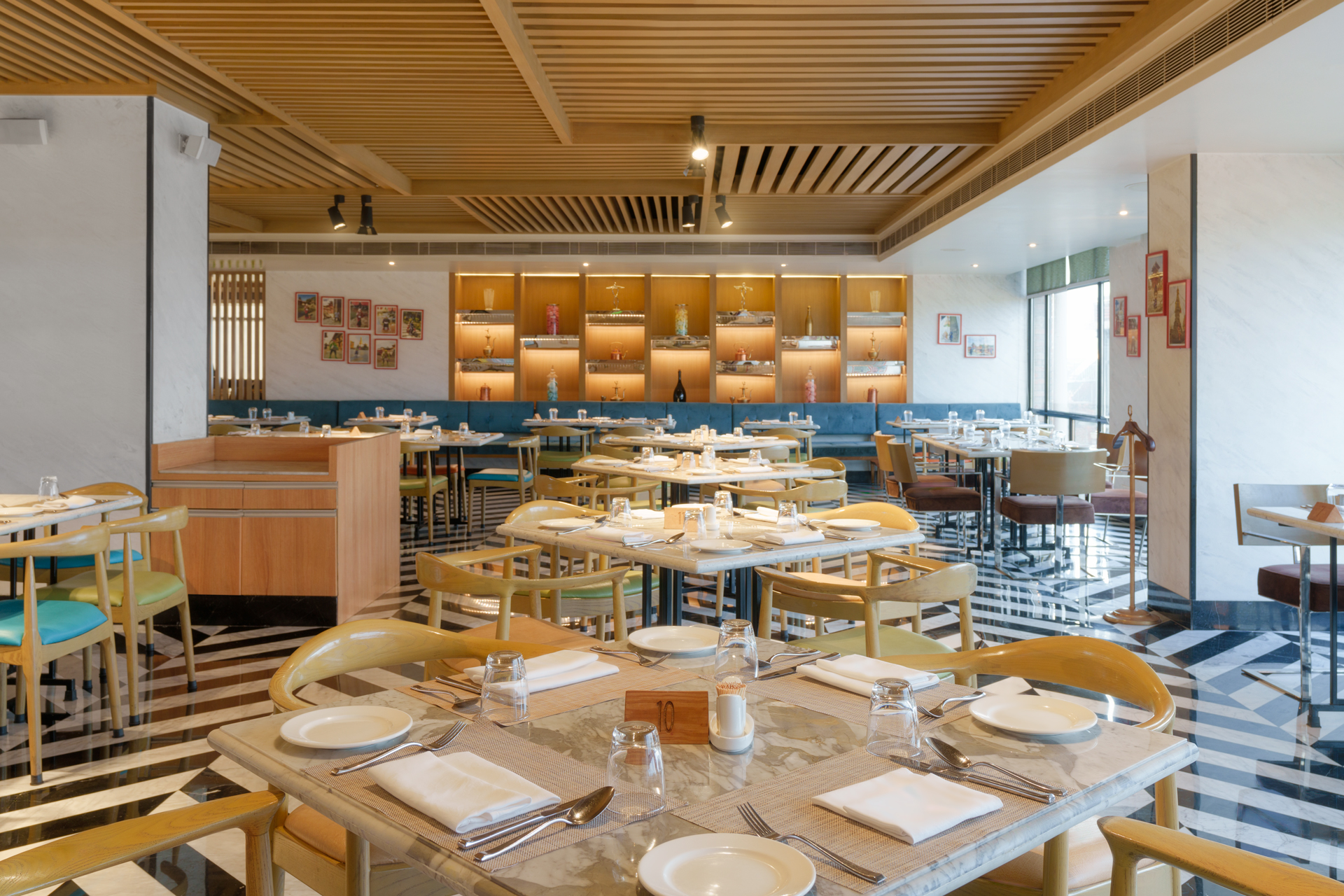
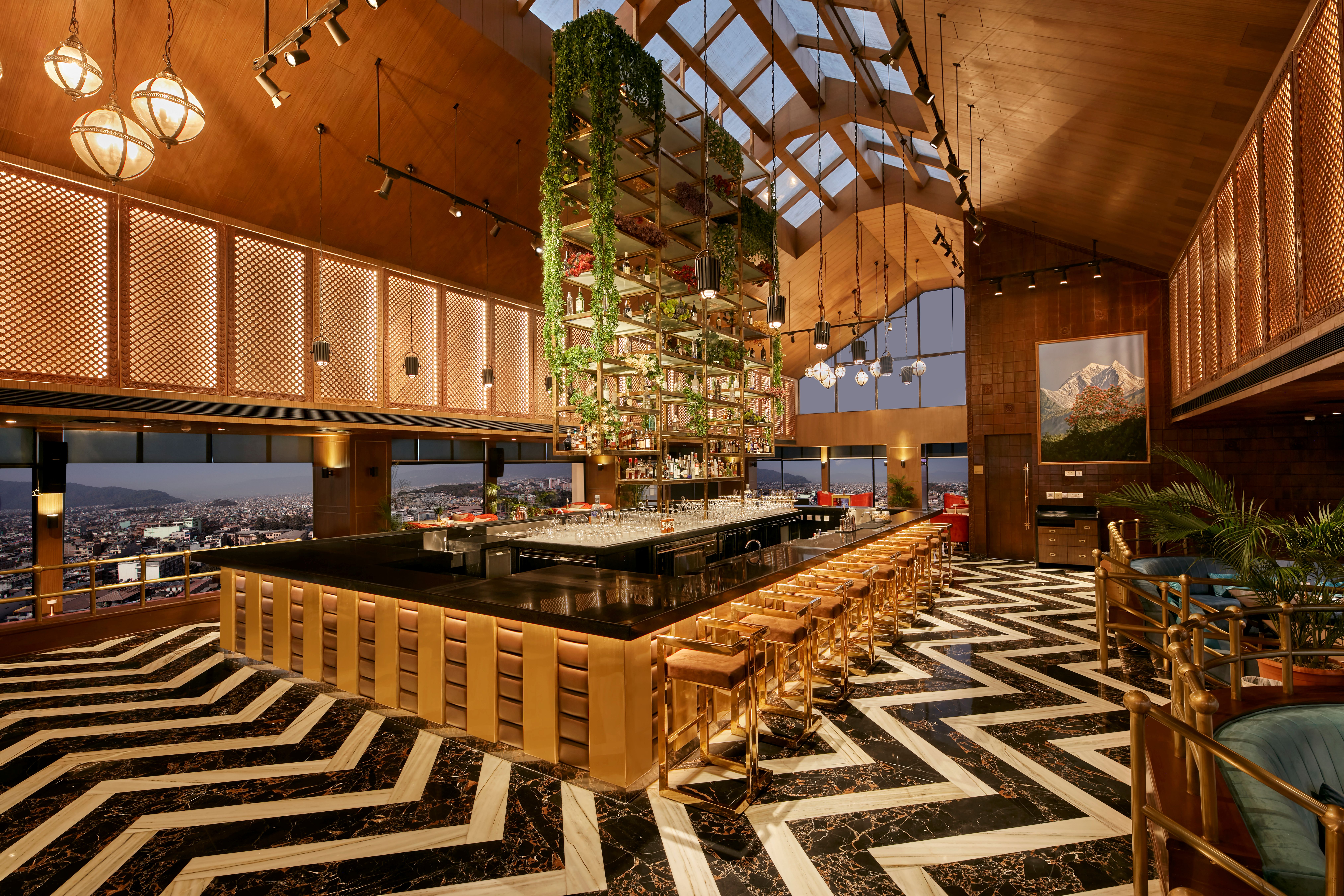
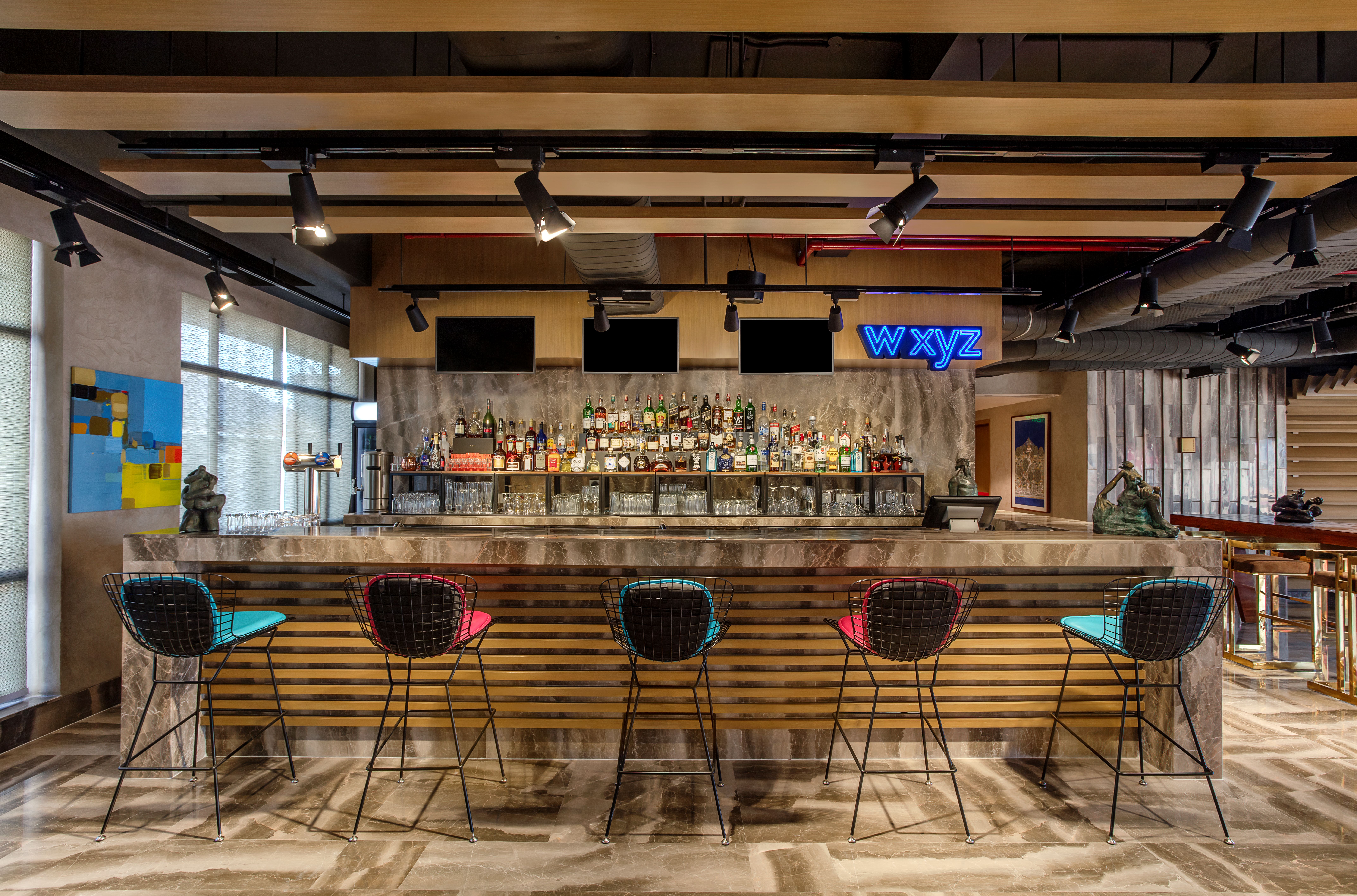
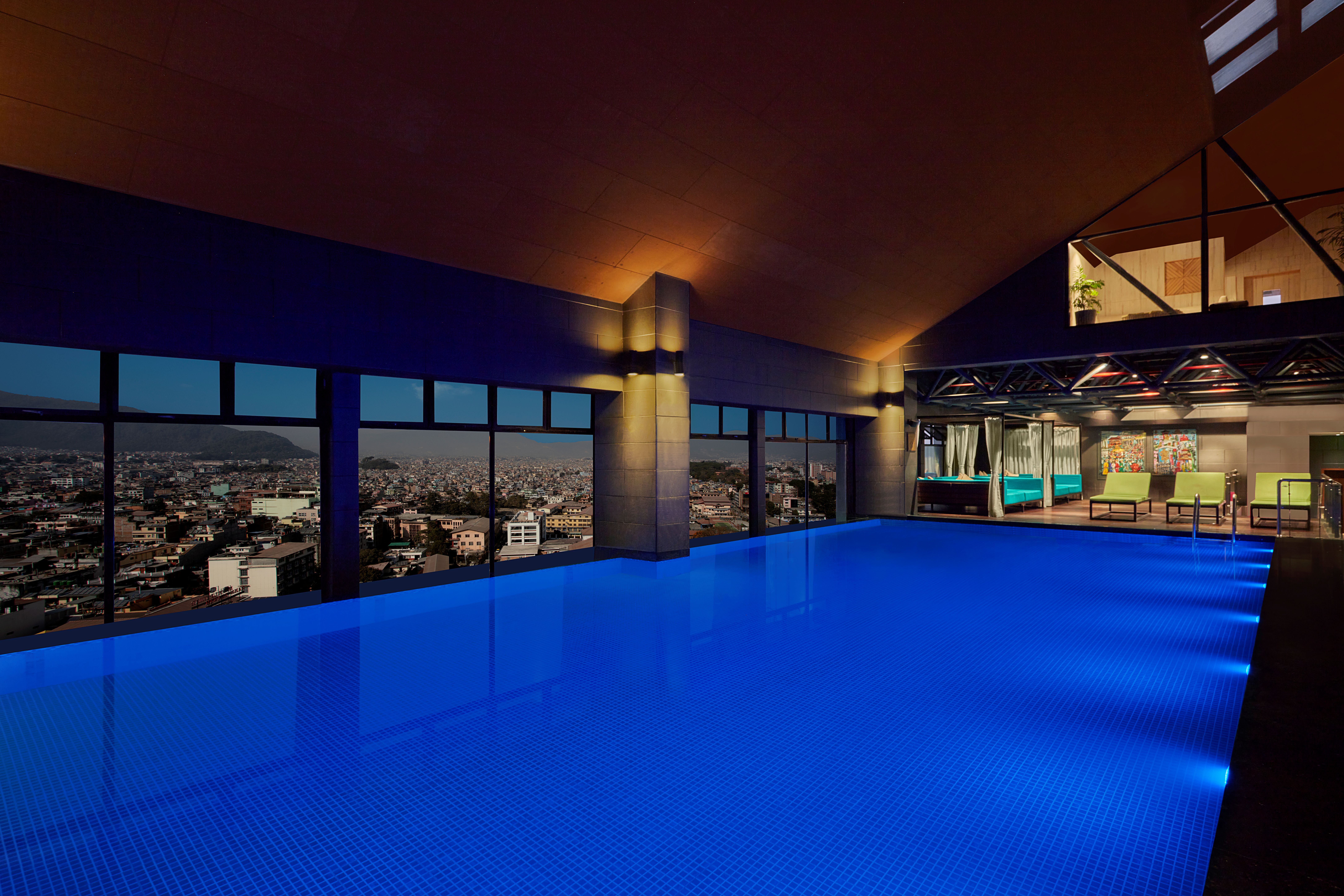
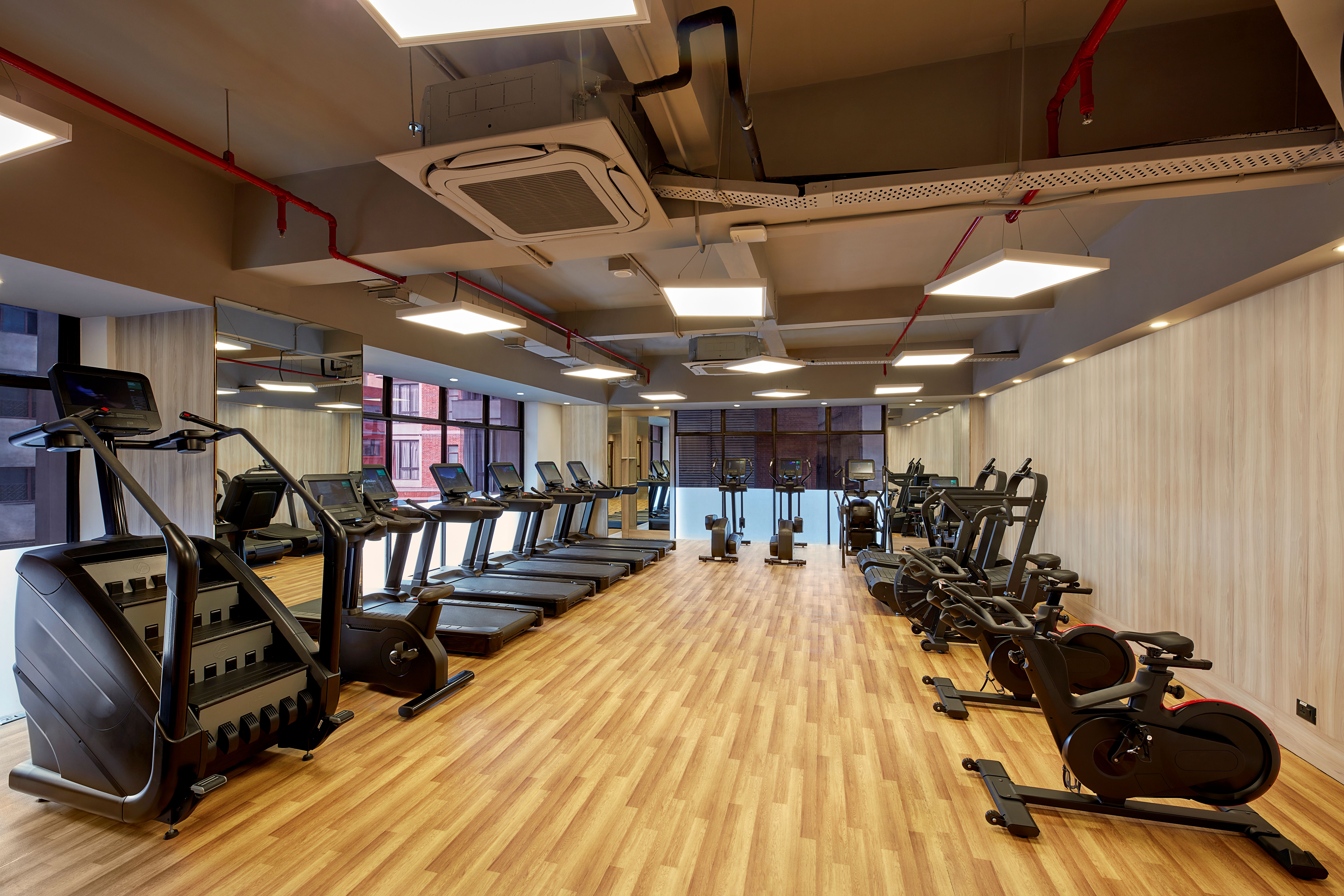
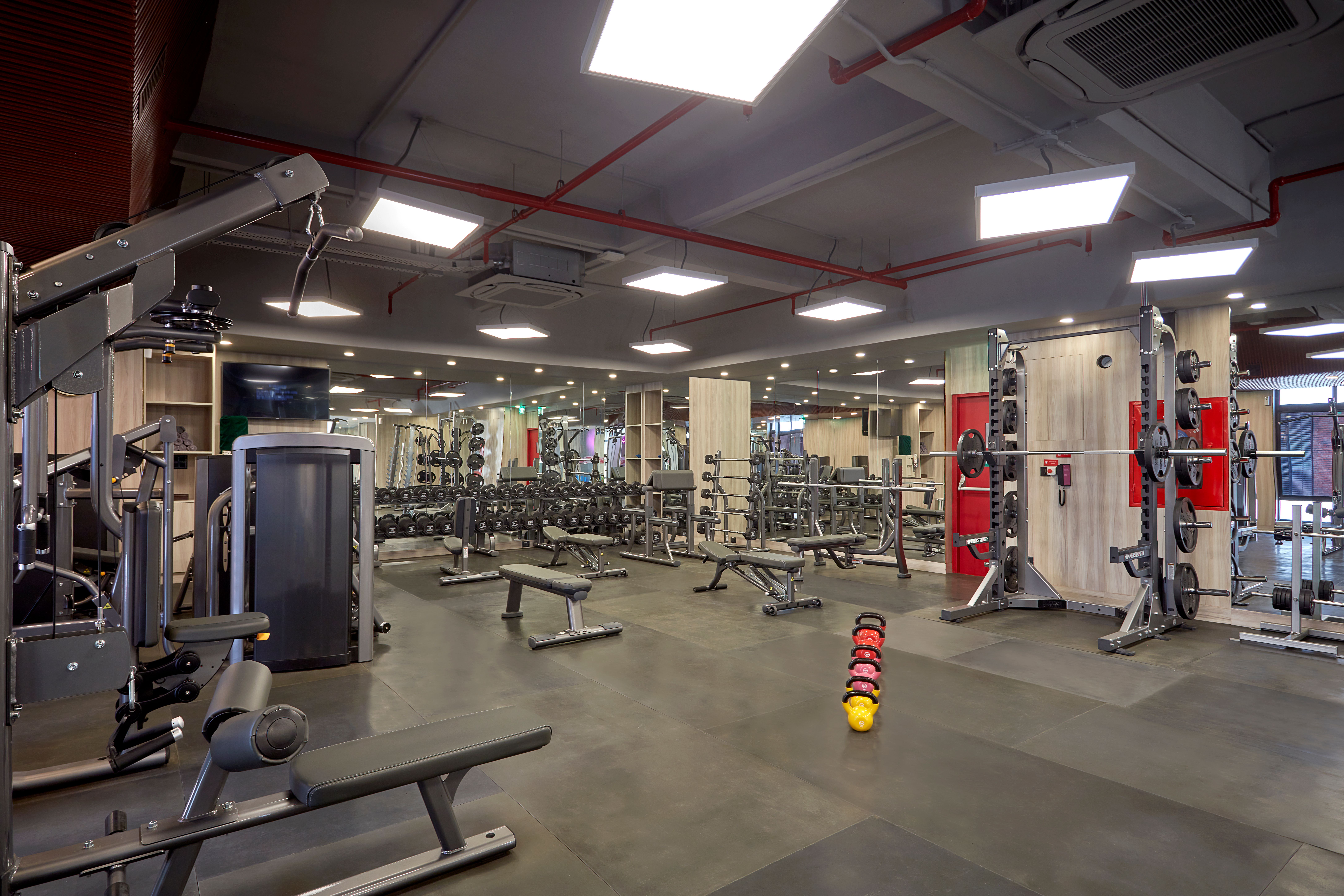
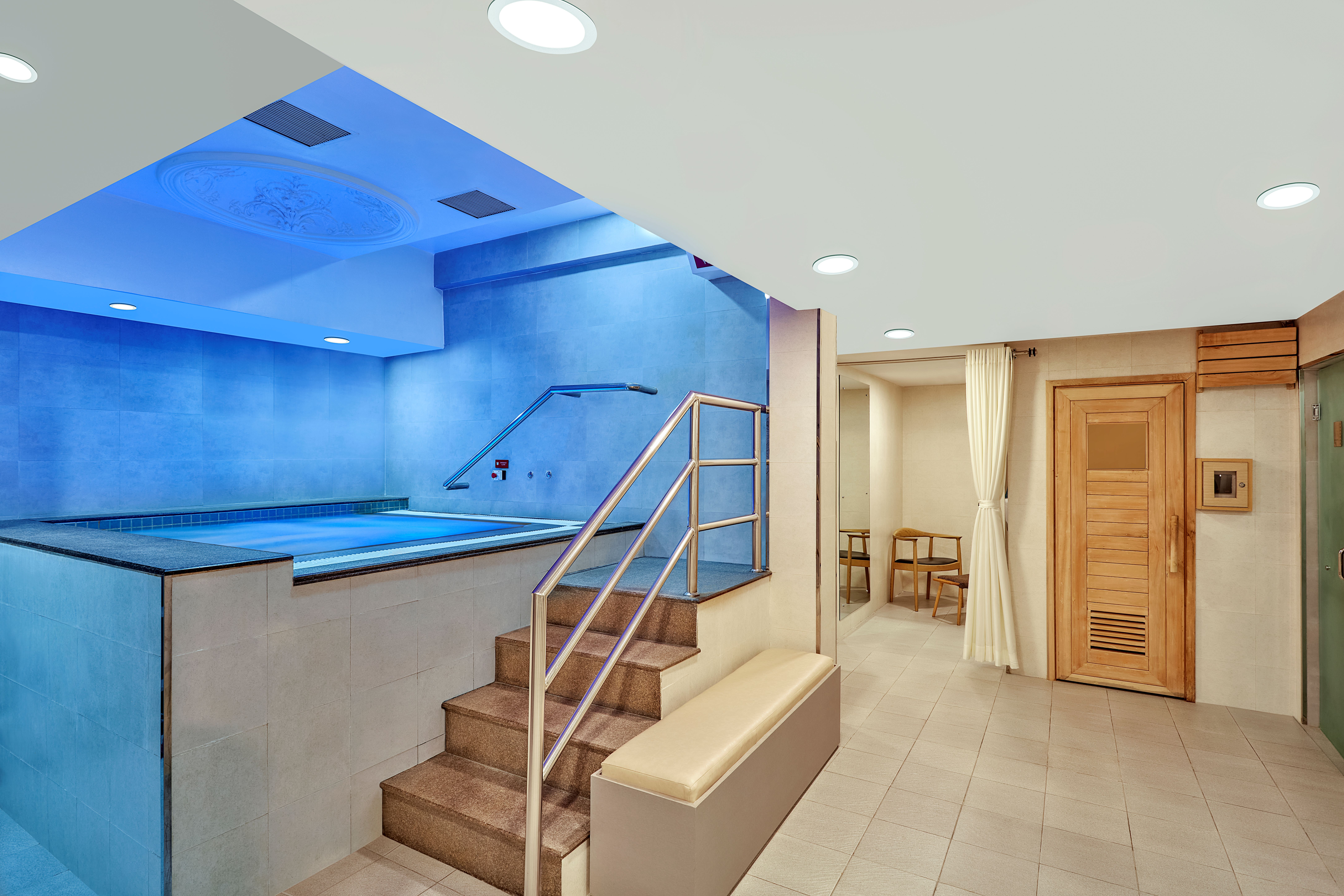
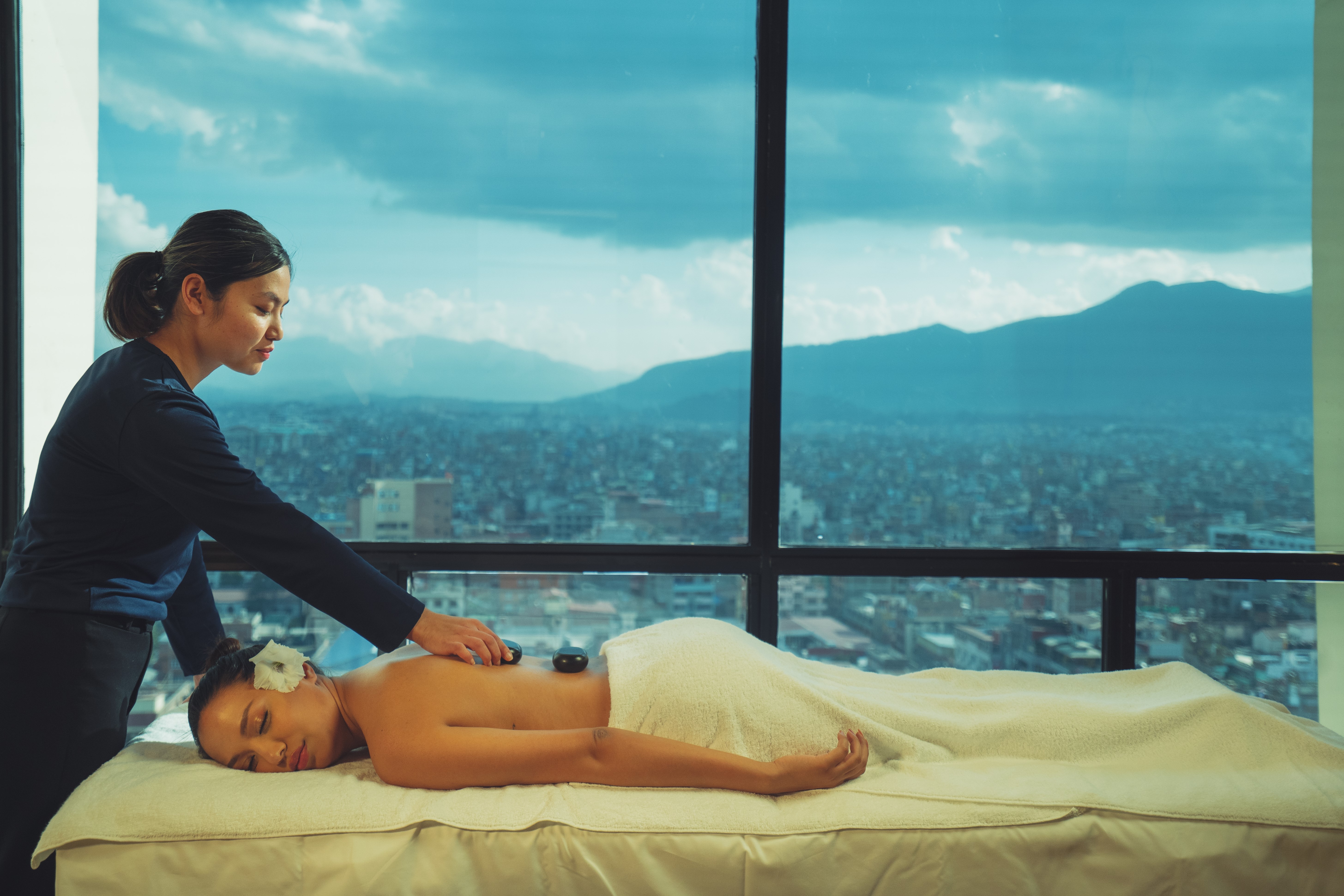
Before and after the trek, you'll stay at Hotel Aloft, a 5* spa hotel, with restaurants, bars, and local restaurants nearby. There is also a swimming pool, gym, and on-site spa to relax in before your trek. All rooms are twin-share with an en-suite, unless a single room supplement is arranged ahead of time, please contact the office to discuss this!
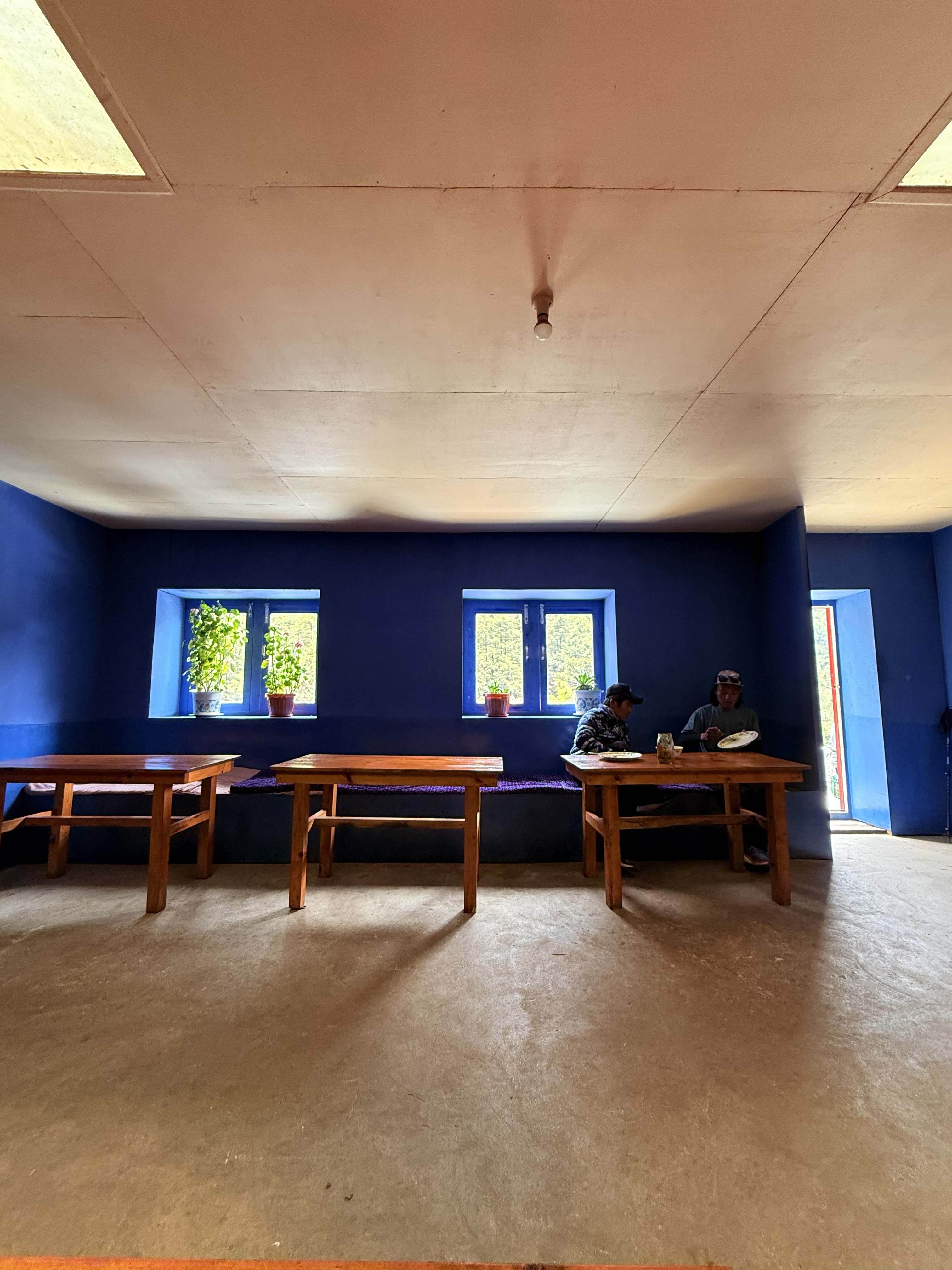
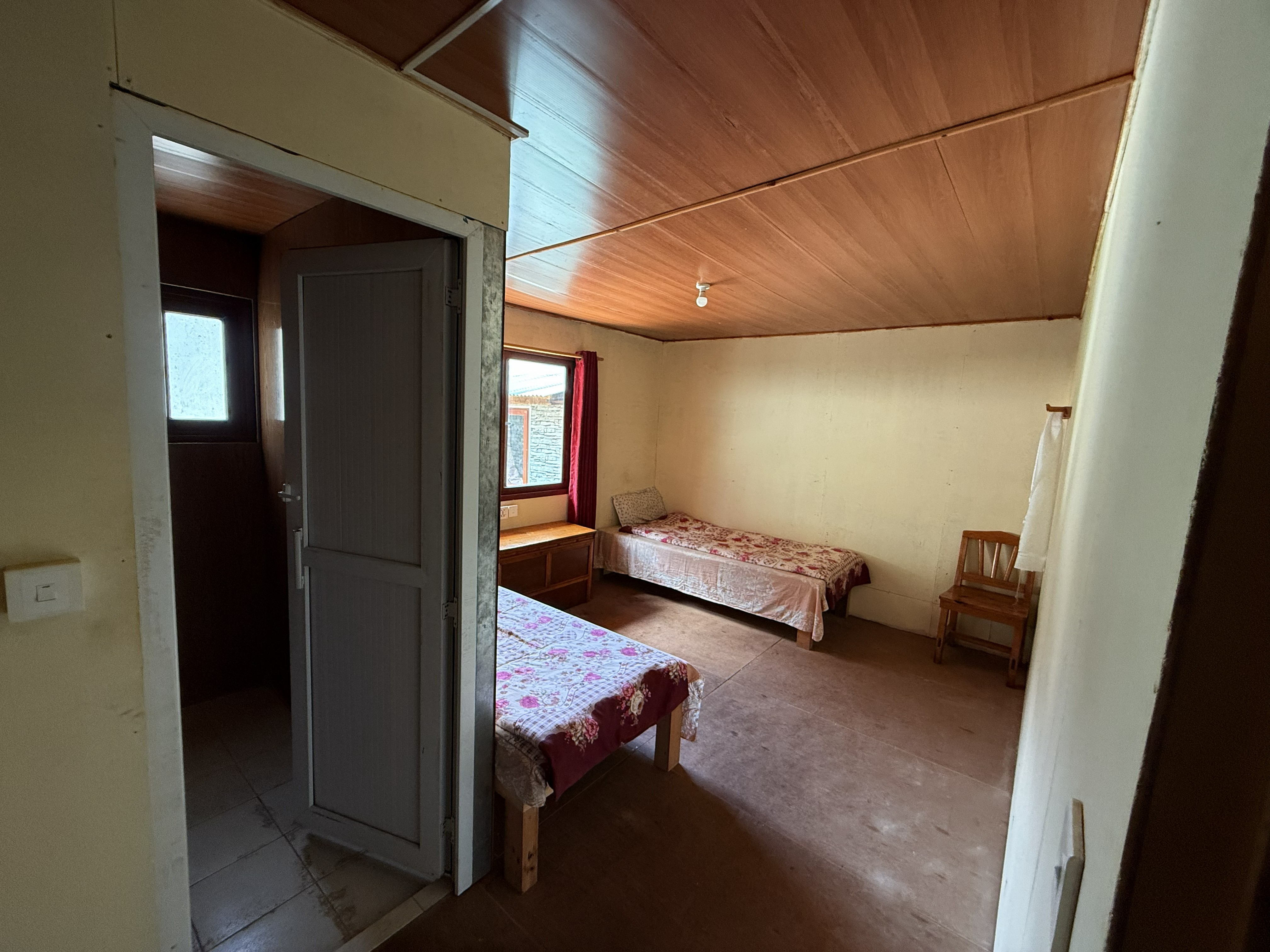
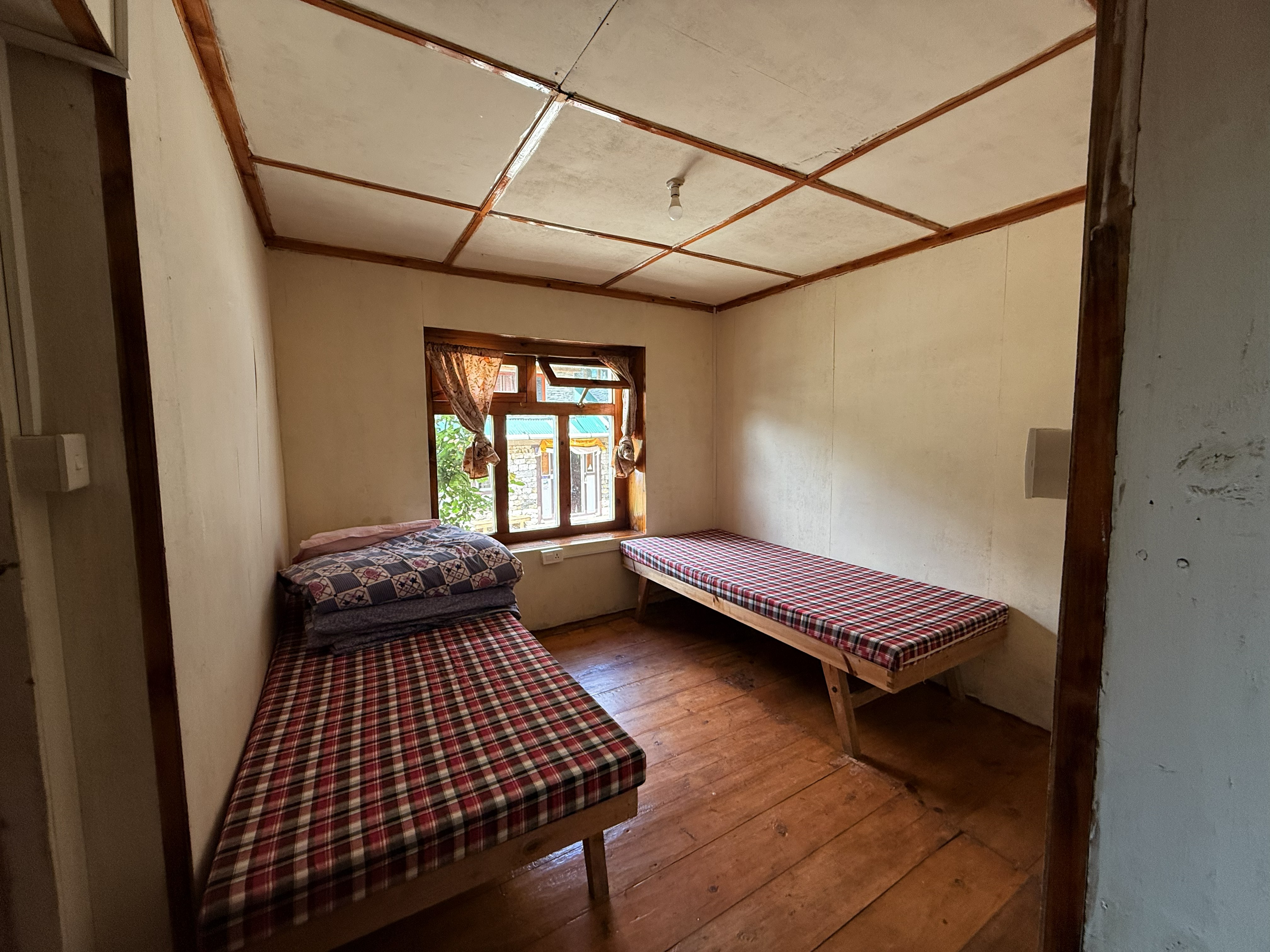
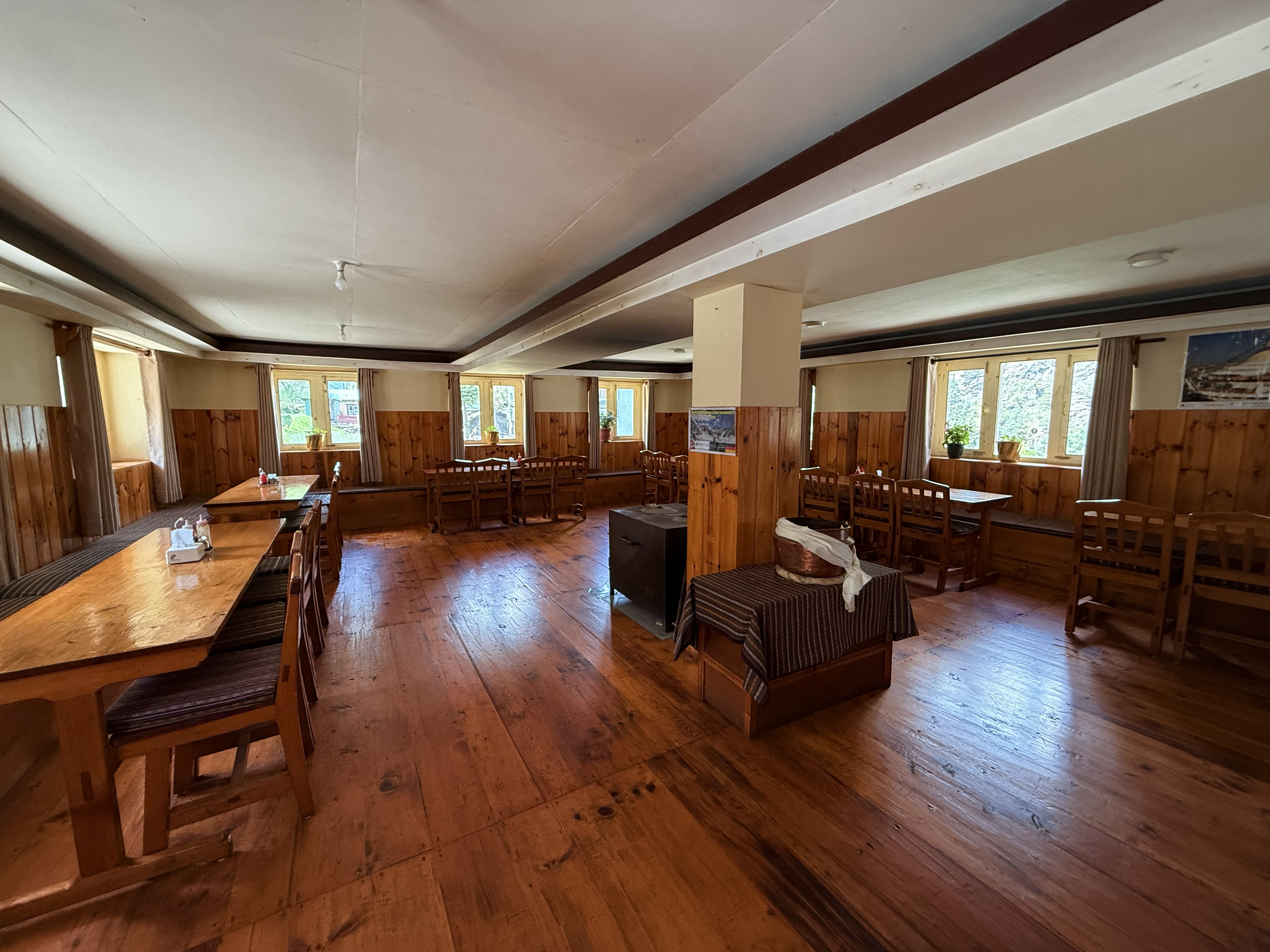
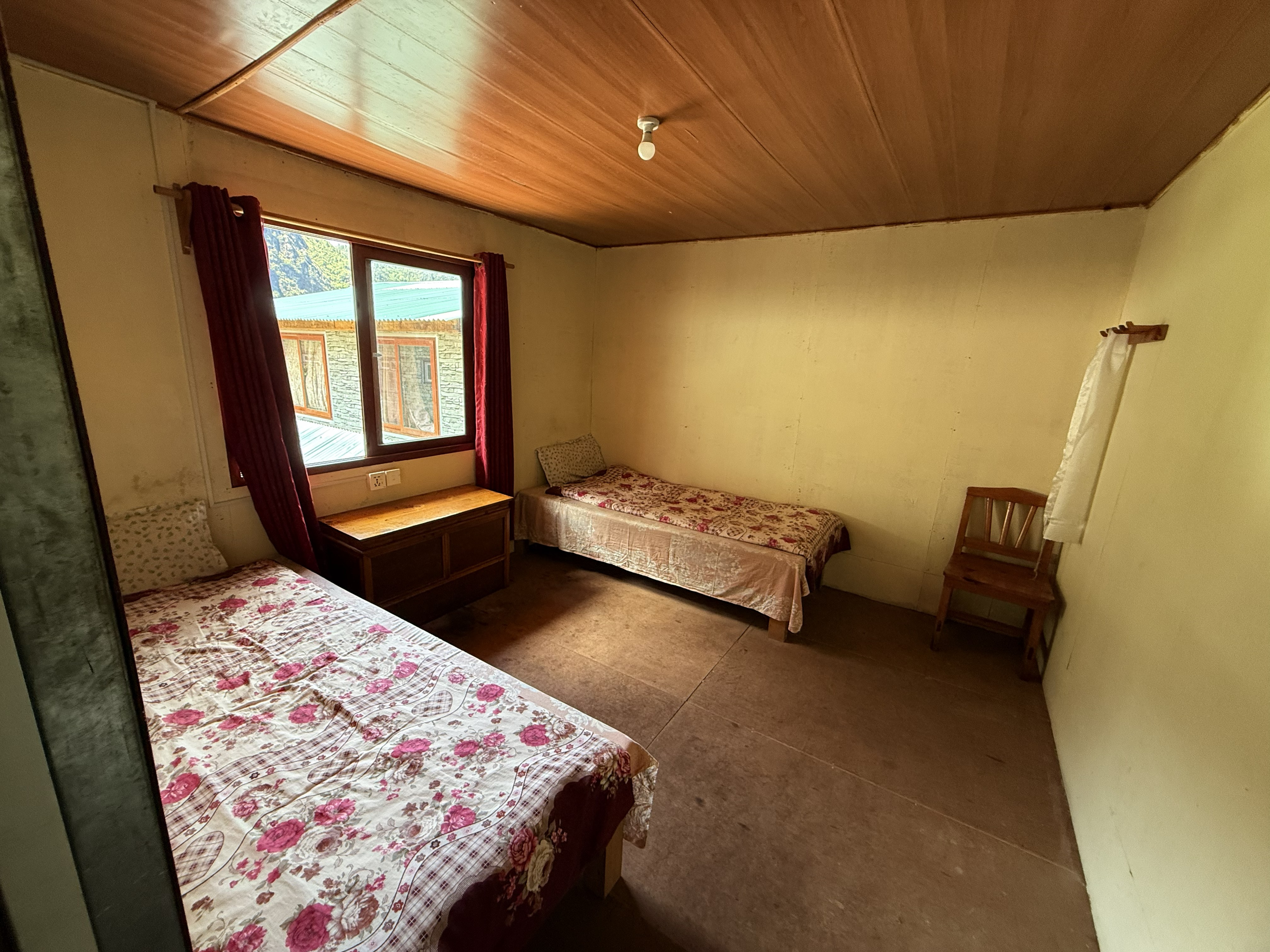
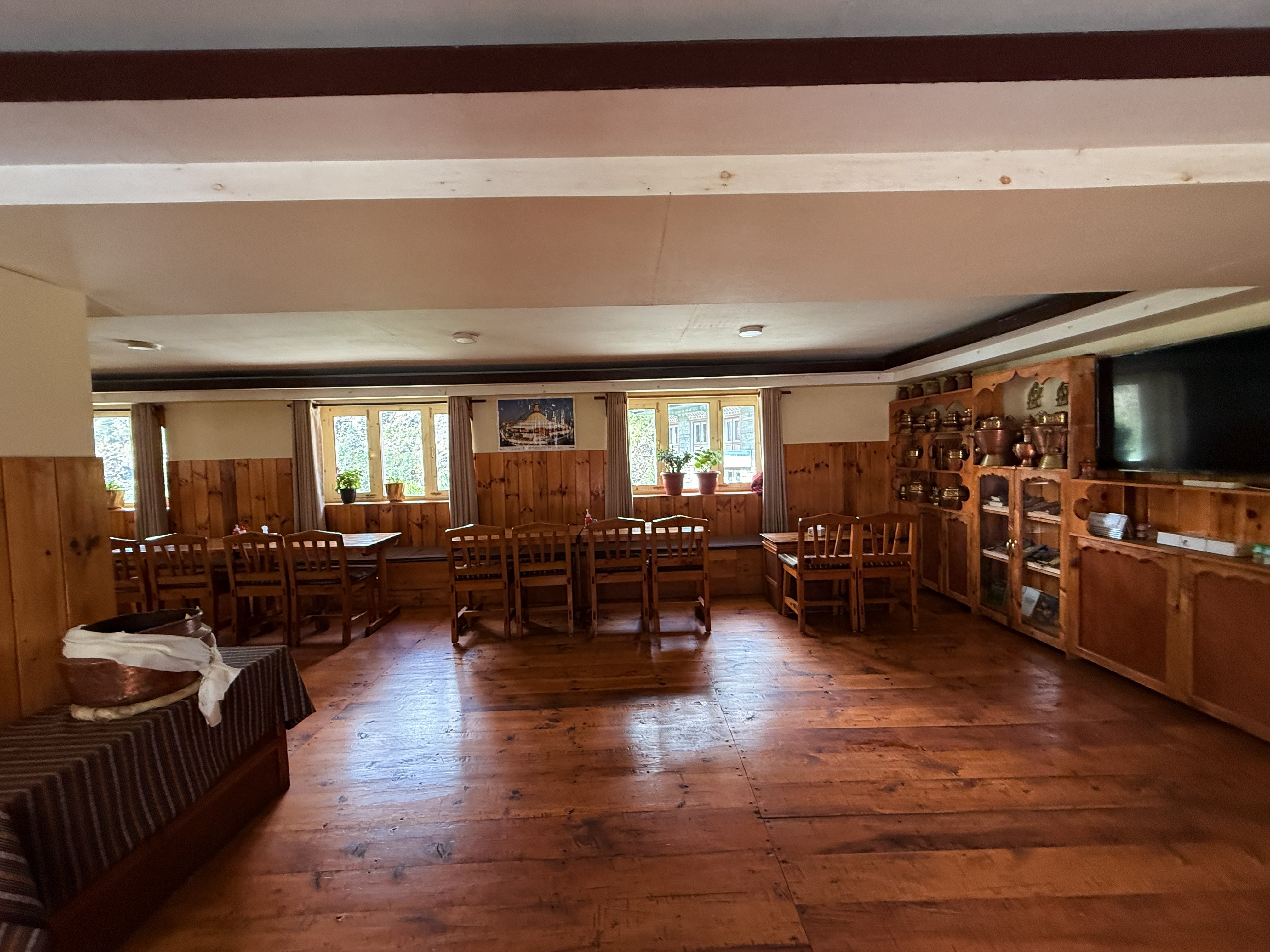
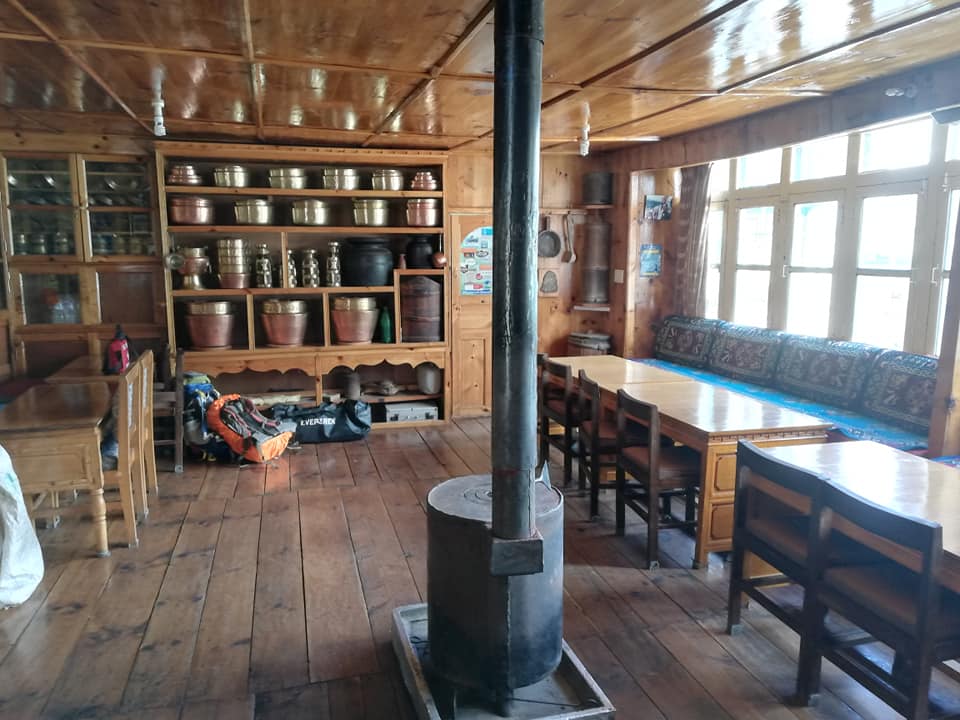
Along the majority of the trek, you’ll stay in locally-run lodges or teahouses in remote mountain villages. These are the heart and soul of trekking in Nepal - simple, warm, and welcoming. These are twin-share rooms, with basic bedding and shared toilet facilities. Teahouses and lodges are basic but comfortable.
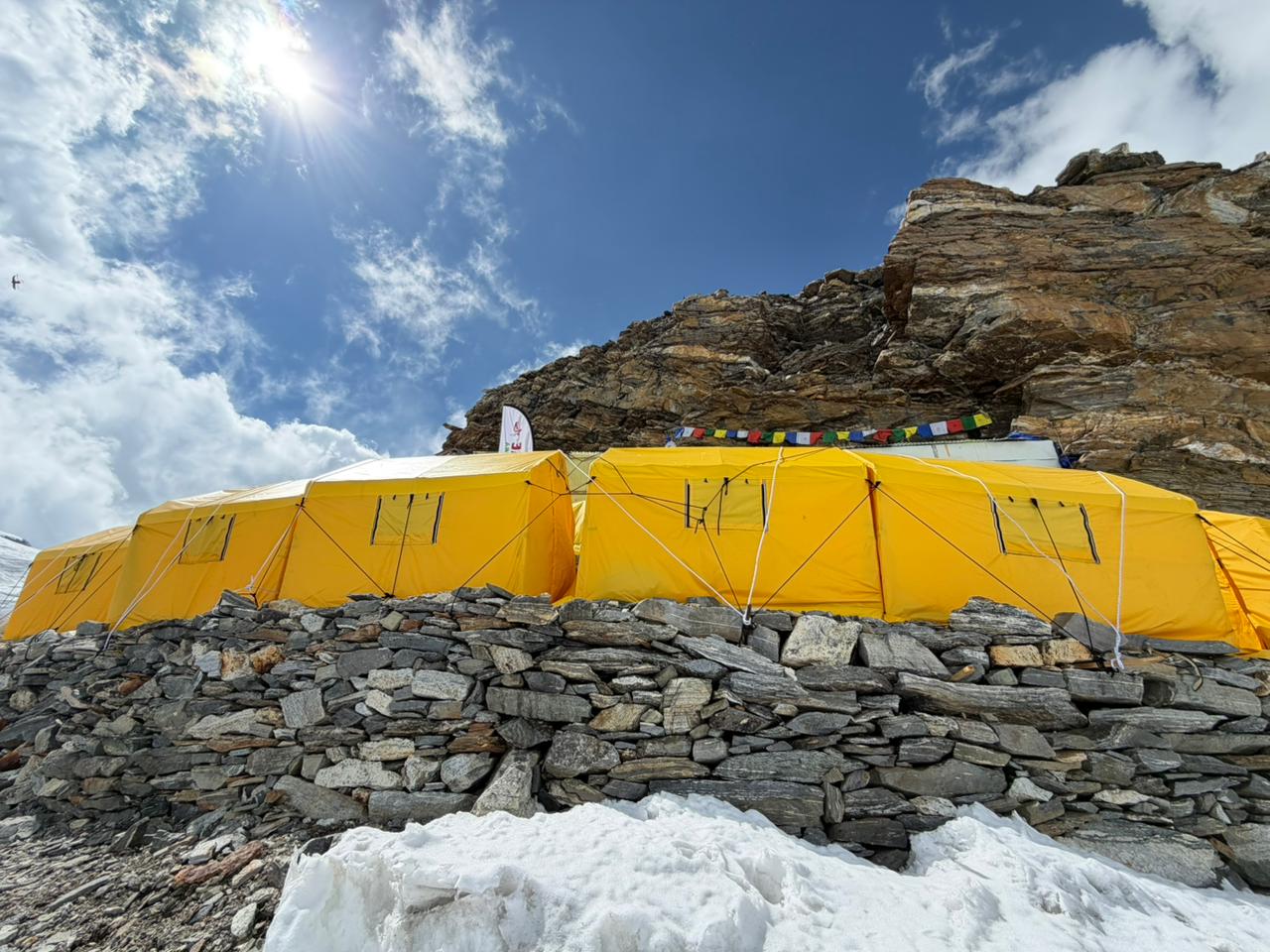
On the night before your summit attempt, you’ll switch to expedition-style tented camping.
At our fully supported camps, you’ll get:
- Two-person tents (spacious, high-quality, weatherproof)
- Sleeping mats provided
- Dining tent for meals and briefings
- Toilet tents
- Support from our incredible kitchen and porter team
- Technical gear (crampons, harness, helmet, ropes) available to rent for summit day
Camping at 5,000m+ is a serious adventure, but our crew will make sure you’re comfortable and well looked after.
While the teahouses/lodges are cozy, they are not 5-star hotels. The focus is on providing a safe and warm place to rest rather than luxury.
A warm, 4-season sleeping bag/liner, earplugs, and a power bank can make your stay more comfortable.
The simplicity of the accommodation is part of the charm of trekking in such a remote and stunning region, as you prepare to head for the summit.
Food on Your Mera Peak Expedition
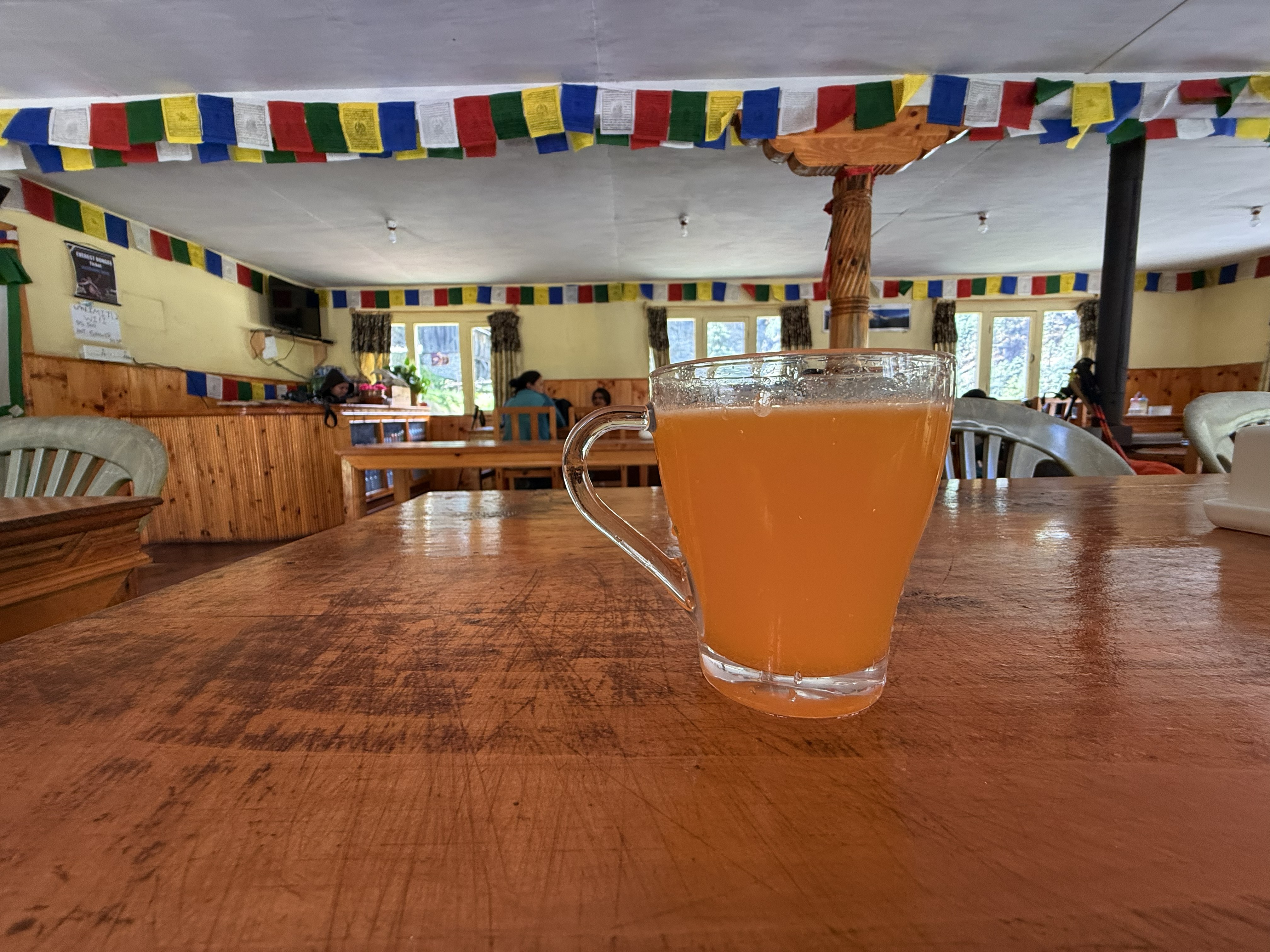
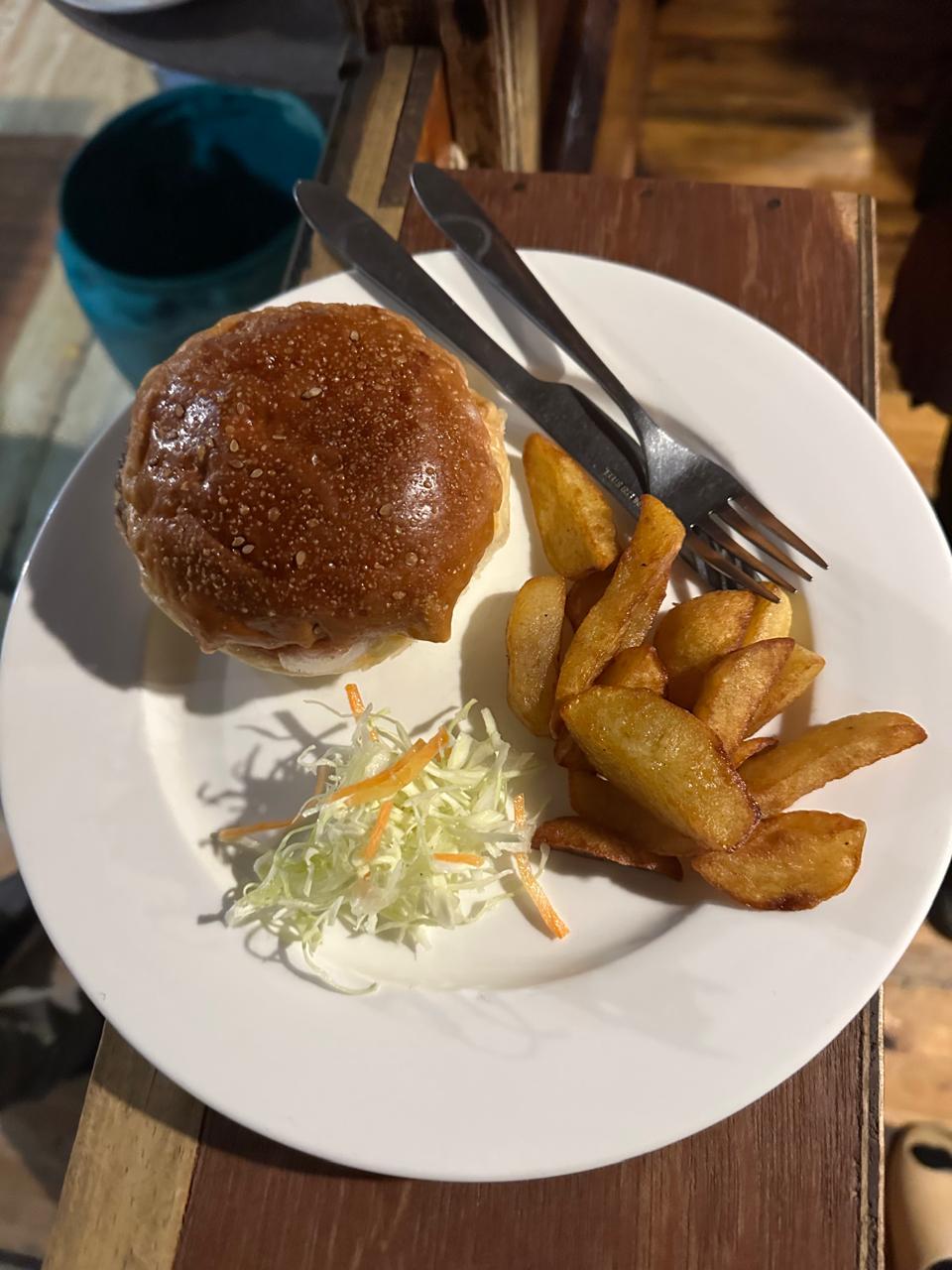
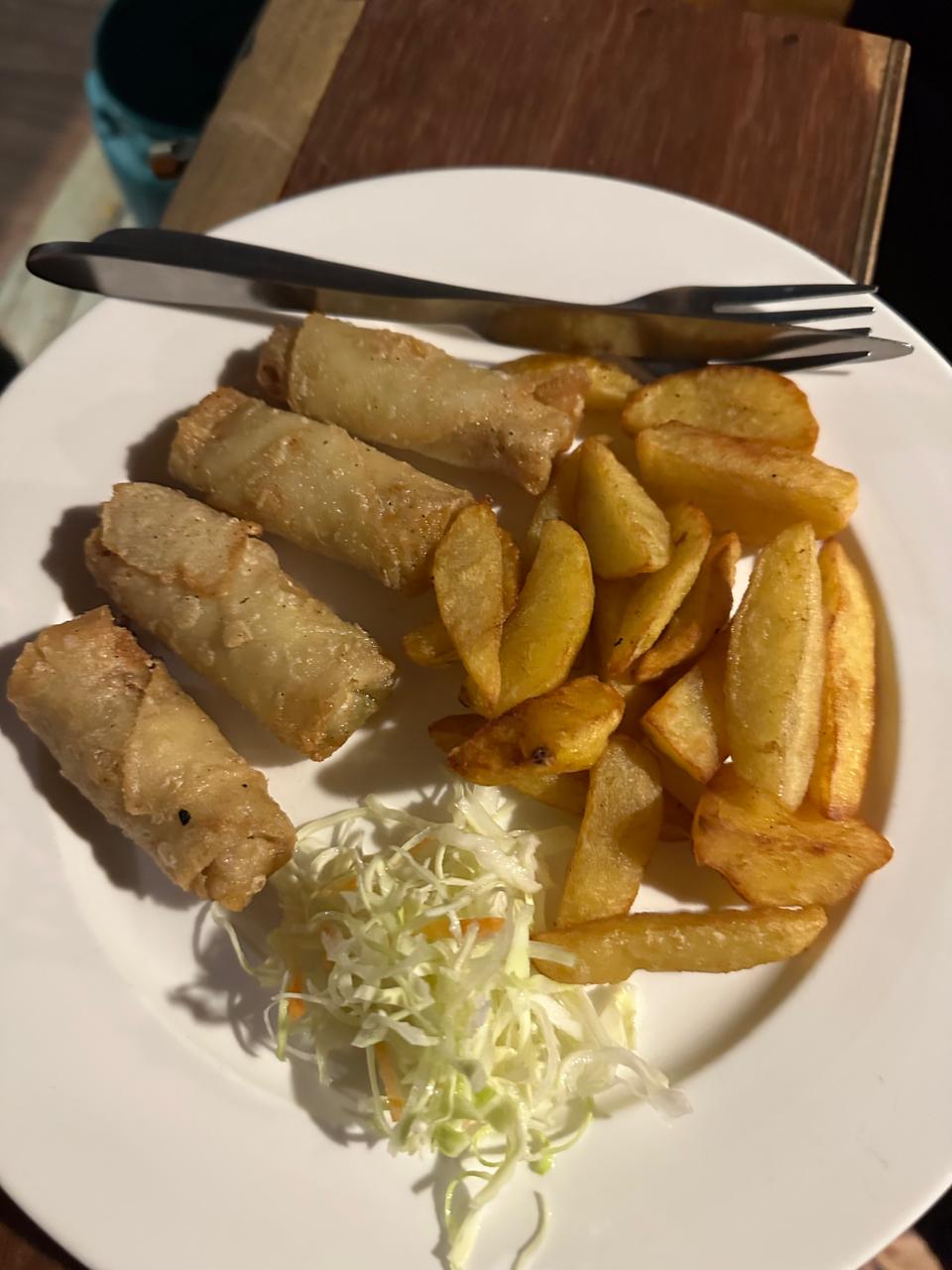
Whether you’re in a tea house or a tent at 5,800m, you’ll be served fresh, hot meals three times a day. You’ll get a mix of local Nepali dishes and Western-style comfort food to keep you fueled for those long glacier ascents and high passes.
| Days | Breakfast | Lunch | Dinner |
|---|---|---|---|
| 1: Kathmandu (Arrival Day) | |||
| 2: Kathmandu | |||
| 3-17 | |||
| 18: Lukla/Kathmandu | |||
| 19: Kathmandu (Departure Day) |

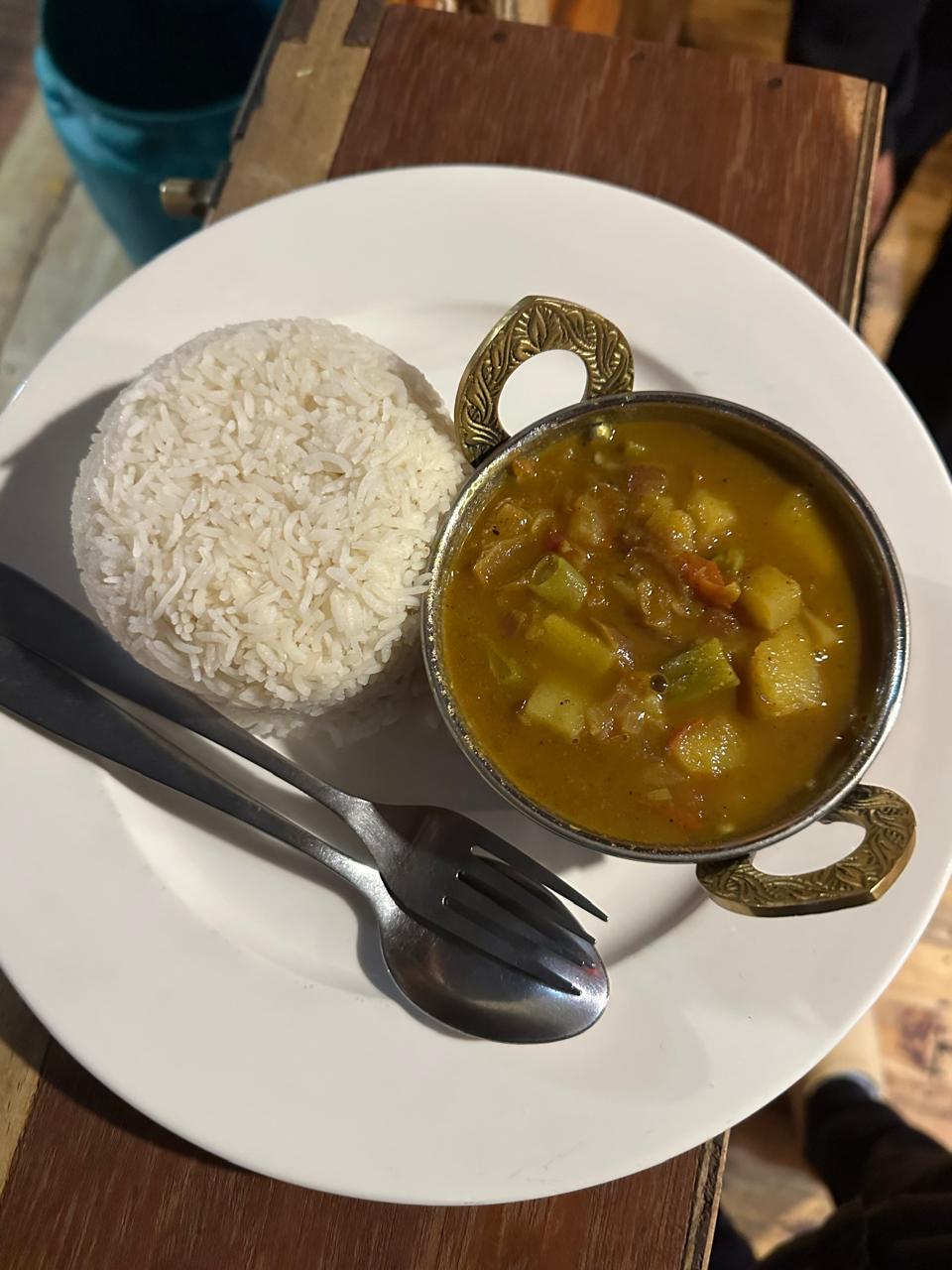
A staple Nepali dish consisting of boiled rice, lentil soup, and side dishes like vegetables and curry. It's a favorite among trekkers because it's filling, nutritious, and often comes with unlimited refills!
Sherpa Stew
A warm, hearty soup with vegetables, noodles, and sometimes meat, although we advise a vegetarian diet whilst on trek to avoid food poisoning which is very common to get from meat up in the mountains.
Veggie Momos
Our favourite - Nepali dumplings filled with vegetables, served steamed or fried.
Garlic Soup
Not only tasty but also believed to help with acclimatisation and prevent altitude sickness.
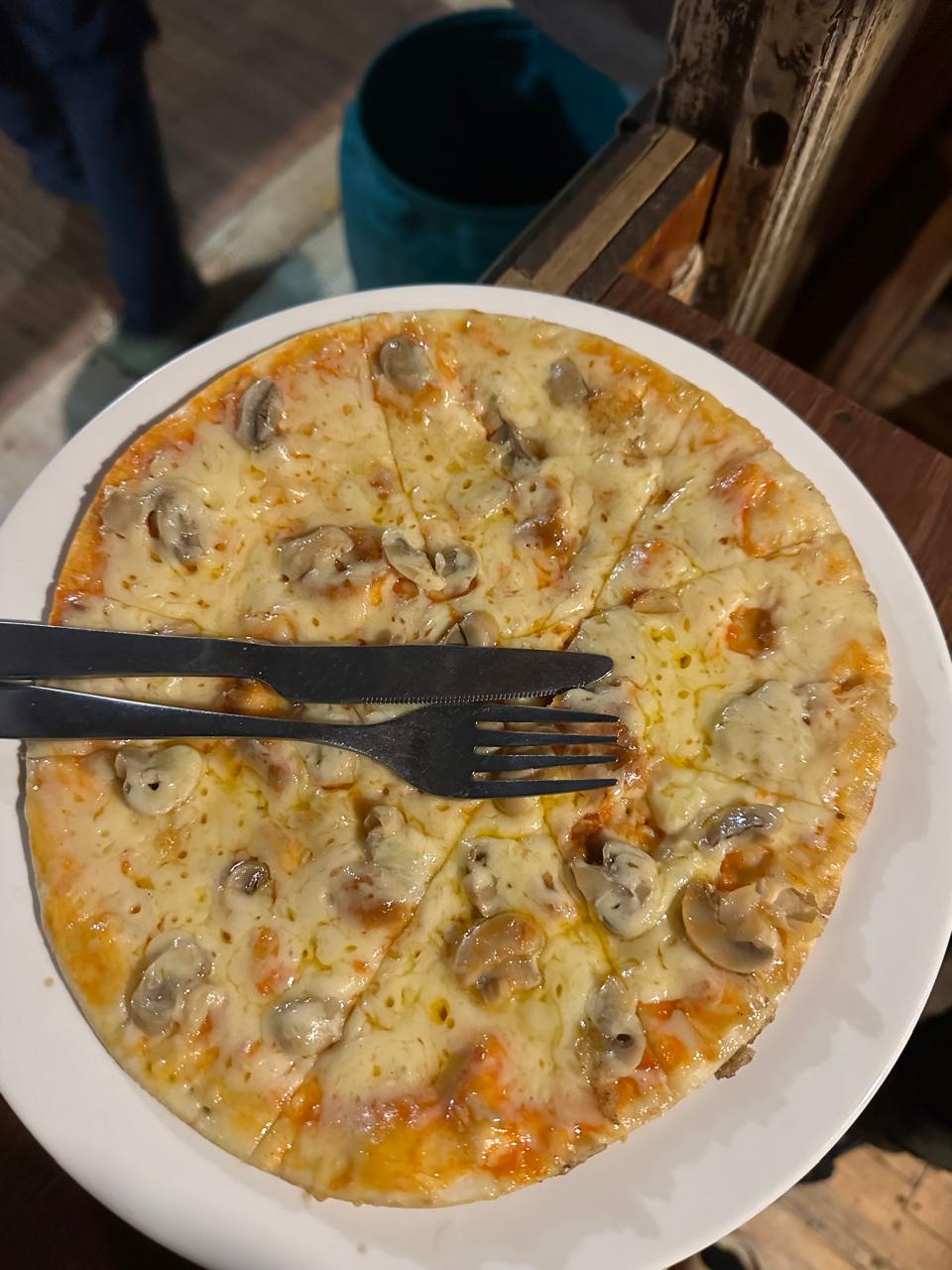
Yes, you can find these on the trail! They might not be gourmet, but they're comforting after a long day.
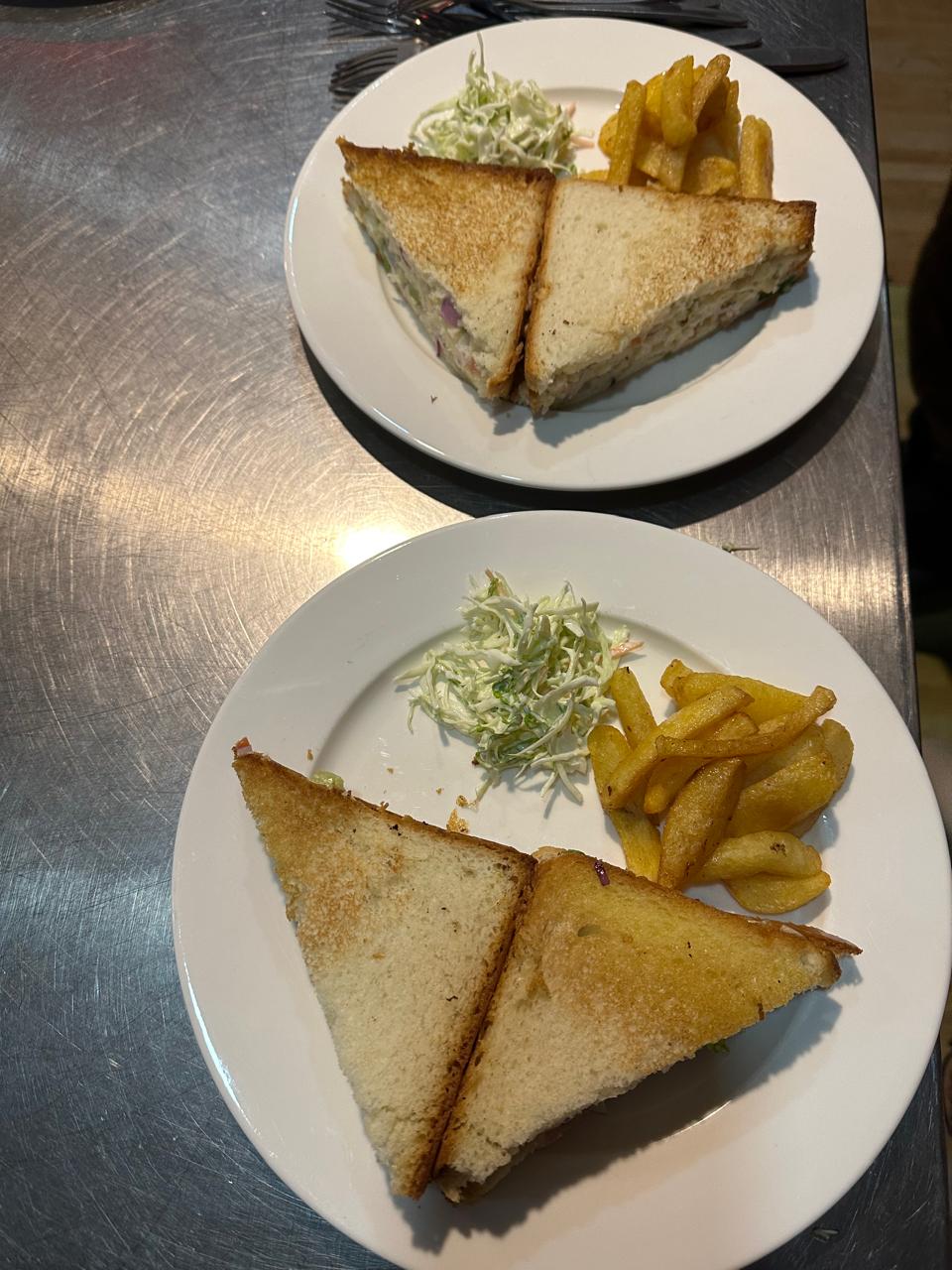
Sandwiches and Soups
Light and easy options for lunch.
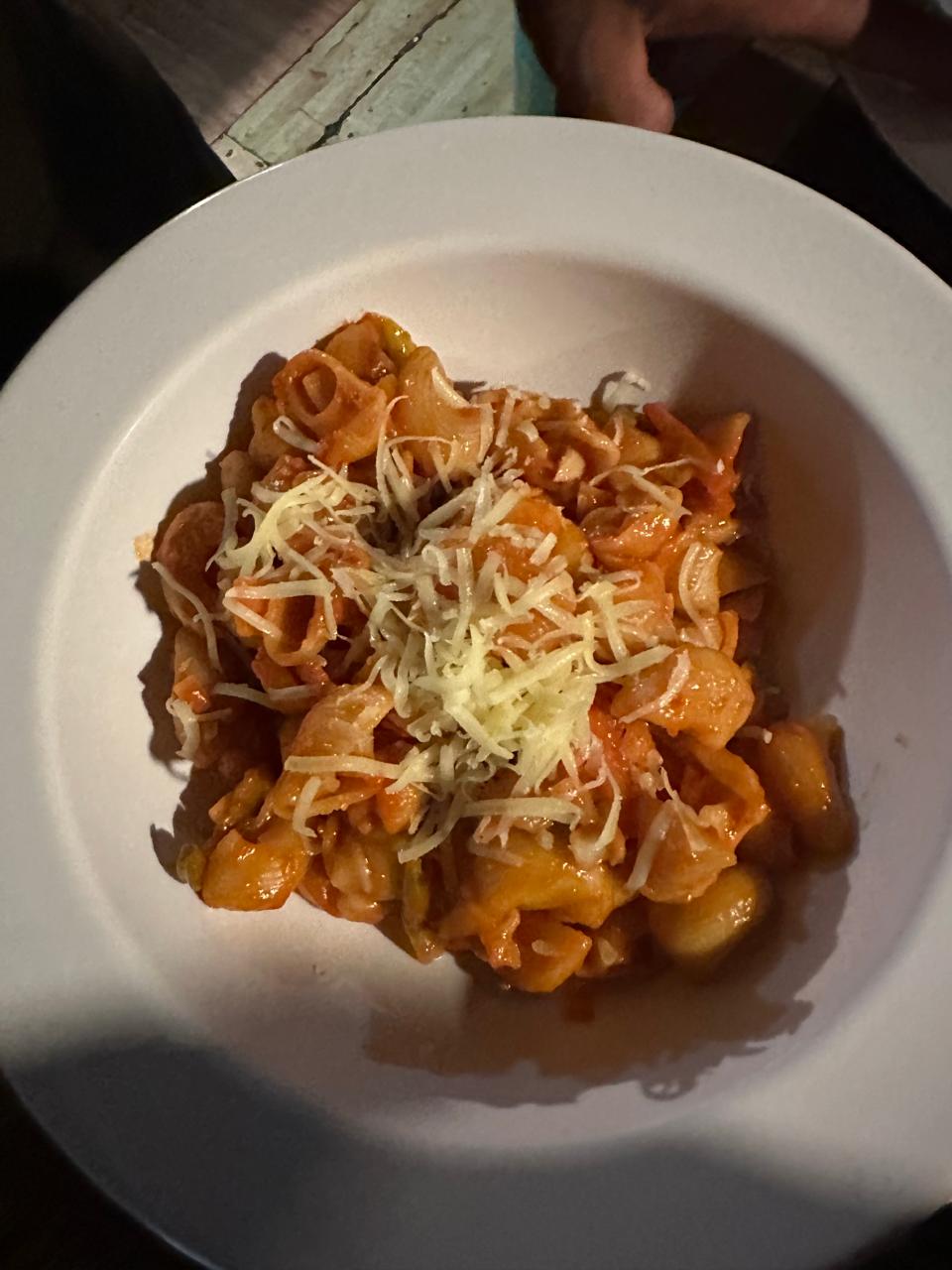
Macaroni Dishes
A simple yet satisfying choice.
Chips and Fried Rice
Great for a quick carb boost.
Tibetan bread with jam, pancakes, porridge, eggs (boiled, fried, or scrambled), and hot drinks like tea or coffee.
How We Make Water Safe For Our Trekkers
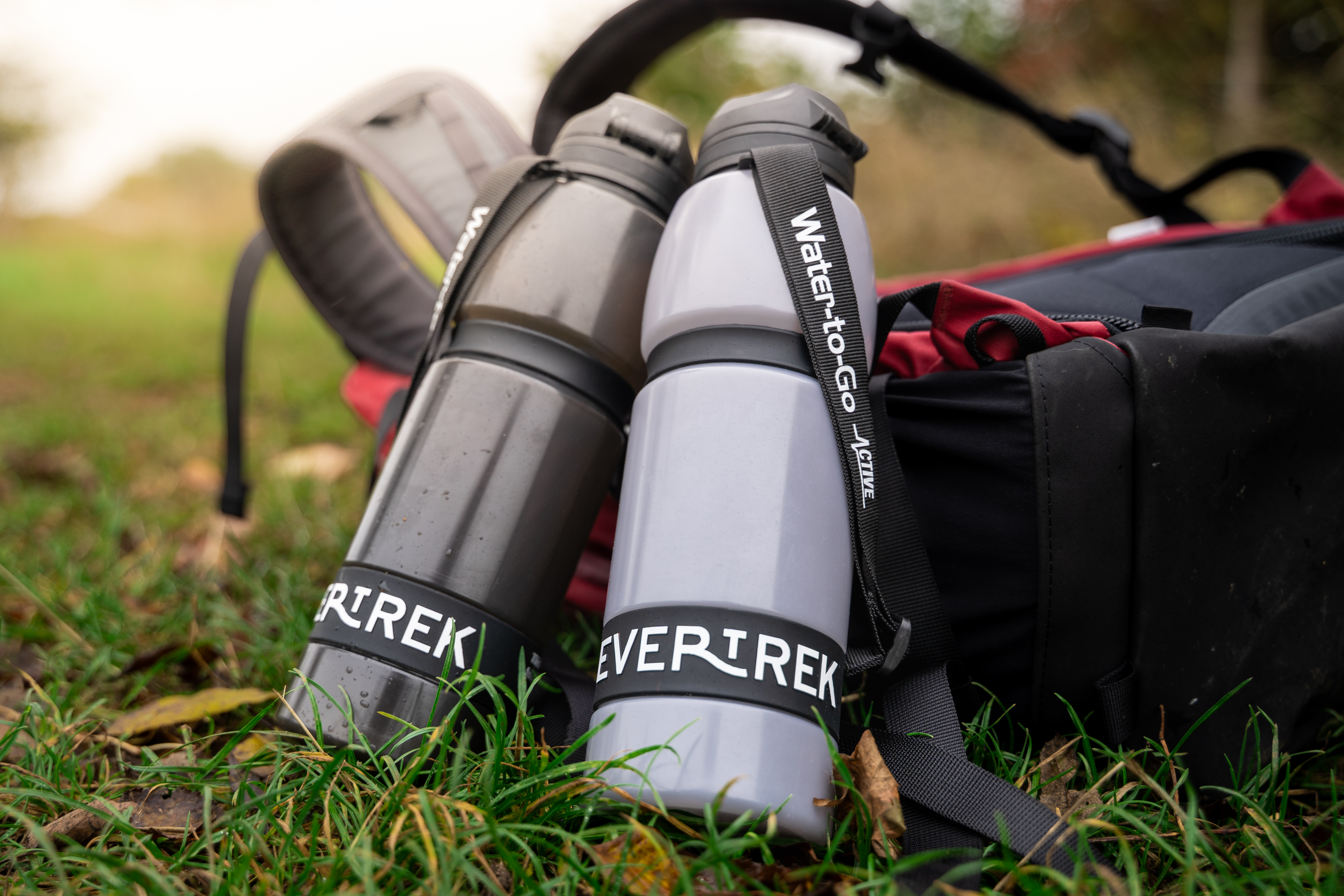
In March 2019, we became the first UK high-altitude trekking company to introduce purified water filters across all of our Nepal treks, reducing reliance on single-use plastic bottles and providing clean, great-tasting water without chemicals.
Previously, trekkers depended on bottled water or purification tablets - neither of which was sustainable or ideal. With each trekker potentially using over 50 plastic bottles per trip, the impact added up fast.
Making sure you're properly hydrated is an essential part of reducing the risk of altitude sickness. You need to drink more water at high altitude. Therefore, doing our part to reduce the environmental impact of our treks means that this small change has made a big difference for both our EverTrekkers and the communities who live on the trekking routes.
In areas with limited water sources, there will be opportunities to buy bottled water.
Environmental Impact
In our first season, this initiative prevented the use of around 16,500 one-litre plastic bottles in the Everest region - the equivalent height of five Ben Nevis mountains stacked!

Difficulty:
Hardcore
How challenging is the trek?
The Mera Peak Expedition is a high-altitude endurance challenge. At 6,476m, Mera Peak is the highest trekking peak in Nepal, and while the climb itself isn’t overly technical, the combination of altitude, length, and remoteness makes it one of the toughest trekking peaks on offer.

PLUS Get a FREE training plan from The Altitude Centre
Book now and you can get a FREE consultation & training plan from The Altitude Centre!
You won’t be tackling vertical ice walls or knife-edge ridges, but you will be on your feet for hours, pushing your limits at high altitude, and camping in some seriously cold conditions. This isn’t just about fitness, it’s also about resilience.
Still, with the right training and mindset, it’s absolutely achievable for fit trekkers looking to summit their first Himalayan giant.
Pre-Trek Fitness Prep
Before setting out, you should be able to:
- Trek for 8 to 10 hours a day, with a pack weighing 6 to 10kg
- Handle elevation gains of up to 800–1,000m per day, over multiple consecutive days
- Include hill training, long-distance hikes, and ideally some altitude exposure in your prep
- Build cardiovascular endurance and leg strength, and work on your stamina through multi-day hiking
If you’re not quite at this level yet, that’s okay, this is a peak you can train for. With a few months of progressive, structured training, this expedition is completely within reach for most healthy trekkers.
What to expect on the expedition
Altitude Challenges
This is a big one. Mera Peak’s summit is at 6,476m, and you’ll be spending a lot of time well above 4,000m. The air is thin, every step becomes harder, and recovery is slower. The itinerary is built with plenty of acclimatisation days, including time in Khare, where you’ll train with your gear and prepare for summit day.
The summit push itself is long and exhausting, typically 10 to 14 hours round trip and altitude is the biggest factor for most people.
Duration
This expedition is 19 days from arrival in Kathmandu to your departure day. You’ll pass through quiet villages, cross high ridges, and camp in remote alpine valleys en route to Mera Peak Base Camp and High Camp.
Expect to walk 8 to 10 hours per day, with the longest and most demanding effort coming on summit day.
Terrain
While Mera isn’t technical, the terrain is still demanding:
- Long, steep ascents and descents on rocky and glaciated ground
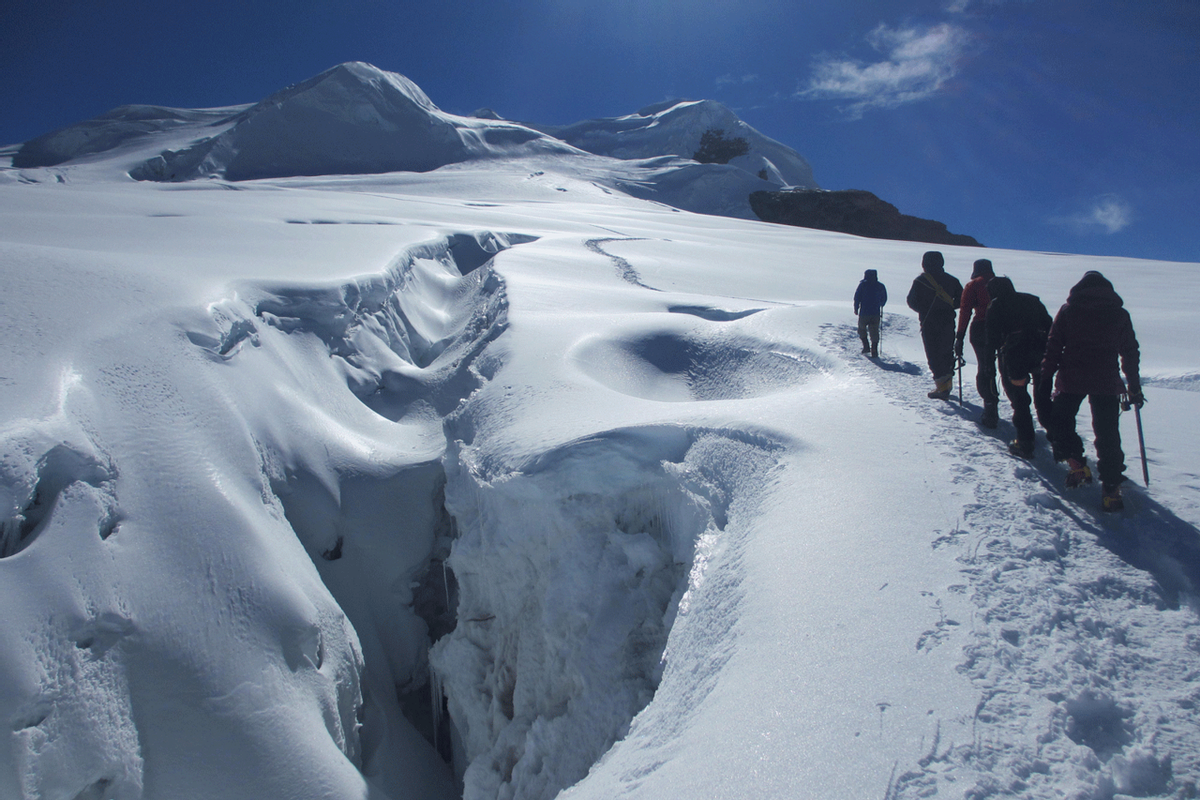
- Snow-covered trails, crevasses (safely managed by your guides), and icy sections on summit day
- Crampons, ice axe, harness, and rope work required for the final ascent
There’s no vertical climbing or ladder crossings, but the sheer altitude and glacier travel make it a serious challenge. You’ll do a full gear briefing and skills session before heading to high camp.
Weather
The conditions on Mera Peak can be extreme, especially from High Camp and on summit night. Expect sub-zero temperatures, high winds, and snow underfoot. Most summit bids start between 1:00–3:00am to take advantage of firmer snow and stable weather. Being well kitted out for the cold is absolutely essential.
Essential Kit
Explore our essential kit picks so you're comfortable, safe, and ready for every step. Download the full checklist to nail your packing.
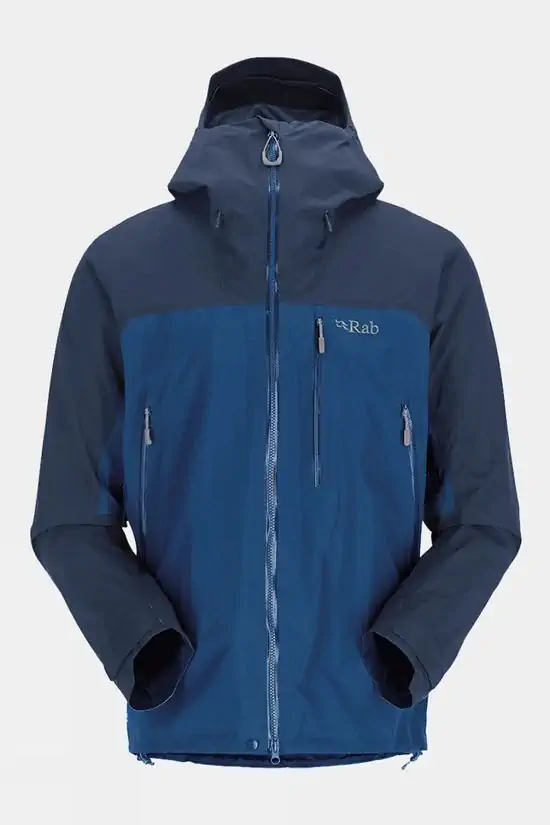
Waterproof jacket
A versatile gore-tex or similar material jacket is ideal for year round walking, hiking and trekking in the roughest weather. Jackets like the Latok Mountain GORE-TEX® Pro Jacket offer great weather protection and breathability when you need it.

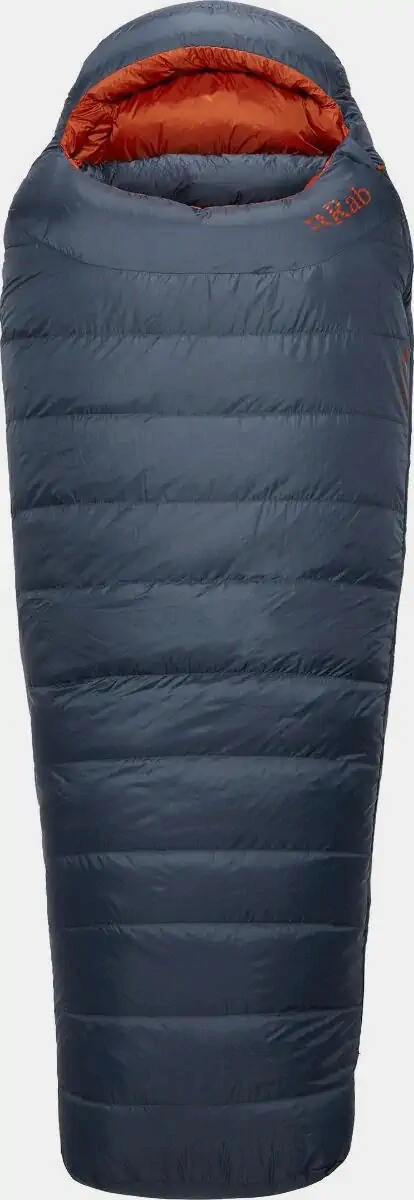
Extreme cold sleeping bag
For expeditions in freezing temperatures, a high-fill down sleeping bag is crucial. The Rab Ascent 1100 offers serious warmth and durability, making it suitable for winter camping and alpine bivvies.
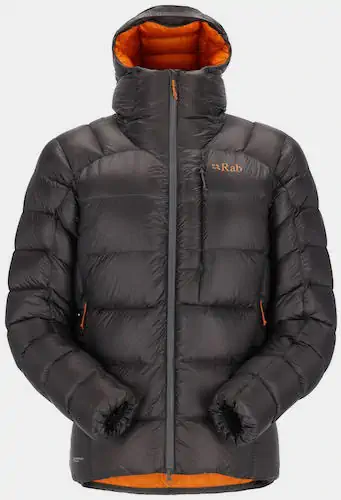
Highly insulated down jacket
A high-loft, ultralight down jacket provides maximum warmth for minimal weight—perfect for cold belays or alpine starts. Jackets like the Rab Mythic Ultra deliver cutting-edge insulation performance.

Base layer top
A warm and breathable long-sleeve base layer, combining materials like Merino wool and synthetic fibres, helps regulate body temperature in various outdoor conditions. The Helly Hansen Lifa Merino Midweight is one such example.
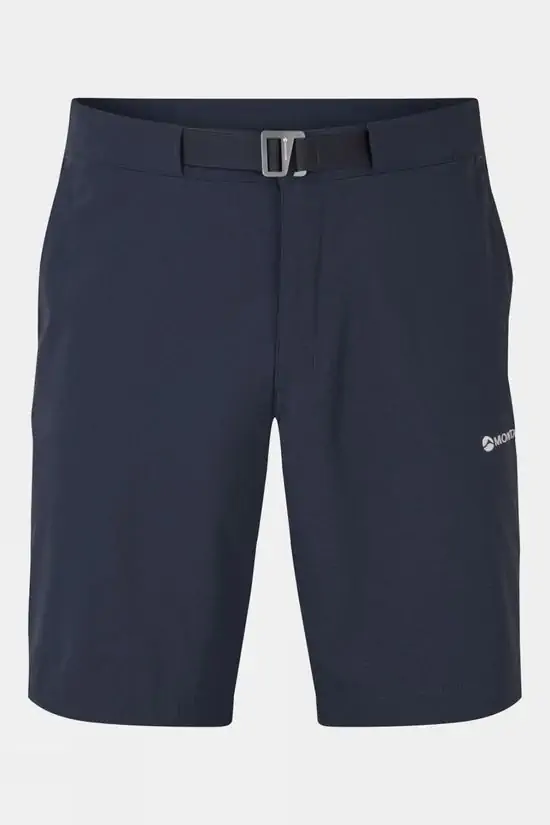
Trekking shorts
Lightweight and durable walking shorts are ideal for fast-paced mountain hikes. Shorts like Montane's Tenacity Lite use stretch fabrics to offer protection from wind and abrasion.
Trekking trousers
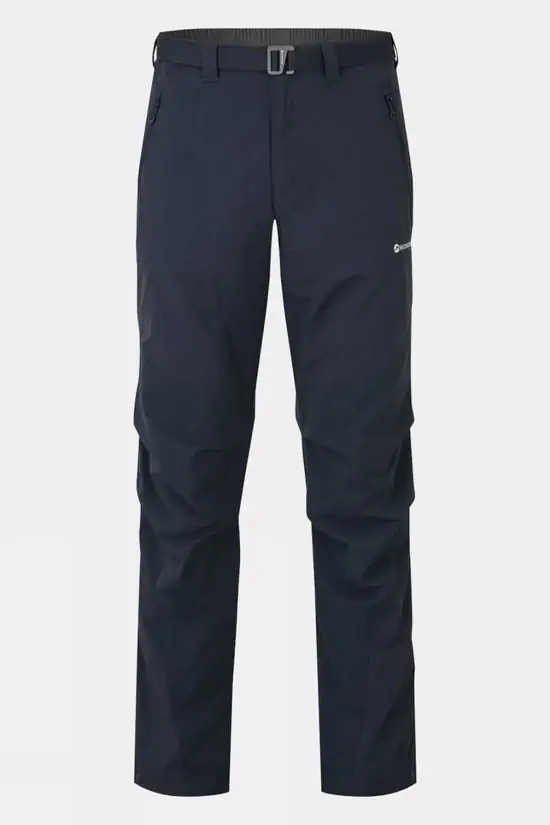
Tough, lightweight and versatile trousers are perfect for a range of outdoor activities. The Montane Terra Pants continue to be a go-to choice for everything from trekking to scrambling.
Trekking poles
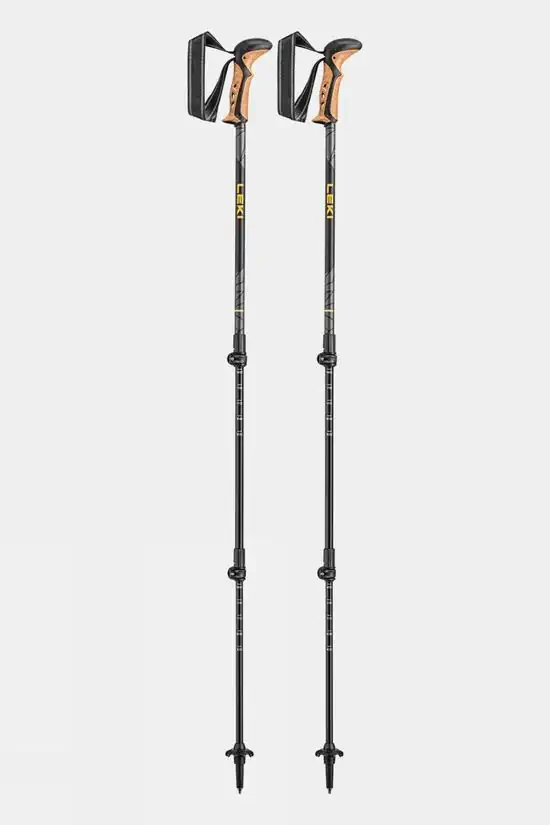
Lightweight yet sturdy walking poles help with balance and reduce strain on steep or uneven terrain. The Leki Khumbu Lite poles are a popular option for hill walking and mountain hiking.

Mountain sunglasses
Protective and high-performance sunglasses are important for alpine environments. Sunglasses like the Julbo Shield Reactiv combine style with serious high-mountain protection.
Women's performance leggings
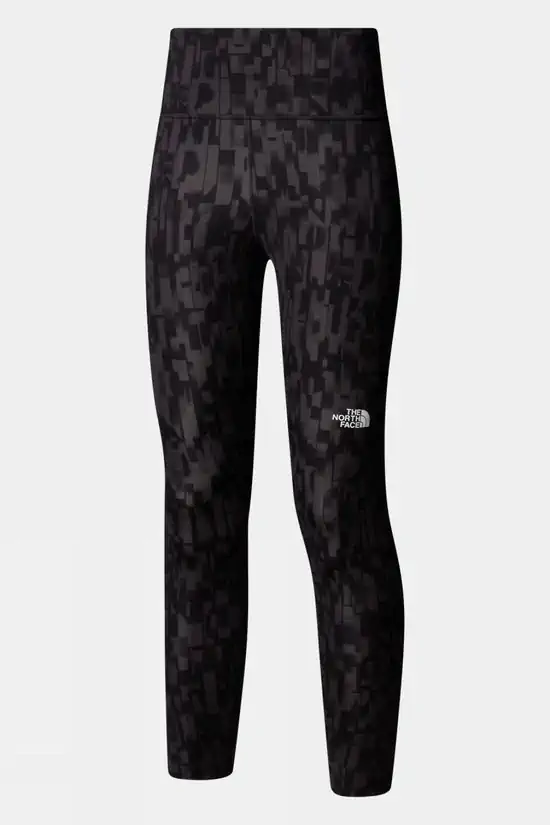
Lightweight leggings with moisture-wicking fabrics are ideal for active use. The North Face Flex High Rise Leggings offer comfort and sweat management during exercise.
Technical T-shirt
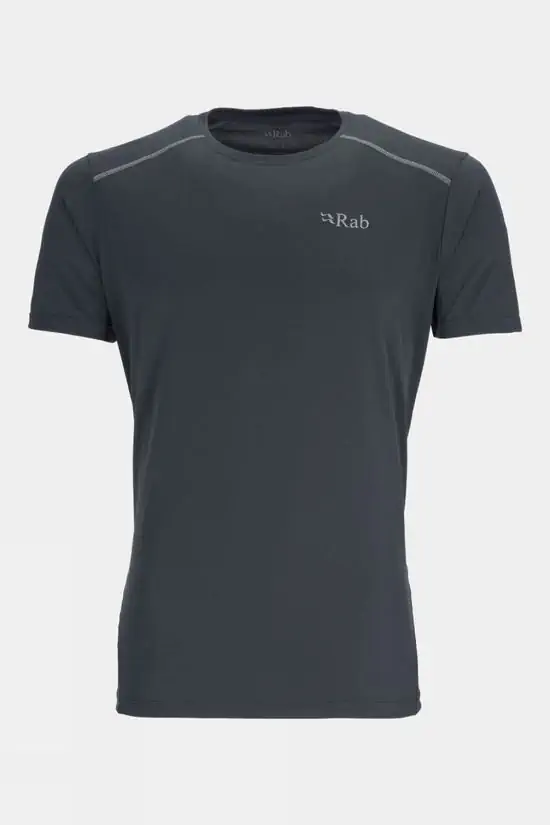
A moisture-wicking technical tee is essential for active days in the hills. The Rab Force T-Shirt is a reliable choice for mountain walkers and runners alike.
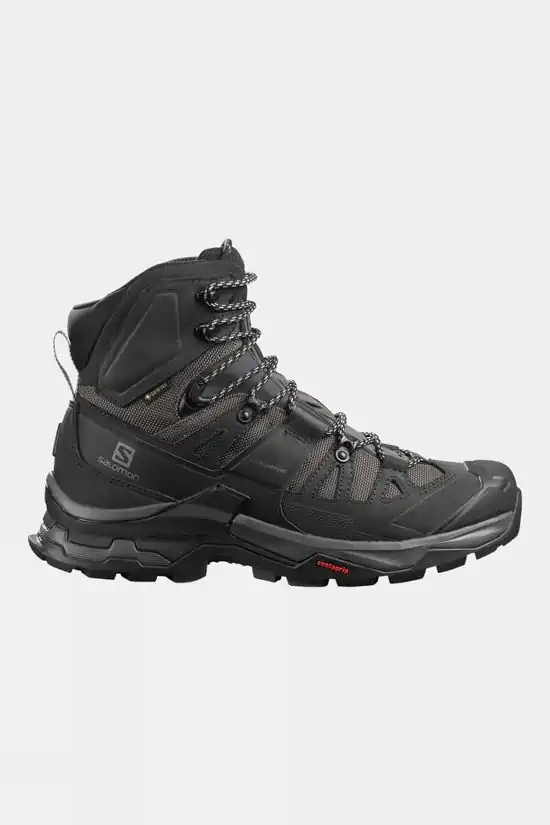
Men's hiking boots
Supportive and grippy walking boots are key for long hikes and rugged trails. The Salomon Quest 4 GTX boots are built for demanding conditions and multi-day use.

Hiking socks
A good pair of merino-blend walking socks helps keep feet warm and comfortable on long walks. The Bridgedale Merino Hiker socks are a dependable option for various terrains.
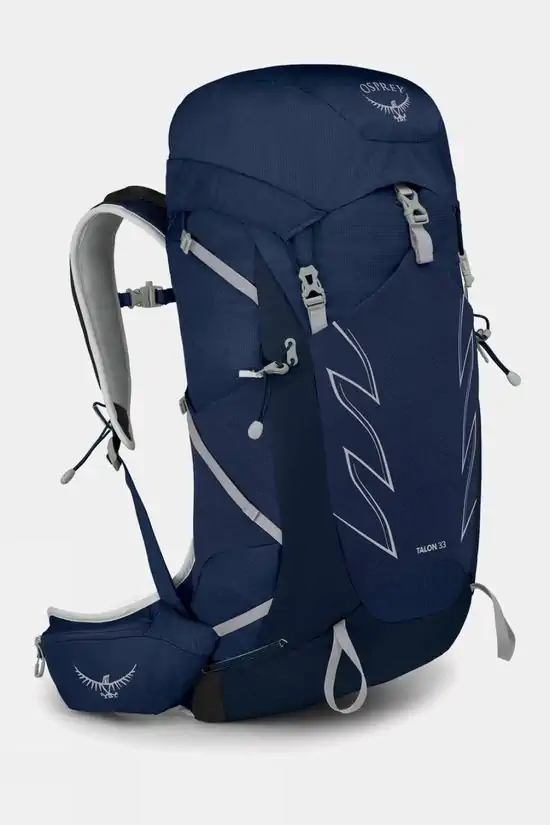
Daypack
A 30-35L daypack is a great size for longer hikes or overnight trips. Packs like the Osprey Talon 33 balance load well and offer good back ventilation.
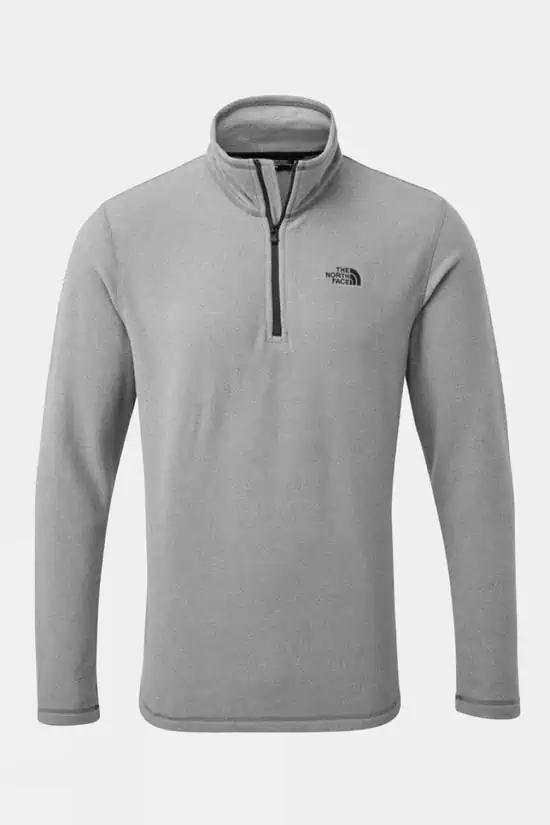
Fleece mid layer
A soft, insulating fleece is great for layering on cooler days. The North Face Cornice II is a sustainable option made from recycled materials.
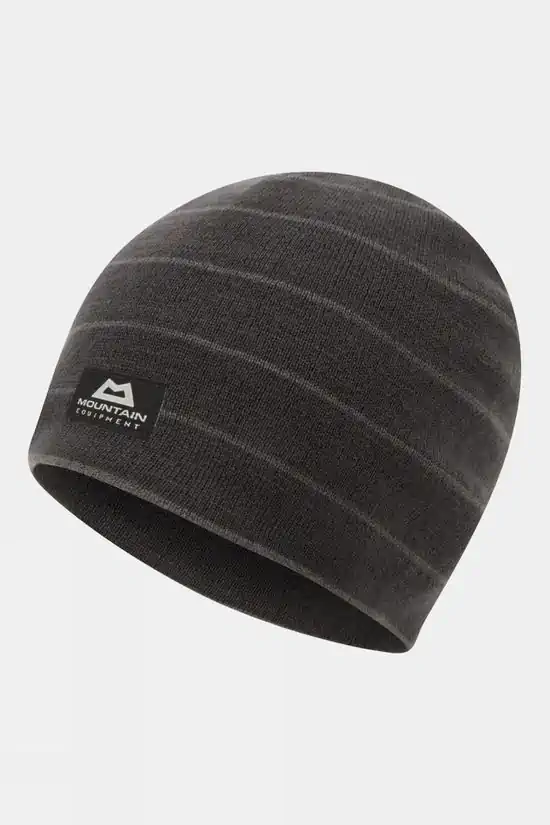
Warm beanie
A warm and comfortable beanie is ideal for cold weather walks or everyday use. The Mountain Equipment Humbolt Beanie fits the bill.

Hydration reservoir
A 2-3L hydration bladder helps you stay hydrated on the move. The Osprey Hydraulics 3L Reservoir is stable, easy to use, and reliable.

Water bottle
A durable, wide-mouth bottle is handy for refilling on the go. Nalgene's Sustain 1L Water Bottle is a classic, perfect for day hikes or longer trips.
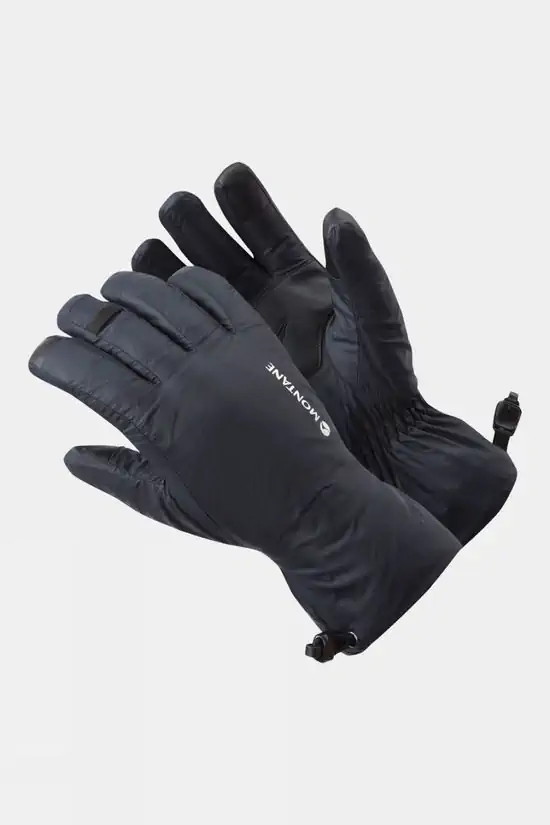
Insulated gloves
Warm, waterproof gloves are essential for wet and cold mountain days. Gloves like the Montane Respond Dry Line offer protection and dexterity in tough conditions.

Headtorch
A compact and bright headtorch is important for early starts or late finishes. The Petzl Tikka 350L is simple to use and effective for low-light navigation.
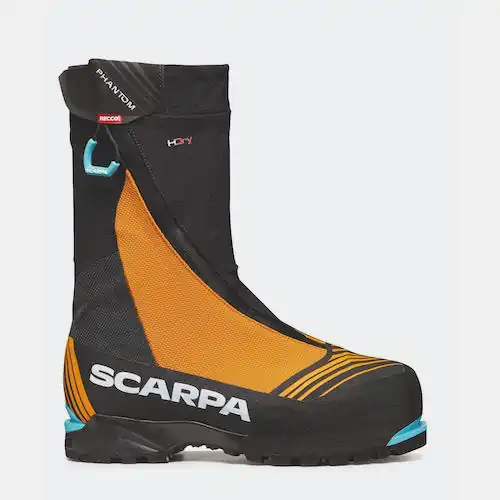
High-altitude mountaineering boots
Warm, waterproof, and supportive boots are essential for cold weather ascents and technical alpine routes. Boots like the Scarpa Phantom 6000 HD are designed for high-altitude performance and challenging conditions.

Crampons
C2-rated crampons are ideal for general mountaineering and glacier travel. Models like the Grivel C2 provide secure grip on snow and ice and pair well with stiff-soled mountain boots.
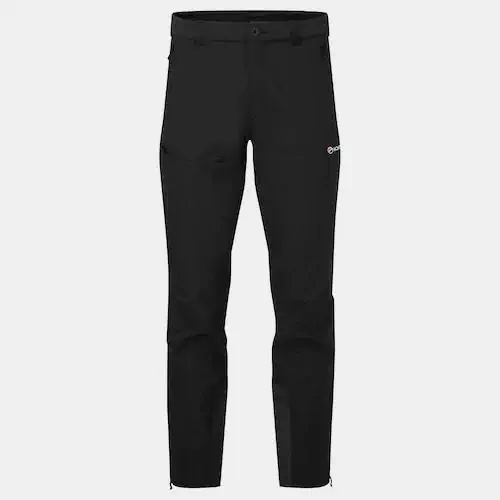
Insulated mountain trousers
Thermal mountain trousers are key for keeping warm in cold, exposed environments. Pants like the Montane Dynamic XT are built for winter mountain use, offering both insulation and stretch for movement.

Ice axe
A lightweight but strong ice axe is essential for self-arrest and security on snow-covered slopes. The Black Diamond Raven Ice Axe is a trusted tool for general mountaineering.
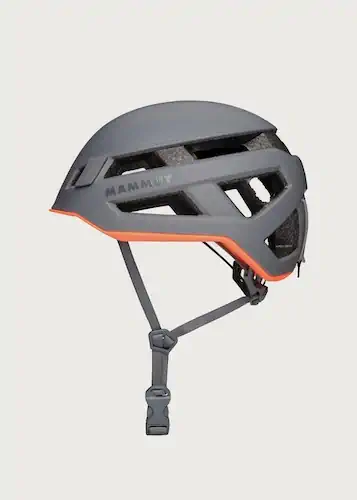
Climbing helmet
A protective climbing helmet is vital in alpine terrain to guard against falling debris and impacts. Helmets from brands like Mammut offer reliable coverage and comfort for long days on the mountain.
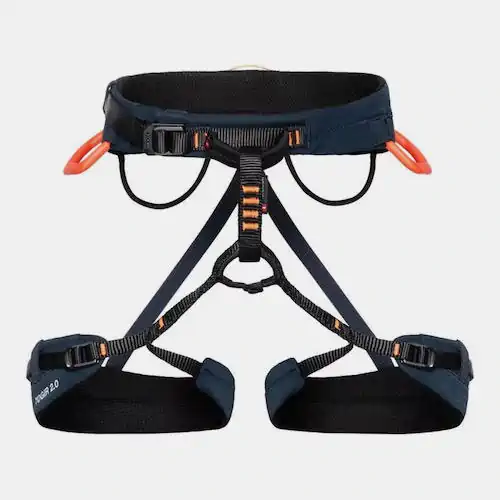
Climbing harness
A well-fitting harness is crucial for ropework and glacier travel. Lightweight options like those from Mammut balance comfort and function for alpine and mountaineering use.
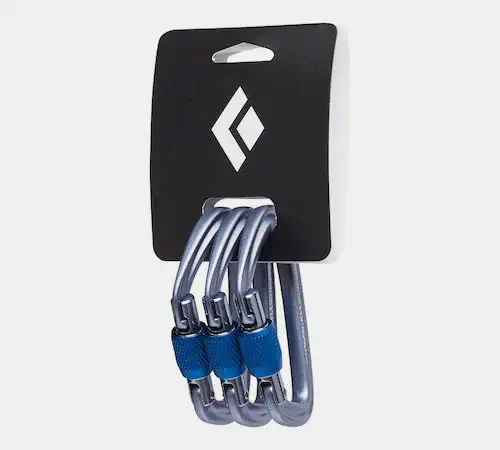
Locking carabiners
A few screwgate carabiners are key for setting up anchors, belaying, or securing critical gear. Black Diamond screwgate carabiners are a dependable choice for mountaineering and climbing.
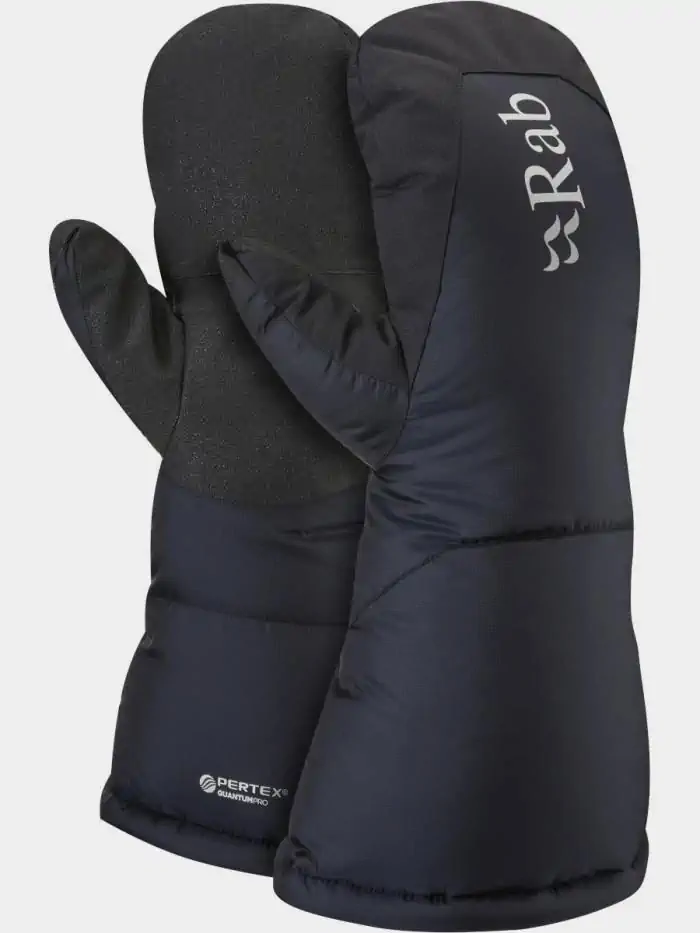
Down mitts
Warm, insulated mitts are essential for extreme cold and high-altitude conditions. Mitts like the Rab Endurance Down Mitt use high-loft down and weather-resistant fabrics to keep your hands protected in freezing temperatures.
Explore our essential kit picks so you're comfortable, safe, and ready for every step. Download the full checklist to nail your packing.
Trip Extensions
Chitwan Trip Extension - Jungle Safari
Chitwan National Park is the perfect way to wind down and relax after your rugged trek to Everest Base Camp. Nestled in the southern lowlands of Nepal, this pristine national park offers a different kind of adventure - one that’s all about wildlife, nature, and tranquility. Here’s why you should consider this amazing extension.
Why Chitwan National Park?
- Rare Wildlife Sightings: Get ready for the awe-inspiring experience of seeing animals like Tigers, Rhinos, Crocodiles, and a variety of bird species in their natural habitat. Chitwan is a wildlife enthusiast’s dream come true!
- Comfortable Accommodation: After the rustic charm of teahouses on your Everest trek, you’ll enjoy the comfort of a lodge and hotel in Chitwan, where you can relax and rejuvenate.
- Jungle Safari: We’ve planned an awesome Jungle Safari that will take you deep into the heart of Chitwan’s wilderness, where you’ll have the chance to encounter incredible wildlife
- Local Guide: You won’t be exploring this wild terrain alone. We provide you with a knowledgeable jungle guide during the safari to enhance your experience and keep you safe.
Thinking this add-on might just be your next big Himalayan upgrade? We hope so!
Select your extension at checkout, or if you’ve already booked your trip just give us a call at 02920 003216, and we’ll take care of the rest.
FAQs
The Ultimate Mera Peak trek with EverTrek typically costs between £3550 and £3600, depending on date you choose. This includes all permits (including the Mera Peak climbing permit), accommodation, meals during the trek and full support from our experienced trekking and climbing guides.
This trek is more challenging than Everest Base Camp due to the summit climb of Mera Peak at 6,461 metres. You’ll need a very good level of fitness, along with mental resilience and the ability to trek for multiple consecutive days. Climbing Mear Peak is physically demanding due to its altitude, but not technically difficult.
Training for Mera Peak should include cardiovascular endurance, strength training (especially for legs and core), and long-duration hikes carrying weight. Add hill walking, stair climbing, and gym sessions with weighted packs to simulate trekking conditions.
We recommend training 4–5 times a week in the months leading up to the trek. EverTrek also offers UK-based training weekends (e.g. in the Brecon Beacons and Snowdonia), which are a great opportunity to prepare and build your confidence.
It is also recommended you complete a winter skills mountaineering course to become more familiar with the use of equipment like crampons and ice axes.
Mera Peak, stands at 6,461 metres It is a non-technical climbing peak but involves glacier travel, and the use of ropes, a harness, and crampons.
Most expenses are included in the trip cost, but you’ll want to budget for personal items such as snacks, soft drinks, hot showers, charging electronic devices, Wi-Fi access, and tips. We recommend allowing £20 to £45 per day to cover these extras throughout the trek.
Yes, hot showers are available at most teahouses in the early part of the route. As you approach Mera Peak Base Camp, facilities become much more basic and may not include showers. At higher altitudes, most trekkers opt for wet wipes or quick washes due to the cold and limited water supply.
The best times to attempt Mera Peak are:
- Spring (March to May) - Stable climbing conditions, warm days, and clear views.
- Autumn (September to November) - Cooler temperatures and excellent mountain visibility, with minimal rainfall.
Tipping is customary and a meaningful way to thank your team. For the Ultimate Mera Peak trek, we recommend tipping around 10% of your trip cost. On a £3550 trip, a tip of approximately £355 per person is appropriate and will be shared among your trekking and climbing team.
Altitude sickness is a serious consideration, particularly as Mera Peak exceeds 6,000 metres. To reduce your risk:
- Follow a gradual ascent, with acclimatisation days built into the itinerary.
- Stay hydrated, drinking 3–4 litres of water each day.
- Avoid alcohol and smoking during the trek.
- Recognise symptoms like headache, nausea, dizziness, and fatigue early.
- Use medication such as acetazolamide (Diamox) if recommended by your GP.
- Communicate openly with your guide, altitude sickness can be manageable if not ignored, however if symptoms worsen, descent is essential, and your guide will ensure your safety.
Yes, you can rent all the technical climbing equipment required for Mera Peak, including a helmet, crampons, rope, ice axe, harness, and ascender. We recommend letting us know well in advance of your trip date so our team can ensure the gear is prepared and ready for you upon arrival in Nepal.
Yes, there is a 15kg weight limit for your checked duffel bag and carry-on daypack combined on the domestic flight to Lukla. This includes all your trekking gear. It can be a bit of a challenge, but with a smart packing strategy, it’s entirely manageable. We recommend packing light, using multi-purpose clothing, and buying heavier or bulkier items like snacks or toiletries in Lukla to help stay within the limit.
We do not offer rental of mountaineering boots, sleeping bags, or down jackets as having high-quality, properly fitting gear is essential for a successful summit attempt on a 6,000m Himalayan peak.
Locally rented gear can be hit and miss, and availability cannot always be guaranteed, especially during busy trekking seasons.
We know this gear can be a significant investment, but having high-quality, well-fitting equipment is crucial for a summit attempt on a 6,000m Himalayan peak. Locally rented gear can be hit and miss, and there’s nothing worse than having to turn back because your boots caused blisters, or your sleeping bag wasn’t warm enough. Bringing your own trusted kit gives you the best chance of success and comfort on the mountain.
Yes, this trip requires a minimum of 4 EverTrekkers for it to be confirmed and guaranteed to go ahead. We’ll let you know at the time your final balance is due (which is 6 months before the trip) whether the trip is going ahead or if the minimum group size hasn’t been met.
We strongly recommend avoiding any non-refundable costs (such as flights or accommodation) until you’ve received confirmation that your trip is guaranteed.
Please read out minimum number terms and conditions for more info around refund & payment terms.
To keep things flexible for you, internal flights are arranged directly by our trusted local partner. This means your flights can be tailored to your exact trip dates and adjusted locally if needed - especially useful in destinations like Nepal, where weather or conditions can affect schedules.
It’s a simple process: our local partner will handle everything and reserve your flight and transfers as soon as they receive your details from us (which happens almost instantly after booking). You’ll receive a secure payment link from them closer to your trip - no admin, no hassle, just straightforward local organisation.
While you are free to arrange your internal flights separately, we strongly recommend using our trusted in-country partner.
They will book the correct flight for your trip based on your confirmed itinerary and handle everything, including your airport transfers and any local schedule changes, which are common in destinations like Nepal due to weather conditions.
If you choose to book your flights elsewhere, you’ll also need to arrange your own airport transfers and ensure you arrive at the correct location and time to join the group.
Booking independently may result in mistimed connections or logistical complications that could affect your trip experience. If you are considering this, we ask that you contact us first so we can help you understand the implications.
The internal flights cost approx $450 per person. These are arranged by our trusted local partner, who will ensure your flight matches your itinerary and takes into account any local conditions. You'll receive a secure payment link closer to your trip, and the process is smooth, fully managed, and requires no extra effort from you.
The moment you book your trek, we pass your details to our local team, who reserves your internal flight right away based on your trip dates.
Payment for your internal flight is due no later than 30 days before your trip start date. The payment link will be sent to you by our trusted partner, 2-3 months before your trip start date to pay.
Once payment is made, you'll receive a receipt confirming it’s been received. There’s nothing else you need to do - it’s a simple, stress-free process handled by the same team supporting your trek on the ground.
Refunds for internal flights are handled by our local partner, as the flight is booked directly through them and not included in your EverTrek package.
If you cancel your EverTrek trip more than 90 days before your departure, no internal flight payment will have been collected, and no action is required.
If you cancel after payment has been made, and this is within 90 days of your departure, the internal flight payment is non-refundable, as tickets will have already been issued and are non-transferable.
If you need to change your trip dates, we’ll notify our local partner on your behalf after our agreement to a trip reschedule .
- Changes made 91+ days before departure can usually be accommodated at no extra cost.
- Changes within 90 days are reviewed case-by-case by our partner and may incur additional charges depending on airline policies.
In destinations like Nepal, internal flights can occasionally be affected by weather or local conditions. That’s exactly why we work with experienced in-country partners - they’re on the ground, fully connected with local airlines, and best placed to act quickly if plans need to change.
By having your flight handled locally, you get faster rebooking, better communication, and real-time support - all without having to do a thing. It’s one of the key benefits of using our trusted partner and ensures your trip stays on track with as little disruption as possible.