WhatsApp us







 Best Sellers
 Bucket List Adventures
 Short Trips
 Training Weekends
 Epic Peaks
 Remote Adventures
 Hardcore Challenges
Let's delve into the world of crampons and discover how these little spikes of wonder can transform you into a veritable mountain conqueror. No more slipping and sliding like a cartoon character on an icy slope.
With crampons, you'll be able to take on any mountain like a boss. So, grab a cup of hot cocoa, sit back, and prepare to learn all there is to know about crampons and how they can help you become the ultimate mountain king or queen.
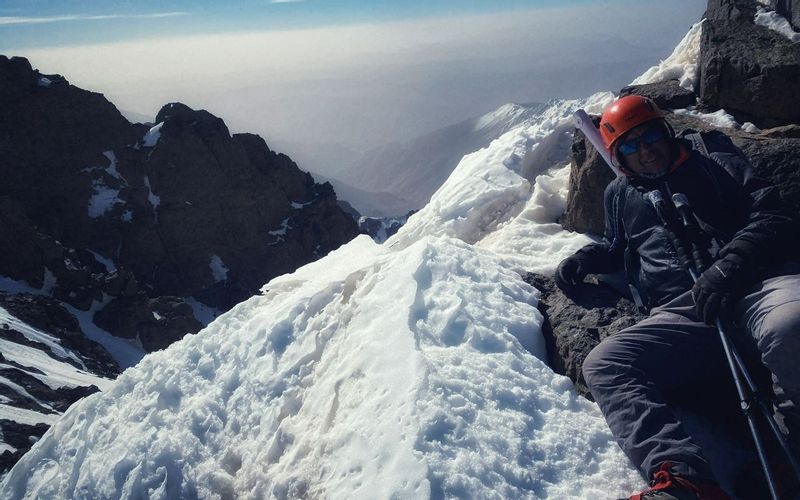
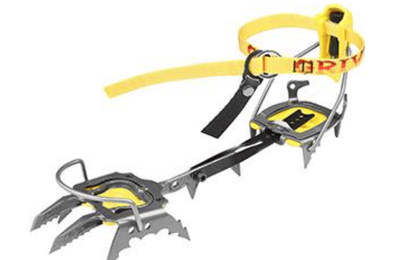
Crampons are essentially a set of spikes that are attached to the bottom of a person's boots. These spikes dig into the snow or ice, providing a solid footing that helps the wearer maintain balance and prevent slipping. Without crampons, it can be difficult or even impossible to safely walk on steep or icy / snowy terrain.
There are a few different types of crampons, and each set will only fit onto a compatible pair of boots, the question is, “What boots and crampons do I need for my trip?"
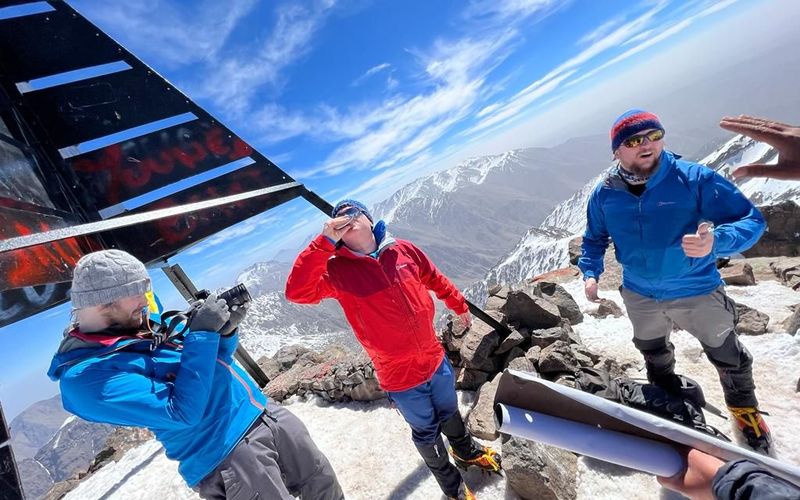
The first thing is to understand the different boot and crampon ratings and what they are used for: Boots have a B rating: B0, B1, B2, B3
Crampons have a C rating: C1, C2, C3
What do these mean?
B0 boots are the most flexible and most popular hiking boot. The lightweight and flex makes them the most comfortable right out of the box. Technically a C1 crampon will fit this type, however the added flex means the boot can move within the binding, so for reasons of comfort and safety, using crampons with a B0 boot should be avoided.
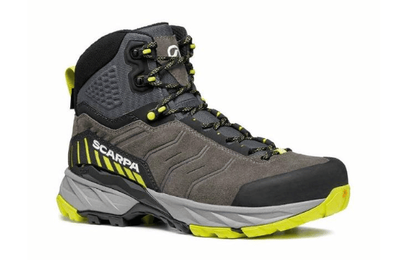
B1 boots are stiffer than a B0 boot but still relatively flexible. They are commonly used for moderate and long-distance trekking, and are suitable for most types of terrain, including rugged and rocky terrain and winter conditions. The stiffened sole means they will work well with a C1 Crampon.
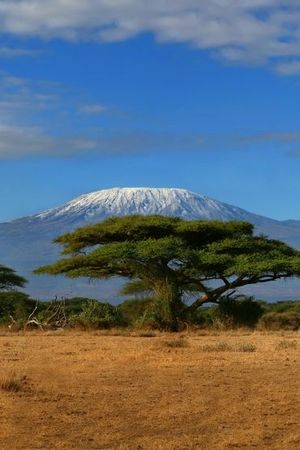
These boots are good for 4 season UK winter hill walking, as well as peaks such as Kilimanjaro and Mt Toubkal.
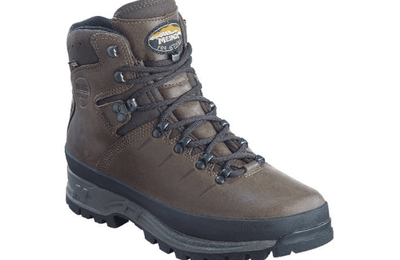
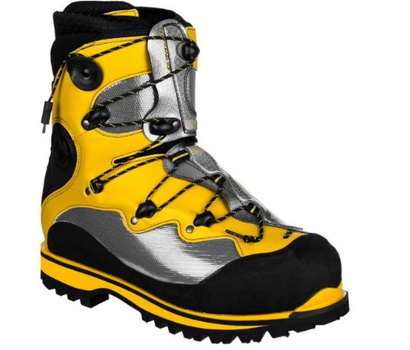
B2 Boots are significantly stiffer boots, they are designed for more demanding and technical trekking, climbing and mountaineering. They are suitable for very rough terrain and some high altitude peaks. Both midsoles and uppers will be stiff and supportive, this means they often need a longer breaking in period to be comfortable for longer walks. B2 Boots feature a heel ledge to allow fitting of a C2 crampon for a more secure fit.
These boots are good for the trekking sections (not the mountaineering part) high altitude peaks such as Island Peak, Mera Peak, Lobuche Peak, Pisang Peak.
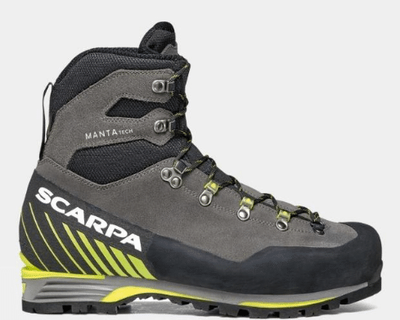
B3 Boots are the stiffest and are designed for extremely technical climbing and high altitude mountaineering. B3 Mountaineering Boots are designed to fit C3 crampons and have heel and toe welts to take advantage of the easy step-in attachment system. They are designed for high altitude technical mountaineering, mixed and ice climbing, and often have a double layer system for use in extreme cold.
These are the level of boots required for the mountaineering sections of Island Peak, Aconcagua, Ama Dablam or similar technical high altitude mountaineering peaks.
Crampon Ratings Chart
The C rating relates to the binding (the way it attaches to the boot). It is an indication of what boot a crampon binding will fit, regardless of the crampon's spike configuration.
C1 Crampons
- Suitable for: UK winter hill walking, Winter ascent of Mt Toubkal
- Compatible with: B1 boots
- C1 crampons have flexible cradles around the heel and toe to create a secure binding. This system allows good flex and is suitable for fitting to B1 boots.
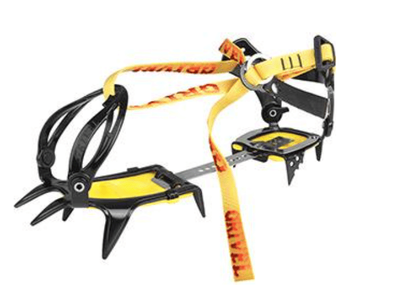
C2 Crampons
- Suitable for: Technical winter scrambles, winter climbing, non technical high altitude peaks.
- Compatible with B2 Boots.
- C2 crampons use a plastic heel lever and a flexible toe cradle. This system will give a secure binding to B2 boots. These are the-12 point all-rounders that are easy enough to walk in but excellent for winter climbing.
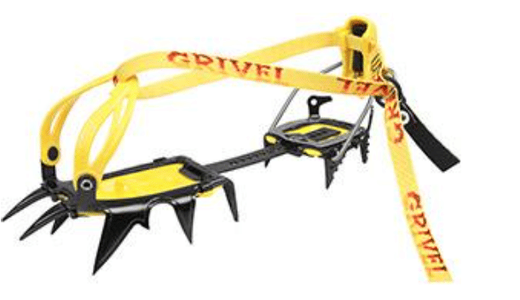
C3 Crampons
- Suitable for: Ice climbing, technical mountaineering, High altitude peaks.
- Compatible with: B3 boots only.
- C3 crampons combine a plastic heel lever and metal toe bar. This step-in system gives a really solid fit but will only work with full B3 boots. Usually, a C3 crampon has 12 or 14-points that offer precise performance on steep ice or highly technical mixed routes and aggressive front points give the best penetration on hard ice. Best for use on Aconcagua or other high altitude technical peaks such as Ama Dablam.
Mt Toubkal Roof of the North Weekender
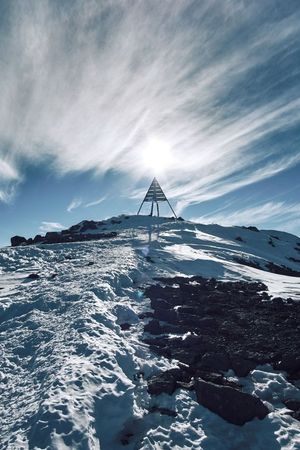
- If you’re craving a quick escape with a big summit payoff, the Toubkal Weekender delivers a punchy dose of mountain adventure.
- This express trek takes you straight from the vibrant streets of Marrakech into the rugged beauty of the High Atlas Mountains, where North Africa’s highest peak, Mount Toubkal (4,167m), awaits.
- Winding through the dramatic High Atlas, you’ll pass remote Berber villages, rugged ridgelines, and wide-open valleys before bunking down in a mountain refuge ahead of your summit push.
Ultimate Island Peak and Everest Base Camp Expedition
- This is the full Himalayan experience, an epic loop through the Khumbu region that throws in everything from Gokyo’s glacial lakes to the legendary passes of Cho La and Kongma La.
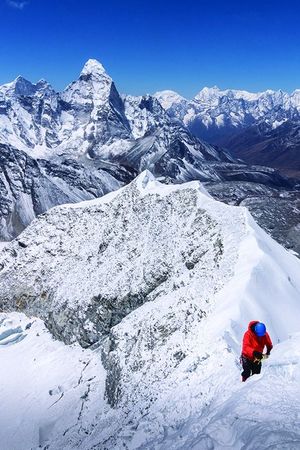
- After ticking off Everest Base Camp, you’ll swap trekking poles for ice axes as you rope up for the ultimate finale: a climb to the summit of Island Peak at 6,189m.
- With glacier travel, fixed ropes, ladder crossings and a knife-edge summit ridge, this is a genuine mountaineering adventure.
Ultimate Mera Peak Expedition
- High above the Khumbu Valley, where the air thins and the giants of the Himalayas rise around you, Mera Peak (6,476m) offers a summit experience unlike any other in Nepal.
- This is the highest trekking peak in the country and from its broad summit, the views are nothing short of legendary: five 8,000m peaks, including Everest, Lhotse, Makalu, Cho Oyu, and Kangchenjunga, all on the horizon.
- The journey to the top is a proper expedition-style adventure, combining wild trails through remote villages and alpine forests with glacier travel and a big mountain summit day.