WhatsApp us



 Best Sellers
 Bucket List Adventures
 Short Trips
 Training Weekends
 Epic Peaks
 Remote Adventures
 Hardcore Challenges

Expert Advice from Gregory x EverTrek
Your main kit might travel in a duffel, but your day pack is the bag that actually walks the trail with you.
Whether you’re trekking to Everest Base Camp, climbing Kilimanjaro, hiking the Inca Trail to Machu Picchu or taking on another bucket-list adventure, your day pack carries the things you’ll need during the trekking day: layers, waterproofs, water, snacks, medication, valuables, sun protection and the bits you’ll want quickly without having to stop and rummage through your main bag.
Pack it well, and your day feels smoother, safer and more comfortable.
Pack it badly, and you’ll either carry too much, forget something important, or spend half the day digging around for your waterproof jacket while the weather does what mountain weather does best.
This guide brings together Gregory’s pack-fit expertise with EverTrek’s real trail experience from trips like Everest Base Camp, Kilimanjaro and Machu Picchu — so you know not just what to carry, but how to carry it comfortably.
Here’s what you should actually carry in your day pack on a big trek.
Your day pack doesn’t need to carry everything. It needs to carry the right things for the day ahead.
Quick Answer: What Should You Carry in Your Day Pack?
For most big trekking days, your day pack should include:
- Waterproof jacket and trousers
- Warm layer or insulated jacket
- Water bottle or hydration bladder
- Snacks and electrolytes
- Sun cream, sunglasses and sun hat
- Personal medication
- Basic blister care
- Passport or permits, if needed that day
- Phone, power bank and camera
- Small amount of cash
- Toilet paper, hand sanitiser and hygiene items
- Headtorch, depending on the route or summit day
- Rain cover or dry bags
- Any valuables you don’t want in your main bag
The golden rule is simple:
Carry what you may need before you see your main bag again.
On many supported treks, your main duffel is carried separately by porters, yaks, mules or support staff. That means once the day begins, you usually won’t have access to it until you reach your next lodge, camp or hotel.
Your day pack needs to cover the walking day.
Not your entire life.
TOP TIPS
Waterproofs go near the top - You need to grab them quickly when the weather changes.
Carry what you’ll need today - Your day pack isn’t your main bag.
Keep weight close to your back - It helps the pack feel more balanced and comfortable.
Practise before the trek - Training walks are the best time to test your pack setup.
Why Your Day Pack Matters on a Big Trek
A day pack isn’t just a smaller version of your main bag.
It’s the pack you’ll wear for hours at a time, often over uneven trails, in changing weather, at altitude, and sometimes when your legs are already feeling the day.
That means two things really matter:
It needs to fit properly.
And it needs to be packed properly.
According to Gregory, comfort starts with fit. Your day pack should feel stable and secure, sitting close to your body without pulling heavily on your shoulders or bouncing around as you walk.
Getting the fit right means thinking about more than just the size of the pack. Torso length, shoulder straps, hipbelt position, sternum strap and load lifters all play a part in how comfortably your pack carries over a long day on the trail. Check out the Gregory day pack fitting guide here [insert link]
Gregory also recommends thinking carefully about how your pack is loaded. Heavier items should sit close to your back, while the things you’ll need quickly - like waterproofs, snacks, sun cream or an extra layer - should be easy to reach without unpacking everything on the trail.
But even the best pack can become uncomfortable if it’s overloaded, badly balanced or filled with things you don’t actually need.
That’s where EverTrek’s trekking experience comes in.
The aim isn’t to carry as much as possible.
The aim is to carry the right things, in the right place, so you can walk comfortably and get to what you need quickly.
What Size Day Pack Do You Need for a Big Trek?
For most supported treks, a day pack of around 20–35 litres is usually enough.
That gives you room for layers, waterproofs, water, snacks, personal items and trail essentials without encouraging you to pack the kitchen sink.
For trips like Everest Base Camp, Kilimanjaro and the Inca Trail, your main kit is usually carried separately. Your day pack is for the things you need during the day, not your sleeping bag, spare shoes, full wash kit or evening clothes.
As a general guide:
- 20–25 litres can work well for lighter trekking days or warmer conditions.
- 25–30 litres is a good all-round size for most big treks.
- 30–35 litres can be useful for colder routes, summit days or if you carry extra layers, camera kit or personal items.
The best size depends on the trek, the climate, the season and how much you personally need to carry.
But bigger isn’t always better.
A huge day pack often leads to one thing: filling it with stuff you don’t need.
Gregory’s advice is to think beyond litres alone. The right capacity matters, but so does fit, torso length, strap adjustment and how the pack feels once it’s loaded. A 25–30 litre pack that fits properly will usually feel far better than a larger pack that sits badly or encourages you to overpack.
Kilimanjaro The Long Way
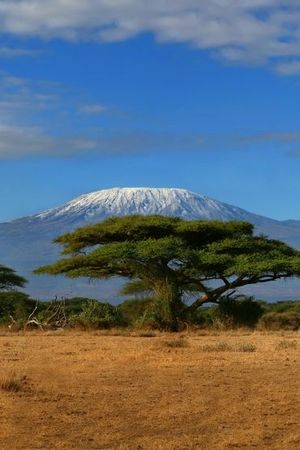
- Kilimanjaro isn’t just Africa’s highest peak, it’s one of the legendary Seven Summits, making it a true challenge and bucket-list climb for trekkers and mountaineers alike.
- The Lemosho Route is the most scenic and well-paced way to reach the Roof of Africa, giving you time to acclimatise and soak in the ever-changing landscapes.
- From dense rainforest to sweeping alpine ridges and the glacier-capped summit of Uhuru Peak at 5,895m, this is a high-altitude adventure on one of the world’s most iconic mountains, with a final summit push you’ll never forget.
Machu Picchu via the Inca Trail - The Way of the Incas
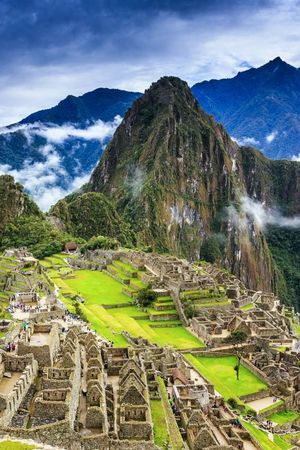
- The Inca Trail to Machu Picchu (4,200m/13,780ft) isn’t just a hike – it’s a journey through ancient legends, cloud forest magic, and rugged Andean beauty.
- As you walk in the footsteps of the Inca, past crumbling ruins and misty mountain passes, you’ll feel a sense of adventure that stays with you long after the trek ends.
- This is the bucket list trail for any thrill-seeker craving a once-in-a-lifetime challenge that ends at one of the world’s greatest wonders.
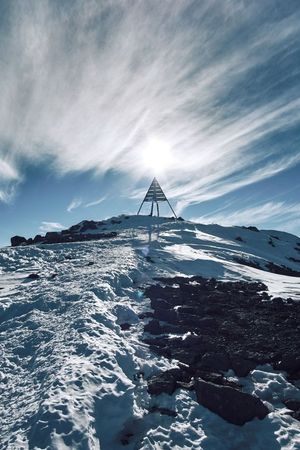
Mt Toubkal Roof of the North Weekender
- If you’re craving a quick escape with a big summit payoff, the Toubkal Weekender delivers a punchy dose of mountain adventure.
- This express trek takes you straight from the vibrant streets of Marrakech into the rugged beauty of the High Atlas Mountains, where North Africa’s highest peak, Mount Toubkal (4,167m), awaits.
- Winding through the dramatic High Atlas, you’ll pass remote Berber villages, rugged ridgelines, and wide-open valleys before bunking down in a mountain refuge ahead of your summit push.
What to Carry in Your Day Pack
1. Waterproof Jacket and Trousers
Mountain weather changes quickly.
Even if the day starts clear, you should usually have waterproofs in your day pack. This is especially important on treks where you’re walking for several hours before reaching your next stop.
Your waterproof jacket should be easy to access. Don’t bury it at the bottom of your bag underneath snacks, spare layers and camera gear.
If it starts raining, you want to reach it quickly.
Waterproof trousers are also worth carrying on longer trekking days, especially in places like the Himalayas, the Andes or on summit days where wind and weather can change fast.
EverTrek tip: Pack waterproofs near the top of your day pack or in an easy-access compartment.
2. Warm Layer or Insulated Jacket
Even on warm treks, temperatures can drop quickly when you stop walking, gain altitude or get caught in wind or cloud.
A fleece, synthetic insulated jacket or lightweight down jacket is often one of the most important things in your day pack.
You may not wear it all day, but you’ll be glad you have it when you stop for lunch, wait at a viewpoint, or start early in the morning.
For colder treks or summit days, this layer becomes even more important.
EverTrek tip: Don’t wait until you’re freezing to put on another layer. Layer early, especially when stopping.
3. Water and Hydration
Water is one of the most important things in your day pack.
How much you carry depends on the trek, temperature, altitude and how often you can refill, but many trekkers carry around 2 litres during the walking day.
Some people prefer water bottles. Others prefer a hydration bladder.
Both can work well.
Hydration bladders make it easier to sip regularly while walking, but bottles are easier to monitor, refill and manage in very cold conditions. On summit nights, hydration tubes can freeze, so bottles are often more reliable.
Electrolytes can also be useful, especially on warmer days or when you’re sweating more than expected.
EverTrek tip: Don’t wait until you feel thirsty. Sip regularly throughout the day.
4. Snacks and Trail Energy
Even when meals are included, you’ll usually want snacks during the day.
Good options include:
- Energy bars
- Trail mix
- Dried fruit
- Nuts
- Sweets or jelly babies
- Chocolate, depending on temperature
- Electrolyte tablets
- Small savoury snacks
The best snacks are the ones you’ll actually eat when you’re tired.
This is not the time to pack something because it looks healthy but makes you miserable.
On big trekking days, especially at altitude, appetite can change. Having a few easy, familiar snacks can make a real difference.
EverTrek tip: Keep snacks somewhere easy to reach so you don’t have to unpack your bag every time you need a quick boost.
5. Sun Protection
At altitude, the sun can be stronger than people expect.
Even when the air feels cool, UV exposure can be high, especially in mountain environments with snow, rock, open trails or long days outside.
Carry:
- Sun cream
- Lip balm with SPF
- Sunglasses
- Sun hat or cap
- Buff or neck covering
This matters on Everest Base Camp. It matters on Kilimanjaro. It matters on the Inca Trail. It matters on pretty much any high-altitude or exposed trek.
Sunburn on day two of a multi-day trek is not a badge of honour. It’s just annoying.
EverTrek tip: Keep sun cream and lip balm in an outer pocket or easy-access pouch.
6. Personal Medication and First Aid Essentials
Your guide team will usually carry group safety equipment and a more comprehensive first aid kit, but you should still carry your own personal essentials.
This may include:
- Any prescribed medication
- Pain relief
- Blister plasters or blister care
- Personal altitude medication, if prescribed
- Anti-diarrhoea tablets
- Rehydration sachets
- Hay fever tablets, if needed
- Any personal medical items you rely on
Do not pack essential medication in your main duffel if you might need it during the day.
Keep it with you.
EverTrek tip: If you have medication you must take at certain times, keep it in your day pack and make sure it’s protected from water.
7. Documents, Permits and Valuables
On some trekking days, you may need to carry documents or permits.
This could include:
- Passport
- Trekking permit
- Travel insurance details
- Emergency contact details
- A small amount of cash
- Payment card
- Phone
Your guide will advise what you need on specific days, but as a general rule, valuables and important documents should stay with you rather than going in your main duffel.
Use a waterproof pouch, dry bag or secure internal pocket.
EverTrek tip: Keep digital copies of important documents on your phone, but don’t rely only on your phone. Batteries die. Mountains do not care.
8. Hygiene and Comfort Items
You don’t need your entire wash bag in your day pack.
But a few small hygiene items can make the day much more comfortable.
Useful items include:
- Toilet paper or tissues
- Hand sanitiser
- Small pack of wet wipes
- Period products, if needed
- Small rubbish bag
- Lip balm
- Moisturiser, if you’re prone to dry skin
On remote treks, toilet facilities can be basic. Having your own toilet paper and sanitiser is one of those small things that feels very sensible when you need it.
EverTrek tip: Bring a small sealable bag for used tissues or rubbish. Leave no trace.
9. Phone, Camera and Power Bank
Most trekkers carry a phone for photos, videos and emergency contact where signal allows.
You may also want:
- Camera
- Spare batteries
- Power bank
- Charging cable
- Memory card
- Waterproof pouch
Cold weather can drain batteries faster, especially at altitude, so keep electronics protected and warm where possible.
EverTrek tip: Don’t spend the whole trek looking through a screen. Take the photo, then look up. You came a long way for the view.
10. Headtorch
A headtorch is essential on some trekking days, especially summit days, early starts or routes where you may walk in low light.
For Kilimanjaro summit night, for example, a headtorch is non-negotiable.
For other treks, you may not need it every day, but it’s often worth having in your pack if there’s any chance of an early start, late finish or power cut at accommodation.
Carry spare batteries or make sure it’s fully charged.
EverTrek tip: Test your headtorch before the trek. Finding out it doesn’t work at 2am is not ideal.
How to Pack Your Day Pack Properly
What you carry matters, but where you put it matters too.
A badly packed day pack can feel awkward, pull on your shoulders or make important items hard to reach. A few simple packing habits can make a big difference.
Keep heavier items close to your back
Water, camera kit and denser items will usually feel more comfortable when they sit close to your body rather than swinging around on the outside of your pack.
Keep waterproofs and warm layers easy to reach
Mountain weather changes quickly. Your waterproof jacket, trousers and spare layer should be near the top of your pack or in an easy-access compartment.
Use small pouches or dry bags
Separate medication, snacks, documents, electronics and hygiene items so you’re not rummaging around every time you stop.
Don’t overload outside pockets
Outer pockets are handy for snacks, sun cream or lip balm, but too much weight on the outside can make your pack feel unbalanced.
Adjust your straps properly
A good pack works best when it’s fitted and adjusted correctly. Gregory recommends paying attention to the shoulder straps, hip belt, sternum strap and load lifters, so the pack sits close, feels stable and carries the weight comfortably.
What Not to Carry in Your Day Pack
One of the biggest day pack mistakes is carrying too much.
You usually don’t need your sleeping bag, evening clothes, spare shoes, full wash kit, large towel, full-size toiletries or every charger and adapter you own.
Your main duffel exists for a reason.
Your day pack is for the trekking day - not your entire trip.
Does Your Day Pack Change by Trek?
Yes - slightly.
The core items stay similar, but the emphasis changes depending on the trek, altitude, weather and length of the walking day.
Everest Base Camp
For Everest Base Camp, think layers, sun protection, water, snacks, medication, toilet paper, hand sanitiser and a buff or neck covering. As you get higher, mornings and evenings become colder, and the weather can feel more exposed.
Kilimanjaro
For Kilimanjaro, your day pack changes as you move through different climate zones. Rain protection and hydration matter lower down, while warmth becomes more important higher up. On summit night, your guide team will advise exactly what to carry.
Machu Picchu and the Inca Trail
For the Inca Trail and Machu Picchu treks, be ready for changing weather, steps, early starts and passport checks. Waterproofs, sun protection, water, snacks, camera or phone, medication and your passport are usually key day-pack items.
Shorter training treks
For UK training walks or shorter treks, use the same principles: waterproofs, layers, water, snacks, phone, medication and basic safety items. Training walks are also the perfect time to test your pack setup.
Gregory x EverTrek: A Better Day on the Trail Starts With the Right Pack
A good day pack can make a huge difference on a big trek.
It should fit properly, carry comfortably and make it easy to access the things you need during the day. That’s why EverTrek has teamed up with Gregory to help trekkers understand both sides of the equation: how a day pack should fit, and what actually needs to go inside it.
Gregory brings the pack-fit expertise. EverTrek brings the real trail experience from bucket-list treks like Everest Base Camp, Kilimanjaro and Machu Picchu.
Together, the goal is simple: helping you feel more comfortable, more prepared and less overloaded on the trail.
Frequently Asked Questions
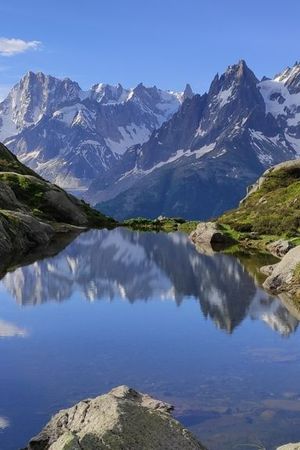
Tour du Mont Blanc Trek
- Circle the towering giant of Western Europe on the legendary Tour du Mont Blanc – a 170km journey through France, Italy and Switzerland that’s more than just a hike.
- With alpine meadows, dramatic glaciers and charming mountain villages at every turn, each day feels like a new chapter in your alpine adventure story.
- The TMB isn’t just iconic – it’s a rite of passage for every adventurer chasing that perfect blend of challenge and beauty.