WhatsApp us



 Best Sellers
 Bucket List Adventures
 Short Trips
 Training Weekends
 Epic Peaks
 Remote Adventures
 Hardcore Challenges
- Details
- Category: Knowledge Centre
The Beginner's Guide to trekking to Machu Picchu
Welcome to the beginner's guide to trekking to Machu Picchu! If you've ever dreamed of heading off on an epic adventure through the heart of the Andes Mountains, then this is for you. We'll walk you through everything that you need to know to tackle this iconic trek!
What is Machu Picchu?
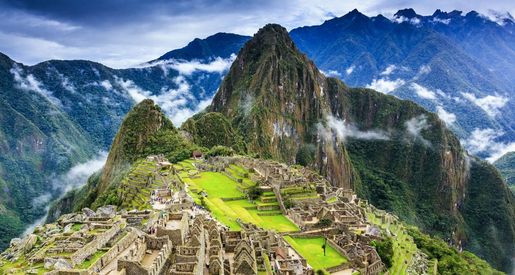
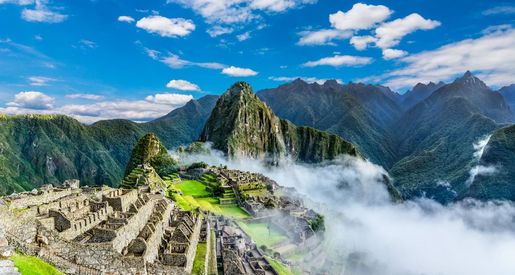
The incredible wonder of Machu Picchu is an ancient Inca citadel, standing at 2,430m above sea level. It's shrouded in mystery and surrounded by extraordinary natural beauty. Built in the 15th century and later abandoned, it remained hidden from the outside world until its rediscovery in 1911 by American explorer Hiram Bingham. Today, it stands as one of the most iconic and sought after travel destinations in the world, attracting thousands of visitors each year.
Can a beginner trek to Machu Picchu?
Absolutely! Despite its reputation as a challenging trek, Machu Picchu is accessible to hikers of all levels - including beginners. With the right preparation and mindset, anyone can conquer these legendary trails and experience the awe-inspiring wonders of the Inca civilization.
What are the routes to Machu Picchu?
EverTrek offers two distinct routes to Machu Picchu: the renowned classic Inca Trail and the more remote Tomacaya route. Both routes are a journey of discovery and excitement as you traverse ancient Incan ruins, mystical cloud forests and breathtaking mountain valleys, culminating in the awe-inspiring citadel of Machu Picchu.
In this guide, we mention 'old' and 'new' itineraries. This is because we relaunched our Machu Picchu treks in October 2024 to make them more affordable and accessible for trekkers. When we refer to 'old' itineraries, we are referring to most 2025 Machu Picchu treks booked before October 2024. These trekking packages include internal flights to and from Cusco. Any bookings made after October 2024 will be on our 'new' itineraries, which are a day shorter and do not include Cusco flights. If you have any questions regarding which itinerary you're booked on, please contact the Yetis at EverTrek!
What’s the difference between the Tomacaya Route and the Inca Trail?
- Embark on a remote route to Machu Picchu via the hidden Tomacaya trail, steeped in Inca legend and mystery.
- Witness the awe of Machu Picchu not once, but twice—first from the iconic Sun Gate, and again the next day with a full exploration of the ancient citadel.
- Immerse yourself in Andean culture, meeting local communities and exploring ancient Inca ruins along the way.
- Cross the dramatic Tocto Pass at 4,900 meters, where panoramic views await that are only seen by a fortunate few.
- Follow the legendary Inca Trail, the only route that lets you trek directly into the ancient citadel of Machu Picchu.
- Steeped in history, soaking up the feeling of walking the same footsteps as the Inca did over 500 years ago
- Take on the challenge of Dead Woman’s Pass (4,215m), the highest point of the trek, with breathtaking Andean views.
Regardless of which route you choose, this journey is a monumental check off your bucket list and a timeless trekking experience!
When is the best time to trek to Machu Picchu?
The best time to hike the Inca trail and the Tomacaya route is between April, May and October when the weather is dry and the landscape is lush and green after the rainy season, with bright colors and clear skies.
The Festival of the Sun (Inti Raymi) typically occurs towards the end of June, drawing in crowds to Cusco as people make their way to Machu Picchu. Another peak period for hikers is Peru's national holiday at the end of July, with many choosing to tackle the Inca Trail or visit Machu Picchu via train. The dry weather remains decent for tourists throughout August and carries on into September, making it a popular time to visit.
As November arrives, the rainy season kicks off, although trekking conditions can still be ok and the crowds are a little less compared to the summer months. December brings wet weather and an influx of tourists due to the holiday time, resulting in busy accommodation and flight costs despite the less-than-ideal weather conditions. But January sees a decrease in crowds, although it remains wet, making it a quieter period to visit without the holiday rush.
What permits do I need for Machu Picchu?
Before setting out on your journey, EverTrek will sort out the relevant trekking permits. The Peruvian government requires all trekkers to be accompanied by a licensed guide service or tour operator with the appropriate permits. We'll ask you for some more information upon booking to arrange this, so don't panic! We have you sorted!
How do I book my flights to Machu Picchu?
What airport should I fly to?
For our new itineraries, international flights are not included in your booking so you will need to arrange your return flight to Cusco airport, where you'll be greeted by a member of our Peruvian EverTrek team.
If you are booked on an old itinerary which includes internal flights, then you need to book a flight to Jorge Chavéz International Airport in Lima.
What day should I aim to arrive?
You should arrange to arrive on Day 1 of your itinerary. As it generally takes longer than a day to arrive in Peru, you should book your flight to leave the UK the day before.
Where do I go once I've arrived?
For old itineraries with included domestic flights:
Before you arrive in Lima, we will have made a reservation for you at the Wyndham Costa del Sol Lima Airport hotel. This is a short walk from the arrival terminal and is where you will spend the night before heading to Cusco on day 2 of your itinerary. Don’t worry you won’t have to do all of this alone, a member of the local EverTrek team will be there to help.
For new itineraries:
Simply head outside the arrivals area in Cusco airport and you'll spot your guide with an EverTrek sign. They'll take you to your hotel in Cusco.
For EverTrekkers booked on the old itinerary:
If you decide to arrive early in Lima, you are free to arrange your own time. For those on the old itinerary, you must arrive back at the Wyndham Costa del Sol, (Lima Airport Hotel) on Day 1 of your itinerary from 15:00.
Your room will have been booked by us so you can check in and relax for the evening. You will then need to be ready & in the lobby the next morning (usually between 08:00/08:30 on Day 2) to meet up with your group & guide, who will escort you back to the airport to board your flight to Cusco.
For EverTrekkers booked on the new itinerary:
You can still spend time in Lima at your leisure, but ensure that your flight to Cusco is arranged for Day 1 of your itinerary. If you want to spend longer in Cusco, then we can also arrange this for you - just drop us an email.
What happens if I want to extend my trip and depart later than the final day?
If you wish to extend your stay in Cusco please let us know as soon as possible! This is especially important for EverTrekkers on the old itinerary as we will need to pre-book your return flight back to Lima. If you plan on staying longer in Lima, this is no problem and we will book your flights as per the normal itinerary. Once you land you are free to explore at your leisure.
What is the accommodation like on the Machu Picchu trek?
On both our Machu Picchu routes, Tomacaya and Inca, you'll enjoy a combination of hotels and tents throughout the trip.
EverTrekkers on the old itinerary who spend Day 1 in Lima: Your first nights accommodation will be in the 4 Star Wyndham Costa del Sol hotel conveniently located directly outside Lima Airport. In Cusco we use a variety of hotels depending on availability, all of a great quality that have had excellent feedback from EverTrekkers.
On the trek itself you’ll be camping in tents which will be all ready and waiting for you at the end of a hard day hiking - which believe me is an absolute delight!
What is the food like on the Machu Picchu trek?
Breakfast Sample Menu: Coca tea and a range of herbal teas, hot chocolate, quinoa drink, fruit and yogurt, granola, omelet, toast and jam, juice.
Lunch Sample Menu: Grilled vegetables, potato and sweet potato dishes, white corn, fried rice, meat or fish.
Dinner Sample Menu: Guacamole and fresh nachos, quinoa & other soups like minestrone & vegetable, grilled meat, pasta, rice dishes, Andean pan chuta (traditional baked bread), pan fried fish.
How fit do I need to be to trek to Machu Picchu?
The physical challenge is part of what makes this experience so special, so it's important to train! While the Machu Picchu hike is accessible to beginners, it's essential to be in good physical condition before embarking on the trek. Our best advice is to put a weighted bag on your back when training, about 5kg in your backpack (or 10kg if you are feeling extra adventurous!) and just go for it and do some miles.
If you've just bought some flashy new hiking boots, wear them in as much as you can! You don’t want to be uncomfortable when you are on your adventure. Get on that step master or just ascend some stairs if you have them, you’ll need the leg strength, especially for the Inca trail which has a crazy amount of steps!
What is the altitude like on Machu Picchu?
The high altitude of the Andes Mountains can present challenges for some EverTrekkers, so our Machu Picchu treks always include days for acclimatising.
It's safe to say that you'll tackle high points on both the Tomacaya Route and Inca Trail. The highest point of the Tomacaya Route is the impressive Tocto pass, at 4900m. The highest point of the Inca Trail is Warmiwañusca (aka 'Dead Woman’s Pass') which stands at an altitude of 4,198m. Machu Picchu itself stands at 2,430m.
Something you can do to test your body at altitude is to head over to the Altitude Centre in London, they have everything you need to test your fitness and to see how the body reacts at altitude. If you've booked a trek to Machu Picchu, you can grab your free consultation with the Altitude Centre via your members area.
What vaccinations do I need for Machu Picchu?
The main vaccinations to consider having for Machu Picchu are typhoid, tetanus and diptheria - all which are recommended every 10 years. You may consider optional vaccinations such as hep B and rabies, especially if you travel regularly to regions where these diseases are present. You can find out more here!
What kit do I need for the Machu Picchu trek?
- Hiking boots: you will need a good pair of hiking boots which are well worn in and comfortable. The EvertTrek Yetis are fond of the brands Meindl, Scarpa, La Sportiva, Salamon and Salewa.
- Waterproof jacket and trousers: be prepared for rain showers by packing lightweight waterproof outerwear. A lightweight Gore-Tex or similar jacket is essential.
- Base layers: moisture-wicking base layers will keep you comfortable and dry during long days on the trail.
- Mid Layer / Outer Layer: the morning and evenings on the Peru Treks can be cold so packing a lightweight fleece or mid layer and down jacket is a smart way to keep yourself warm
- Sun hat and sunglasses: protect yourself from the sun's rays with a wide-brimmed hat and UV-blocking sunglasses.
- Day Pack: you’ll need a hiking backpack to carry your daily essentials. We recommend 25l to 30l combined with a hydration bladder. We recommend the Osprey Talon 33L. If you prefer a specific women’s fit pack, we like the Lowe Alpine Airzone Trail or Osprey Tempest.
- Duffel bag for trek (7kg weight limit): this is provided for you, free of charge.
- Sleeping bag/mat: these can be hired and are highly recommended!
- Water bladder 2lt - 3ltr or bottle! Stay hydrated on the trail by carrying plenty of water with you.
- Sunscreen: don't forget to protect your skin from the sun's harmful rays with a high SPF sunscreen.
- Sun hat and sunglasses - that pesky sun!
- Mosquito Repellent: although the route we trek has a very low risk of malaria, mosquito bites are definitely not something you want to pick up as a souvenir! A good quality mosquito repellent with a high deet content is definitely something you’ll be glad you packed.
- Beanie Hat: for the morning and evenings when the temperature drops.
- Neck Buff: a very versatile item, great for keeping your neck, head and face warm out away from the sun and dust.
- Headlamp: for moving around camp at night and finding things in your tent when the sun goes down.
- Gloves x 2: a lightweight liner pair of gloves and a thicker insulated pair of gloves.
- Trekking Poles: these are great and very helpful for the steep trails, making the climbs easier and taking a lot of the pressure off your knees on the descents. It's worth noting to bring rubber ends to your poles for when you enter the Inca Trail section of the trek.
- First aid kit: be prepared for minor injuries and ailments with a compact first aid kit containing essential supplies.
- Wet wipes: for a cheeky tent wash.
- Small trekking towel: for a cheeky tent dry.
- Snacks: we always recommend bringing something that will give you a boost when you are flagging, be it Haribo, energy gels or protein bars - whatever will help get you through! We escpecially love CLIF Bar for a proper boost of energy!
What can I do after trekking to Machu Picchu?
Rainbow Mountain - This is an amazing natural wonder at an altitude of 5200m so if you are like us Yetis, it offers the perfect blend of altitude, scenery and adventure! View the full itinerary here!
Lake Titicaca - This is the largest lake in South America and the highest navigable lake in the world, Lake Titicaca sits at an altitude of 3,812m and offers an experience like no other. View the full itinerary here!
To add one of these awesome experiences onto the end of your trek, just give us a call at 02920 003216.
Which route will you choose?
Hit the buttons below to find out more about your next adventure!

Previous Articles
- How much does the Everest Base Camp trek cost?
- How to Train for the Everest Base Camp Trek
- How high is Everest Base Camp?
- How much spending money do you need for the Everest Base Camp trek
- What's the accommodation like on an Everest Base Camp trek
- Are showers available on the Everest Base Camp trek?